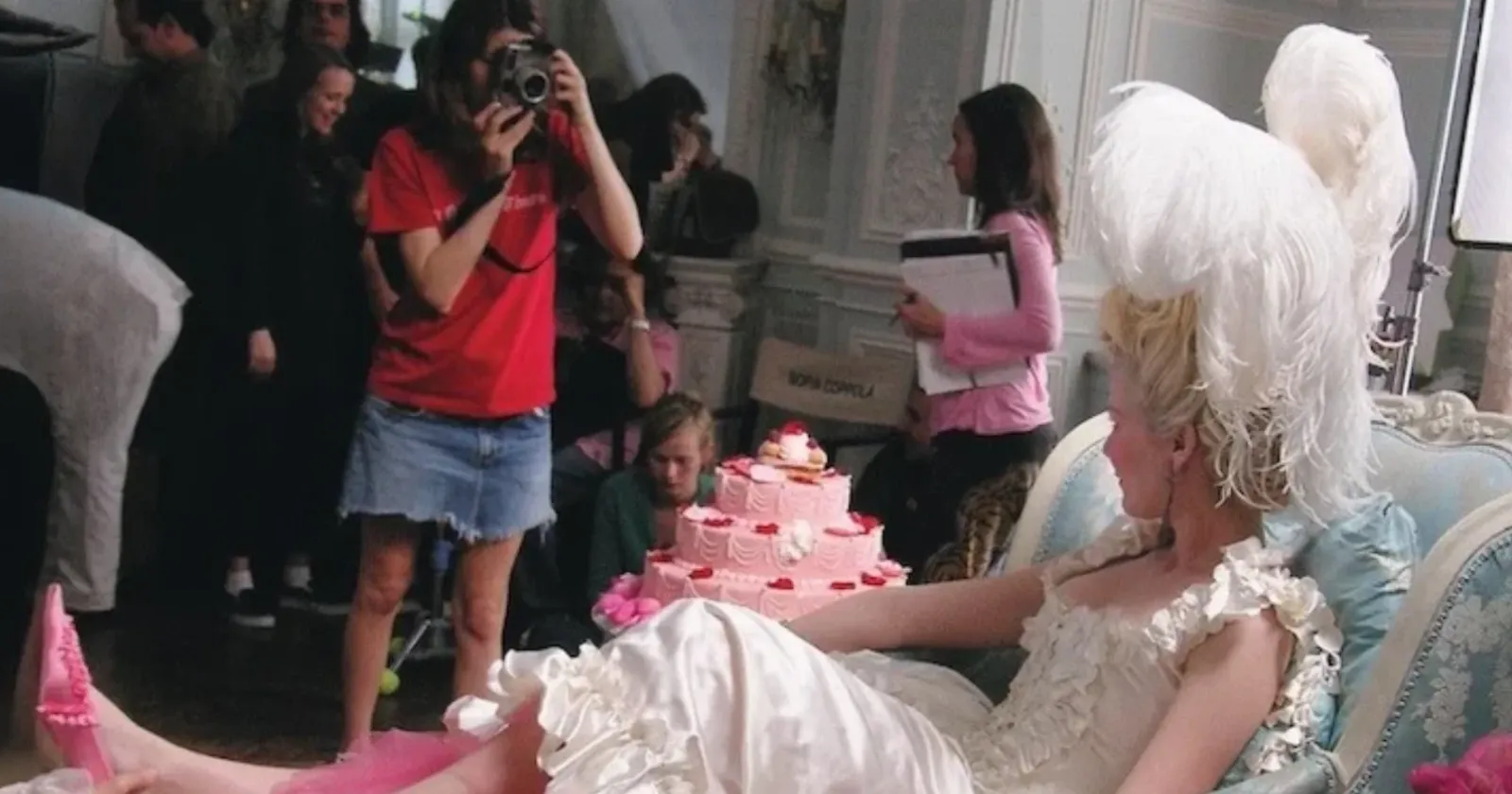
The most famous “making of” documentaries in film history tend to fall into one of three categories: they capture an extraordinarily difficult production, with elaborate set pieces or on-location shoots that require everyone involved to figure things out on the fly; they document the volatile personalities behind a film, offering candid glimpses into the lives of some of the industry’s most important and notoriously difficult figures; or they chronicle a production that went spectacularly wrong, giving us a front-row seat to the decisions and circumstances that resulted in a movie that simply didn’t work. Somehow, the Coppola family has managed to find itself at the center of all three. From Francis Ford Coppola wrestling with the chaos of Apocalypse Now in Hearts of Darkness: A Filmmaker’s Apocalypse to his clashes with actors during the making of Megalopolis, captured in Mike Figgis’ excellent Megadoc, there’s no shortage of fascinating behind-the-scenes material to explore.
Which makes Making Marie Antoinette a rather peculiar addition to that lineage. This time, the film in question is Sofia Coppola’s Marie Antoinette, and the documentary arrives twenty years after the fact, when we can look back at the film as a mid-2000s classic, one of the best movies of 2006, and one of Sofia Coppola’s finest directorial efforts. Unlike her father, whose productions have often been defined by their sheer scale, ambition, and volatility, Sofia’s filmmaking persona is considerably more understated. There’s no expectation of a production spiraling into madness here, nor is there a notorious creative meltdown waiting to be uncovered. Instead, Making Marie Antoinette is a beautifully delicate portrait of the labor, patience, and attention to detail that went into bringing her lavish period piece to life.
The documentary captures just how painstaking the process of designing and costuming Marie Antoinette really was. Every inch of the frame required consideration, from the costumes and makeup to the lighting and elaborate sets, with entire crews working tirelessly each morning to get everything ready before a scene could even be filmed. Watching the production take shape offers a newfound appreciation for the sheer amount of work required to make the world of Kirsten Dunst and Jason Schwartzman’s film feel so effortlessly immersive. The finished movie may be remembered for its distinctive visual style and seemingly breezy sensibility, but the footage here makes clear just how exhausting and overwhelming it could be to achieve that effect. The elegance on screen is the result of an enormous amount of coordination and craftsmanship behind it.
Like Hearts of Darkness, the documentary is captured through the lens of a family member. Eleanor Coppola, Sofia’s mother and Francis Ford Coppola’s wife, was the one behind the camera, having long preferred documenting the creative work of her husband and children to following the more traditional Coppola family path of directing fictional features herself. Eleanor passed away in 2024, and Making Marie Antoinette is assembled from the 86 minutes of footage selected from the hours she recorded on set, accompanied by Diane Lane reading passages from Eleanor’s journals. The result is a reflexive portrait of Sofia at work, filtered through the perspective of the woman who knew her long before she became one of the most recognizable filmmakers of her generation. What might otherwise have been a straightforward behind-the-scenes documentary becomes something much more personal: a tribute to Eleanor herself and to the tender and soft way she saw her daughter.
That emotional dimension quietly informs the entire film. Coming off the critical successes of The Virgin Suicides and Lost in Translation, Sofia was stepping into a production with a budget considerably larger than either of her previous features. The documentary captures a young filmmaker largely focused on getting the movie across the finish line, keeping the production on schedule and under budget while juggling the demands of an enormous undertaking. There’s little sense that she’s consciously trying to make a future cultural touchstone. She’s simply trying to make the movie in front of her, one day at a time, without losing control of a production that requires so much from everyone involved. It’s a useful reminder that even the films we eventually elevate into classics are made by people who, at the time, are often just trying to get through the day.
Of course, those looking for the explosive confrontations and production disasters that have made other making-of documentaries legendary might find Making Marie Antoinette a little too restrained. This isn’t a film interested in manufacturing drama or turning the filmmaking process into a spectacle of egos and bad decisions. There are no equivalent revelations to the madness of Apocalypse Now, nor does it have the combative energy of Megadoc. Its insights are quieter, rooted in watching a director work, seeing the demands placed on her crew, understanding the pressure of being a young woman entrusted with a major production at a time when opportunities like this were not handed out equally. Sofia is already an accomplished filmmaker, but the footage offers a glimpse of her navigating the next stage of her career, carrying the weight of a much bigger opportunity without losing the sensibility that made her previous films so distinctive.
And that’s what makes the documentary so worthwhile. It’s easy to understand why so many people speak so glowingly of Sofia Coppola and why collaborators continue to return to work with her. There’s a quiet confidence to the way she approaches the material, and the footage reveals the care and patience required to create the kind of world she wants audiences to inhabit. It also offers a valuable perspective on the pressures facing a female filmmaker breaking into the mainstream in 2006, when the success of one ambitious production could have an outsized effect on the opportunities that followed.
READ MORE MOVIE REVIEWS: You Can See Everything, Wildwood, Love of Your Life
Making Marie Antoinette may not be the most explosive or revelatory making-of documentary, but it offers something that can be just as valuable: a chance to spend a little more time with a great filmmaker at work, and to see that process through the eyes of someone who loved her long before the rest of us knew what she was capable of. With Eleanor’s journals and footage giving the film its personal foundation, the documentary becomes as much about the relationship between mother and daughter as it is about the making of a movie. Twenty years later, it’s lovely to revisit the world Sofia created around Marie Antoinette, and even lovelier to see the care that went into building it. It’s a modest, affectionate, and quietly revealing tribute to both the film and the woman who captured its creation.
Score: 7/10
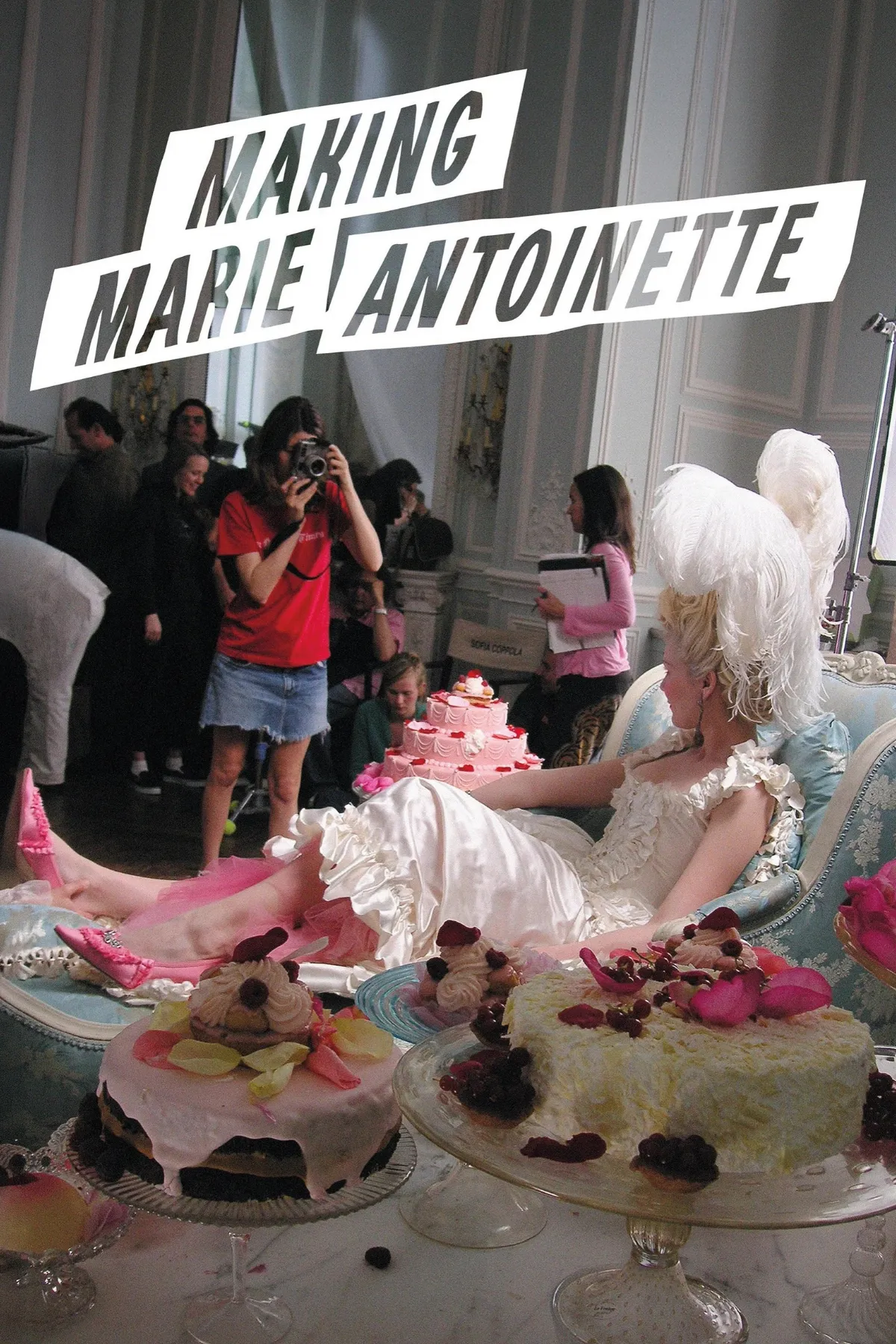
Making Marie Antoinette (2026)
- Cast: Diane Lane, Sofia Coppola, Kirsten Dunst, Jason Schwartzman, Eleanor Coppola, Francis Ford Coppola, Rose Byrne, Roman Coppola
- Director: Eleanor Coppola
- Genre: Documentary
- Runtime: 86 minutes
- Rated: NR
- Release Date: October 23, 2026
- Movies Like Making Marie Antoinette: Sr., Girls State, Zodiac Killer Project
- Follow us on Letterboxd