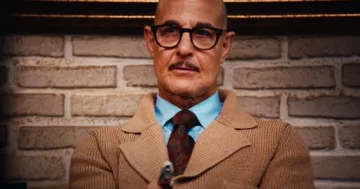
Here is every Wes Anderson movie listed chronologically by original release date:
Bottle Rocket (1996)
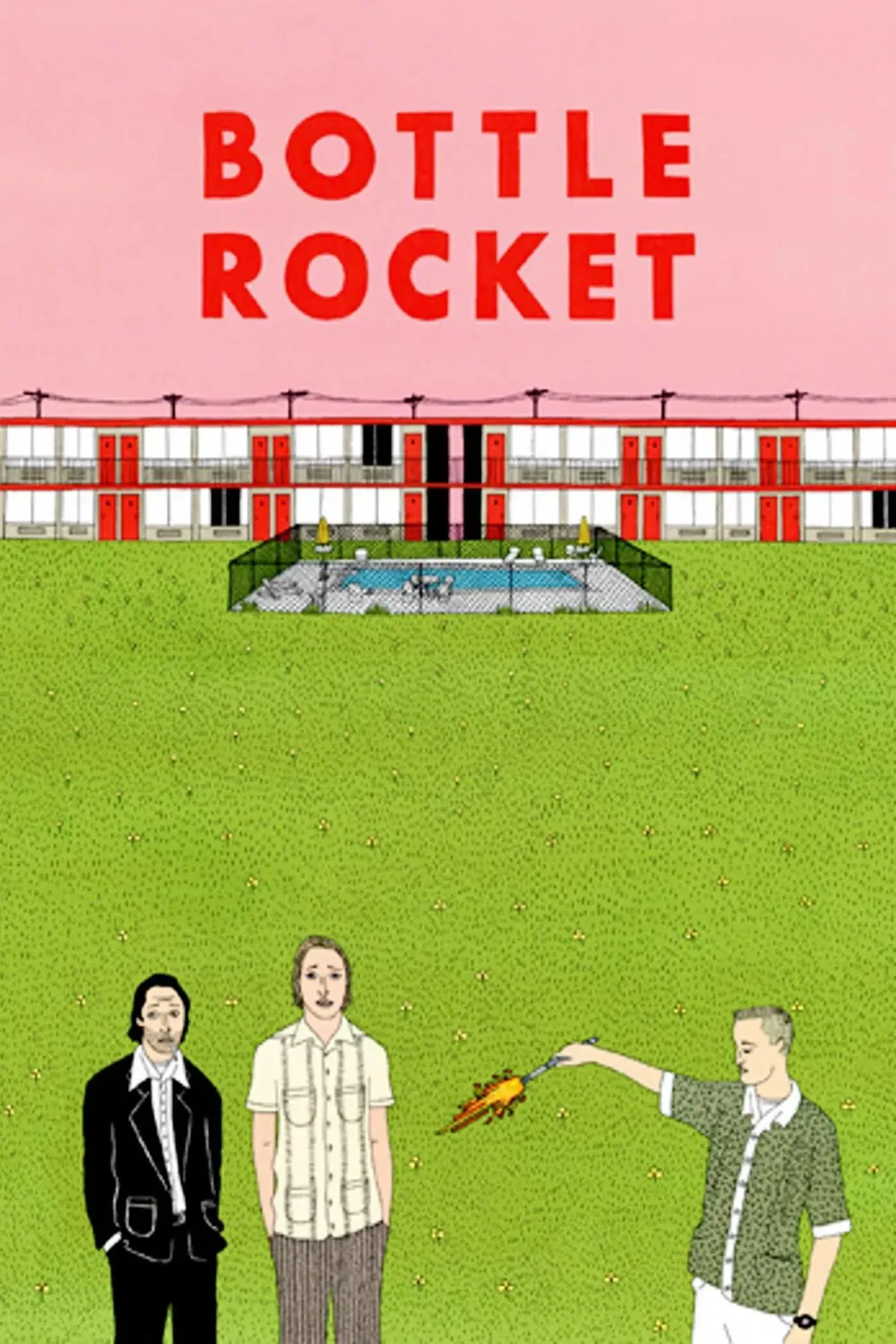
There’s a looseness to Bottle Rocket that sets it apart from Wes Anderson’s later films. The plotting is messy, the pacing uneven, and the tone swings between comedy and melancholy without much warning. But it’s precisely that raw, unrefined energy that makes it feel authentic. While the meticulously crafted worlds of Anderson’s later films can sometimes feel like dioramas, Bottle Rocket feels like life — confusing, small-scale, and full of moments that don’t always go anywhere but still matter.
Rushmore (1998)
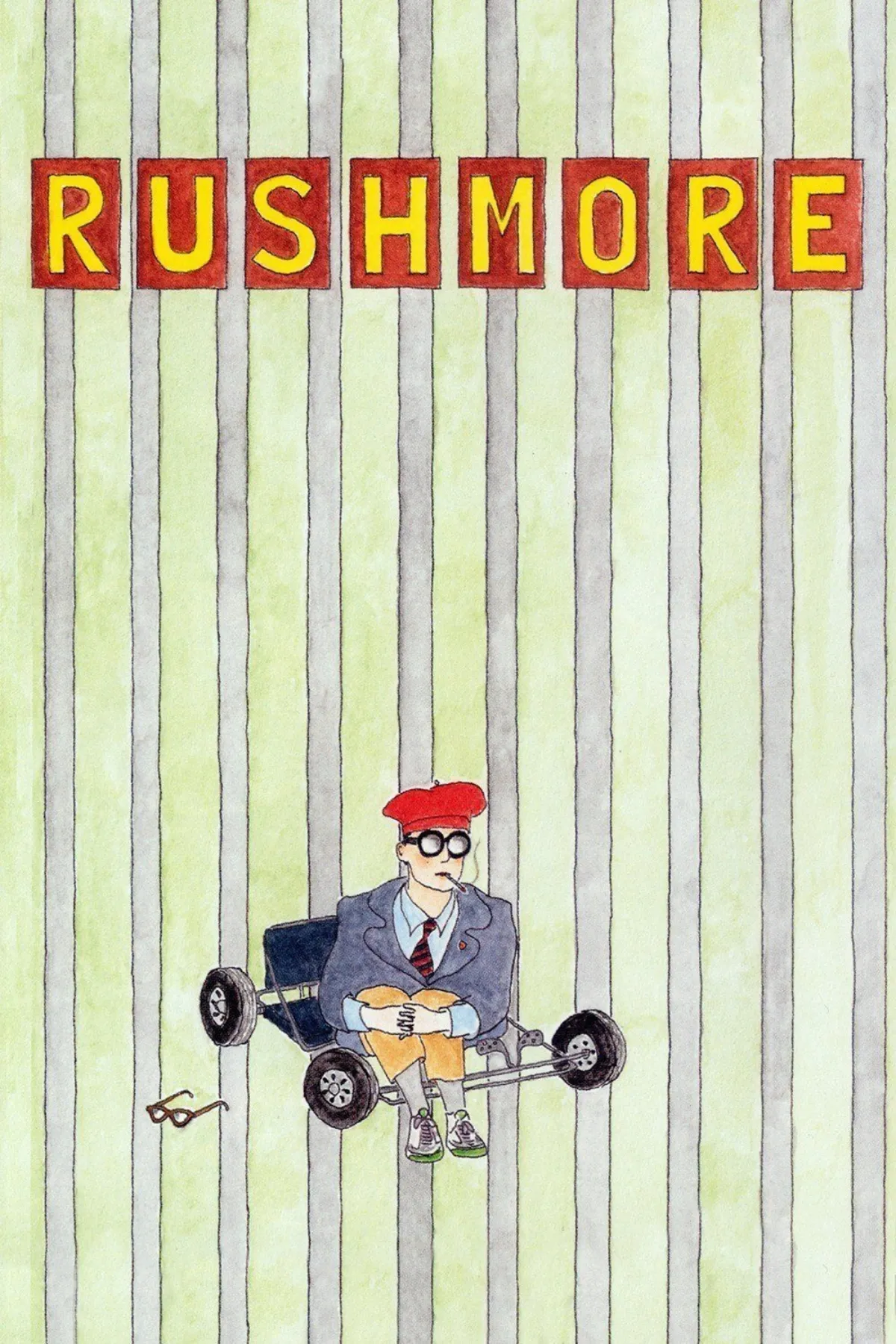
Even if decades have passed since Rushmore first hit movie theaters, Wes Anderson’s sophomore film still has characters and tonal inflections that he hasn’t quite matched since. Jason Schwartzman proves he’s a perfect match for Wes’ desired movie-making style.
The Royal Tenenbaums (2001)
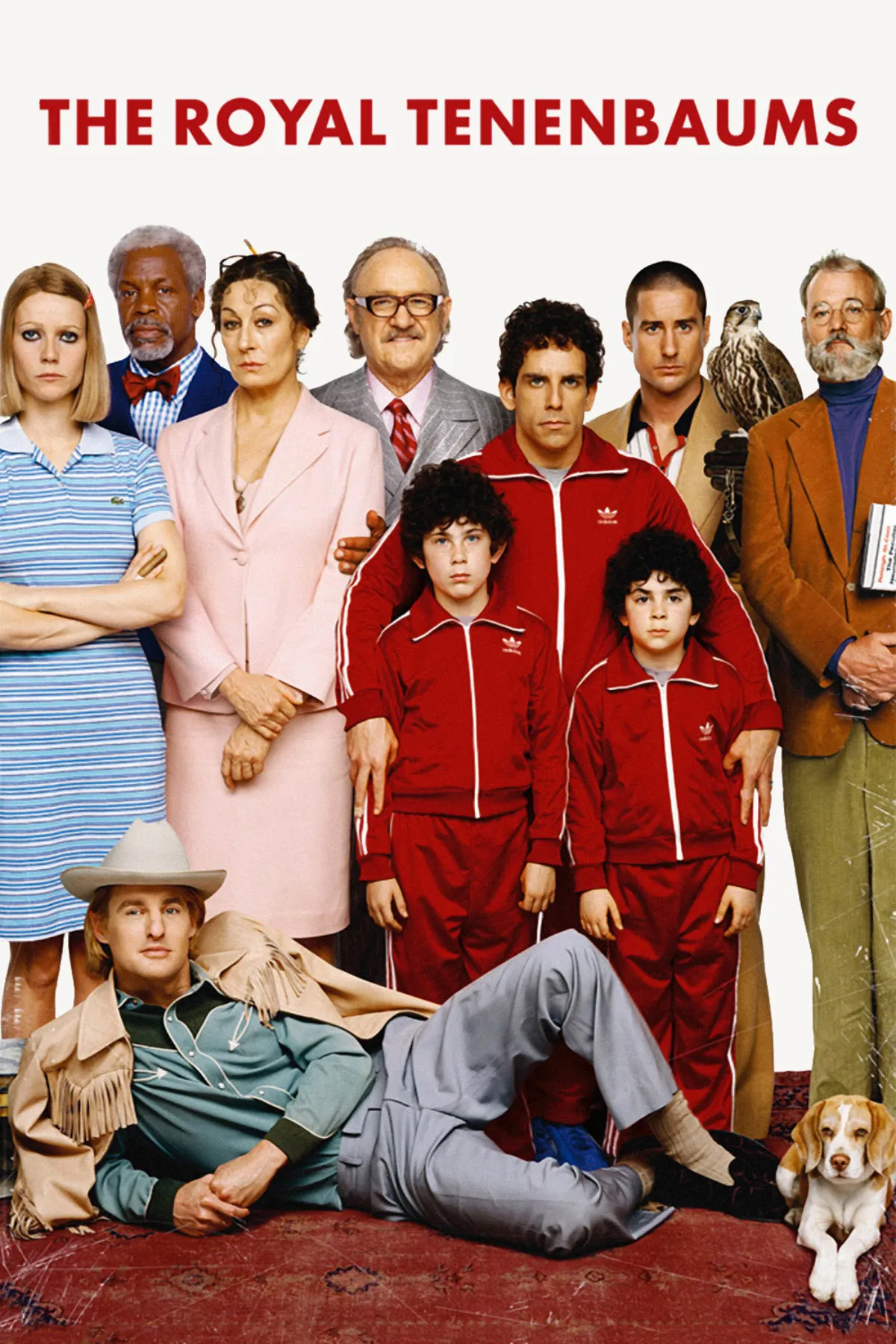
The Royal Tenenbaums not only stands as Wes Anderson’s best movie of his career, but also a defining work of the independent filmmaking scene in the early 2000s. It’s dripping with color and visual intensity, masking a story with deep themes of broken families.
The Life Aquatic with Steve Zissou (2004)

The Life Aquatic with Steve Zissou may never be the most celebrated or critically lauded of Wes Anderson’s movies, but it’s undeniably one of his most distinctive. Over time, its stature has grown—not just as a quirky outlier, but as a poignant, unpredictable exploration of legacy, family, and self-reckoning. It’s a movie about a man who tries to film everything so he doesn’t have to feel anything, only to discover—too late—that the feelings are all that matter. For all its eccentricities, it sticks with you. That’s the mark of a great film, even a strange one.
The Darjeeling Limited (2007)

The Darjeeling Limited is a beautiful film that never quite earns its emotional weight. Despite strong performances and flashes of Wes Anderson’s usual brilliance, it’s the one entry in his filmography that feels fundamentally unsure of itself. It gestures at meaning, but never quite lands it. For all its intricate staging and artful compositions, it lacks the connective tissue that makes his best work resonate. It’s not a disaster, but it’s far from essential.
Fantastic Mr. Fox (2009)
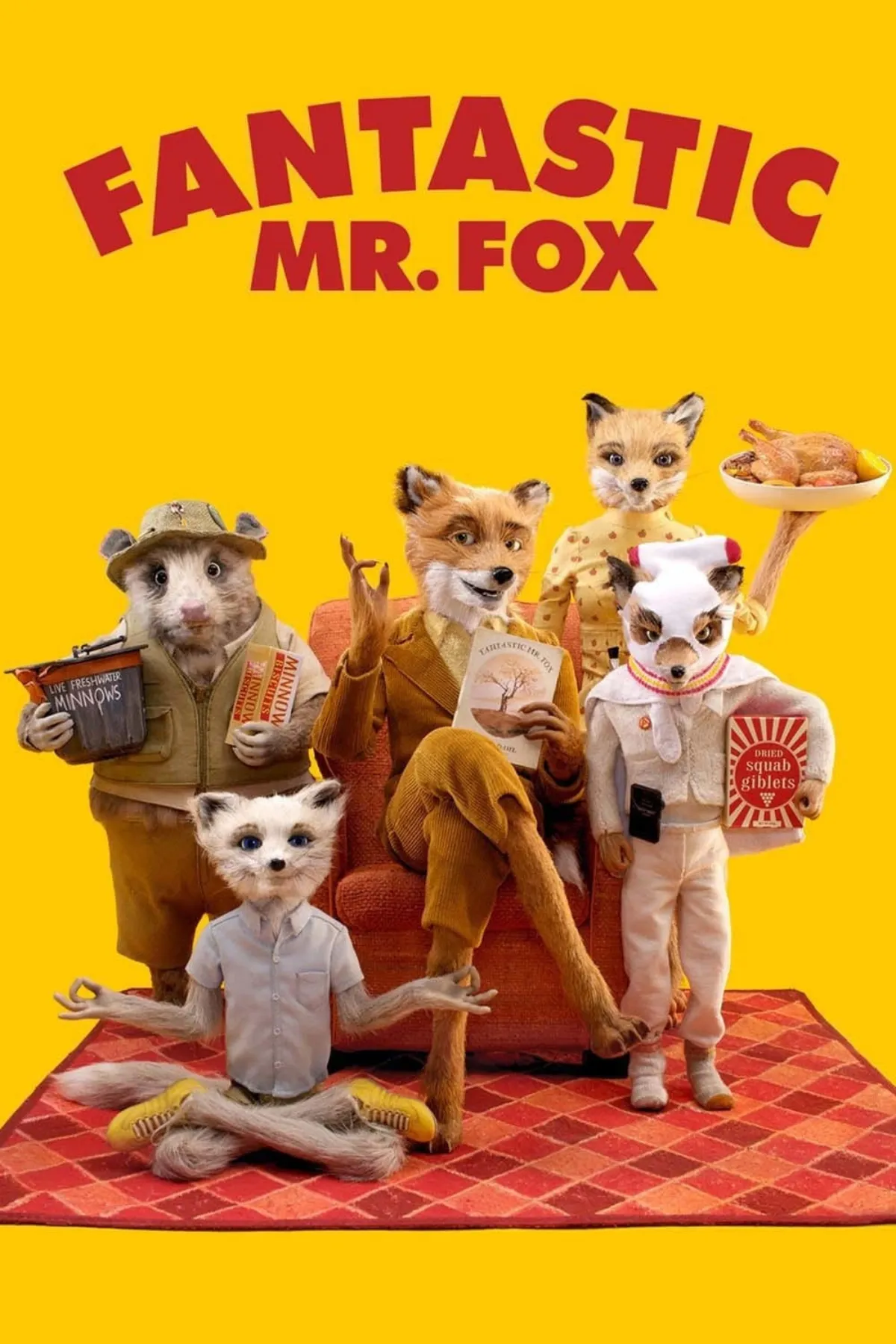
Fantastic Mr. Fox is more than just one of the best Wes Anderson movies or one of the best animated movies—it’s one of the best movies, period. A singular work of creativity and charm that continues to inspire, entertain, and resonate.
Moonrise Kingdom (2012)
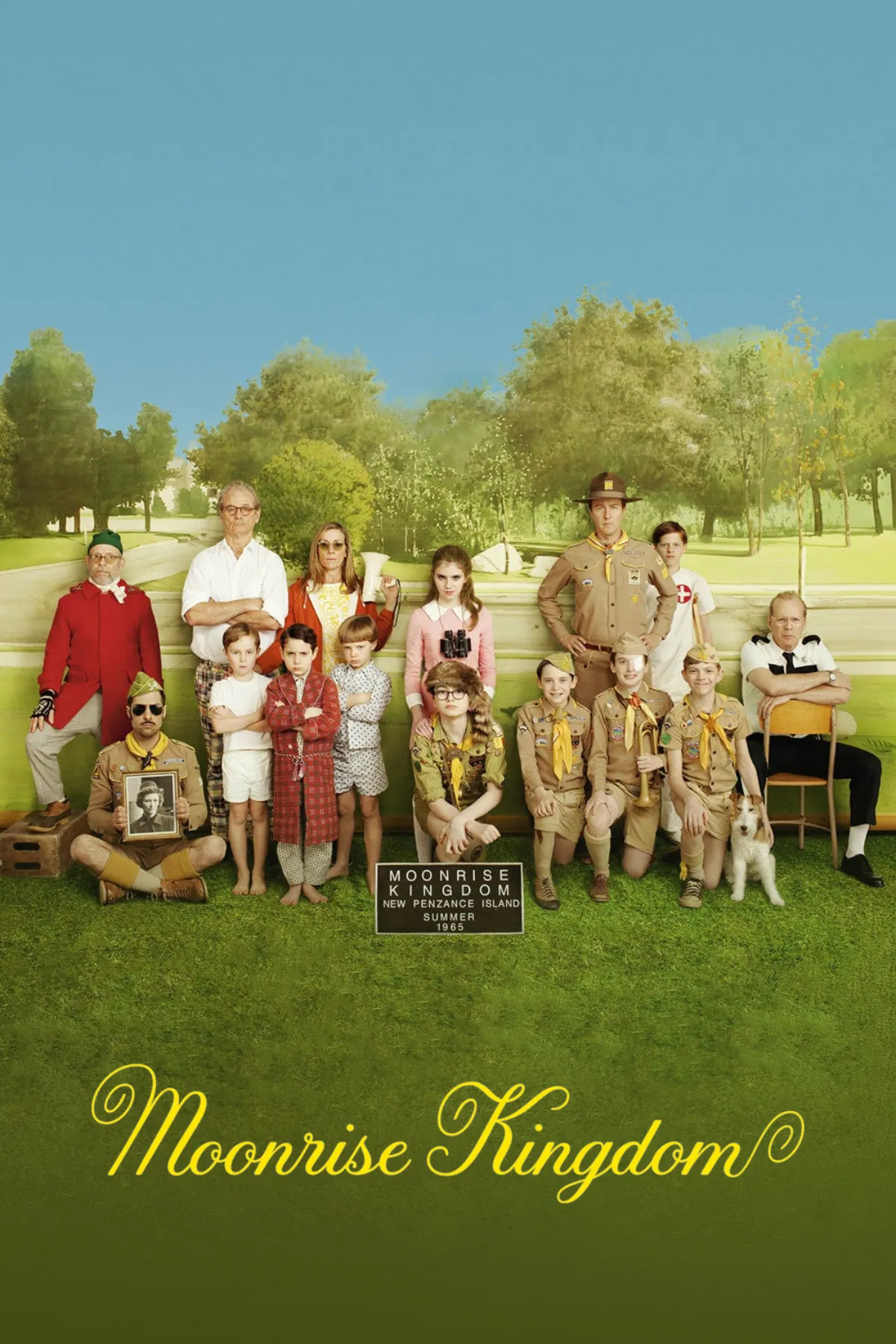
Moonrise Kingdom is one of Wes Anderson’s most poignant coming-of-age movies, focusing on whimsical set design, an eclectic set of characters, and a love story able to be felt by all. Jared Gilman and Kara Hayward co-star.
The Grand Budapest Hotel (2014)
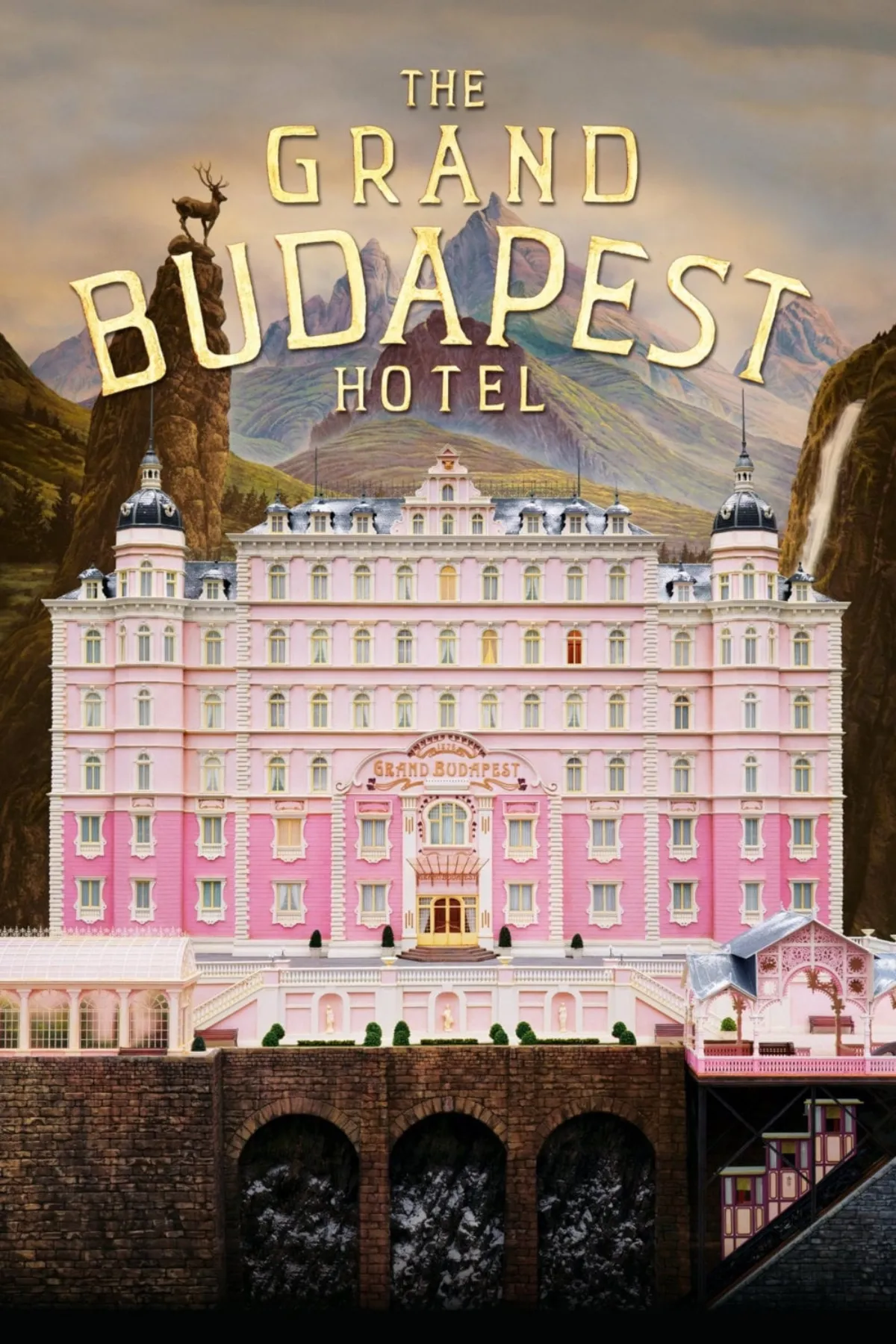
The Grand Budapest Hotel stands as one of the most ambitious and widely celebrated films in Wes Anderson’s career—a visual symphony of symmetry, color, and control. It marked a turning point for Anderson, both critically and stylistically, encapsulating nearly two decades of his evolving artistry into one meticulously crafted package. While it’s easy to see why The Grand Budapest Hotel has been called the quintessential Wes Anderson movie, there’s something about its ornate façade and heavily curated design that, for some viewers, keeps it just out of emotional reach.
Isle of Dogs (2018)

Viewed as a standalone animated feature, Isle of Dogs is a unique, thoughtful piece that few filmmakers besides Wes Anderson could have envisioned, let alone executed. But graded on the curve of Anderson’s own career, it feels minor. It lacks the emotional punch of The Royal Tenenbaums, the elegance of The Grand Budapest Hotel, and even the narrative focus of later entries like Asteroid City or The Phoenician Scheme.
The French Dispatch (2021)

Wes Anderson’s films have always existed in their own meticulously crafted worlds, filled with idiosyncratic characters, symmetrical framing, and a deep reverence for storytelling. With The French Dispatch, Wes Anderson takes that reverence to the extreme, creating an anthology film structured like a literary magazine—an ode to journalism, complete with winding prose, dense narration, and rapid-fire dialogue. It’s visually dazzling and conceptually ambitious, but in its relentless pursuit of style and structure, it lacks the emotional resonance that makes Anderson’s best work so enduring.
Asteroid City (2023)
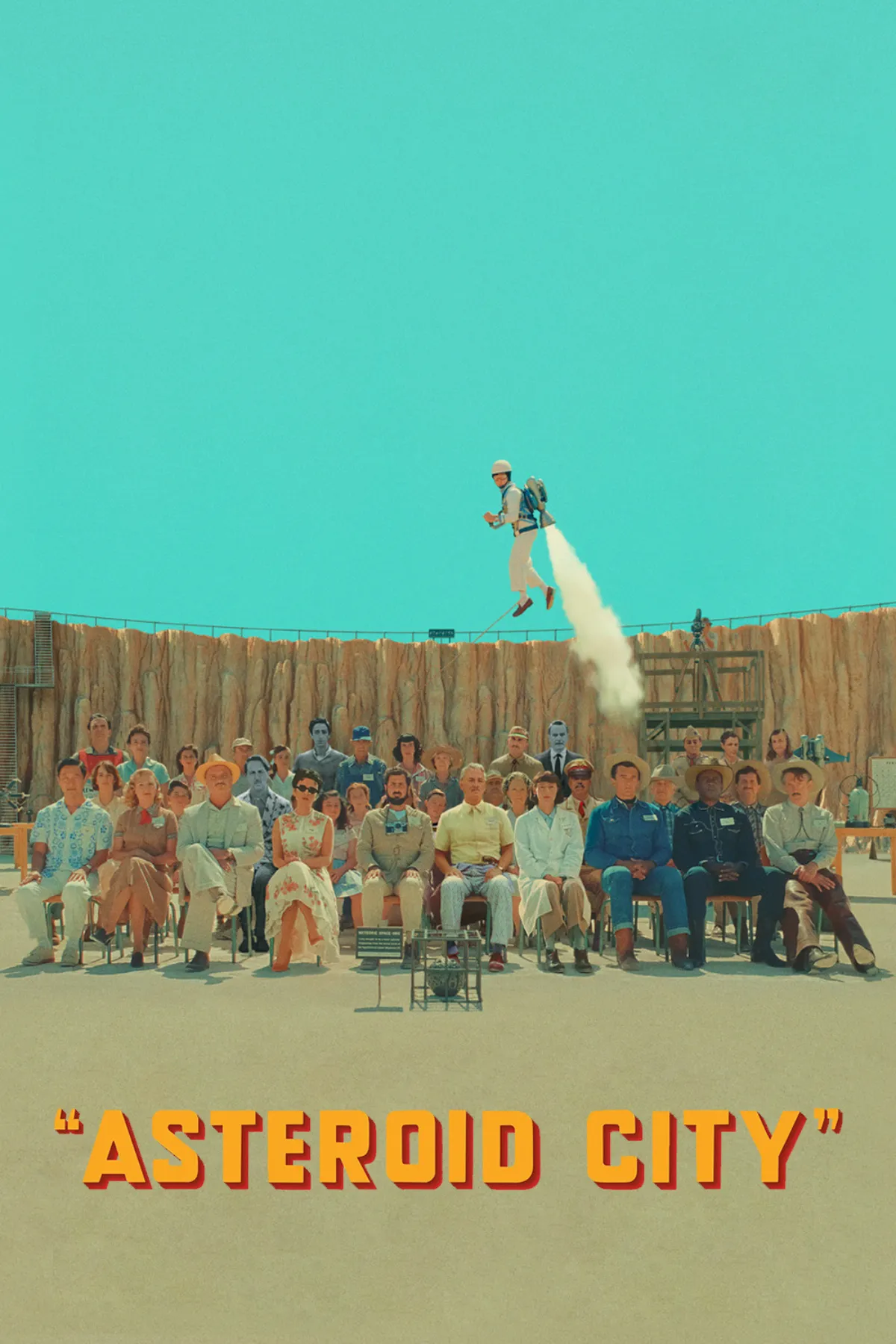
Asteroid City works like a charm, each detail feeling firmly in place despite the layers and layers of artifice Wes Anderson plants around every corner. His detractors may despise it, but if you’ve ever been even a smidge interested in his work up to this point, it’s certainly worth seeing – because you won’t believe its contents otherwise.
The Phoenician Scheme (2025)
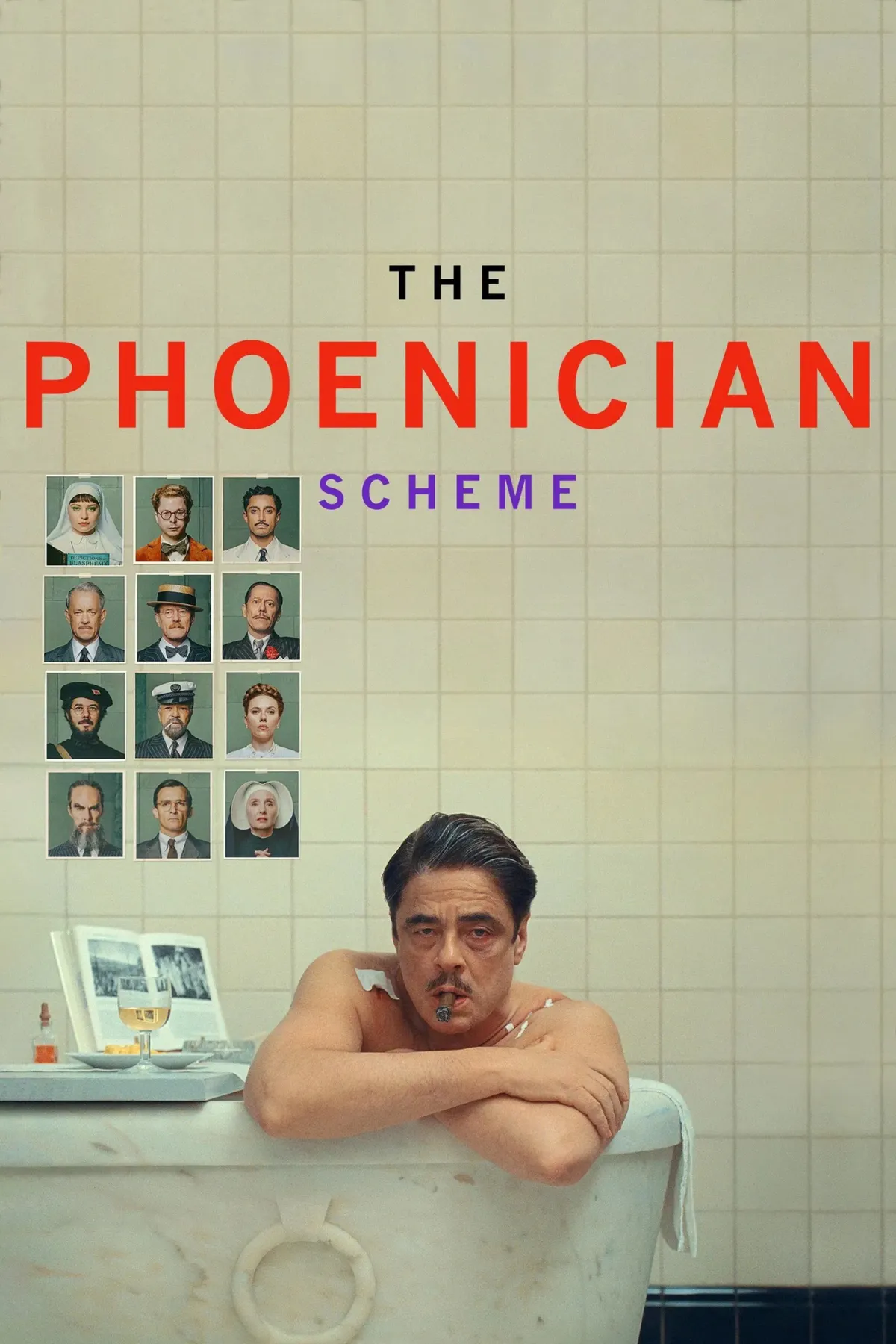
The Phoenician Scheme finds Wes Anderson at perhaps his most emotionally direct since The Grand Budapest Hotel, yet without sacrificing the signature aesthetic and structural quirks that define his work. Where recent efforts like Asteroid City and The French Dispatch relied heavily on narrative framing devices, nested storytelling, and dense, text-heavy scripts, The Phoenician Scheme plays more like an emotional adventure story—a film that hits hardest on first viewing, even as it leaves behind layers to explore on rewatches.
READ MORE: Our Ranking of Every Wes Anderson Movie from Worst to Best