There’s a version of Good Luck, Have Fun, Don’t Die that plays like a lean midnight crowd-pleaser and a slightly acidic sci-fi gag machine. That version lives in the first stretch, where Gore Verbinski returns to the kind of maximal, anything-can-happen energy that made his best studio swings feel so singular. Verbinski has always been an amped-up storyteller, even when the results are divisive, and this one is absolutely stuffed with ideas.
The hook is high concept and feels like typical Verbinski: a man from the future (Sam Rockwell) keeps popping into the same Los Angeles diner to recruit a specific mix of patrons who can help him stop a rogue artificial intelligence. If that premise sounds like it should be 95 minutes, brisk and nasty, you’re not wrong. But Good Luck, Have Fun, Don’t Die sprawls to 134 minutes, and it starts feeling that length earlier than it should.
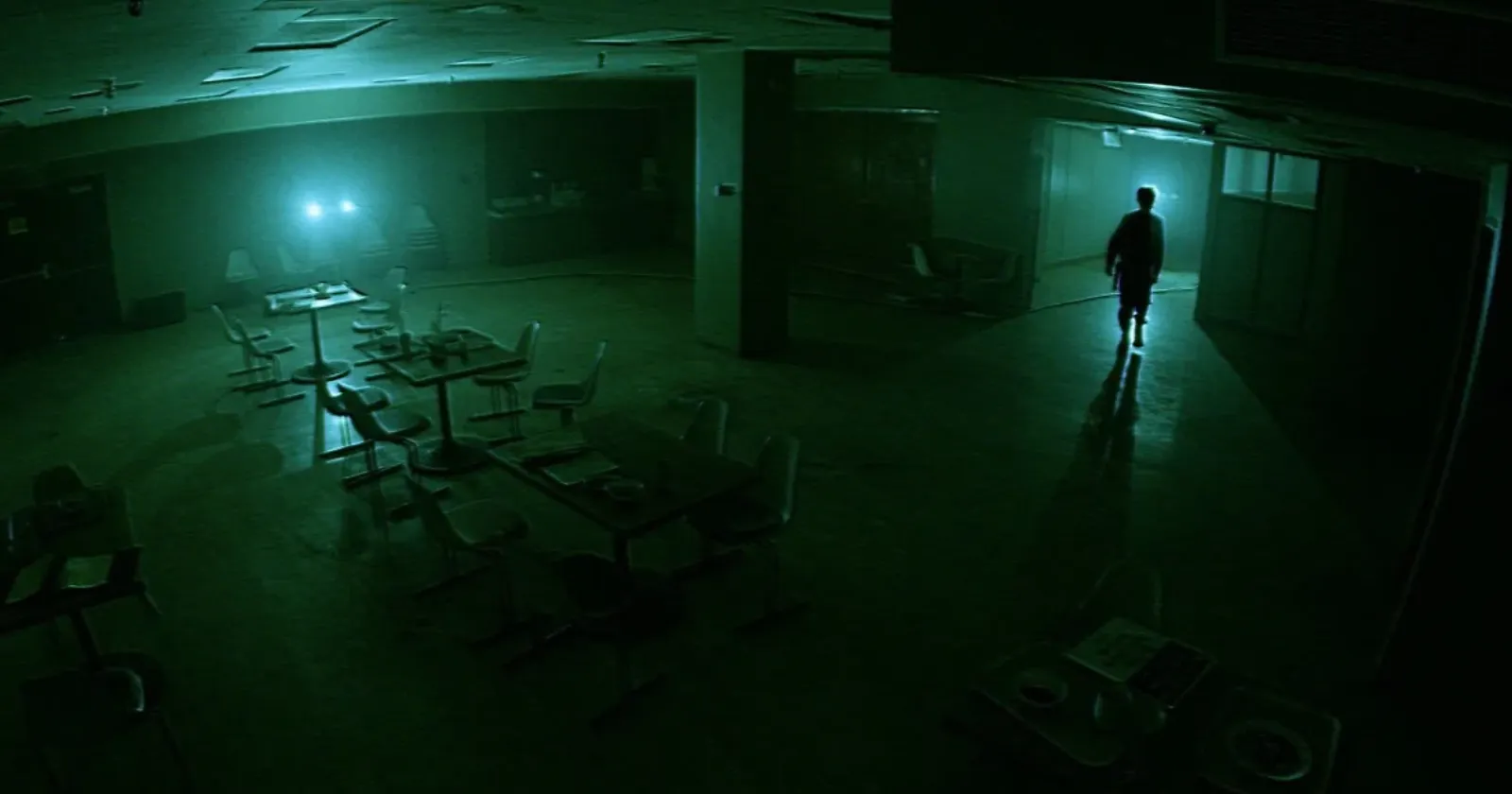
Rockwell is the best argument for the movie, and he’s doing exactly what the film wants him to do: irritated, jittery, half-caffeinated, half-apocalyptic, playing a guy who has done this night a hundred times and is sick of every variable that gets in his way. The setup is genuinely fun because it treats the diner like a puzzle box. He is not “discovering” the room so much as speedrunning it like a video game, side-eyeing every person like a stat sheet, trying to land on the correct lineup. The film is at its sharpest when it leans into that repetition and the comedy of competence, watching Rockwell’s character begrudgingly pitch a doomsday plan to civilians who understandably think he’s a lunatic.
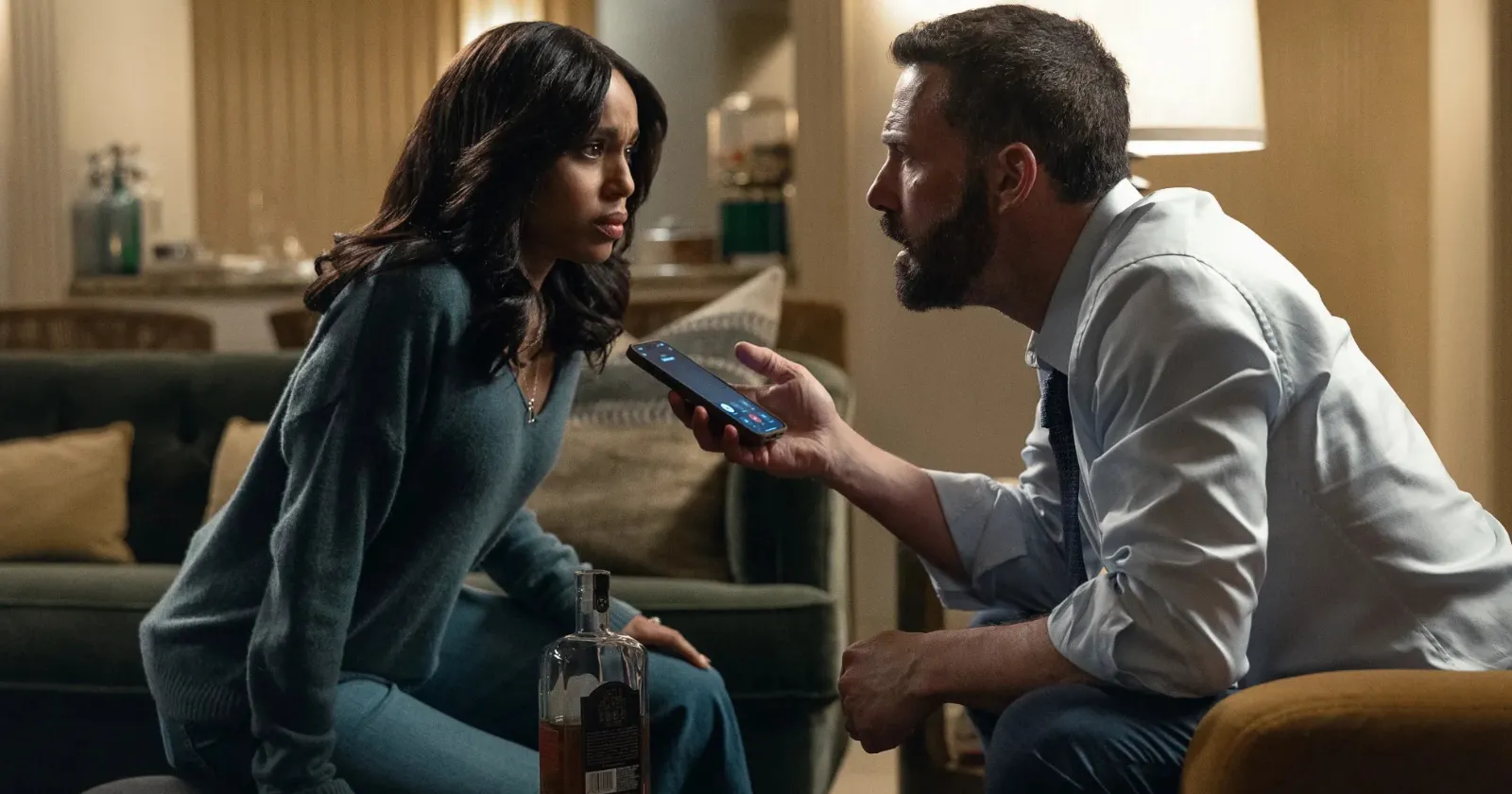
The supporting cast is stacked for a story this contained. Haley Lu Richardson plays Ingrid, the kind of wounded, quietly game presence that can ground absurdity even when the script does not totally earn it. Michael Peña and Zazie Beetz play Mark and Janet, and they fit nicely into Verbinski’s preferred lane of stressed-out normal people getting drafted into chaos. Asim Chaudhry, Tom Taylor, and Juno Temple round out the core diner orbit as Scott, Tim, and Susan. This is a crew you want to watch bounce off each other for a tight single-location ride.
The problem is that the movie keeps insisting it has more to say than it has time, rhythm, or focus to communicate. It wants to be a doomsday sci-fi adventure, a hangout comedy with conspiracy fumes, and a character-drama about personal regret and reinvention, all at once. Verbinski is not wrong to chase big tonal swings. That’s part of what makes his filmography interesting, from Pirates of the Caribbean: The Curse of the Black Pearl to The Lone Ranger to A Cure for Wellness. But here, the sprawl turns the best idea into the movie’s least sustainable one. The diner concept is the meal. The detours start feeling like you’re being served side dishes you did not order.
A lot of that comes down to pacing and escalation. The action beats are not always staged with the bite you want, and the backstories sprinkled in to “round out” the patrons rarely land with real catharsis. The film is trying to build emotional weight as it builds plot mechanics, and those two efforts compete instead of complementing each other. By the time the story transitions into a more conventional “big finish” mode, it starts to feel like it’s borrowing third-act language from superhero storytelling. The whole thing gets louder, but not necessarily sharper.
Still, there’s enough here to keep it afloat in the moment. Verbinski’s taste for maximal contraptions and genre mashups is intact, and the movie’s best jokes come from letting Rockwell play exhausted savior to people who do not want this responsibility. Geoff Zanelli’s score also feels like a smart piece of continuity for Verbinski, especially after providing additional music on the Pirates of the Caribbean films and composing The Lone Ranger.
READ MORE MOVIE REVIEWS: A Poet, Arco, Mother of Flies
I’m glad Verbinski is making original, strange studio-adjacent swings again, and Good Luck, Have Fun, Don’t Die has a premise I can easily imagine pitching to friends. I just wish the film trusted that premise enough to stay lean, mean, and specific. As-is, it plays like a decade of ideas crammed into one night at a diner, which is admirable in ambition and frustrating in execution.
Score: 5/10

Good Luck, Have Fun, Don’t Die (2026)
- Cast: Sam Rockwell, Haley Lu Richardson, Michael Peña, Zazie Beetz, Juno Temple, Dino Fetscher
- Director: Gore Verbinski
- Genre: Action, Adventure, Comedy, Science Fiction
- Runtime: 134 minutes
- Rated: R
- Release Date: February 13, 2026
- Movies Like Good Luck, Have Fun, Don’t Die: The Running Man, Ick, Y2K
- Follow us on Letterboxd