I started Cinephile Corner in late 2021 as a place to write about new releases as I watched them, along with the classics and underrated films I’d discovered over the years. When I launched this website, I was in film school, experiencing the work of classic and current filmmakers like Akira Kurosawa and Preston Sturges to Christian Petzold and Kogonada for the first time.
From 2021 to now (at the time of writing, July 2026), I’ve written nearly 700 movie reviews. Most have covered new releases in real time, but I’ve also written about plenty of certified classics that are widely considered among the greatest films ever made. I’ve by no means seen everything, so I wouldn’t call this a definitive list. These are simply the films I’d most recommend based on my time writing for this website. These are 25 movies every cinephile should see, presented in release-date order and limited to no more than one per director:
A Fistful of Dollars
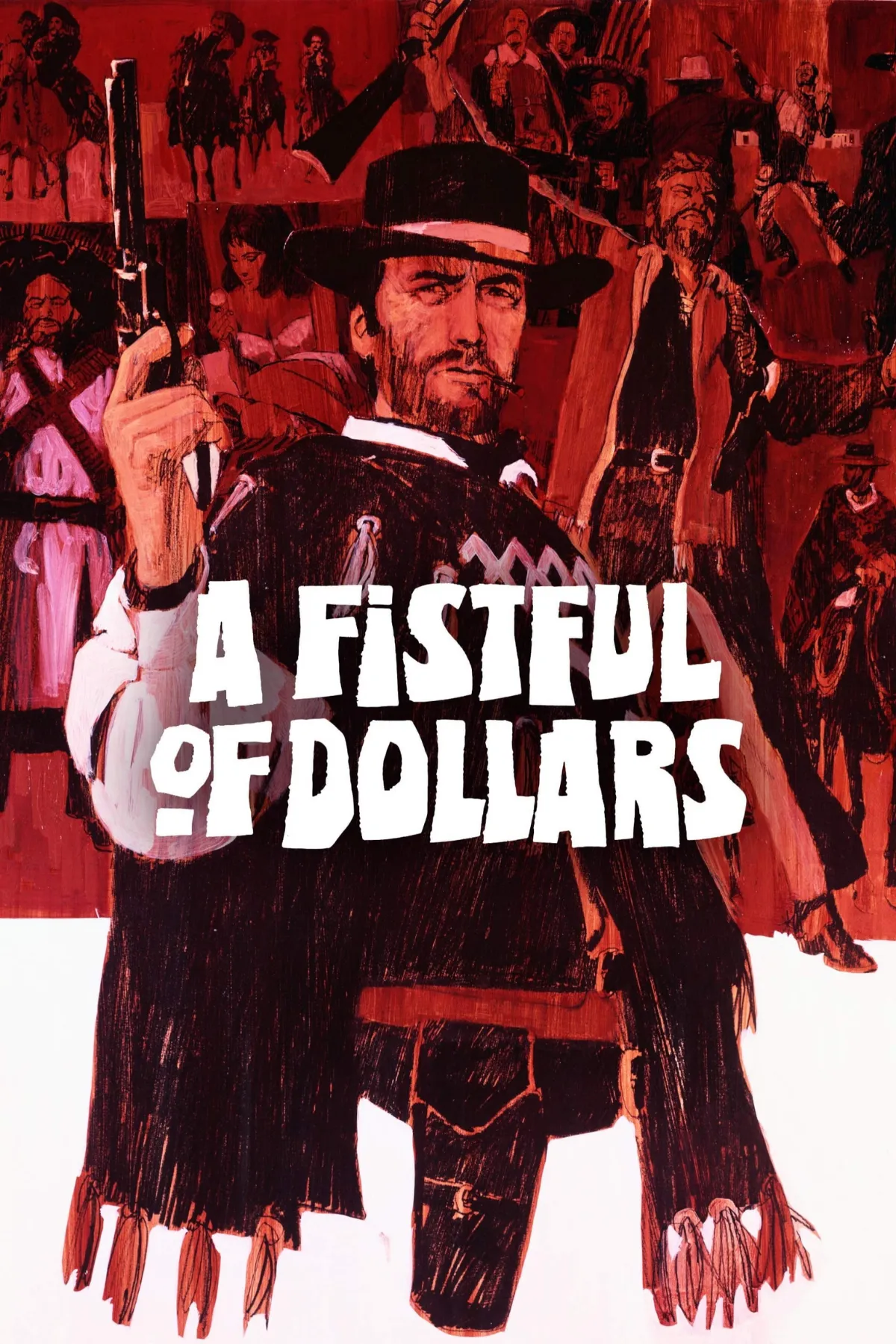
Even compared to modern western movies with extensive budgets, A Fistful of Dollars feels highly influential in terms of style and design. While Sergio Leone finds the pitch perfect tone for his storytelling ideas, Clint Eastwood turns in one of his best performances. A landmark spaghetti western from 1964.
Onibaba
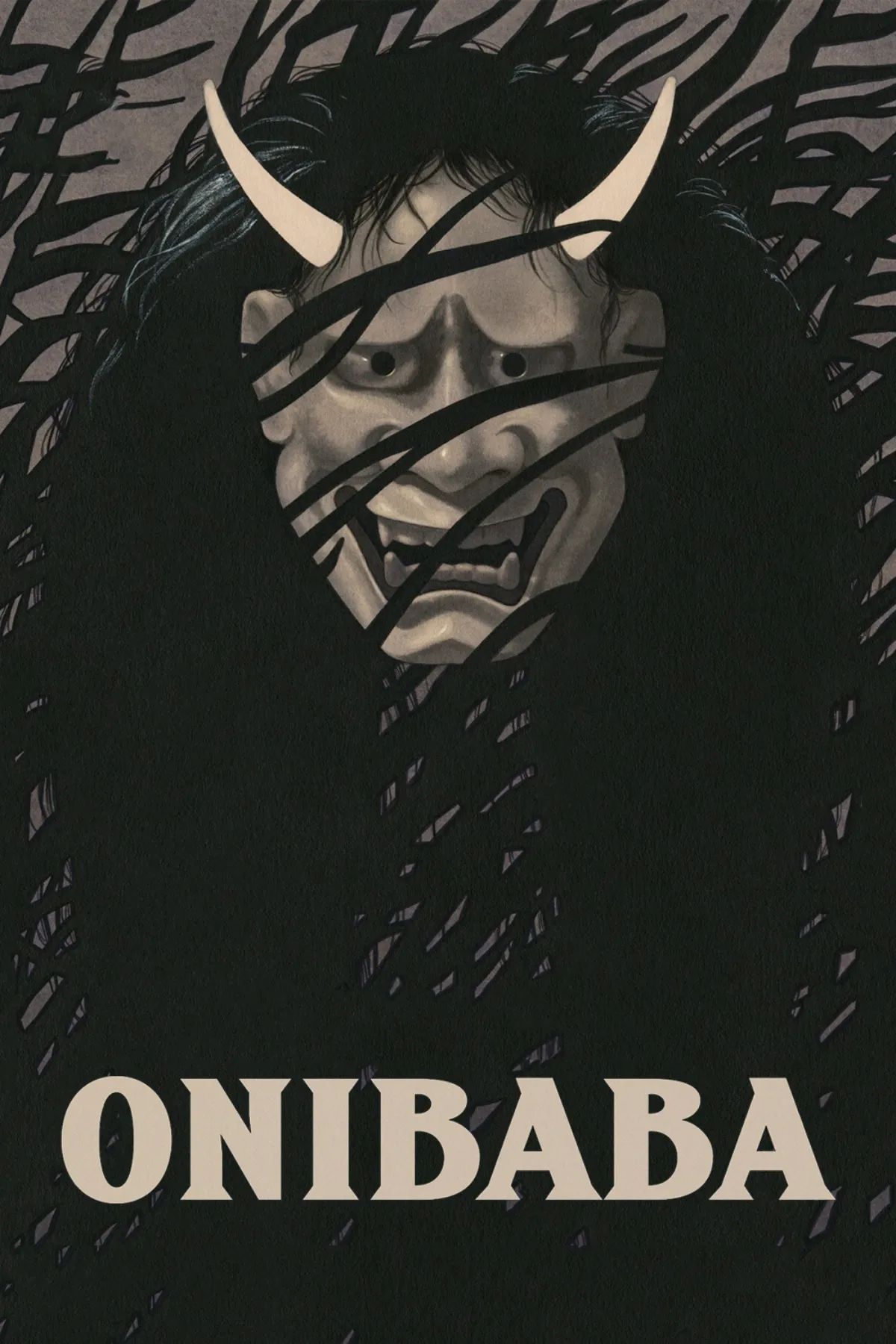
For a Japanese horror movie from 1965, it is remarkable how modern and ahead of its time Onibaba feels in terms of content and structure. A film that serves as a pillar for close-quartered, tense powder kegs is among the best old school horror movies ever made, as well as a worthy introduction to Japanese horror movies.
Bonnie and Clyde
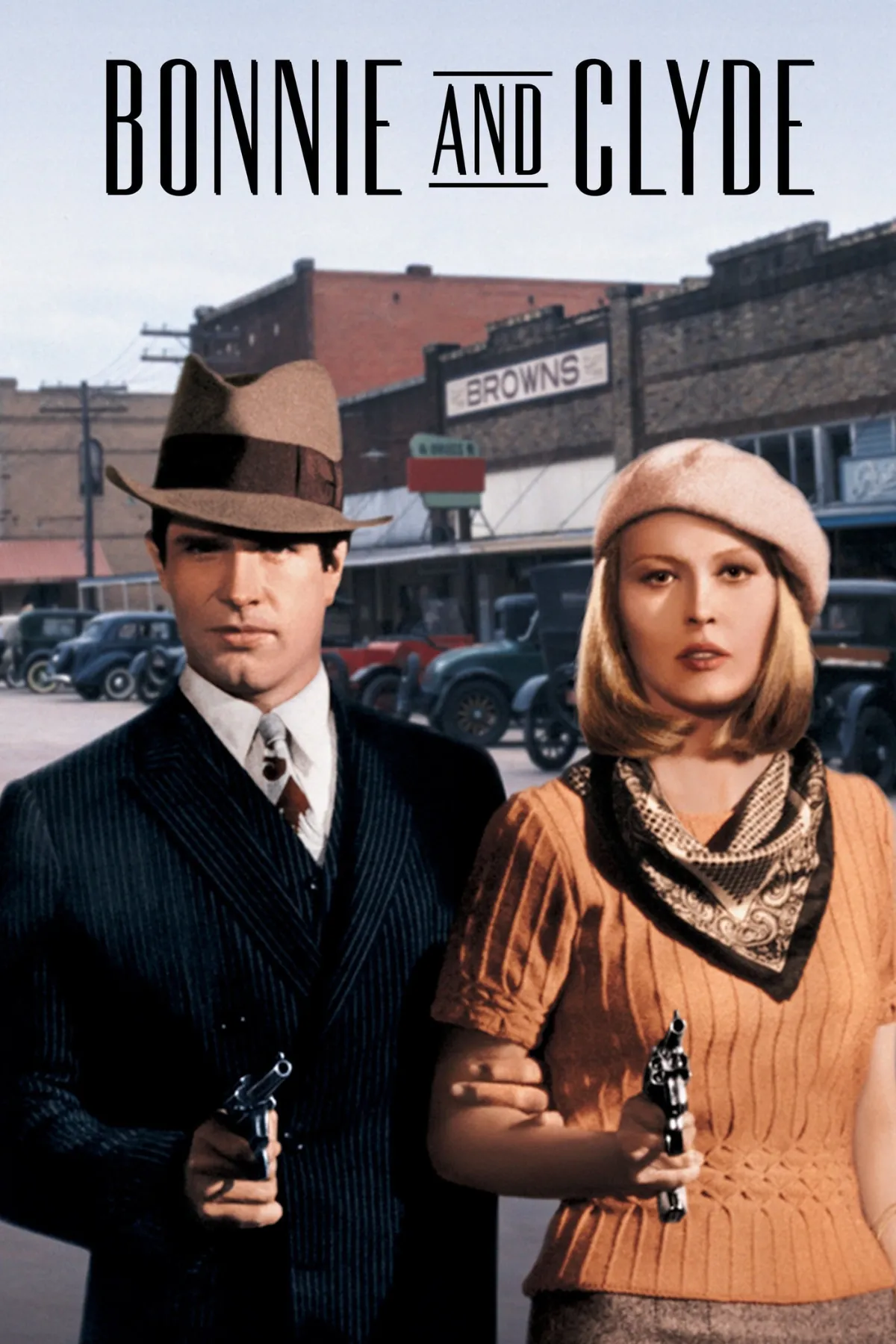
Bonnie and Clyde feels more and more definitive as the years pass from when it was released. Warren Beatty ushers in a new generation of movies that are aggressively violent and angry, expelling the moral compass as a bylaw of the film industry. Faye Dunaway co-stars in this 1967 mega-hit.
Faces
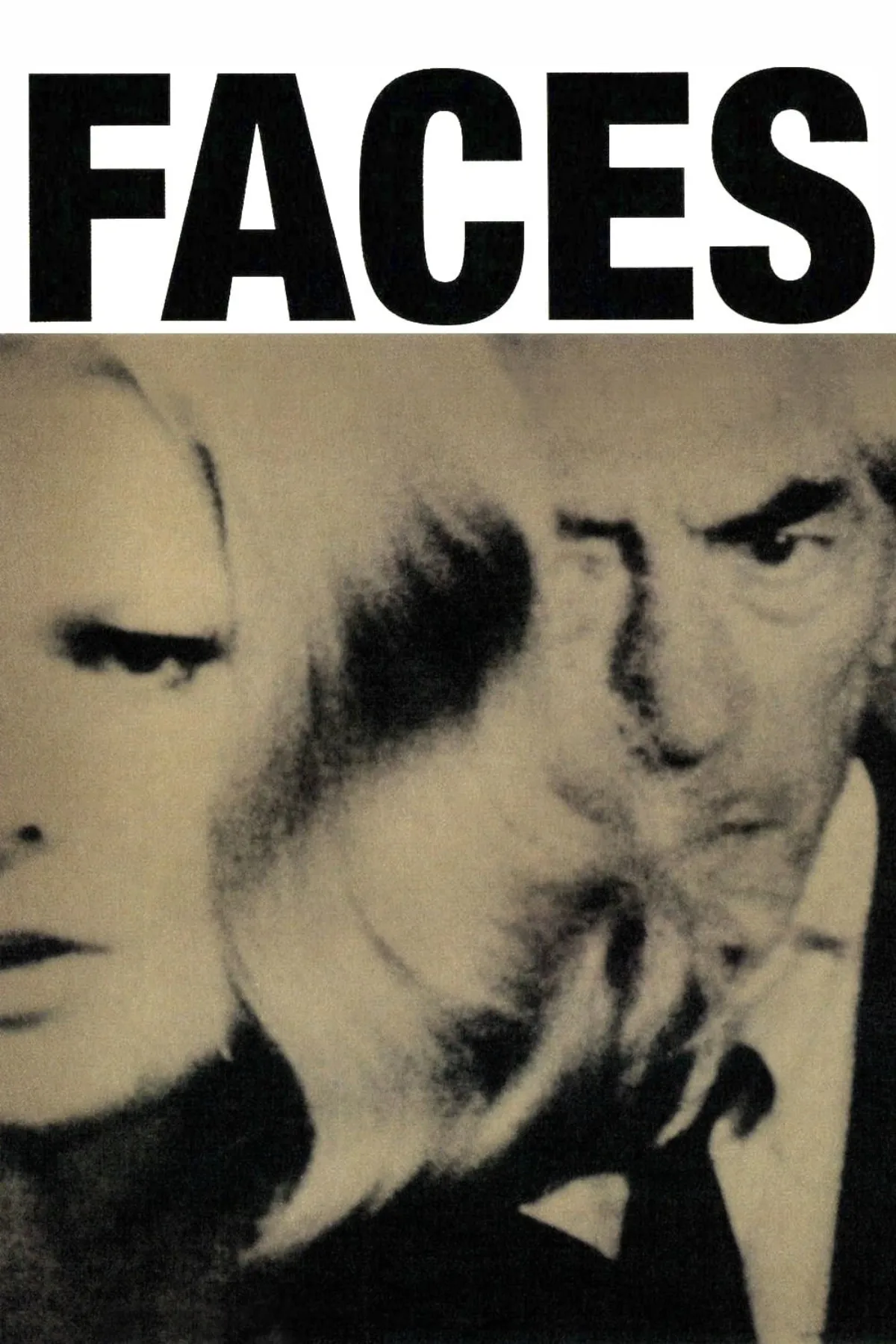
John Cassavetes’ 1968 movie Faces is not for the faint of heart. It’s a raw, unflinching portrait of a marriage in meltdown, where the veneer of civility peels away to reveal the festering resentment and unspoken truths beneath two distant people. It’s a film that holds a mirror to human relationships in America, reflecting the messiness, selfishness, and the desperate grasping for connection that often defines wrong decisions.
The Exorcist
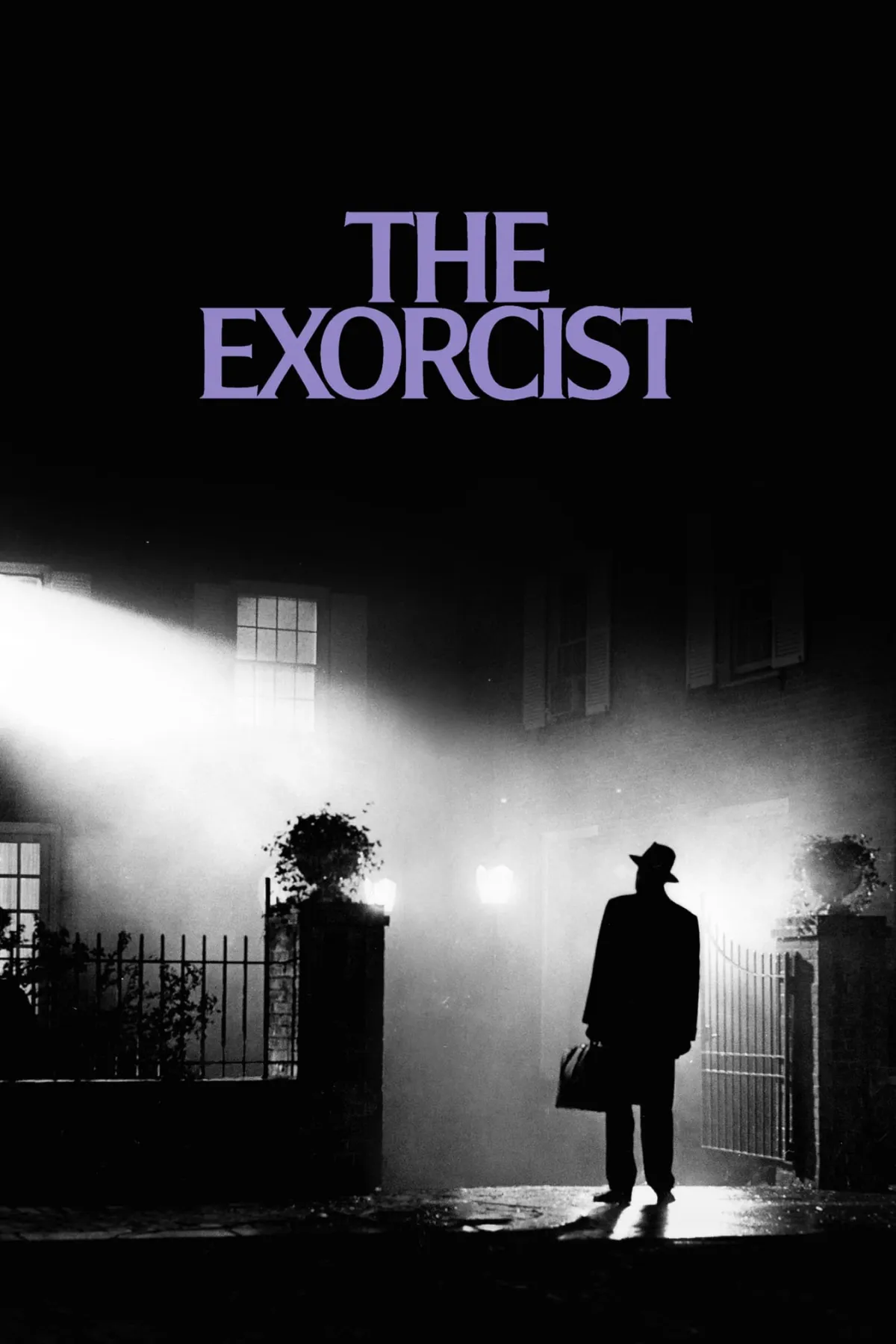
While The Exorcist may feel like a dated recollection of visual ideas from a newer generation of filmmakers, William Friedkin’s daring and mannered horror film is still about as sturdy as anything made since. A tentpole movie release that paved the way for every audacious genre picture that came after it.
Crossing Delancey
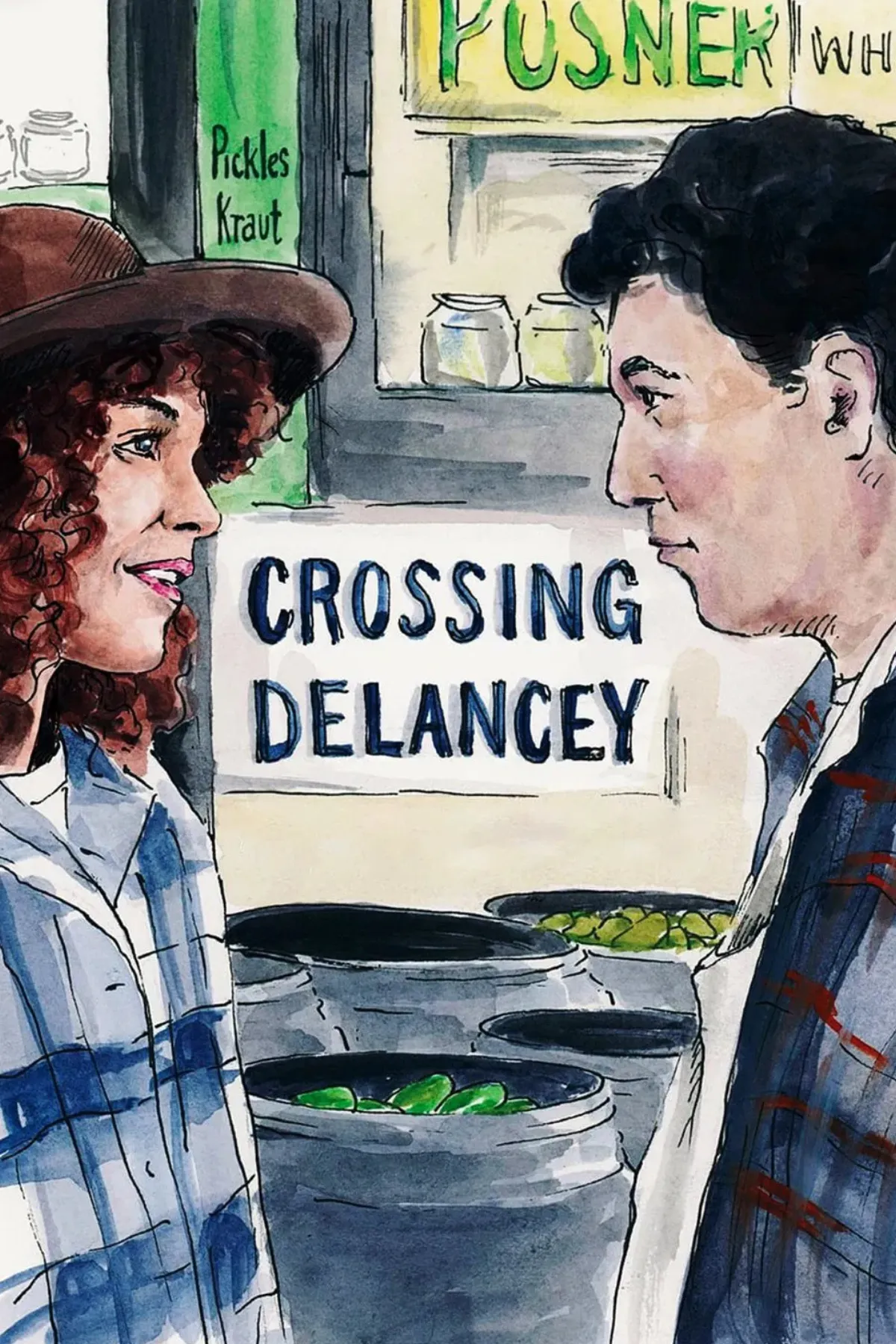
Crossing Delancey is the kind of romantic comedy that remembers what adulthood feels like. Joan Micklin Silver builds a world so specific that it becomes universal, a New York where bookstores, delis, and family kitchens carry as much weight as flirtations. The movie sits alongside the late eighties high points, close to Moonstruck and When Harry Met Sally…, yet it leans a little more serious and a little more tender.
The Killer
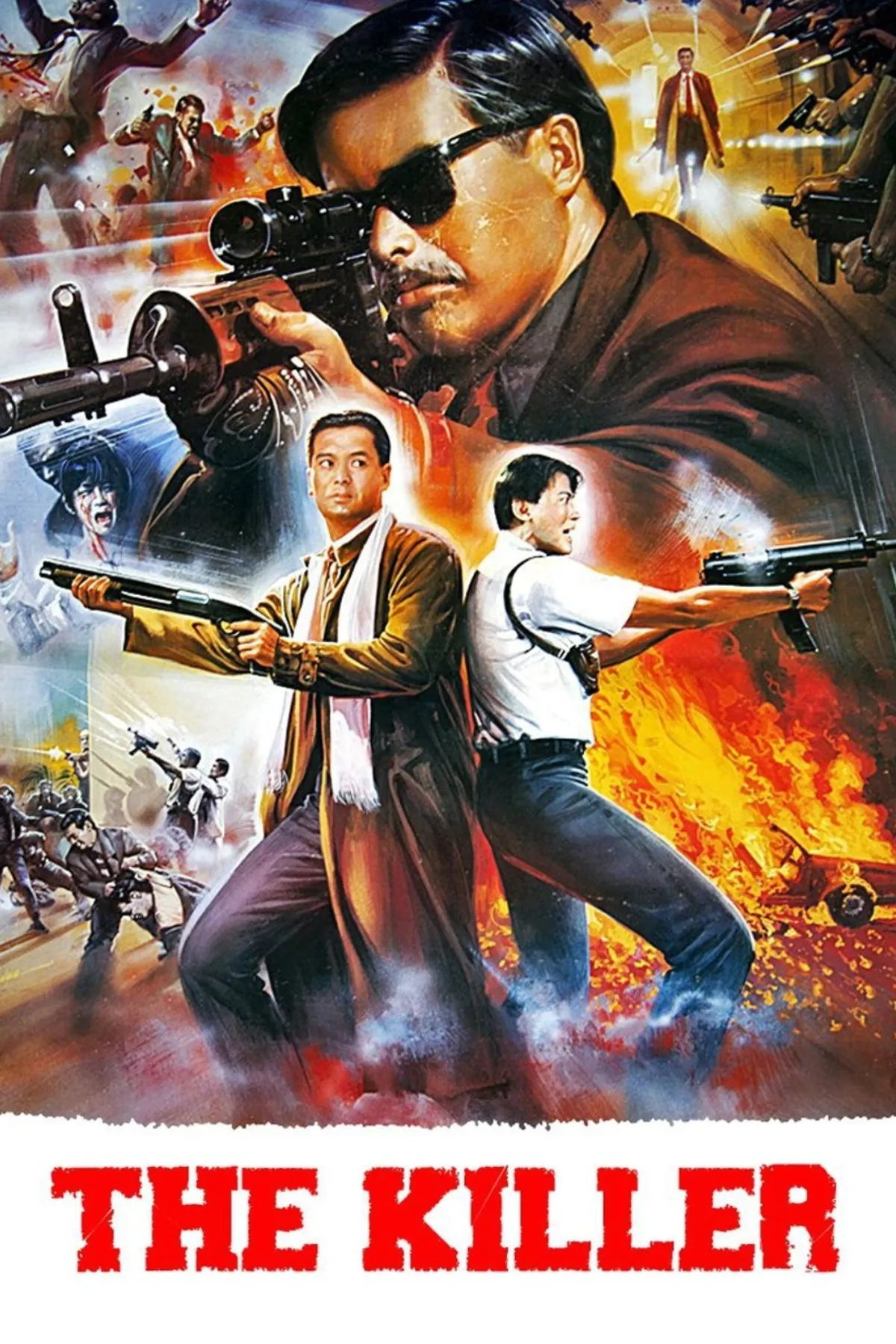
Some movies just have it. Some movies just have the juice. It is hard to quantify, but you know it when you see it. The Killer is that kind of lightning-in-a-bottle movie, and it feels like the moment John Woo fully crystallizes every motif he had been building toward across the 1980s. If A Better Tomorrow is the spark and A Better Tomorrow II is the messy explosion, The Killer is the operatic synthesis. A film that could only be made by John Woo, at the peak of his powers, with the kind of confidence that turns an action picture into an instant template other filmmakers will spend decades borrowing from.
Twin Peaks: Fire Walk with Me
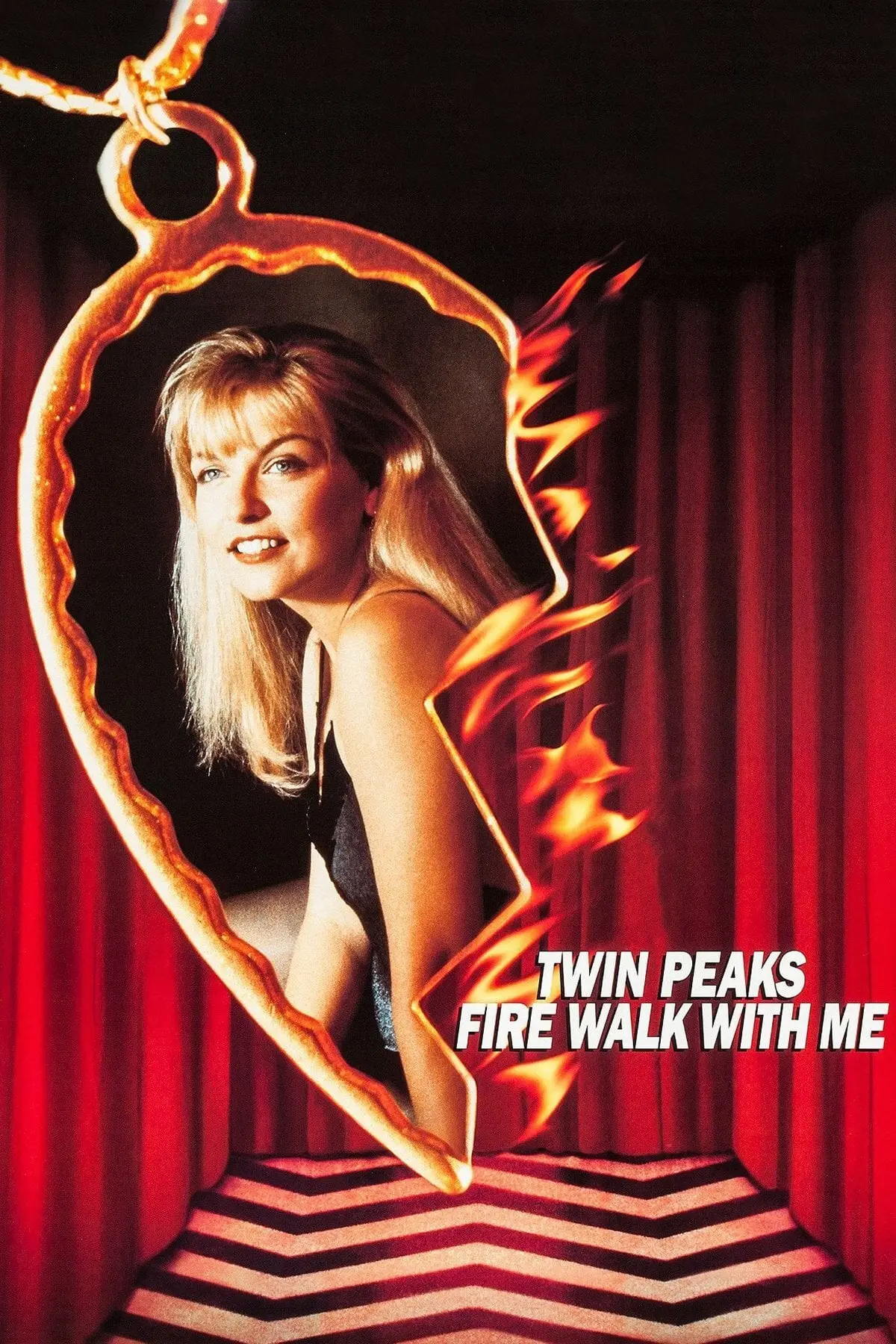
A sense of dread and despair blankets the entirety of Fire Walk with Me, the prequal movie centered on the torment and inevitable death of Homecoming queen Laura Palmer in the fictional town of Twin Peaks, Washington. There’s little fun to be had as much of the movie descends into a few frightening subplots with characters hiding dark secrets.
Dazed and Confused

There’s a short, short list of movies that, in the moment, feel like the greatest thing you’ve ever seen. Richard Linklater has somehow made a few of them across a decades-long career, and I’m not sure he’s ever been more locked-in than with Dazed and Confused. It drops you into 1976 on the last day of school, where the soon-to-be seniors are running the show and the incoming freshmen are about to take the brunt of hazing rituals that are passed down like some warped tradition. Then the sun goes down, the cars start cruising, the beer starts flowing, and the night stretches out into that specific kind of teenage summer freedom that feels infinite while you’re in it.
Bound
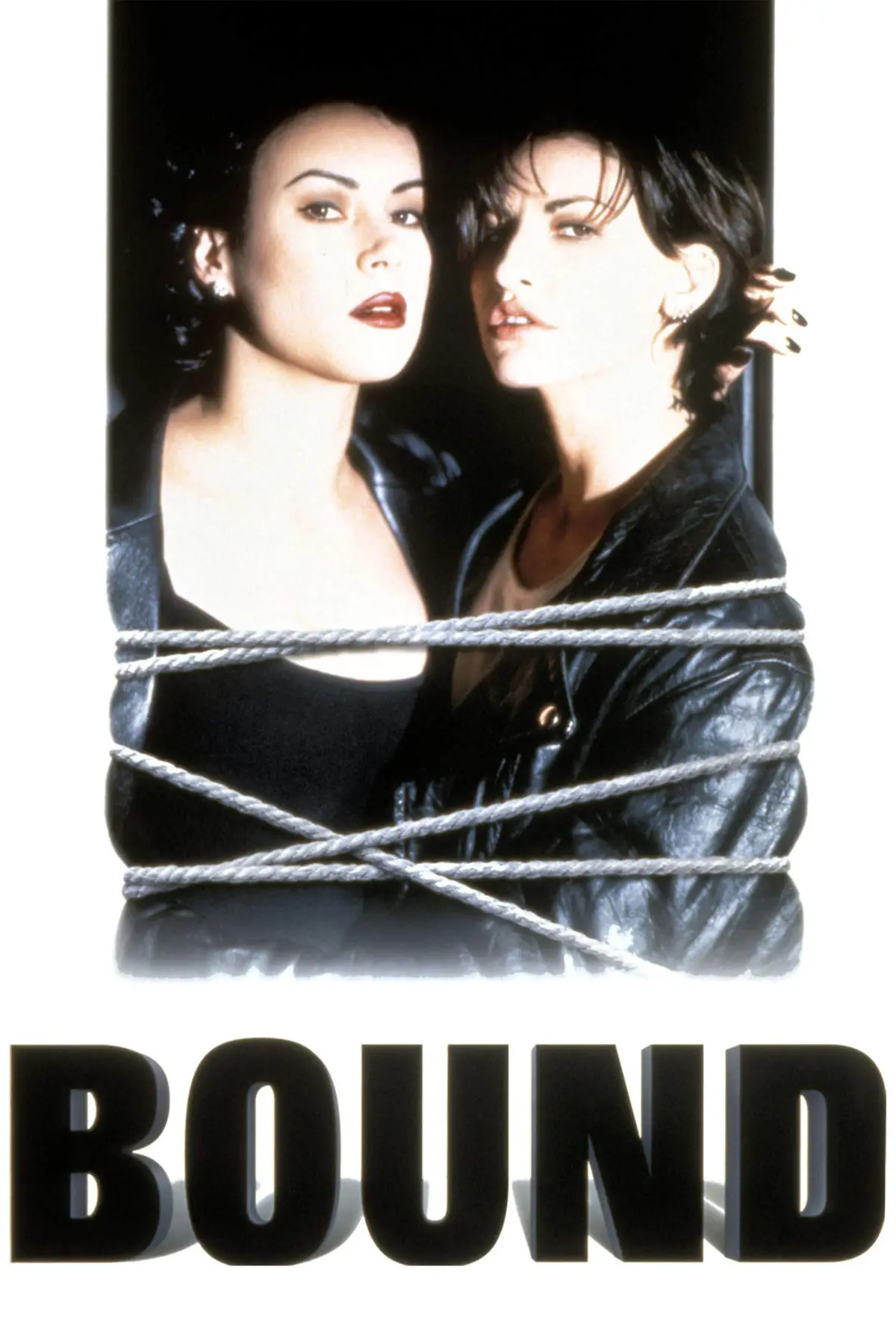
It’s hard to argue the Wachowskis ever made a movie as defining and revelatory as The Matrix, but to offer a film as succinct as Bound right off the bat is a generational accomplishment, and easily one of the best movies of 1996.
Pulse

Kiyoshi Kurosawa‘s Pulse feels as though its the little brother to Cure, his cult hit now hailed as a classic decades later. Pulse carries with it that same eerie, atmospheric energy that serves to envelop you and disturb you. There isn’t much to Pulse that is out and out terrifying as it moves at its own mundane pace and rarely relies in sonic cues to make its impact. Instead, Pulse works almost entirely because of Kurosawa’s offbeat pacing and intricate combination of editing and shot selection.
Y tu mamá también
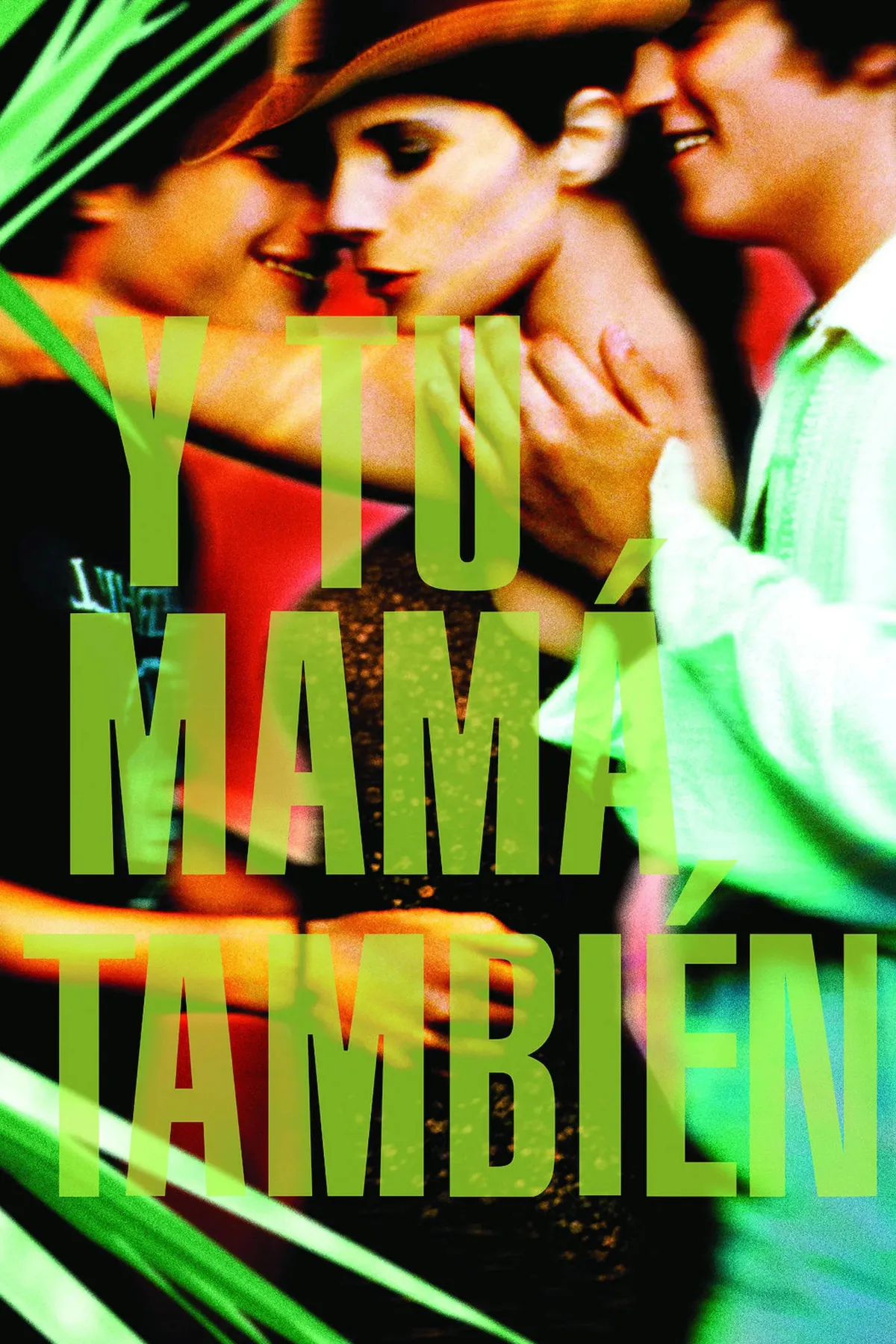
Alfonso Cuarón has always been a filmmaker I’ve felt a degree of emotional distance from, and I won’t pretend that’s fully resolved with Y tu mamá también. But it helps to see the film that catapulted him to international acclaim and understand exactly why it did. It digs a bit deeper than his blockbuster fare and a bit more humanly than his recent high-art output. Smaller by his current standards, but richer for it. And yeah – maybe it’s time to give Children of Men another shot.
The Royal Tenenbaums
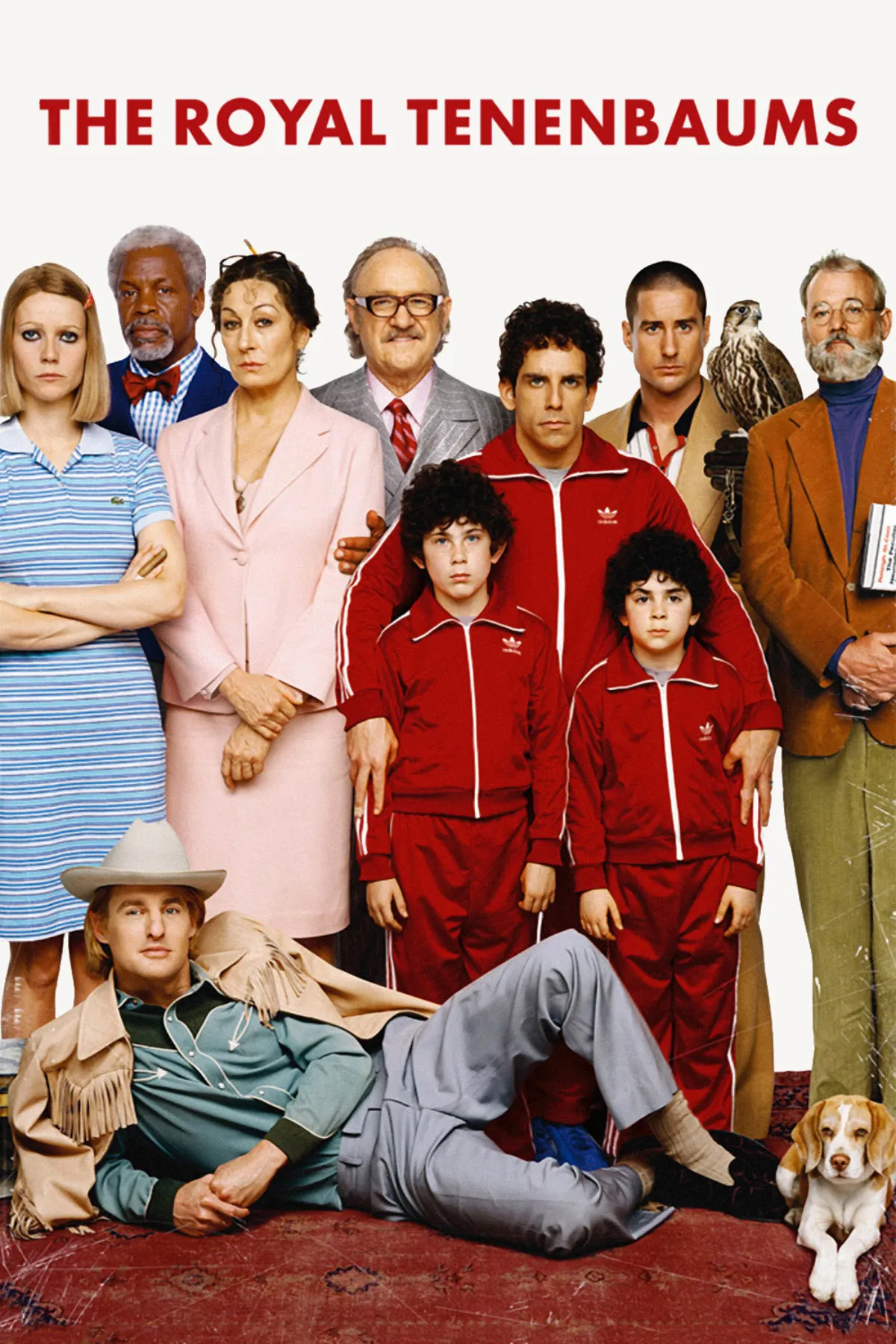
The Royal Tenenbaums not only stands as one of Wes Anderson’s best movies of his career, but also a defining work of the independent filmmaking scene in the early 2000s. It’s dripping with color and visual intensity, masking a story with deep themes of broken families.
Memories of Murder
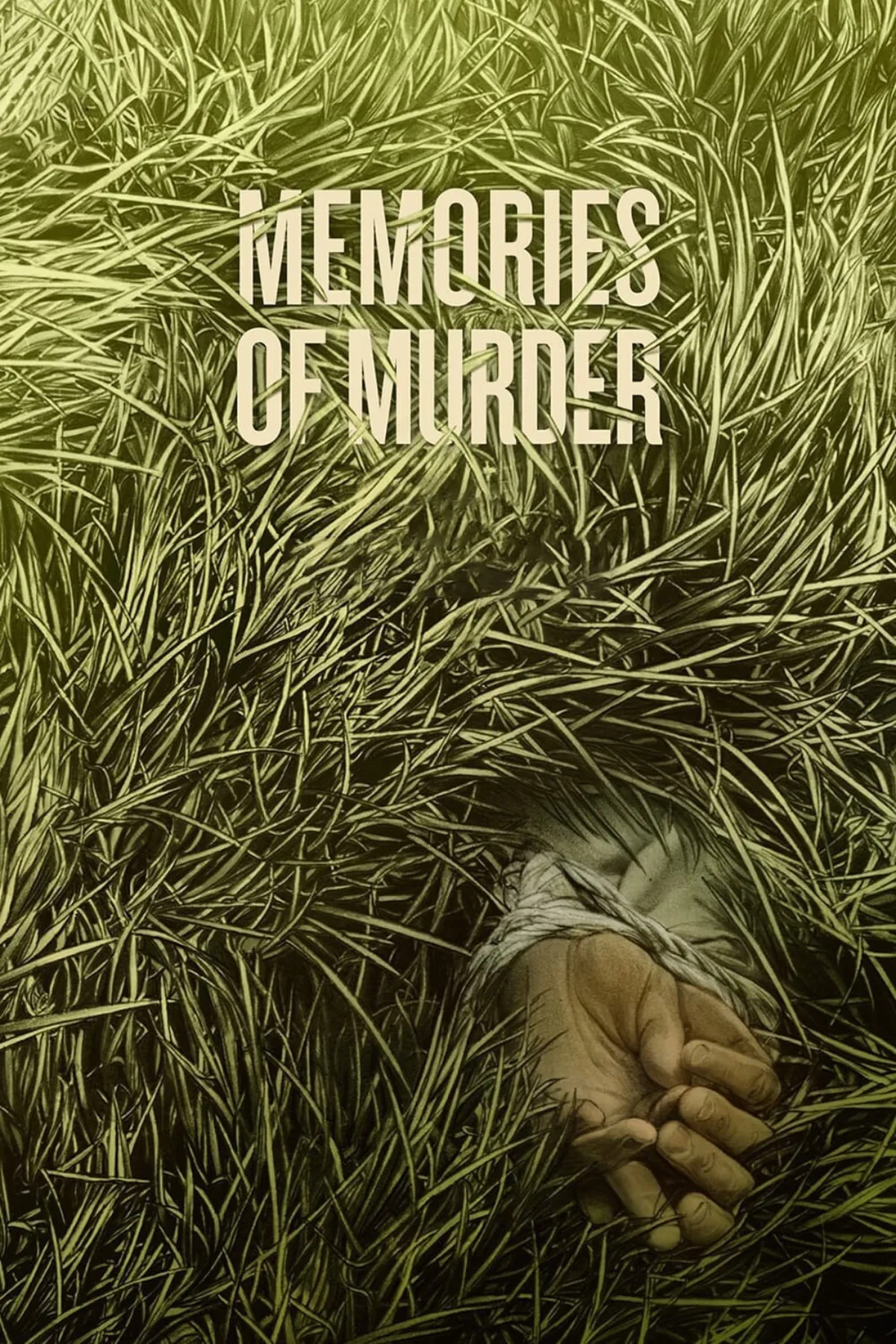
Memories of Murder remains my favorite of Bong Joon-ho’s films, narrowly edging out Parasite, and is a testament to his unparalleled ability to weave societal critique into gripping narratives. Few movies are as chilling, as masterfully constructed, or as deeply affecting as Memories of Murder. Not just Bong’s best, but one of the best films ever made.
A History of Violence
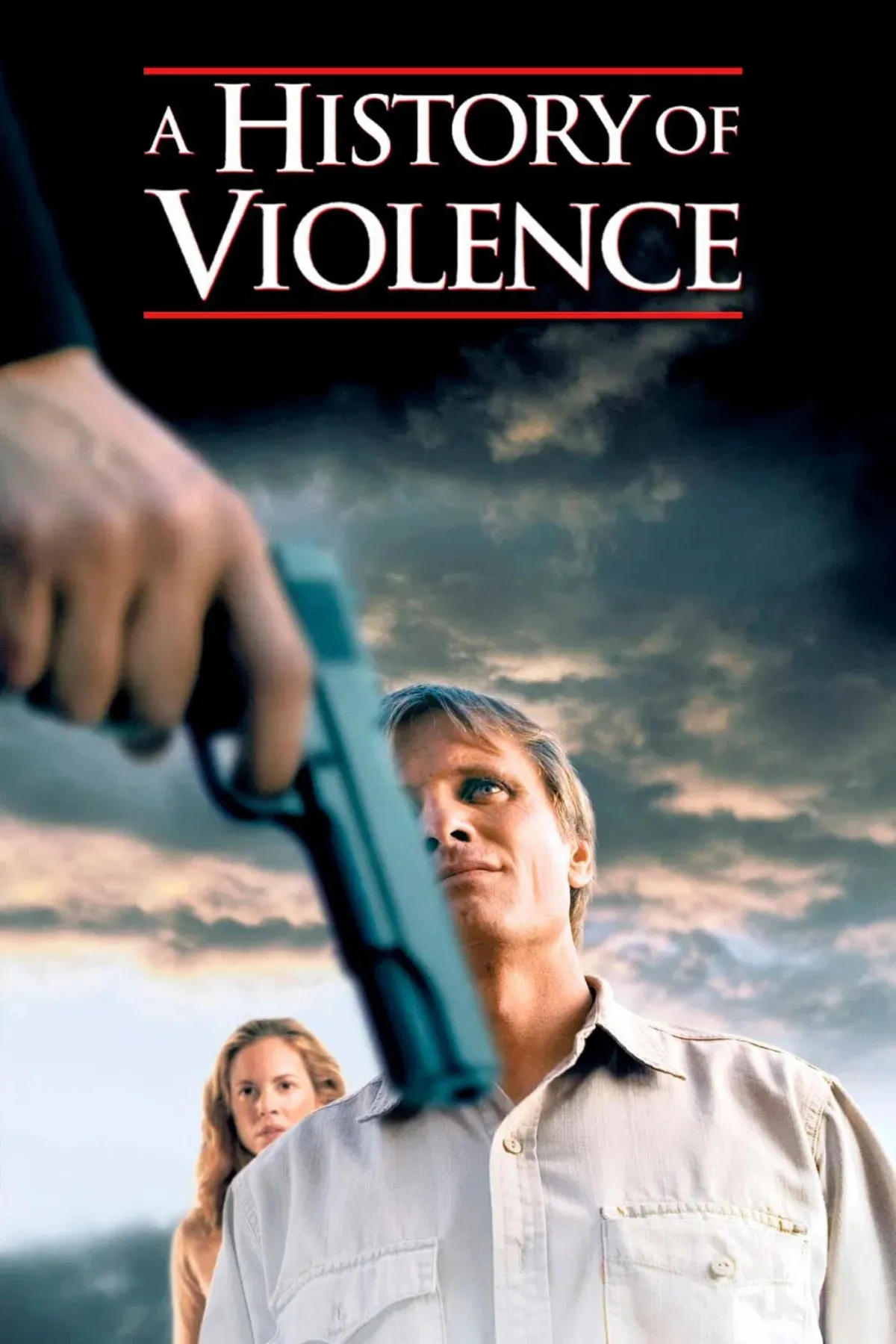
Leave it to David Cronenberg to deconstruct the mythical American hero with odd wit and clinical detail. A History of Violence looks like a small-town melodrama on the surface, then peels back skin to expose identity, impulse, and the stories we tell to survive. Viggo Mortensen gives one of his sharpest performances as Tom Stall, a soft-spoken diner owner whose quick, efficient dispatching of two spree killers turns him into a local legend and blows up the quiet life he has built with Edie, played with fierce tenderness by Maria Bello.
There Will Be Blood
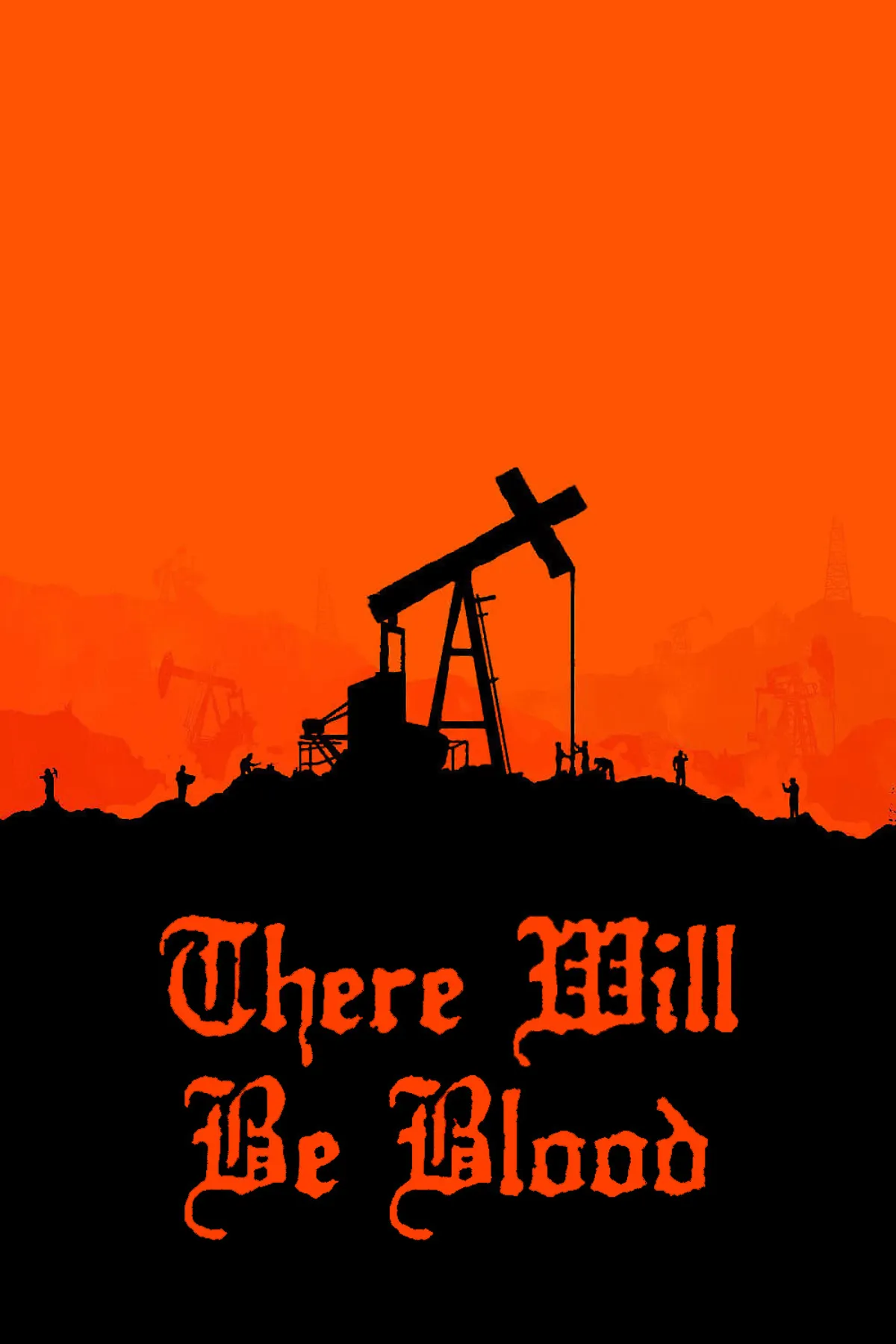
Calling this a canonical masterpiece is almost redundant, yet revisiting Paul Thomas Anderson’s There Will Be Blood still feels shockingly alive, starting with Daniel Day-Lewis, whose Daniel Plainview might be the defining screen portrait of American ambition curdled into misanthropy. From the wordless, pickaxe-and-broken-bones prologue to the baptism humiliation and the “I drink your milkshake” finale, Day-Lewis maps a soul corroded by competition until there is nothing left but the will to dominate.
The Social Network
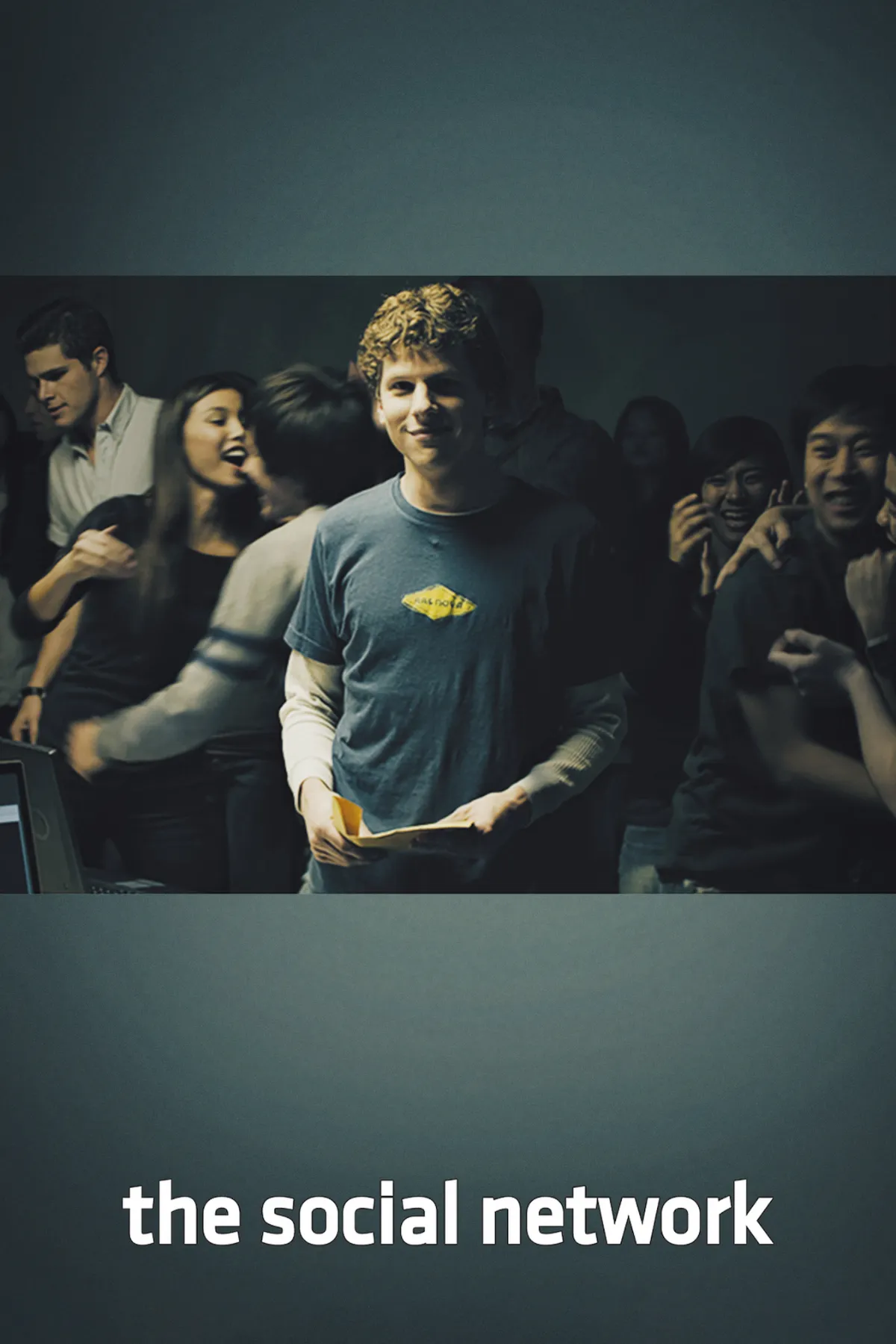
The Social Network might not be a “perfect” movie in a traditional sense, but it’s as close as any film has come in the 21st century. Directed by David Fincher and written by Aaron Sorkin, this 2010 masterpiece remains endlessly rewatchable, endlessly quotable, and deeply resonant in ways that continue to evolve with time. I’ve seen it more than any other movie—memorized its rhythm, its cutting dialogue, its thumping Trent Reznor and Atticus Ross score that pulses through every moment. It’s a film that never loses its edge, no matter how many times you revisit it.
Margin Call
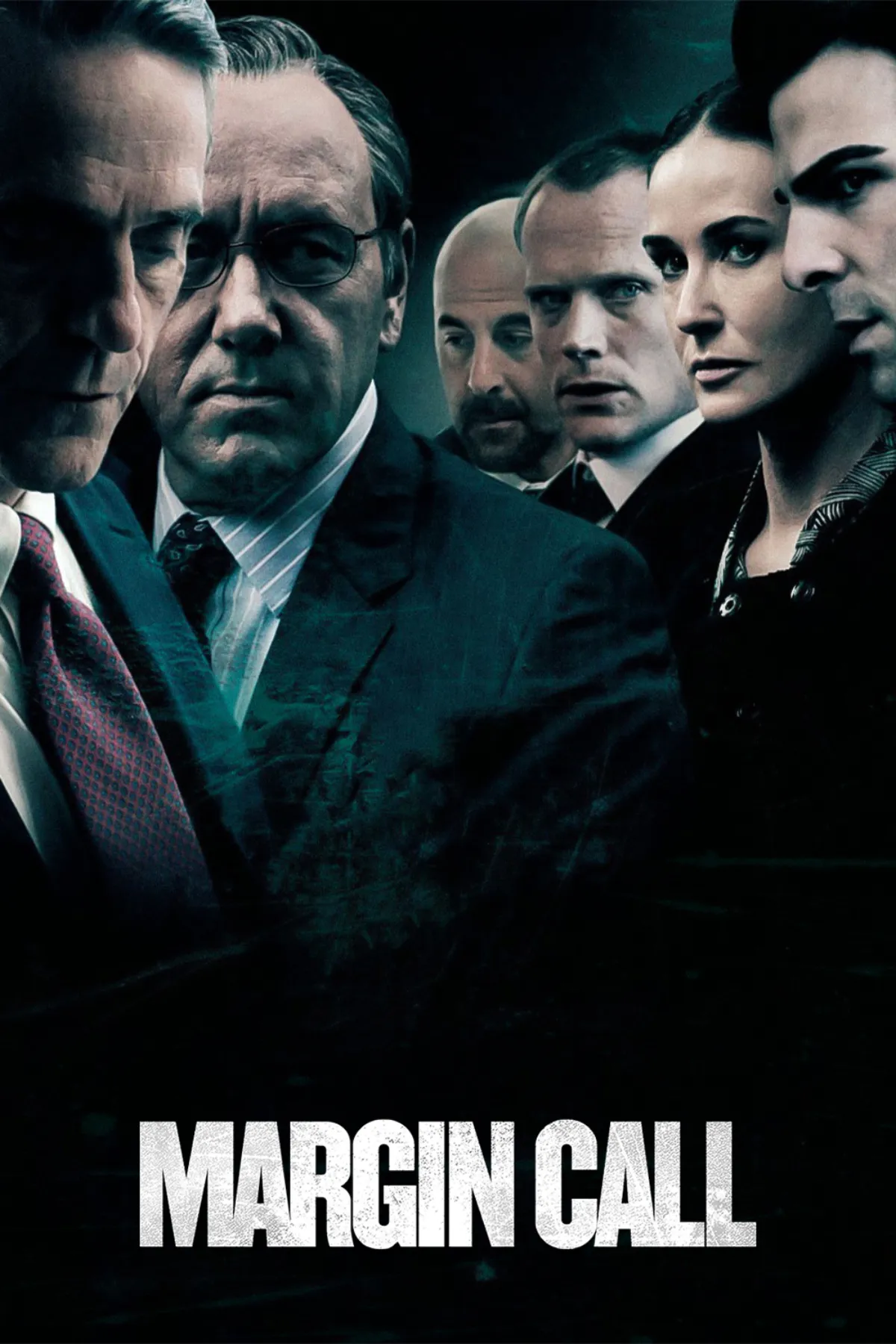
Margin Call never gets talked about as loudly as some of the “best of the 2010s” heavy hitters, but it is one of the best chamber pieces of its era. It is lean, tense, sharply acted, and morally bracing without being preachy. A reminder that J.C. Chandor, at his best, can make corporate decision-making feel like a thriller where the weapon is arithmetic and the body count is everyone else.
Inside Llewyn Davis
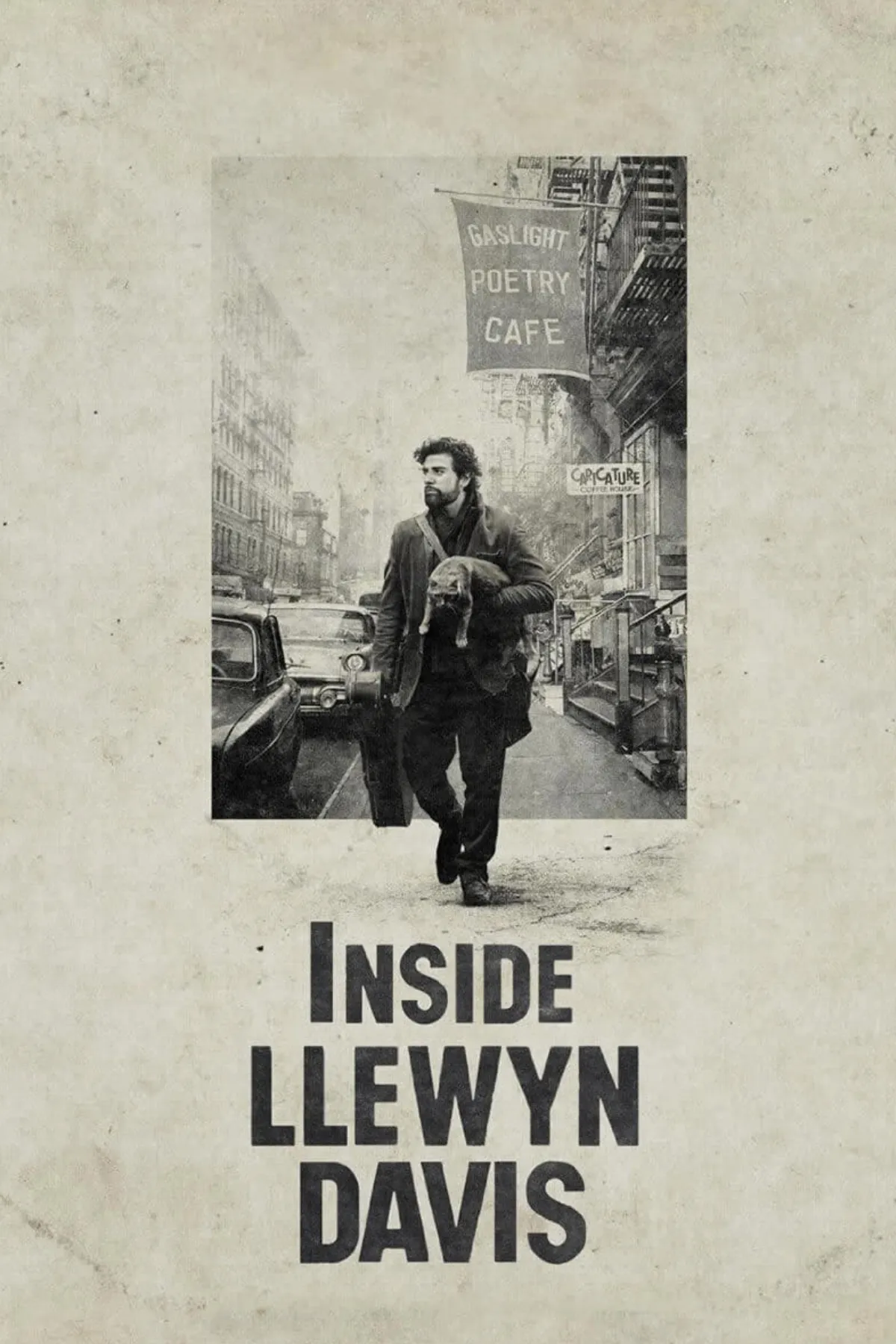
Inside Llewyn Davis is indeed a masterpiece of nuanced character study, where the Coen brothers bring their signature blend of dark humor, existential despair, and offbeat storytelling into a film that feels as emotionally resonant as it is stylistically unique. It’s a film that pulls no punches in portraying the painful, humbling reality of an artist struggling against not just the world, but also his own shortcomings. Llewyn Davis (played perfectly by Oscar Isaac) may be a man adrift, emotionally wounded by the loss of his partner, selfish and hard to like, yet he is also profoundly human, filled with raw talent and unfulfilled potential.
Phoenix

Among Christian Petzold’s consistently excellent work, Phoenix is still his crowning achievement—a film where everything, from its quiet pacing to its final devastating note, is perfectly calibrated. It’s one of the best foreign language films of the 2010s, and arguably one of the most essential films of the post-Holocaust cinematic canon. It reminds us that the most explosive revelations don’t always come with fire and fury, but with a single look, a single song, and the unbearable weight of finally being seen.
The Florida Project

The Florida Project isn’t just one of Sean Baker’s best films—it’s a modern indie masterpiece that has solidified itself as one of the defining movies of the 2010s. Released by A24 in 2017, it’s a stunningly poignant slice-of-life drama that immerses the audience in the sun-drenched but deeply flawed world of its characters. For me, this movie came at the perfect time, when I was just beginning to see film as more than entertainment and started engaging with it as an art form. It wasn’t just a gateway into Sean Baker’s career; it was a revelation that reshaped how I thought about storytelling on screen.
Burning
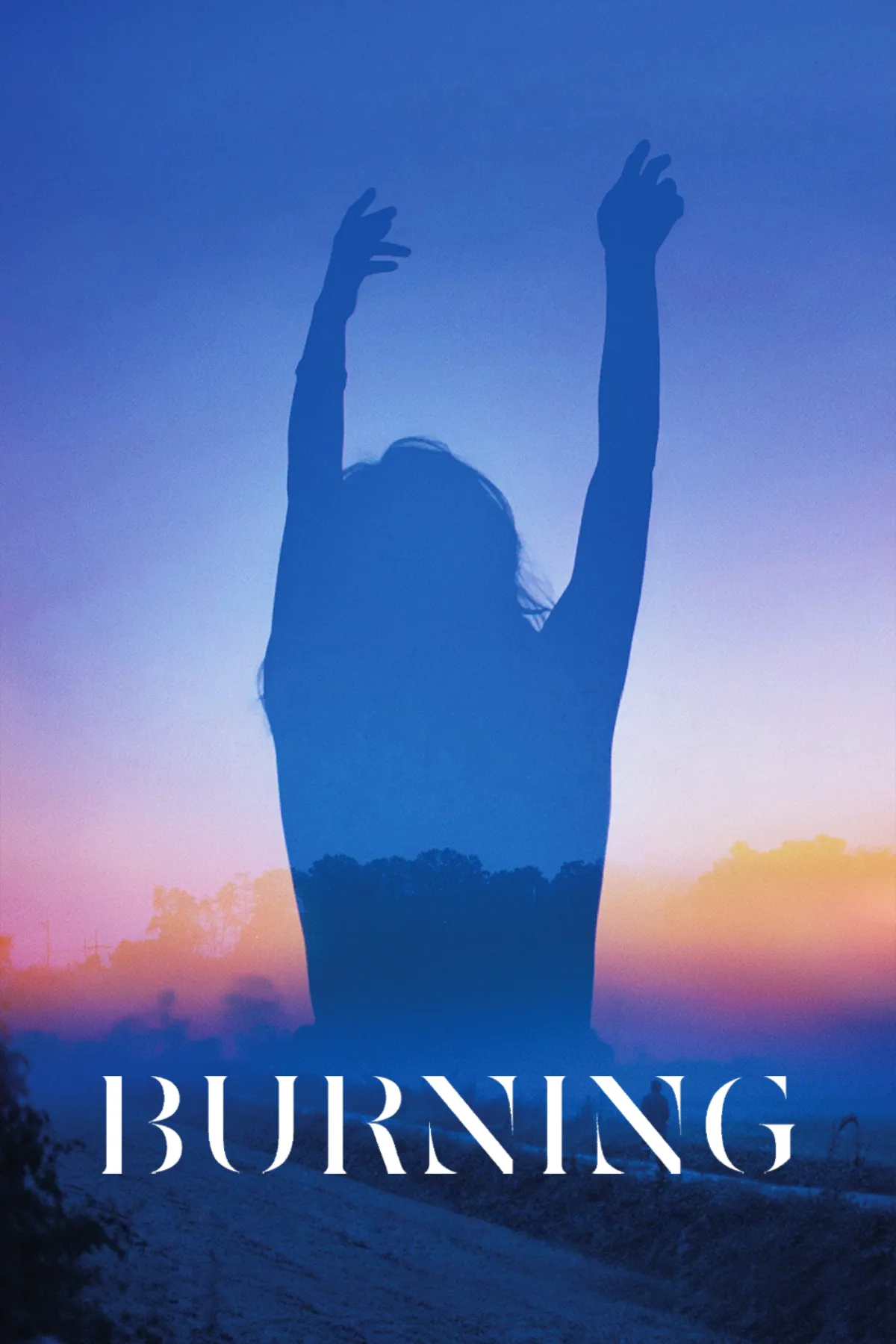
Every time I revisit Burning, it feels more precise. In 2018 it played like a film about alienation and class and masculine rage disguised as longing. Nearly a decade later, it feels just as current, maybe even more so because the world has only gotten noisier and the gap between certainty and truth has only widened. It’s one of the most timely films of the 2010s, and it might also be timeless, which is the more unsettling compliment.
Bacurau

What I admire most is how Bacurau stays entertaining without sanding down its politics. It is funny, strange, tense, and brutal, but it is never aimless. It uses influence without sliding into mimicry, and it never lets the story flatline. If The Secret Agent is Kleber Mendonça Filho capitalizing on an international platform, Bacurau is the proof of concept that he earned it.
Nope
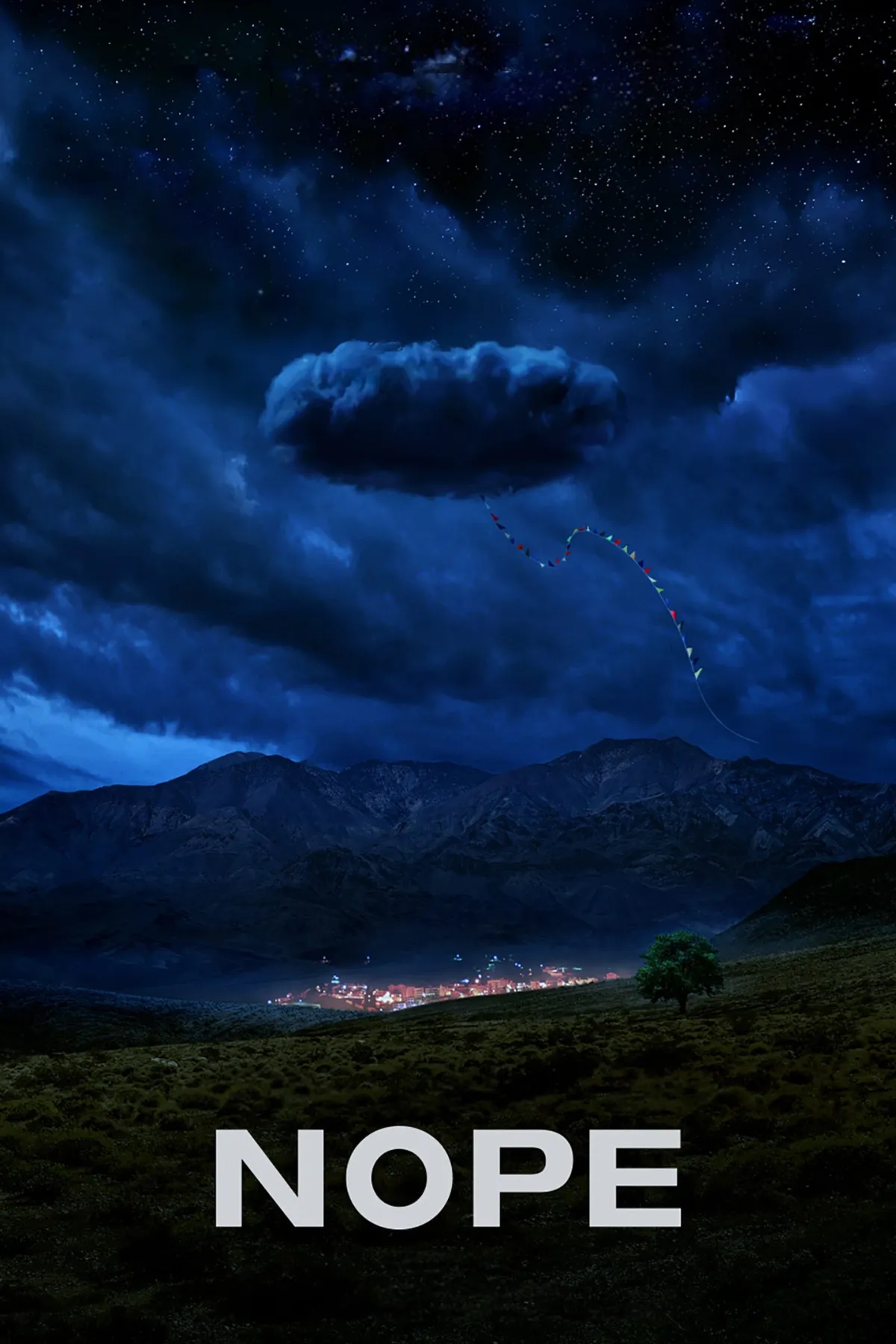
Nope delivers on its promise of spectacle. Its set-up helps deliver one of the most rewarding third acts of the year, and one I’ll surely return to in years to come. Those don’t come around very often, only a handful of films lend themselves to repeat viewings, and Nope is certainly one of them. A dazzling and hypnotic viewing, and one that doesn’t leave your mind once you leave your theater. The best films make you think, and Jordan Peele‘s Nope gives you plenty to sink your teeth into.
I Saw the TV Glow
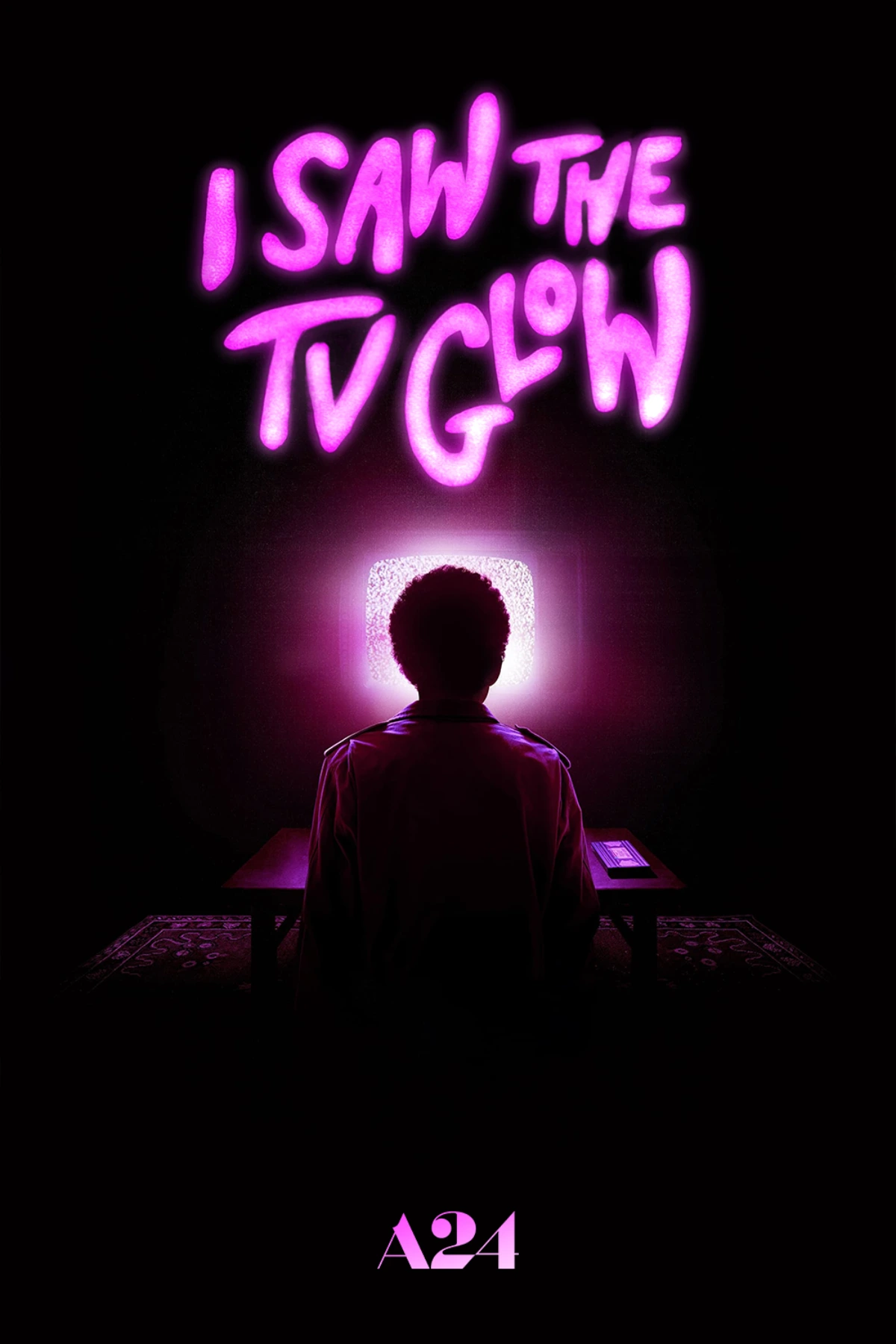
I Saw the TV Glow is one of the best movies of 2024, showcasing exactly what independent filmmaking can be when handled by the right people. A24 adds another riveting drama by a fascinating young auteur to their trophy case, and Jane Schoenbrun announces themselves as an important and singular filmmaker to look out for moving forward.
READ MORE: Best Movies of the 2010s, Best Alien Movies of All Time