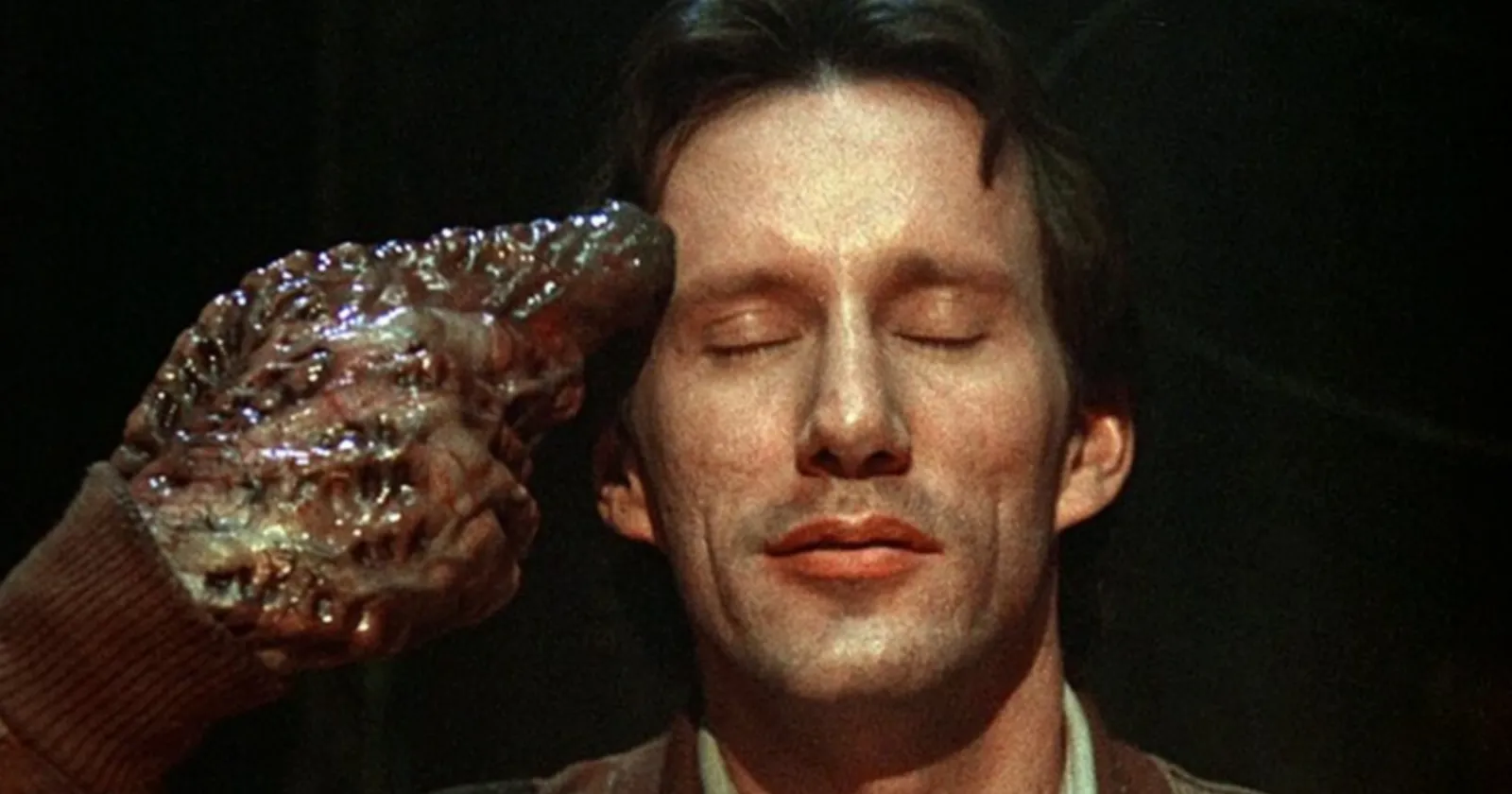
Videodrome can be scary, but it is probably better described as disturbing, grotesque, gory, and psychologically unsettling than traditionally frightening. David Cronenberg’s body horror classic follows Max Renn, a television executive who becomes obsessed with a mysterious broadcast called Videodrome, only to discover that the program is connected to a much larger and more disturbing conspiracy. The movie combines science fiction, psychological horror, and graphic body horror, creating an increasingly surreal experience that can be difficult to shake.
READ MORE: The Best David Cronenberg Movies, Ranked
Much of the horror in Videodrome comes from its graphic imagery and Cronenberg’s fascination with the human body. The film features grotesque practical effects, disturbing transformations, and imagery involving wounds, flesh, and technology merging together in increasingly bizarre ways. Rather than relying on conventional monsters or supernatural threats, Cronenberg makes the human body itself the source of horror. The movie also explores themes surrounding television, violence, sexuality, and media manipulation, giving its disturbing imagery a deeper psychological edge.
READ MORE: Our review of Videodrome
Are There Jump Scares in Videodrome?
There are very few traditional jump scares in Videodrome. The movie is much more concerned with slowly making the audience uncomfortable through surreal imagery, body horror, and Max’s increasingly warped perception of reality. There are certainly moments that can be shocking, particularly when the film reveals some of its more grotesque practical effects, but they generally are not designed to make the audience suddenly jump. For viewers who enjoy horror movies like The Fly or other Cronenberg films, Videodrome is likely to feel more disturbing and bizarre than outright scary. Its imagery, however, can be extremely memorable, especially for anyone who is sensitive to graphic body horror.
READ MORE: 10 Body Horror Movies Like Videodrome