Here are Cinephile Corner’s 10 recommendations for movies like The Life List:
We Live in Time
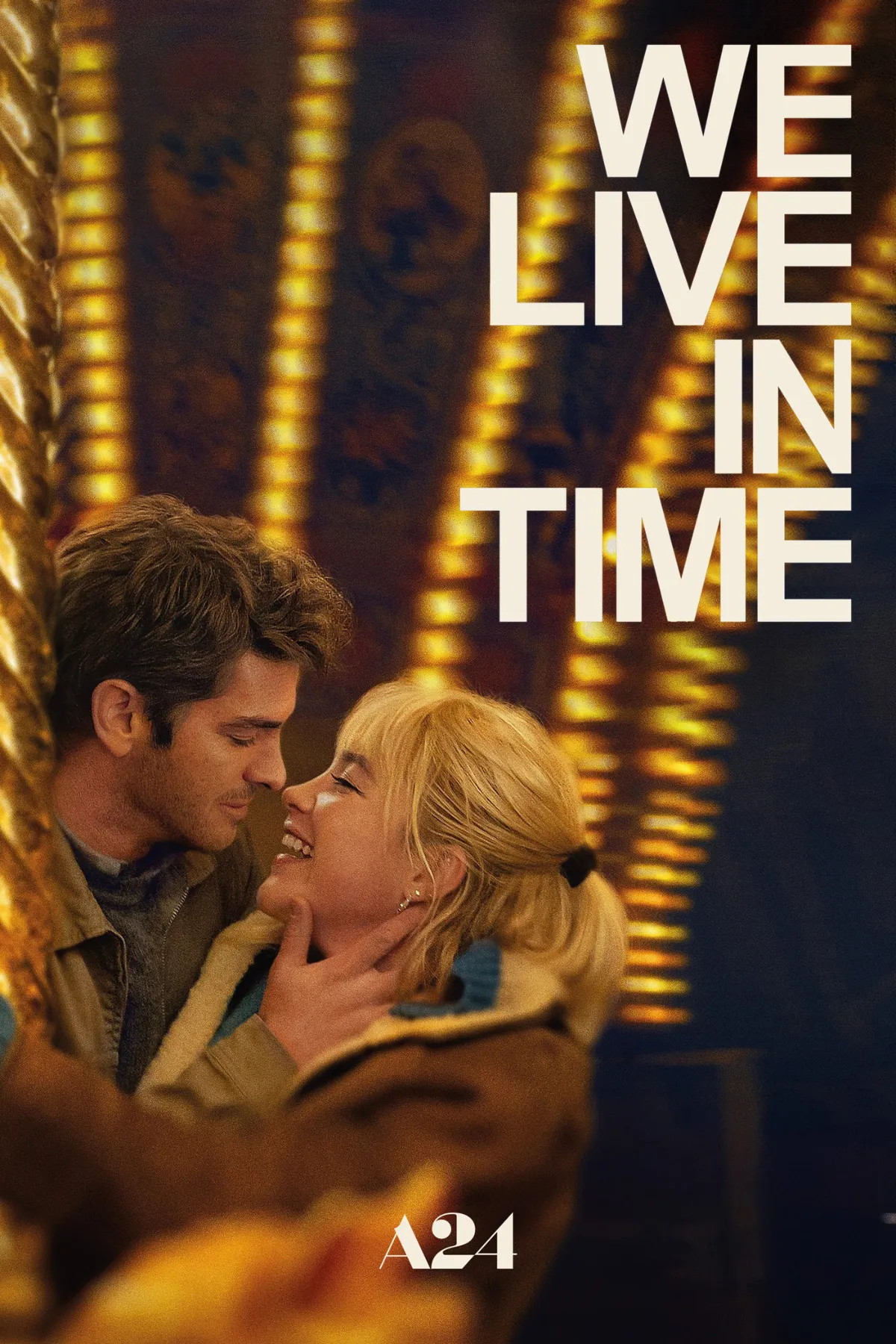
A movie like We Live in Time really shouldn’t work. The overly sentimental cancer drama is a well-trodden path, with its fair share of genuinely touching entries but even more bogged down by predictability and melodrama. We Live in Time doesn’t completely avoid these familiar pitfalls, as it leans into some of the same cheesy tropes that often plague this subgenre.
The Fabelmans
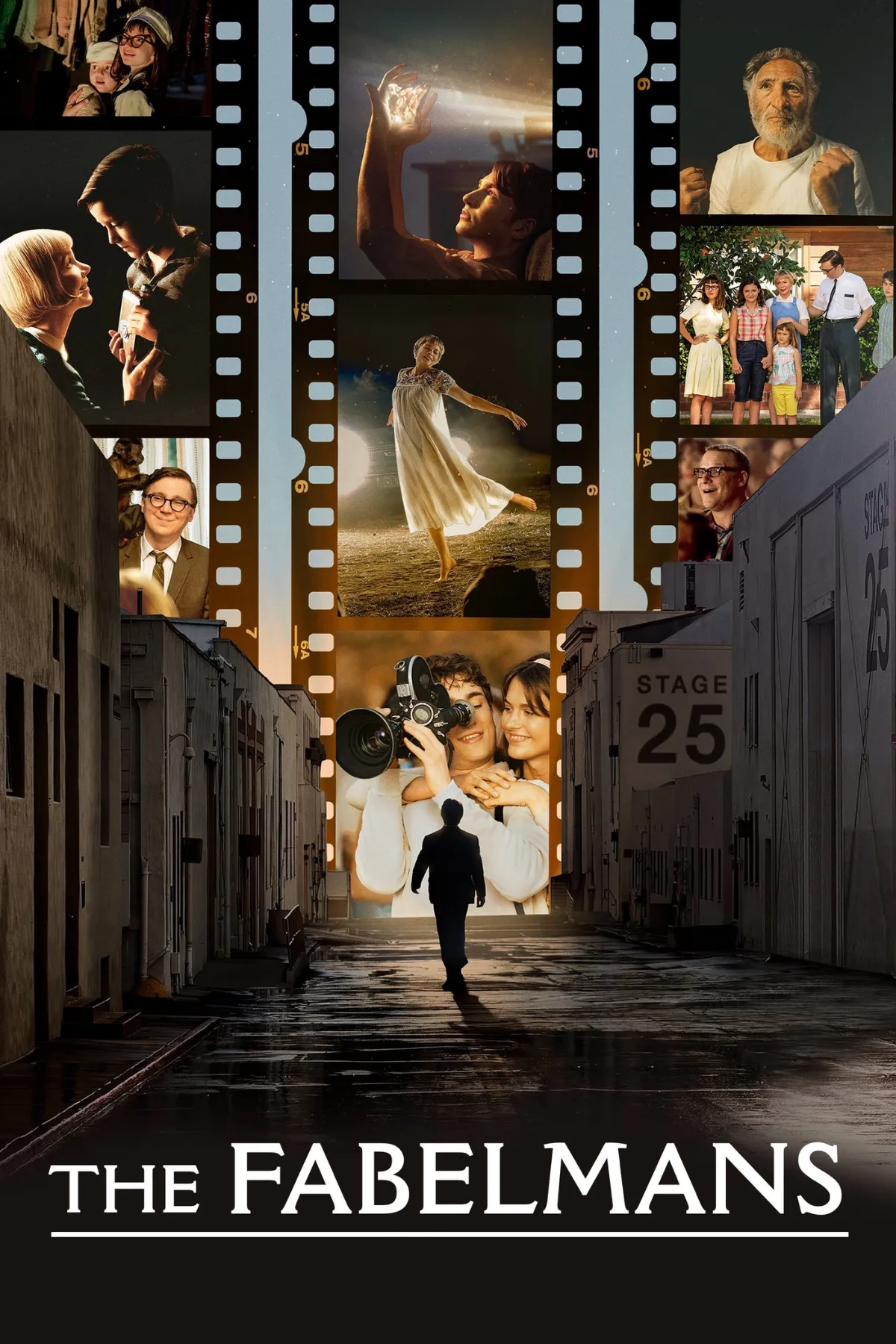
The Fabelmans, Steven Spielberg’s latest movie, effectively mines through his childhood to examine his love for film. A complex set of ideas mixed in a way only the master filmmaker could pull together.
Punch-Drunk Love

Paul Thomas Anderson’s Punch-Drunk Love is the rare romantic comedy that hums like a live wire. The movie finds Anderson collapsing love and rage into the same nervous system, paring down the sprawl of Magnolia to something smaller, stranger, and sharper. The film’s scale is modest compared with Boogie Nights or There Will Be Blood, but its voltage is unmistakable—an anxious fairytale painted in glowing blues and reds, propelled by Jon Brion’s jittery, percussive score and bursts of abstract color.
The History of Sound

Oliver Hermanus’ The History of Sound is defined by its restraint, almost to a fault. For a film centered on a romance between two men traveling the U.S. in the late 1910s to capture music, it feels surprisingly muted, with its emotional undercurrents often simmering too quietly to ever fully ignite. On paper, the pairing of Paul Mescal and Josh O’Connor—two of the most compelling actors of their generation—should be electrifying. In practice, both give strong performances, but the film rarely provides them with material that resonates beyond fleeting moments.
Materialists
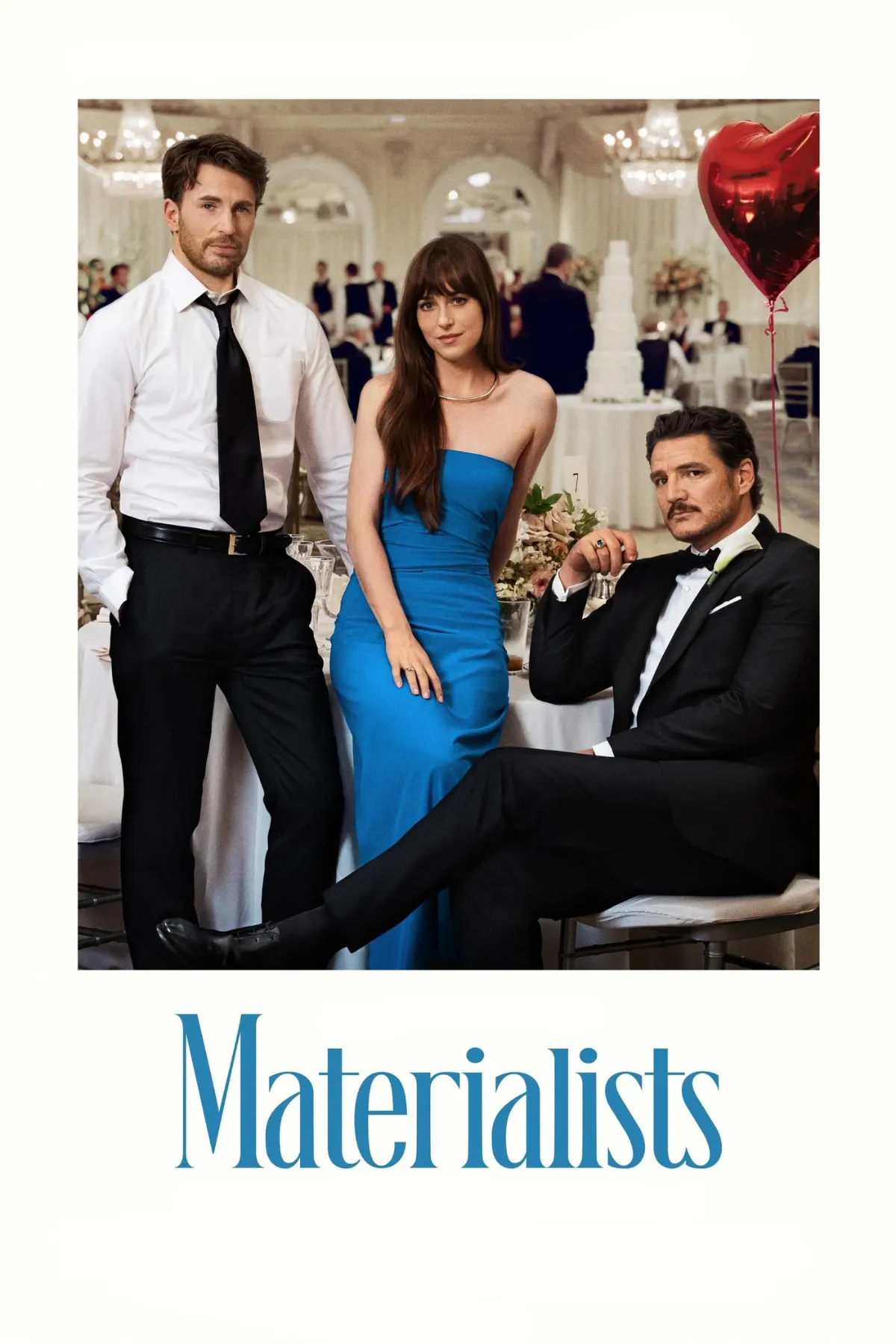
Materialists feels like a transitional work. It shows Celine Song experimenting with scale, ensemble dynamics, and new narrative textures—but it lacks the intimacy and precision that defined her first film. It’s a movie with moments that flirt with those same highs in small doses, but one that ultimately falls short. Still, it leaves me hopeful: the emotional territory Song wants to chart is rare in contemporary cinema, and while Materialists stumbles, it’s a sign that she’s aiming high. Her best films are likely still ahead.
The Beast
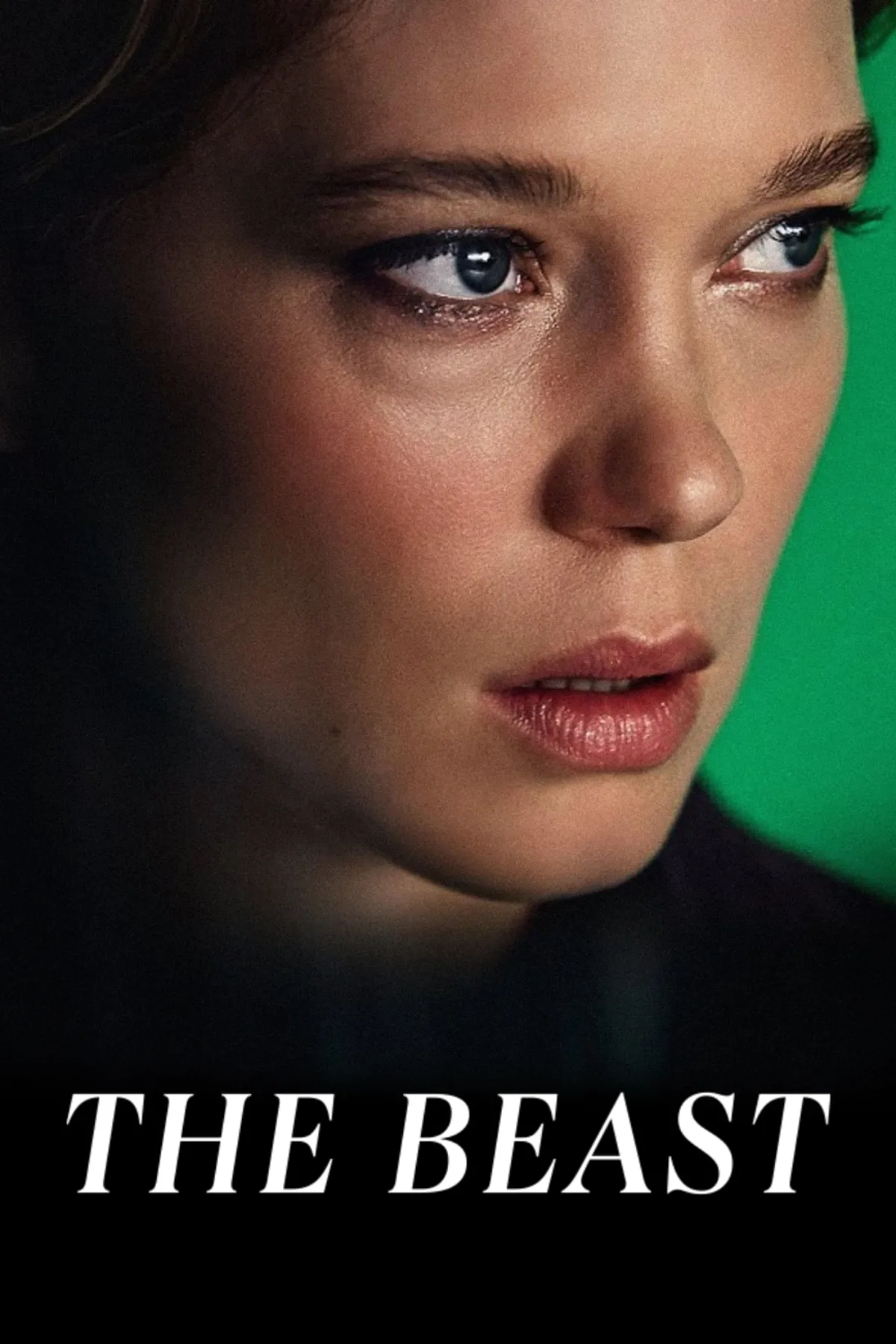
While The Beast won’t be for everyone, its risks are what make it so compelling. Bertrand Bonello is uninterested in tying up every loose end, but those narrative imperfections feel like deliberate artistic choices rather than missteps. The film constantly shifts shape, feeling at times like an anthology, a love story, a sci-fi thriller, and an existential drama all at once.
Fly Me to the Moon
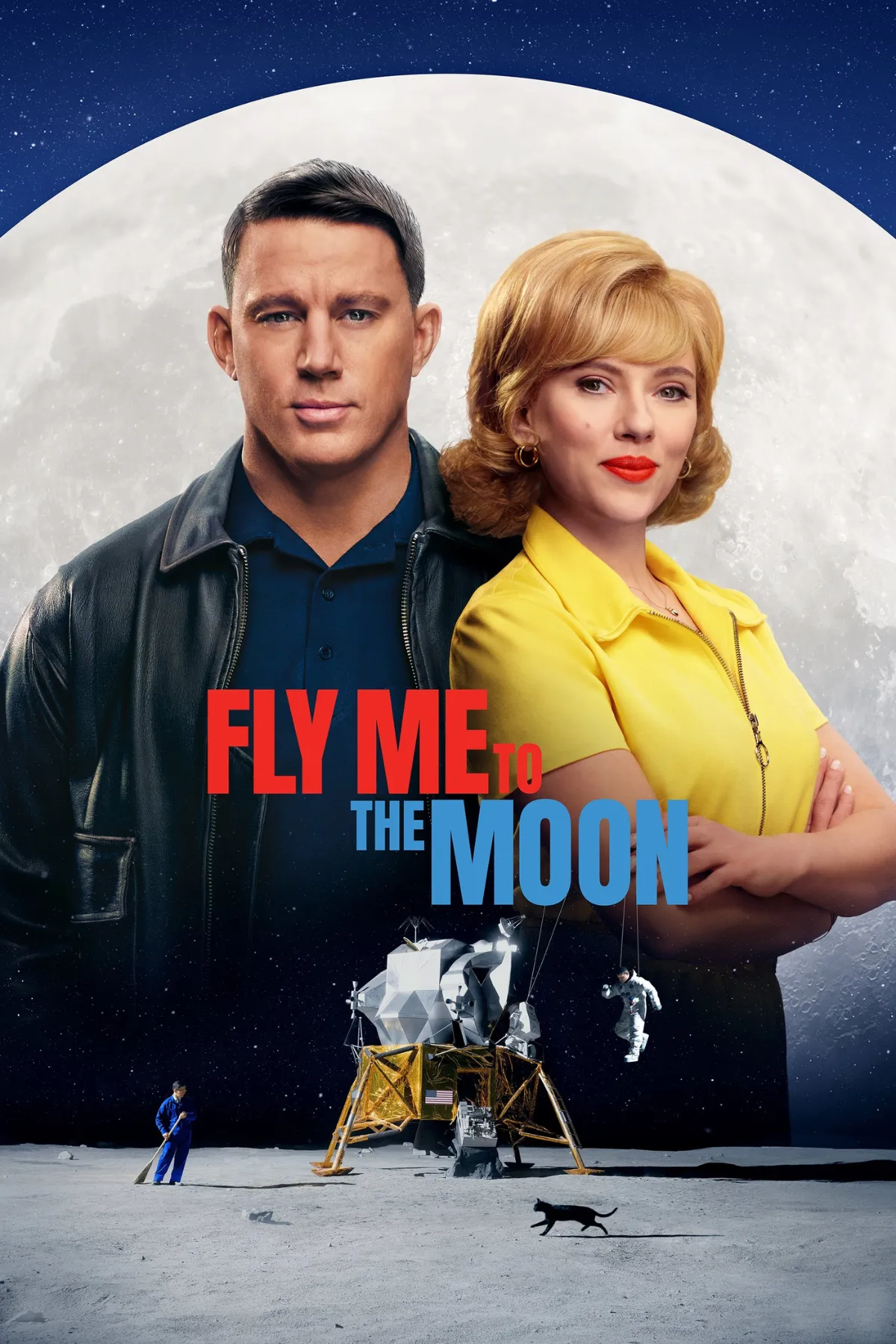
Rumor has it that Apple is stepping away from theatrical releases for their original movies, and the lukewarm reception of Greg Berlanti‘s Fly Me to the Moon may be a big reason why. Starring Channing Tatum and Scarlett Johansson, this romantic comedy set against the backdrop of the U.S.-Soviet space race seemed poised for success. It had all the ingredients for a financial hit: big stars, a pastiche-heavy style, and the kind of premise that could benefit from strong word-of-mouth. Yet, it never gained traction.
Queer

Luca Guadagnino‘s Queer marks a rare misstep for the director, whose previous works often blend emotional nuance with bold stylistic choices. Here, his signature flair feels disjointed, leaving the movie struggling to find its footing between fragmented chapters and mismatched performances. While Queer does boast a few clever moments and ambitious ideas, it ultimately falters in its execution, making it one of Guadagnino’s least cohesive films.
Preparation for the Next Life

Bing Liu’s Preparation for the Next Life is a patient, unvarnished drama about two people trying to build a life together with nothing to fall back on. After the nonfiction clarity of Minding the Gap, Liu shifts to narrative without losing the documentary instincts that made his debut so piercing. You feel that in the way the camera lingers on kitchens in Chinatown, cramped rooms, and the small rituals of work and survival. The story is familiar, yet the texture is specific.
Here
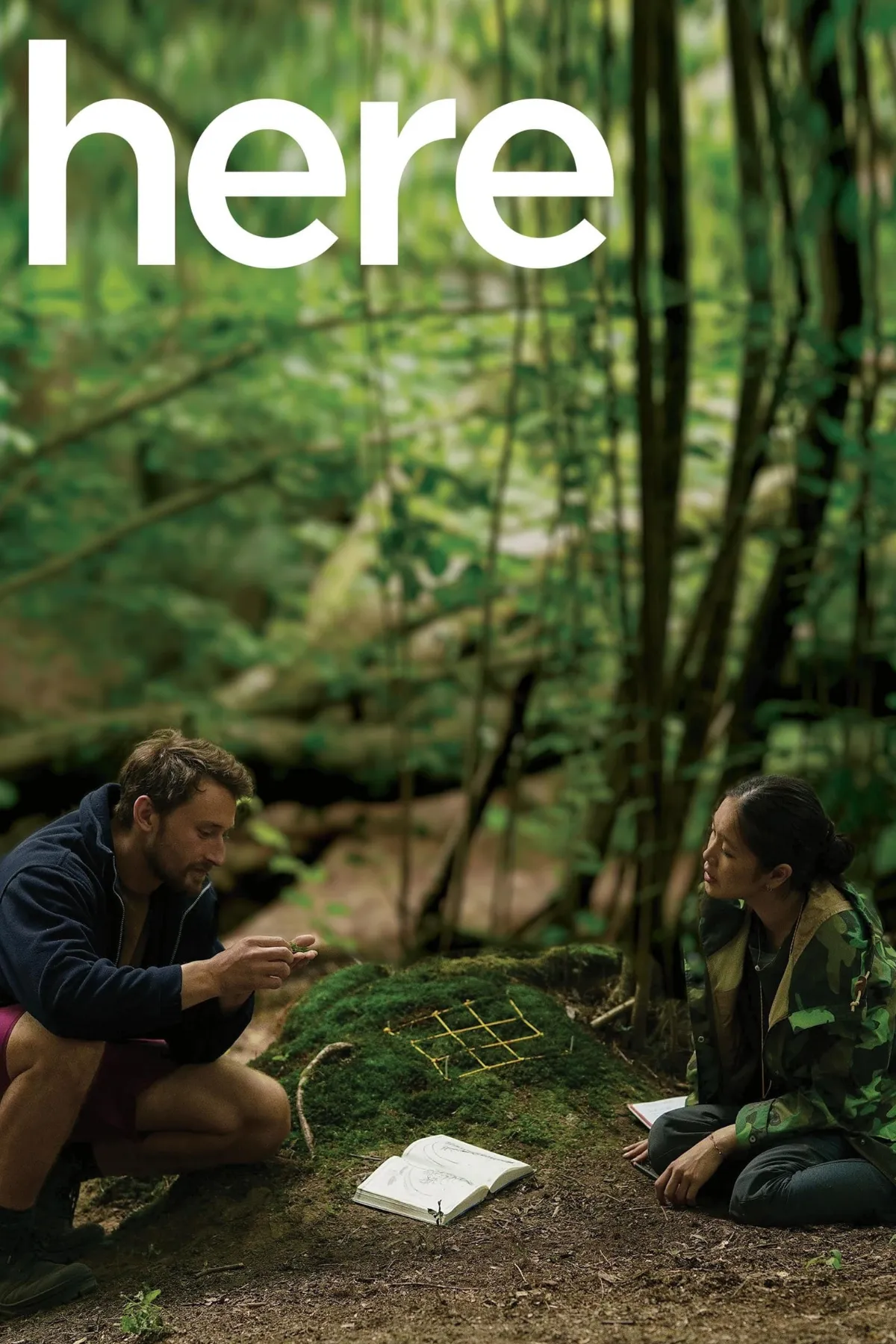
Bas Devos‘ Here is a subtle delight, the kind of film that quietly sneaks up on you and leaves an unexpectedly profound emotional impact. Its supremely melancholic and understated style might appear unobtrusive at first glance, but Devos has a talent for crafting movies that stay with you long after they are finished.