Here are Cinephile Corner’s 10 recommendations for movies like Inland Empire:
Mulholland Drive
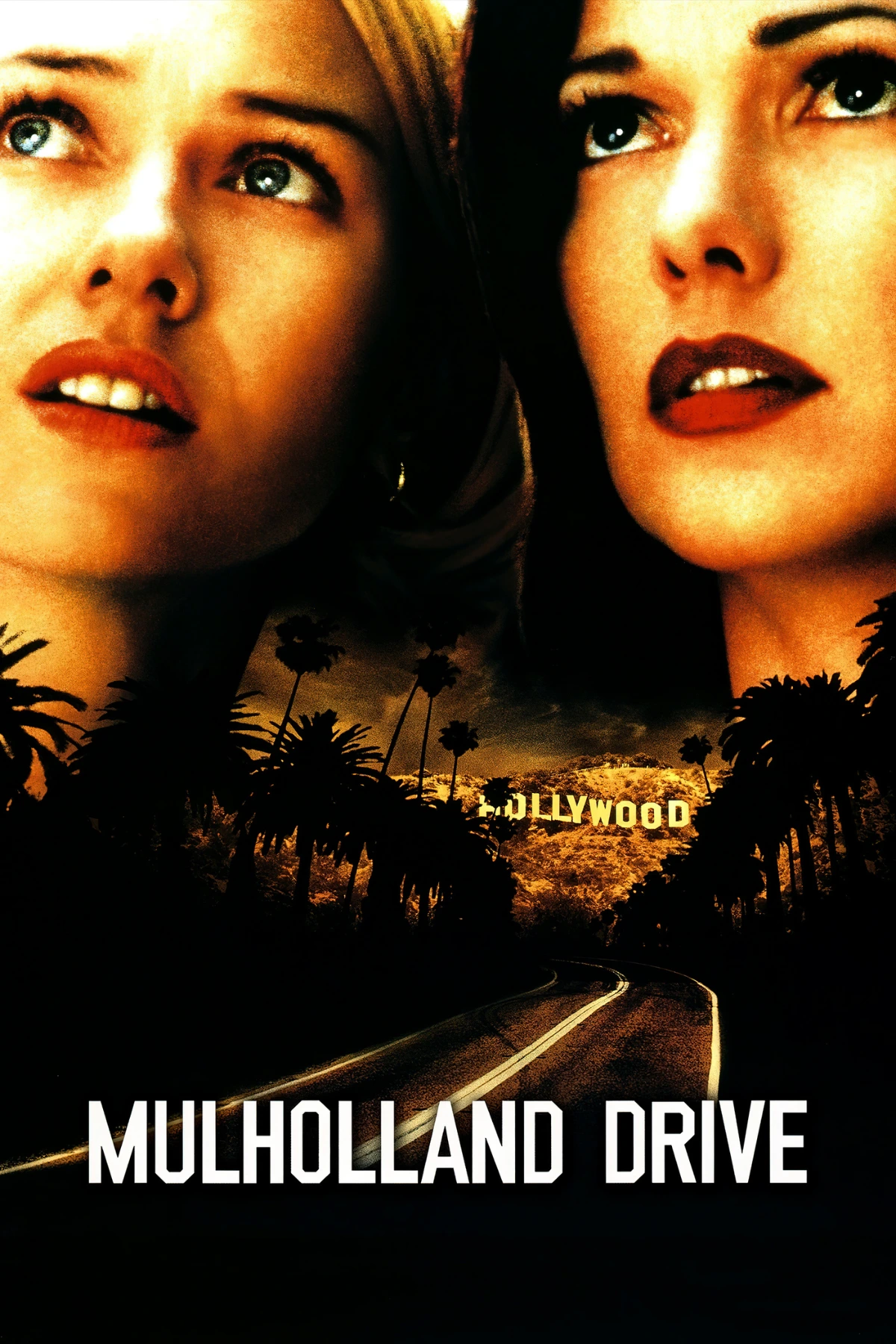
If Inland Empire is David Lynch’s most abrasive look at Hollywood, Mulholland Drive is its seductive older sibling. What began as a rejected ABC pilot became Lynch’s dizzying magnum opus, following an aspiring actress (Naomi Watts) and an amnesiac crash survivor (Laura Harring) until the film splits open into something far darker. Both movies are about actresses swallowed by the industry and by their own fantasies.
Pulse

Inland Empire was shot by Lynch himself on a standard-definition camcorder, and its smeary, low-resolution images are a big part of what makes it so frightening. Kiyoshi Kurosawa’s Pulse mines a similar kind of terror from degraded webcam footage and shadowy figures that move just a little wrong. It’s eerie, masterfully crafted, and endlessly lonely.
Beau Is Afraid
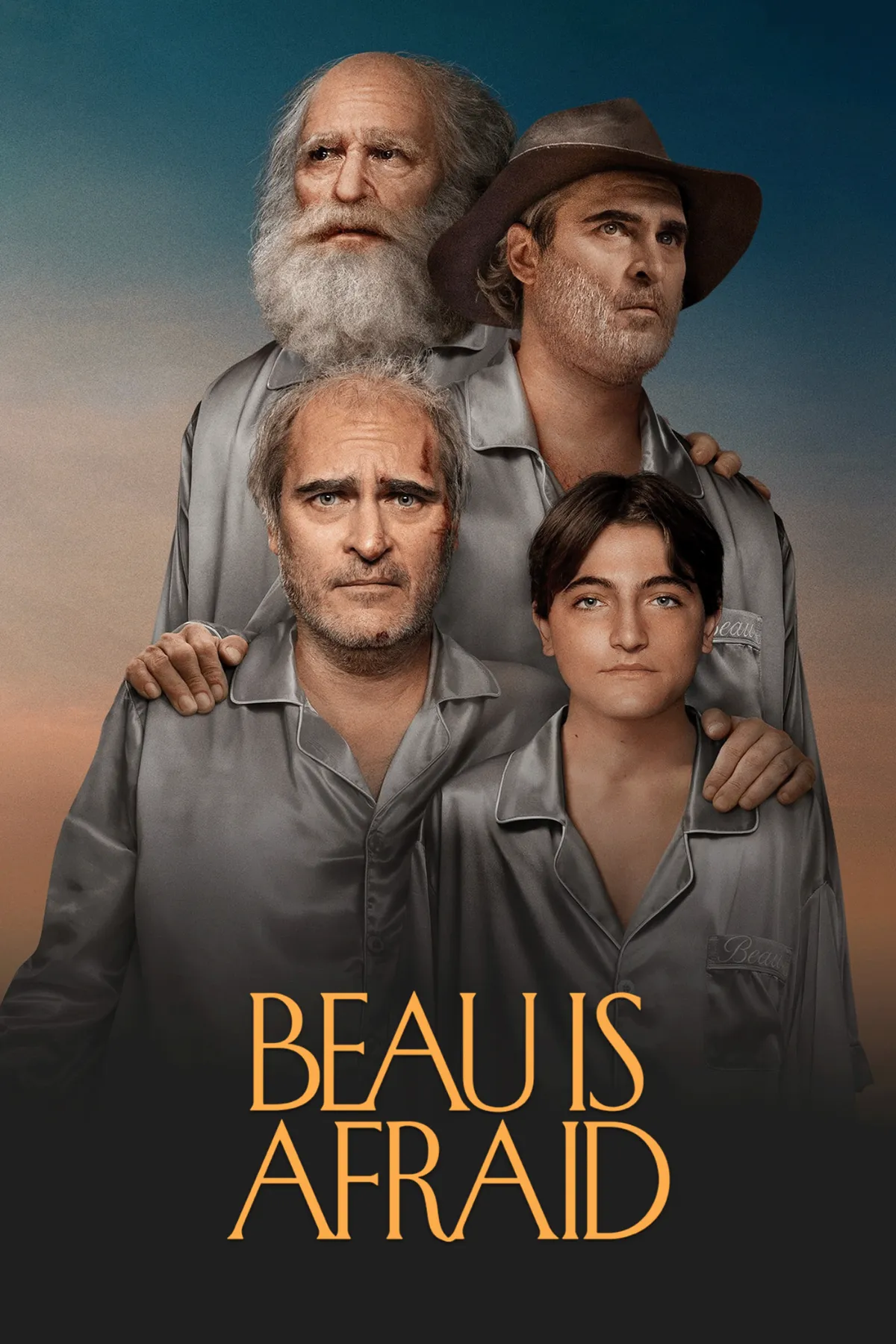
Ari Aster’s wild, audacious epic runs nearly three hours, about as long as Inland Empire, and it’s just as determined to wear its audience down. Joaquin Phoenix plays an anxious man trying to get to his mother’s house, and his journey turns into a surreal odyssey of paranoia, guilt, and theatrical detours. Few recent films come closer to Lynch’s nightmare logic.
Lost Highway
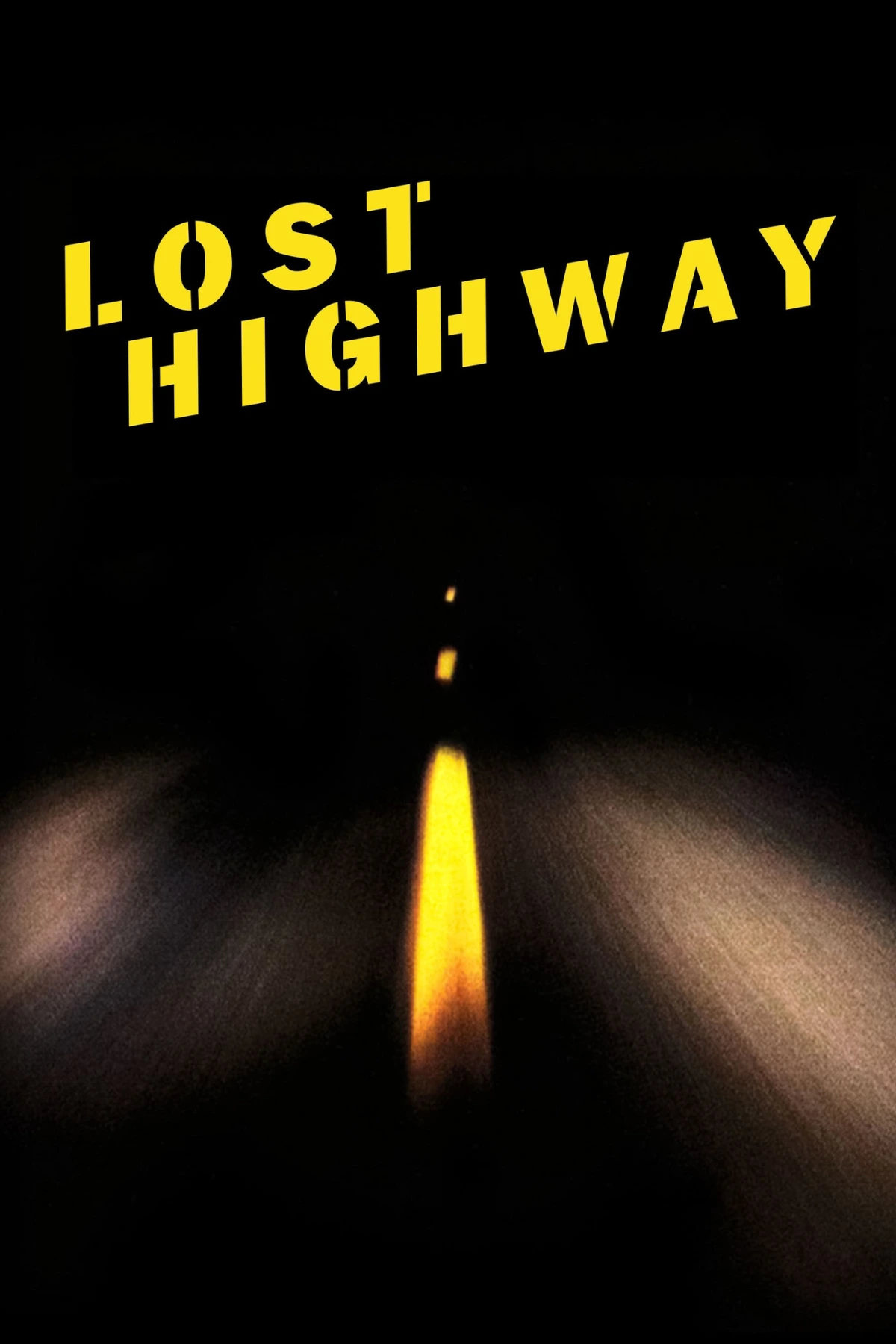
The first of Lynch’s great identity-swap nightmares remains underrated. Bill Pullman plays a saxophonist convicted of murdering his wife who, without explanation, is replaced in his cell by a young mechanic (Balthazar Getty). Patricia Arquette plays two women who may or may not be the same person, and that same fracturing of self is the engine of Inland Empire.
Enemy
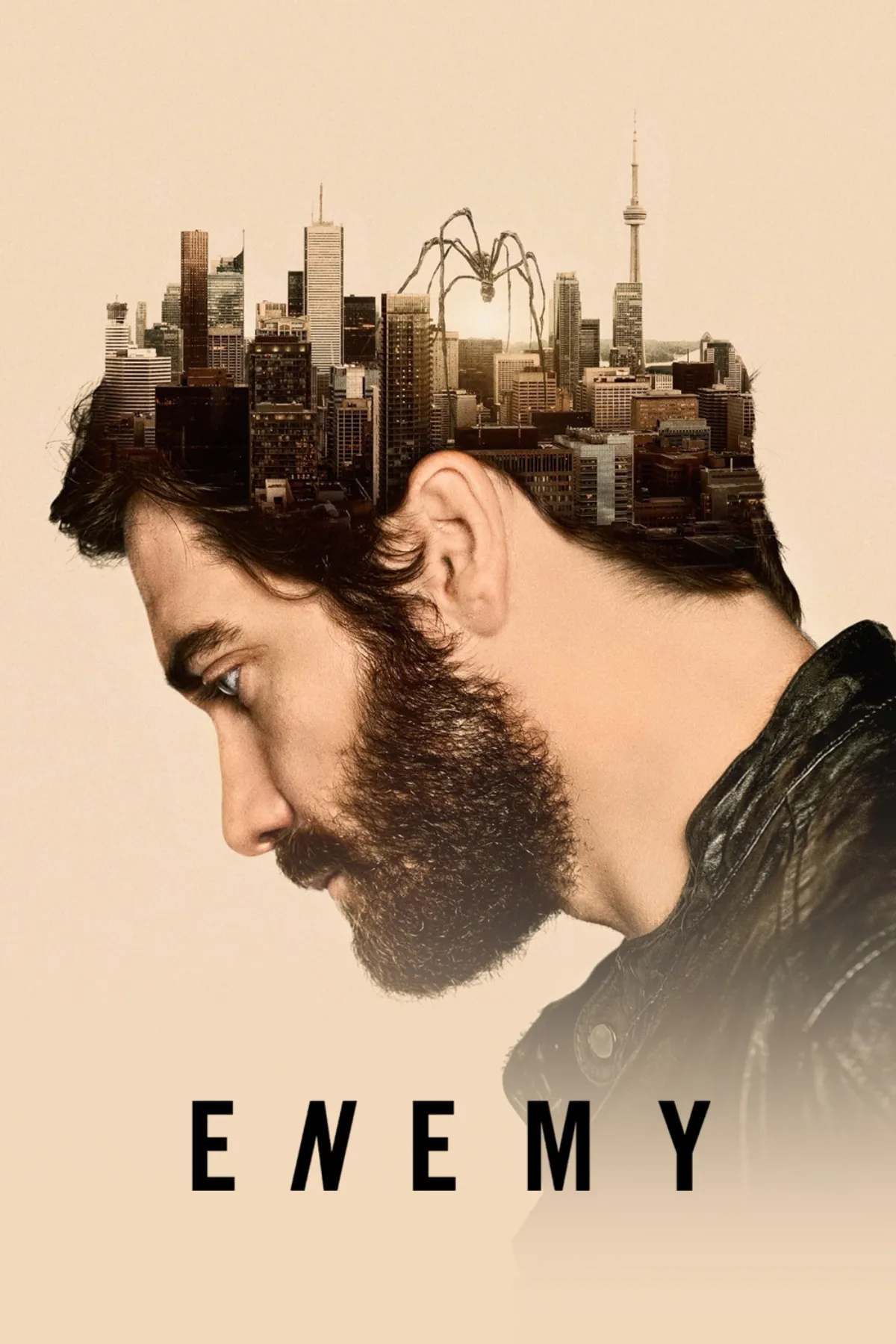
Denis Villeneuve’s A24 thriller follows a history professor who discovers an actor who looks exactly like him, and Jake Gyllenhaal gives a career-defining performance in both roles. Loosely adapted from José Saramago’s The Double, it shares Inland Empire’s fascination with performers and their doubles, and it ends on one of the most startling final images of the 2010s.
Twin Peaks: Fire Walk with Me
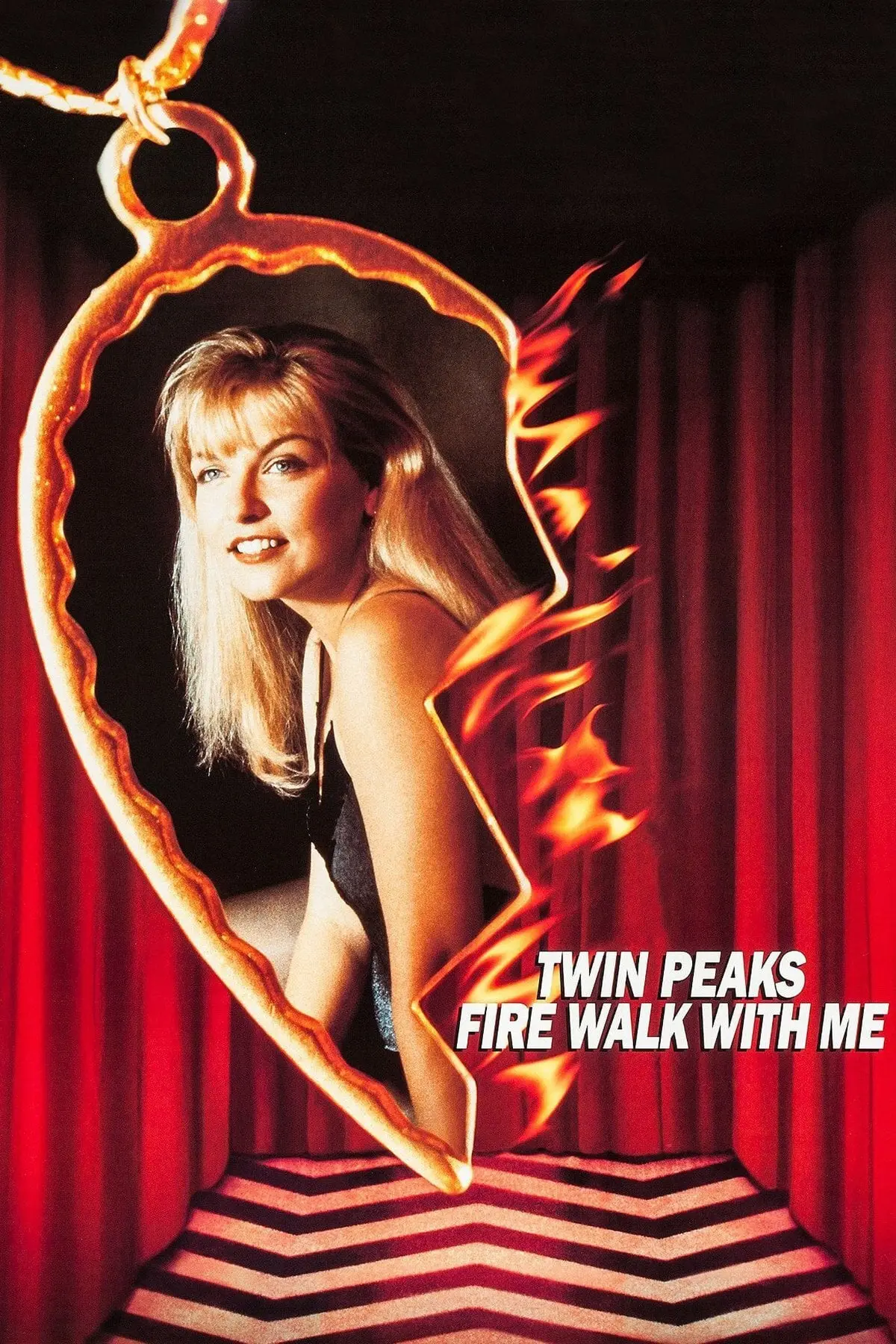
Long before Laura Dern’s Nikki Grace came apart on screen, Sheryl Lee gave Lynch one of the rawest performances in any of his films as Laura Palmer, living out her final seven days. Fire Walk with Me was a box office bomb and has since been reappraised, and its focus on a woman trapped in a nightmare she can’t name makes it a natural companion piece.
I Saw the TV Glow
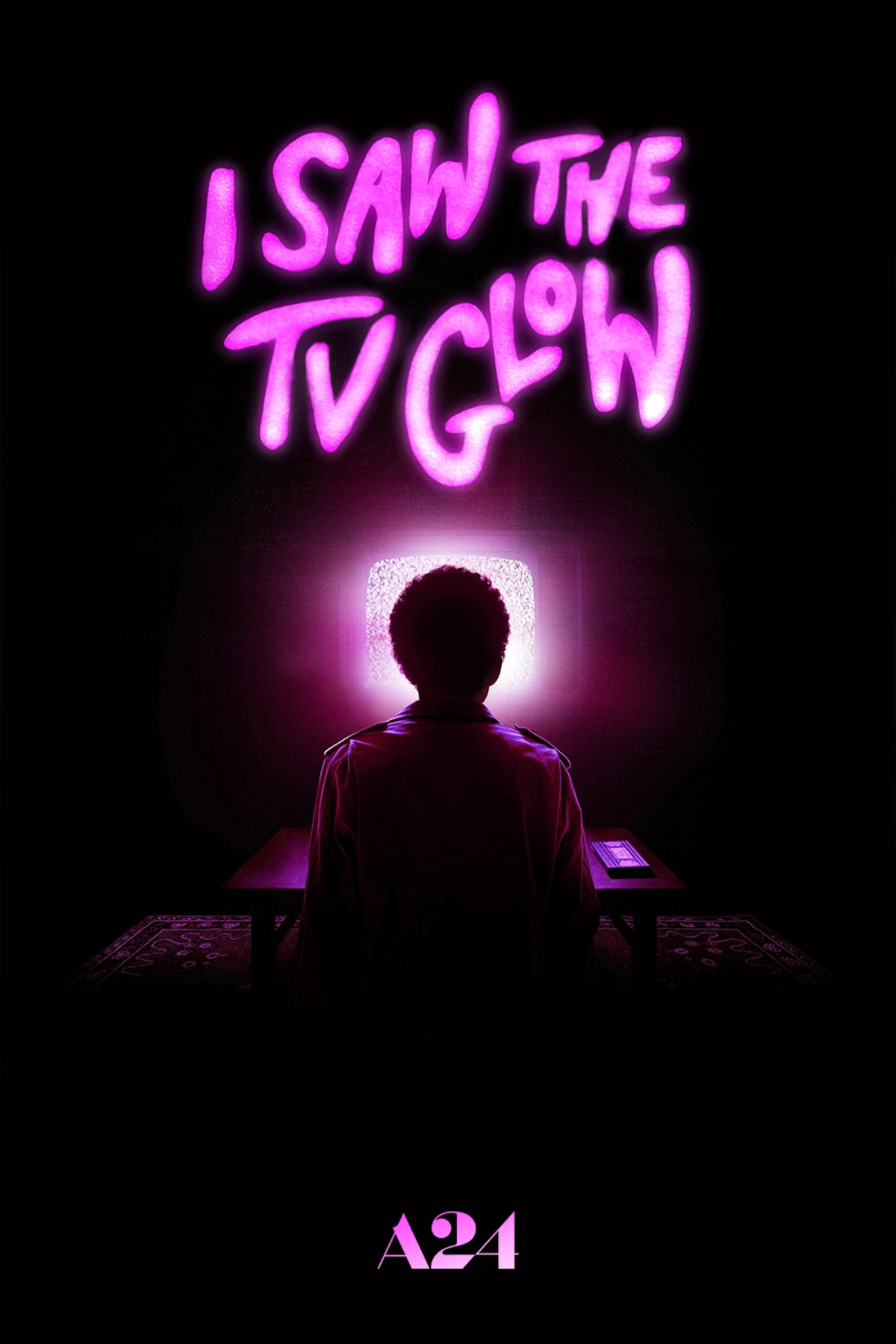
Jane Schoenbrun’s surreal counterculture hit owes plenty to Lynch, especially in the way it lets a fictional television show bleed into the lives of the people watching it. Justice Smith and Jack Haven play teenagers obsessed with a 1990s series called The Pink Opaque, and like the cursed production at the center of Inland Empire, the show may be more real than they are.
Blue Velvet
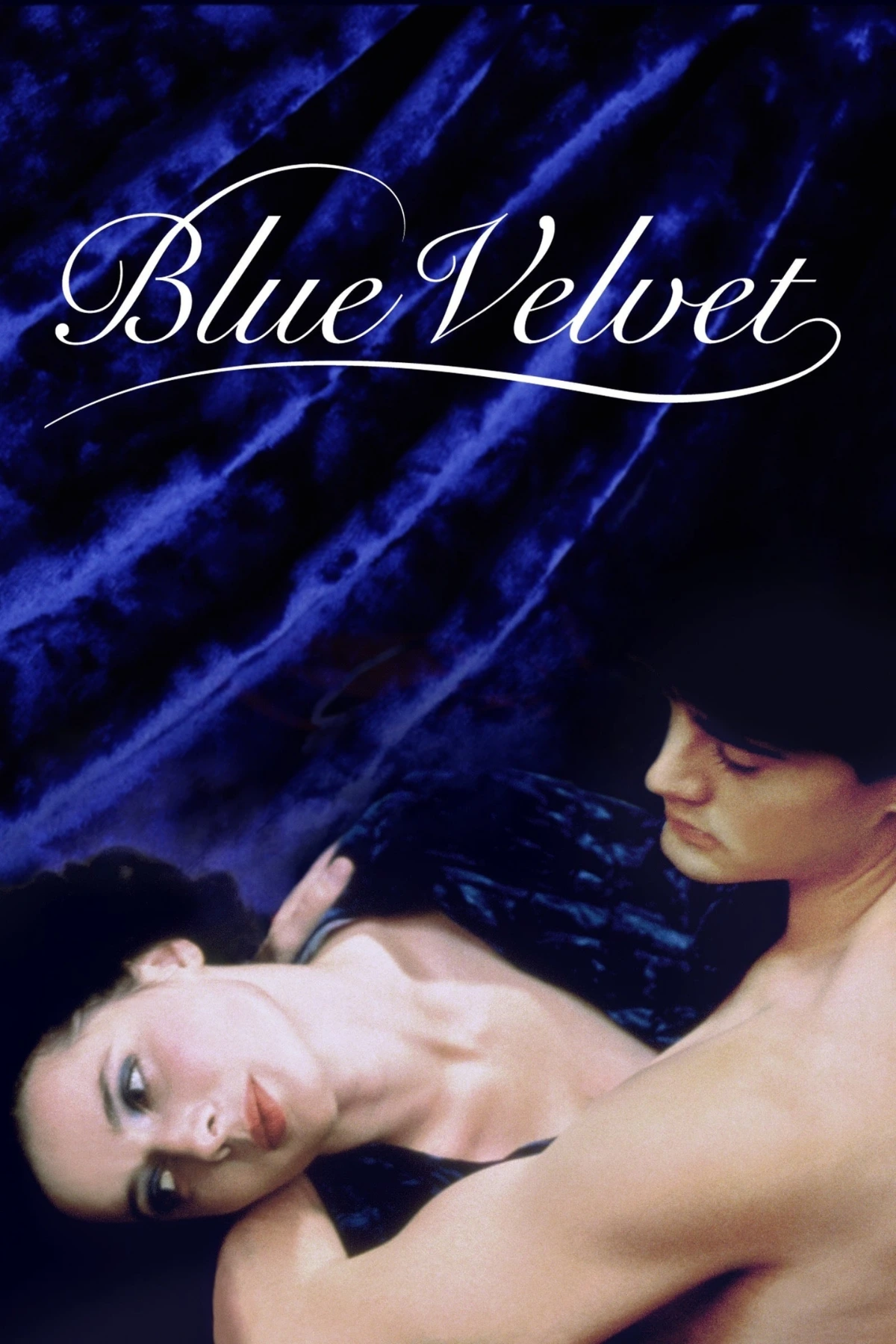
Laura Dern’s first collaboration with Lynch is a more conventional story than Inland Empire, but no less disturbing. Kyle MacLachlan plays a college student who finds a severed ear in a field and follows it into a small-town underworld ruled by Dennis Hopper’s terrifying Frank Booth. It’s Lynch’s iconic dive into the darkness beneath a picket-fence surface.
Videodrome
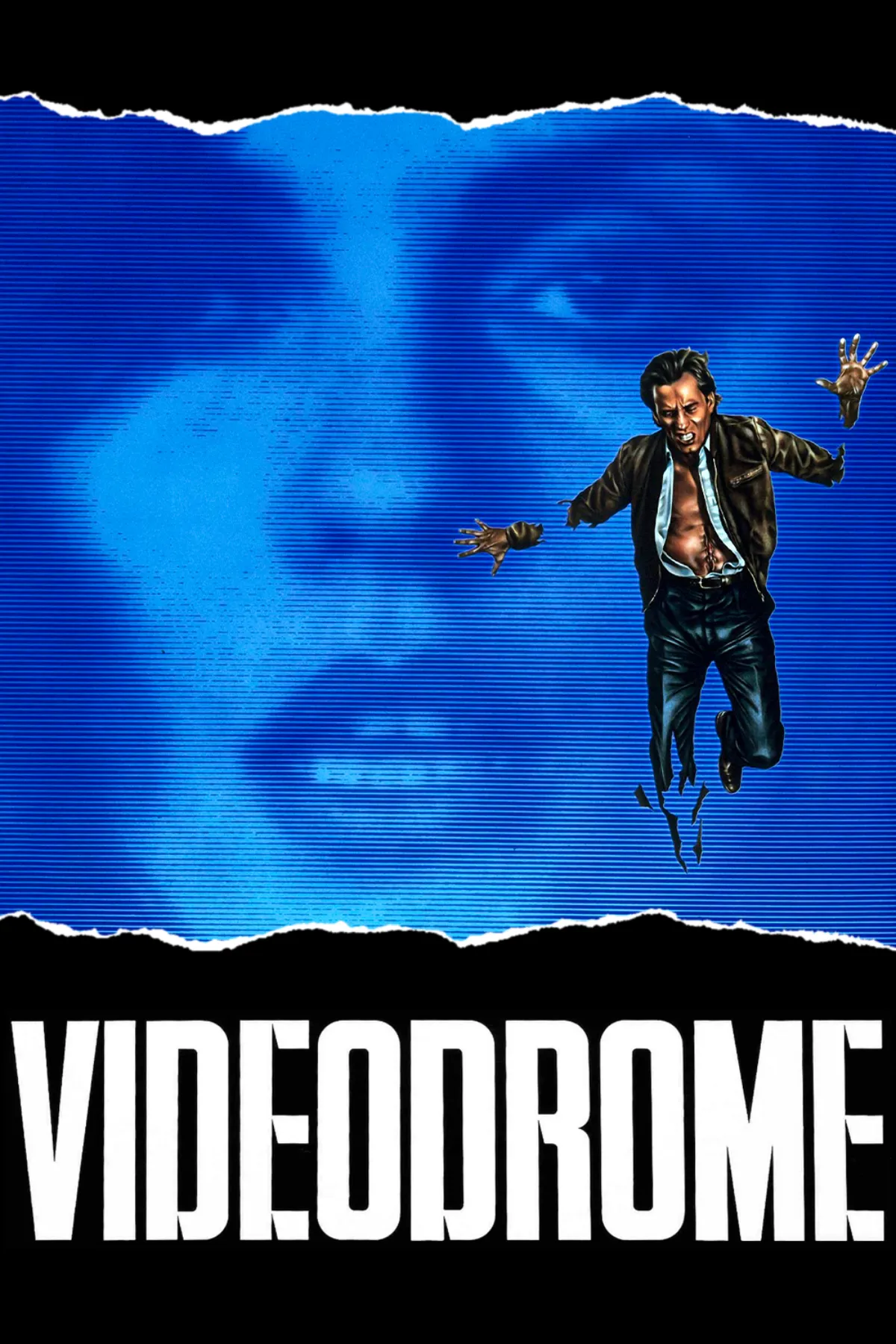
David Cronenberg’s techno-surrealist horror classic is about a TV executive (James Woods) who can no longer tell where the signal ends and he begins. That collapse between what’s on screen and what’s real is exactly what happens to Nikki Grace, and Videodrome’s queasy, hallucinatory final act is about as close as mainstream horror has come to Lynch’s late style.
Eraserhead
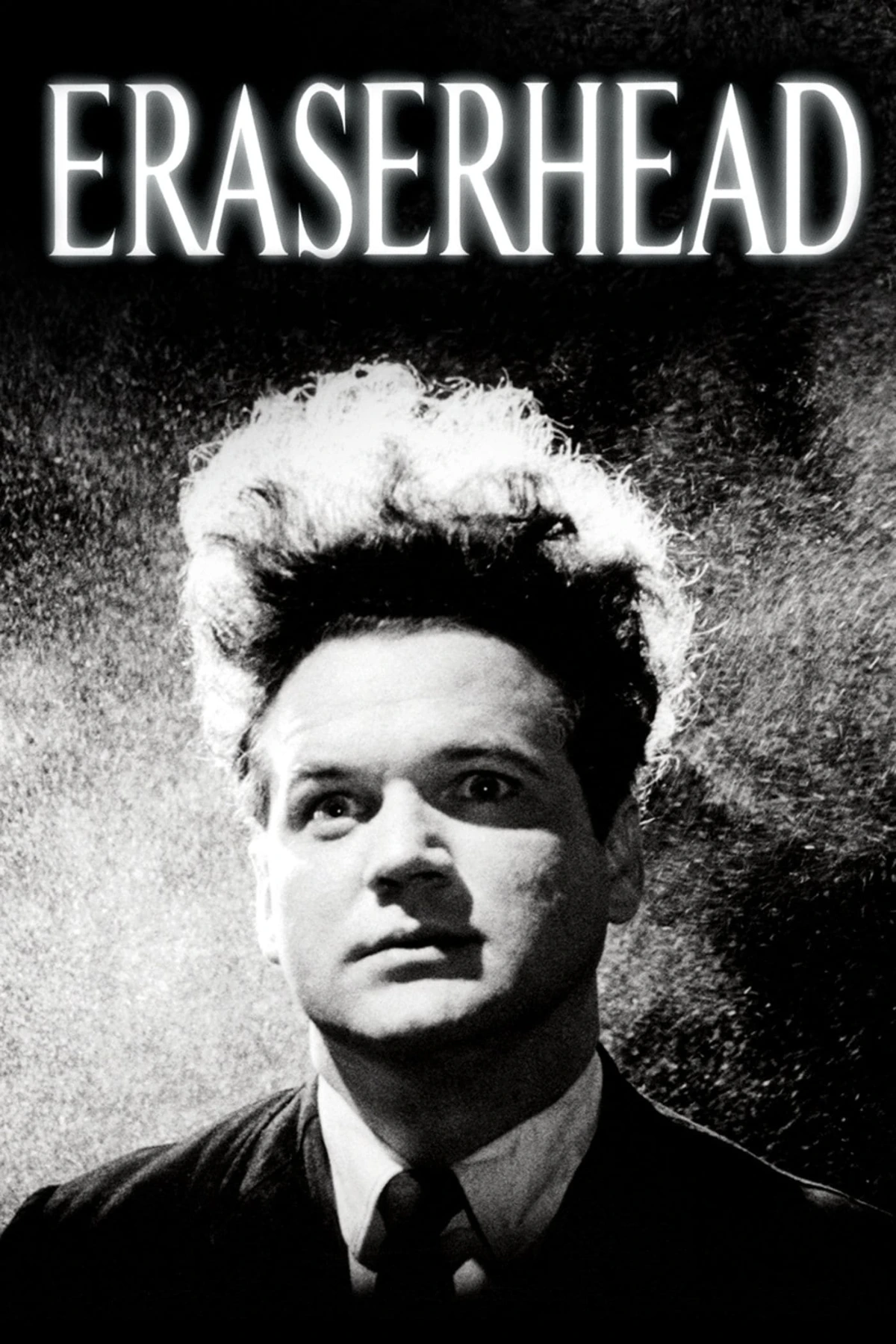
Lynch’s indelible debut and Inland Empire bookend his feature career in fascinating ways. Both are built on industrial drones and dream logic, and both flatly refuse to explain themselves. Jack Nance stars as Henry, a man trying to care for a deformed infant in a bleak industrial city, and it remains among the strangest films ever made.
READ MORE: Is Inland Empire Scary?, 10 Great Lynchian Movies to Watch if You Like David Lynch, Movies Like Mulholland Drive