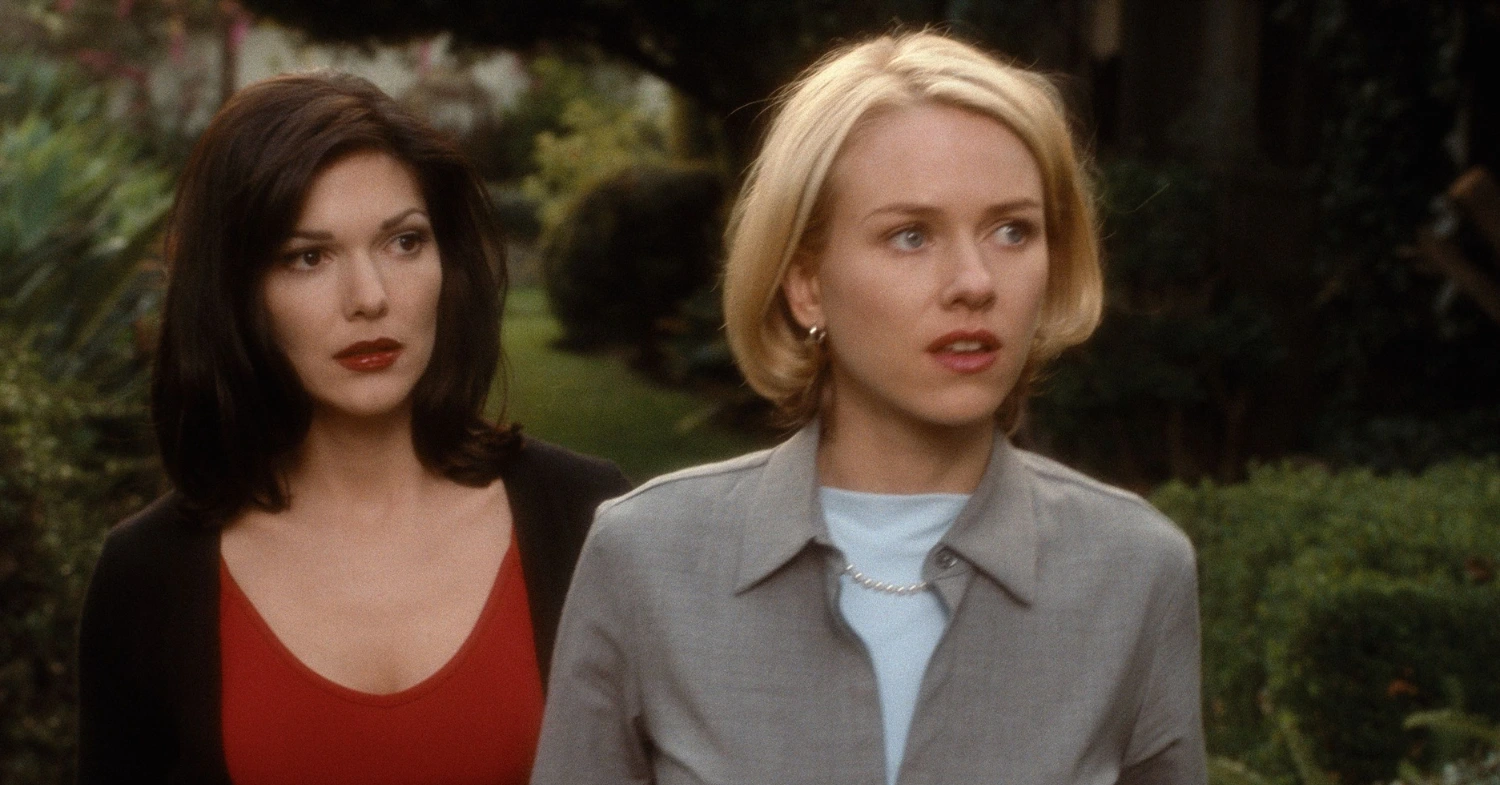
Here are Cinephile Corner’s 10 recommendations for movies like Mulholland Drive:
Enemy
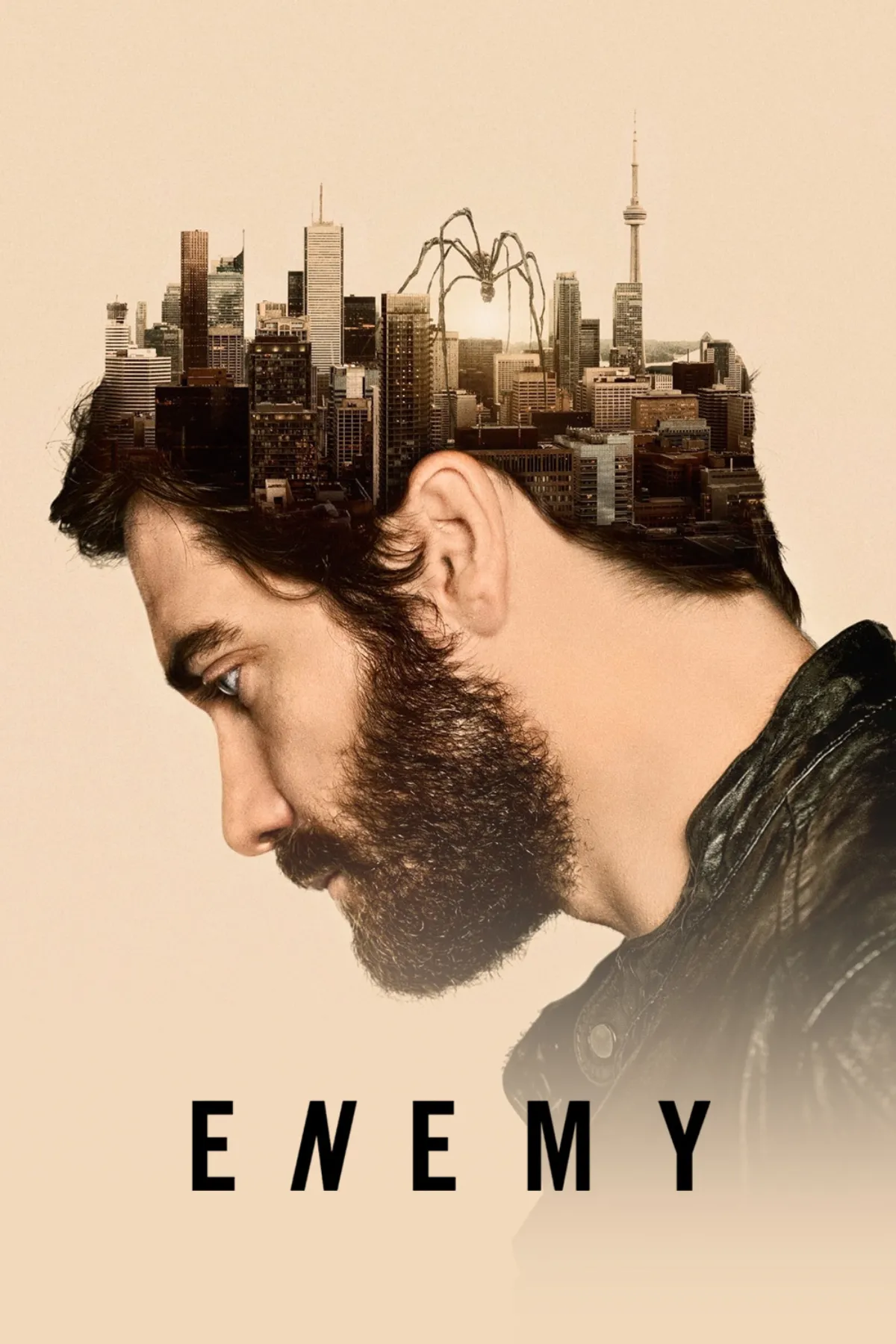
Enemy‘s true power lies in its ambiguity. Unlike conventional narratives that spoon-feed answers, Denis Villeneuve invites the audience to actively participate in unraveling the movie’s enigmatic plotlines. The recurring spider motif becomes a potent symbol, open to individual interpretation. Is it a harbinger of danger, a manifestation of repressed desires, or simply a narrative thread to guide us through the inner turmoil of Adam (Jake Gyllenhaal)? The beauty lies in the absence of definitive answers for Enemy, where Denis allows you to form your own conclusions.
Beau Is Afraid
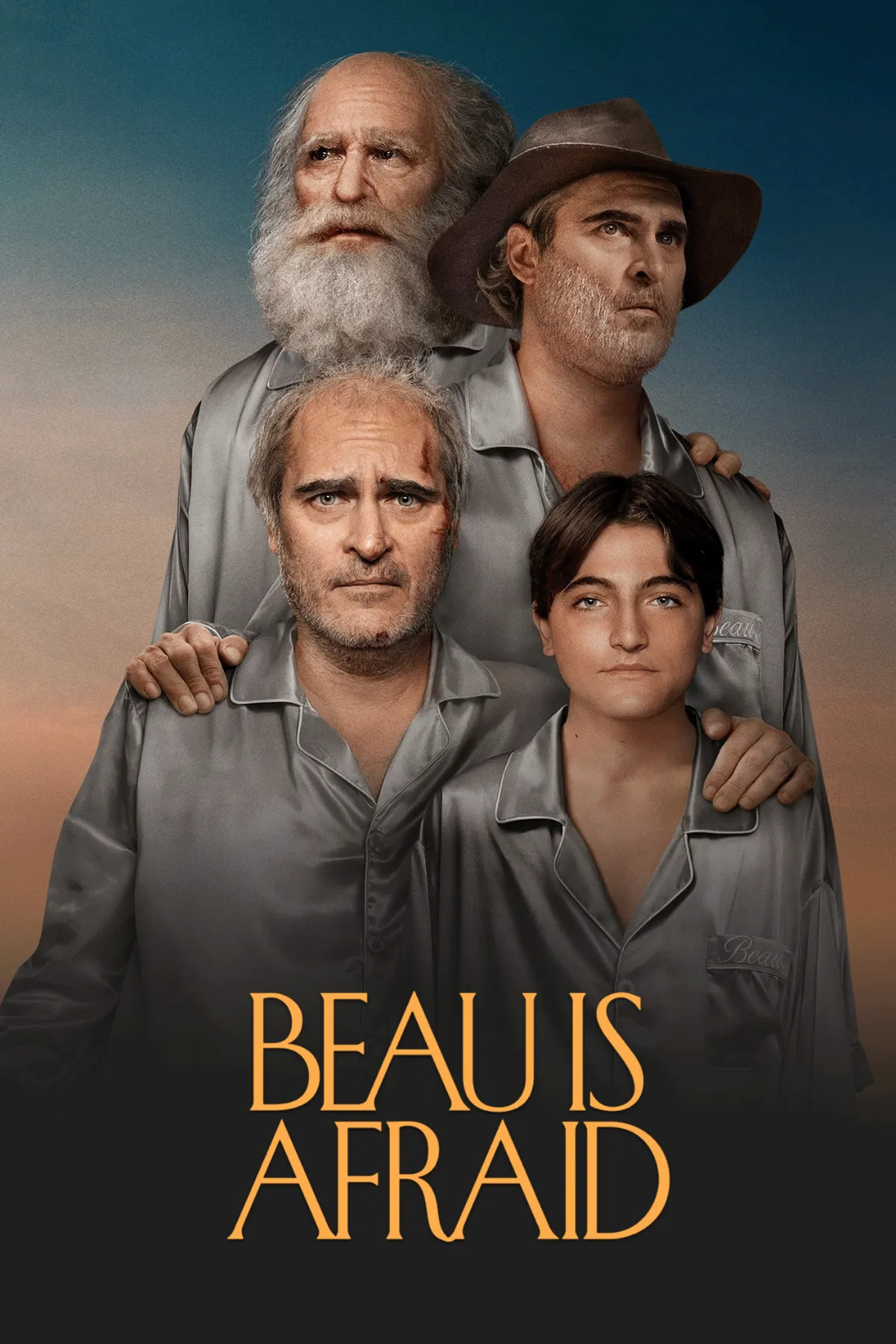
Ari Aster puts his career and positive public perception on the line to create his most singular and divisive piece of filmmaking yet. Although easily his least accessible and structured movie, Beau Is Afraid still manages to work due to Aster‘s distinct eye for jaw-dropping images and scenes and Joaquin Phoenix‘s committed performance.
I Saw the TV Glow
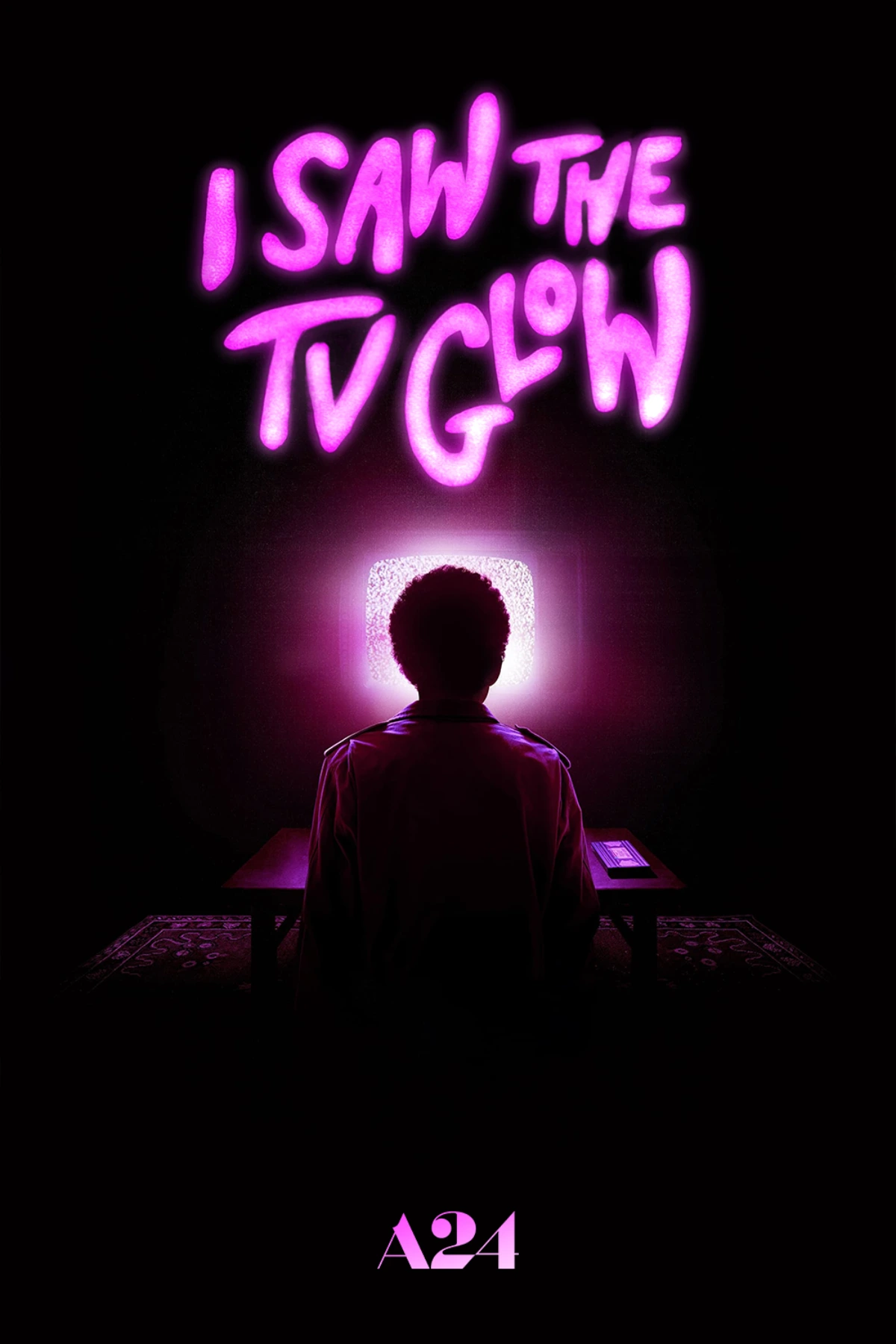
I Saw the TV Glow is one of the best movies of 2024, showcasing exactly what independent filmmaking can be when handled by the right people. A24 adds another riveting drama by a fascinating young auteur to their trophy case, and Jane Schoenbrun announces themselves as an important and singular filmmaker to look out for moving forward.
Lost Highway
Lost Highway is the most underappreciated David Lynch movie, one that served as an introduction to where he’d be heading in the early 2000s on. Because Lost Highway doesn’t make much sense, and the illogical, beguiling snippets and vignettes that take place within the movie are of a similar nature to Mulholland Drive and Inland Empire. And while Lost Highway is slightly less operatic than Mulholland Drive (and much less indulgent than Inland Empire), it’s still one of Lynch’s best movies, and one of the best movies of the 1990s, period.
The Substance

A vaguely named, neon green liquid is at the center of The Substance, the sophomore effort from director Coralie Fargeat following her successful debut Revenge (2017). The titular substance is capable of delivering happiness to those desiring to look younger and more attractive. Accompanied by a strict list of rules involving when to take the substance and how to maintain the younger self the injection inevitably births, the chances of a user mishandling such a lethal experimental drug is absurdly high.
Kinds of Kindness

As a side project conceived during the creation of Poor Things, Kinds of Kindness is quite the undertaking for Yorgos Lanthimos. The movie is hefty and left with a lot of gristle. While the performances of the cast suggest a film trying to have a lot of fun, the lack of cohesion took me out of a movie overstaying its welcome.
The Game
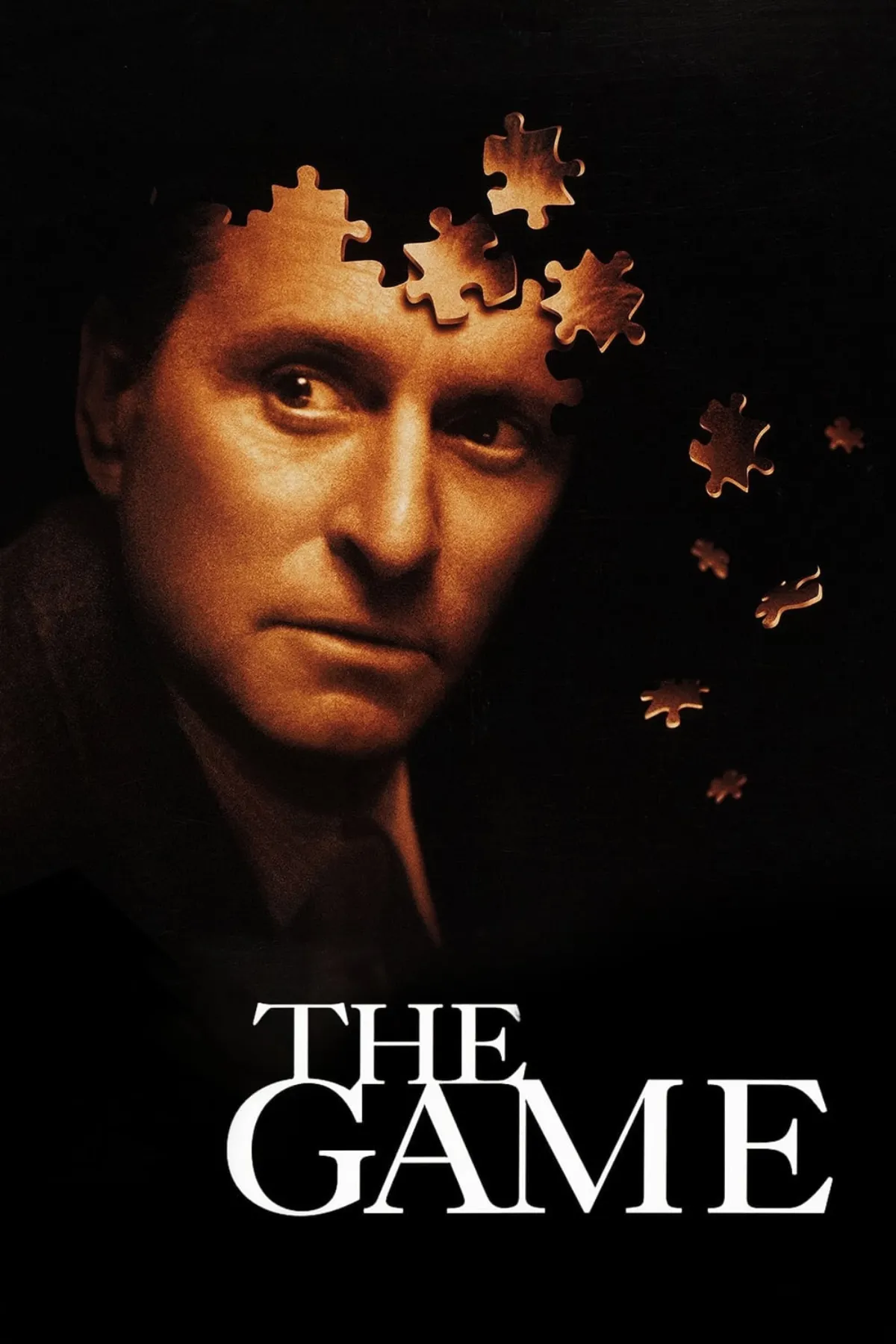
Fresh off the success of Se7en, David Fincher used the opportunity to make a move that is deeply idiosyncratic and cynical, matching his personal interests with a story that breaks down the infrastructure of masculinity in a world of wealthy businessmen. The Game is not only a David Fincher movie, it feels like the most David Fincher movie, and amalgamation of common themes regurgitated with each film that follows.
Blue Velvet

If for nothing else, Blue Velvet serves as a key to unlock the filmography of David Lynch, as if every subsequent movie would take bits and pieces from Blue Velvet and expand them into their own ideas and themes. It’s cryptic, morally ambiguous, and set in the heart of a deep underbelly within small town life. The film is beguiling as hell, and even features many of Lynch’s recurring actors and actresses, led by Kyle MacLachlan and Laura Dern. The movie isn’t as nearly as cut-and-dry as its noir elements suggest and its contemporaries often were, and it seems that public consensus has only further improved since Blue Velvet‘s release in 1986.
Infinity Pool
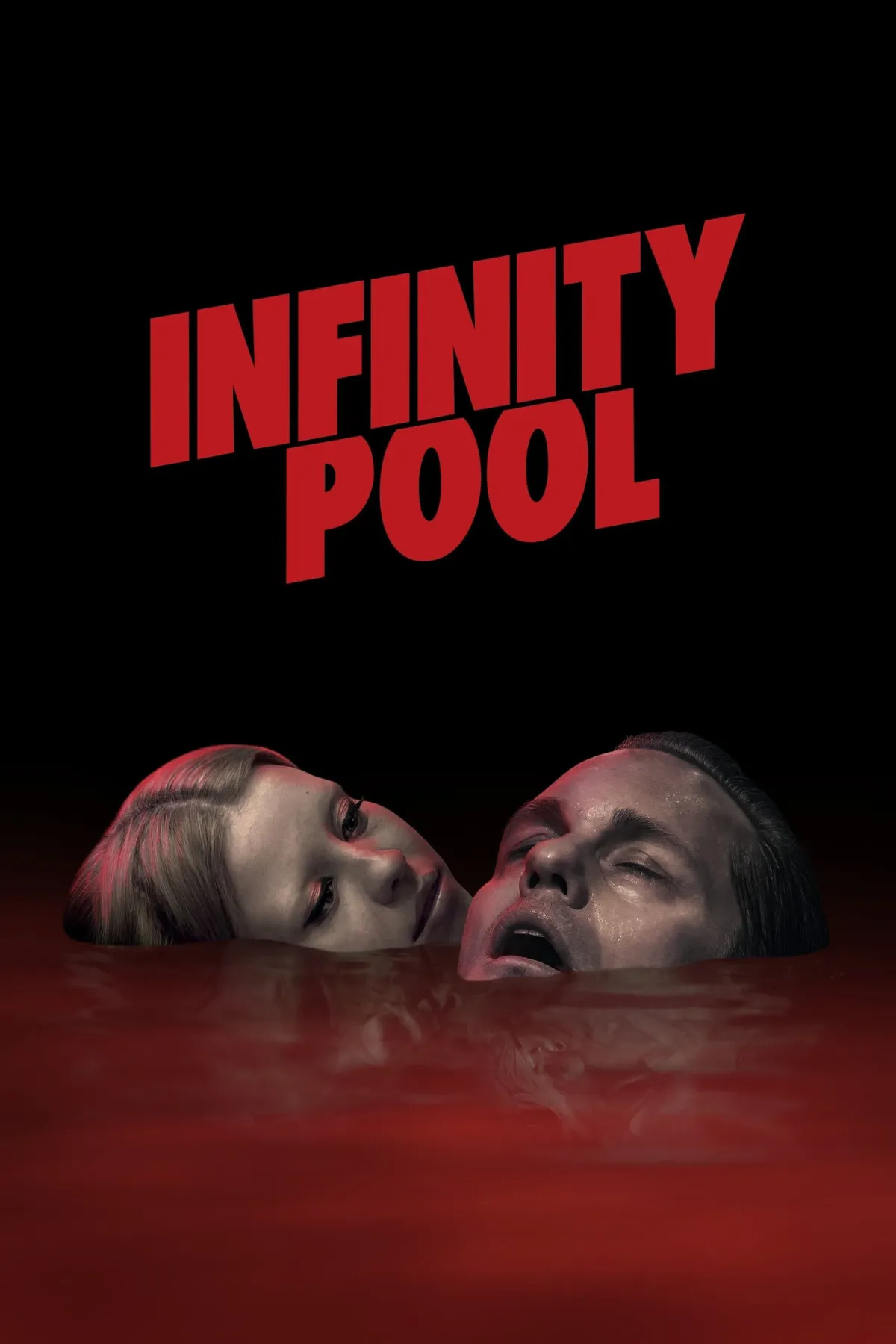
There are some real highlights in Brandon Cronenberg‘s newest art house horror movie, mainly the chemistry between Alexander Skarsgard and Mia Goth. But Infinity Pool struggles to build into anything beyond a set of shocking horror images and audacious scenes.
Videodrome
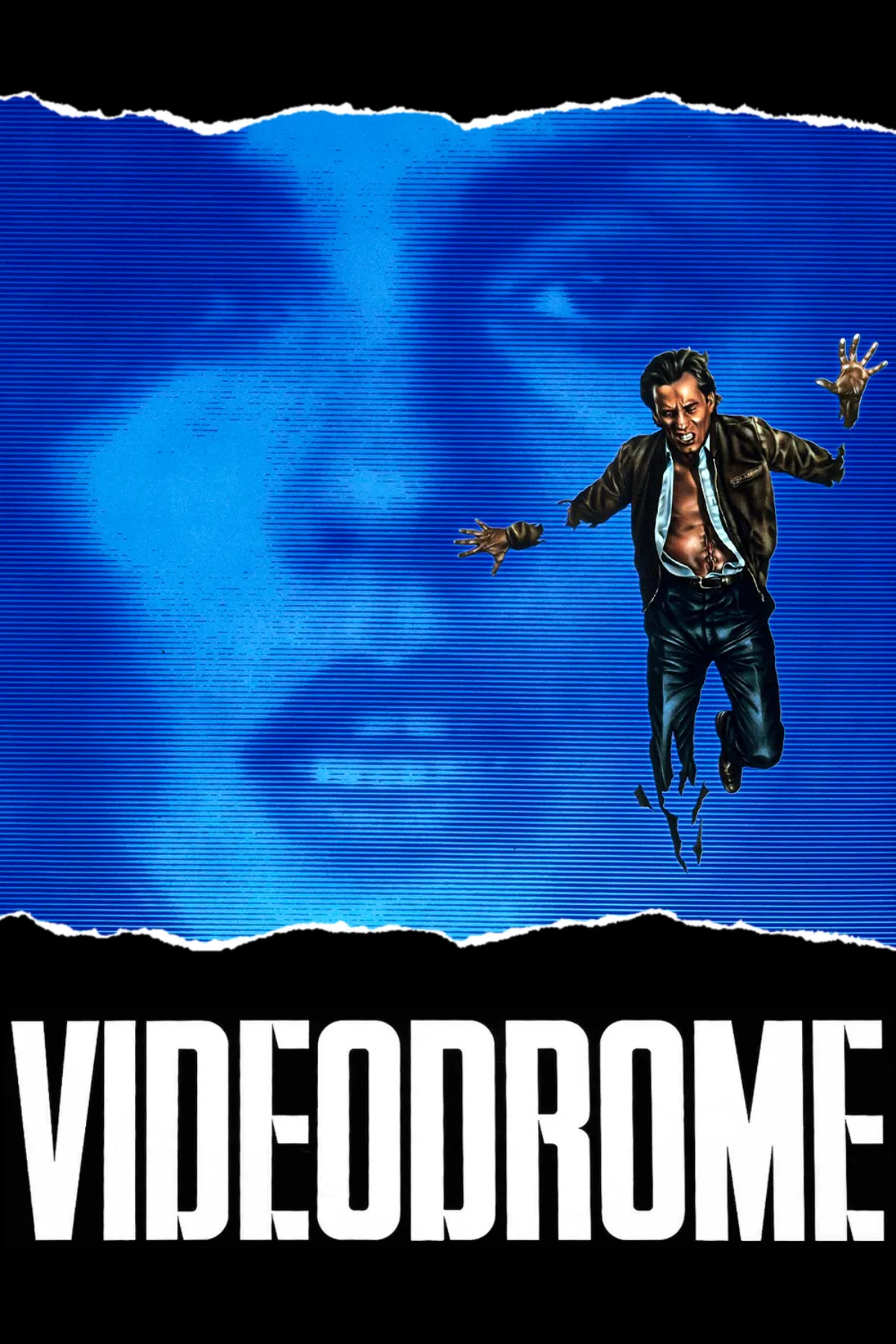
Videodrome is a bold, grotesque, and startlingly prescient film, and while it may not be David Cronenberg’s most accessible work, it’s certainly one of his most important. A high-concept fever dream of sex, violence, and screen-induced madness, it’s no wonder this is one of the director’s most widely discussed and celebrated films.