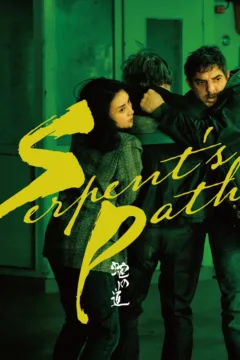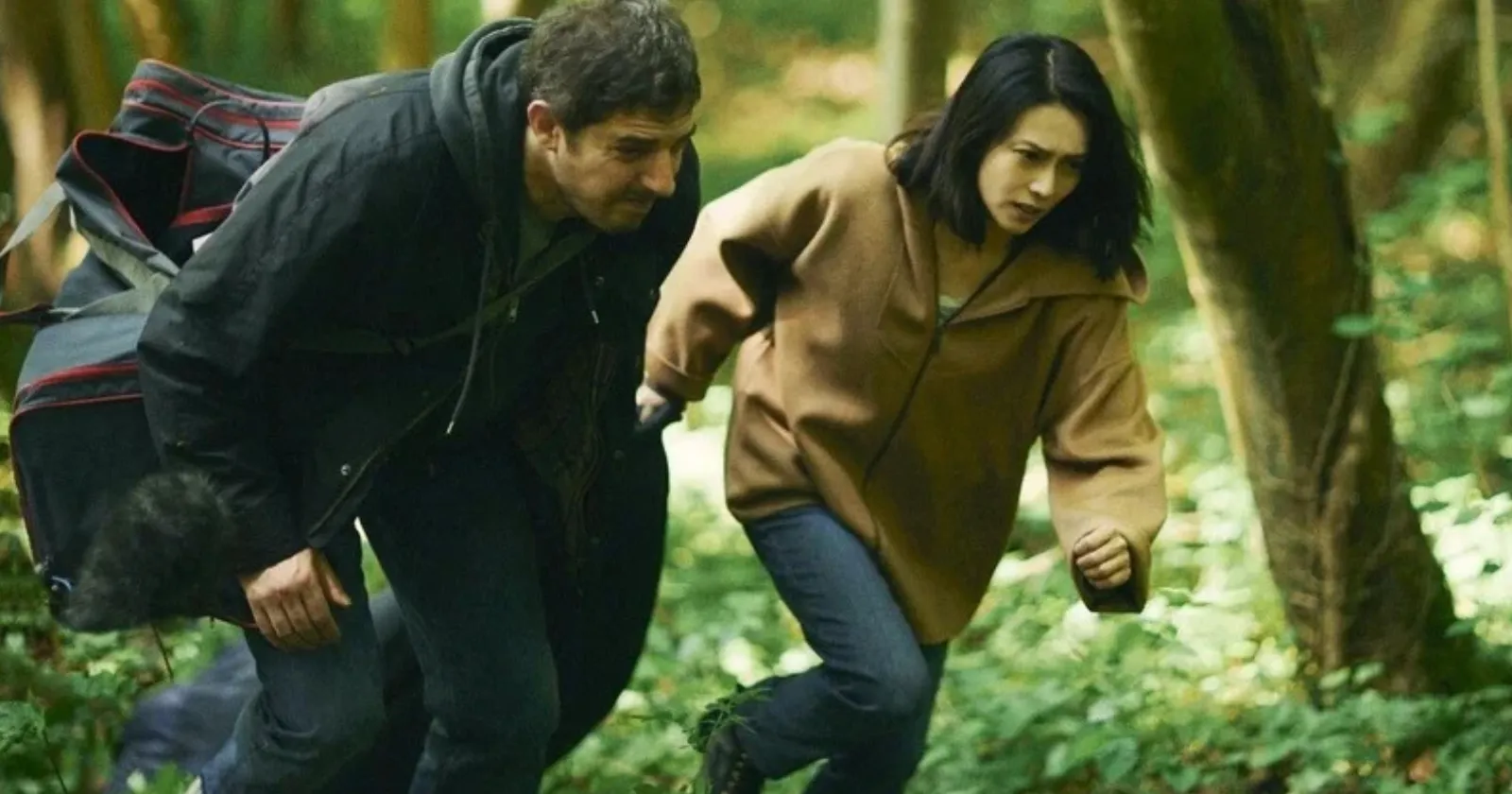

It’s taken a little while for Kiyoshi Kurosawa’s 2024 remake of his own 1998 film Serpent’s Path to finally reach American audiences, but it’s another welcome addition to what has been an absolutely remarkable run for the legendary Japanese director. Few filmmakers have worked at quite the pace Kurosawa has throughout the 2020s, and even at 71, he continues to put out work that rivals just about anything being made by a living filmmaker today. Between Wife of a Spy, Cloud, The Samurai and the Prisoner, his deeply unsettling short film Chime, and now this newly available remake on the Criterion Channel, it’s been a lively, eventful, and remarkably varied decade for the filmmaker behind horror classics like Cure and Pulse. At this point, I’m not sure how many more reminders we need that Kurosawa deserves to be discussed among the very best working directors, but I’ll happily take another.
He’s hardly the first filmmaker to remake his own work, whether we’re talking about Michael Haneke directing both the 1997 and 2007 versions of Funny Games or George Sluizer revisiting The Vanishing in 1993 after his original 1988 film. But I’d argue Kurosawa has made one of the more compelling cases for doing so. Part of that comes down to his belief in the strength of the material itself. He’s never been a filmmaker who needs to constantly draw attention to his own formal ingenuity through flashy camera tricks or showy stylistic flourishes. His horror films and disturbing dramas tend to operate through restraint, atmosphere, and the gradual realization that something is terribly wrong. That sensibility carries over beautifully here, allowing the familiar structure of Serpent’s Path to do most of the heavy lifting while Kurosawa makes subtle adjustments to the world surrounding it.
This is, by and large, a faithful adaptation of his original film, with the most noticeable changes coming from its French setting and the inclusion of a woman among its central pair of kidnappers. The 1998 film’s Yakuza framework is replaced by a French criminal underworld, while the original’s dilapidated warehouses and empty lots give way to a somewhat more polished, tile-covered abandoned building. It’s a small but meaningful distinction. The original had an almost skeletal quality to its production design, making tremendous use of sparse locations and seemingly endless stretches of empty space. The remake feels more expensive and visually controlled, with clearer camerawork and a yellowish, burnt color palette that creates a different kind of unease from the cold, washed-out look of the original. It may lack some of the scrappy charm of the 1998 version, but Kurosawa finds a new texture for the same underlying nightmare.
The central mechanics remain largely unchanged. A man (played by Damien Bonnard) enlists the help of a mysterious companion (Ko Shibasaki) to kidnap the people he believes are responsible for his daughter’s brutal murder. Each interrogation leads to another suspect, the violence escalates, and the body count begins to climb as the pair attempt to extract answers from the criminal network surrounding them. But as is often the case with Kurosawa, the real horror isn’t simply in the violence itself. It’s in the slow erosion of the moral boundaries that initially seem to separate the protagonists from the people they’re hunting. By the time the film reaches its final revelations, the perspective shifts, exposing the ugly complications behind a revenge narrative that initially appears so straightforward. Having seen the original, I found the destination obviously easier to anticipate this time around, but Kurosawa has always been adept at keeping his cards close to his chest for as long as possible. Even when you suspect where things are headed, there’s something unnerving about watching the pieces fall into place.
Like so much of his work, Serpent’s Path is restrained and moody in a way that’s both fantastically dreadful and quietly cutting. Kurosawa doesn’t overwhelm the audience with violence, nor does he constantly remind us of the stakes. Instead, he lets the atmosphere accumulate, allowing the characters’ increasingly desperate behavior to become more disturbing with each passing scene. The film’s empty spaces, muted conversations, and clinical visual composition all contribute to a sense of moral decay that lingers well beyond the immediate mechanics of the revenge plot. There’s a patience to his filmmaking that feels increasingly rare, especially in an era where so many thrillers seem terrified of giving the audience even a few seconds to sit with an uncomfortable thought. In contrast, that’s so much of what works inside of both versions of Serpent’s Path.
I may actually prefer this version to the original, if only slightly, thanks to the increased budget and the more polished visual presentation. That said, there’s something undeniably impressive about what Kurosawa accomplished in 1998 with such limited resources. The original’s rough edges and sparse environments give it a particularly grimy, almost inescapable quality that the remake doesn’t entirely replicate. The newer film feels more deliberate and controlled, but it also loses a little of that sense of discovering something genuinely rotten in the corners of an abandoned building. They’re different textures serving the same haunting purpose, and I think both versions work on their own terms.
READ MORE MOVIE REVIEWS: Love of Your Life, Sacrifice, Backrooms
Ultimately, Serpent’s Path is catnip for Kurosawa devotees like myself: a master filmmaker returning to a familiar formula, finding new ways to explore it, and demonstrating just how much atmosphere and psychological unease can be extracted from a seemingly simple premise. It’s a tremendous modern remake of his own work, and yet another strong entry in a decade that has seen him continue to expand his international reputation. The fact that we’re still getting this kind of work from him, at this stage of his career and at this level of consistency, is remarkable in its own right. As more audiences catch up with his recent films, I hope the broader reexamination of his career continues. Few living directors have earned it more.
Score: 8/10
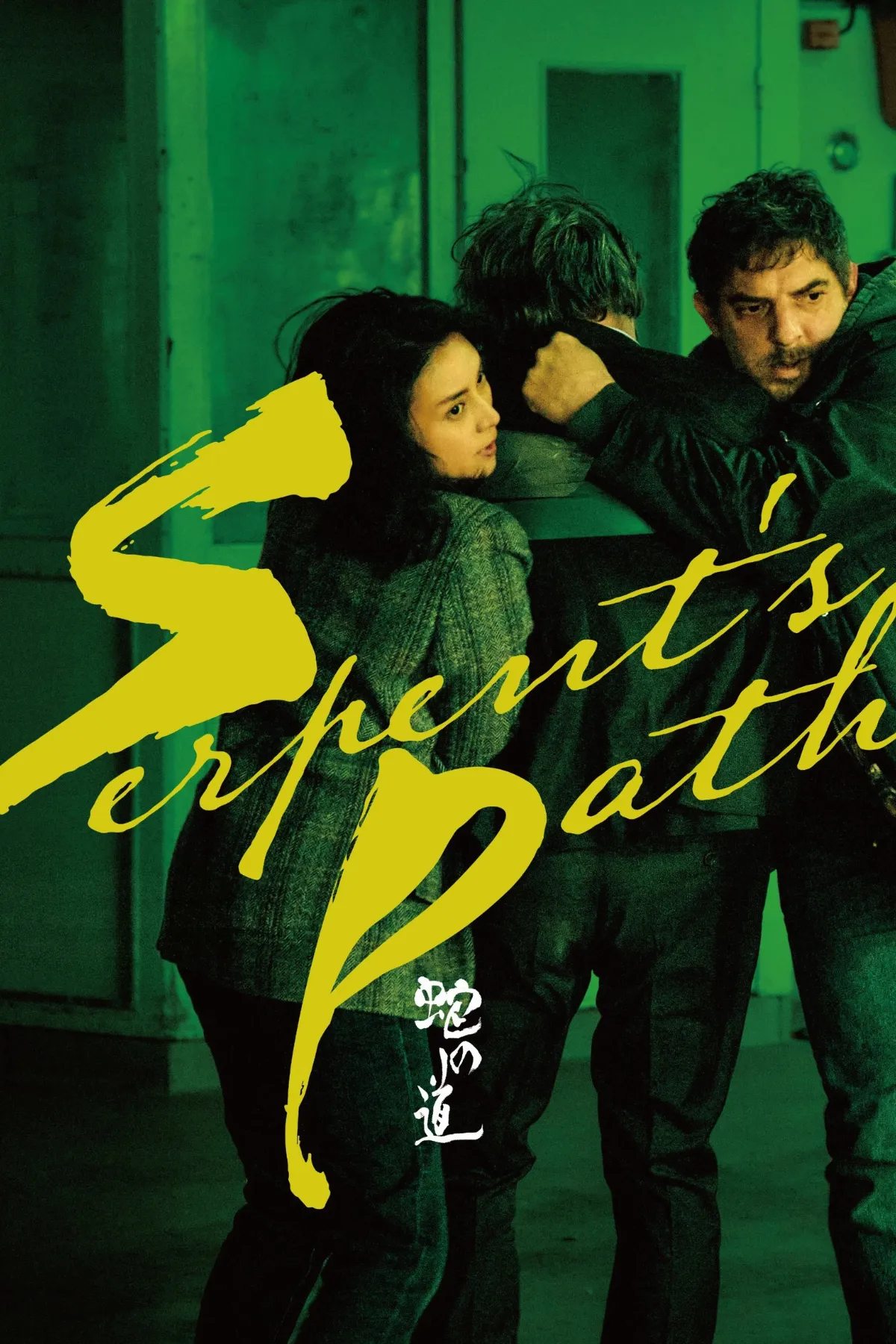
Serpent’s Path (2026)
- Cast: Ko Shibasaki, Damien Bonnard, Hidetoshi Nishijima, Munetaka Aoki, Mathieu Amalric
- Director: Kiyoshi Kurosawa
- Genre: Crime, Thriller
- Runtime: 113 minutes
- Rated: NR
- Release Date: September 11, 2026
- Movies Like Serpent’s Path: The Whisper Man, Miller’s Crossing, Highest 2 Lowest
- Follow us on Letterboxd