Here are Cinephile Corner’s 10 recommendations for movies like Night Nurse:
Babygirl

25 years after co-starring in Eyes Wide Shut, Nicole Kidman revisits similar thematic territory in Halina Reijn’s Babygirl, another holiday-set exploration of lust, power, and dissatisfaction. In Babygirl, she plays Romy, a high-powered tech CEO whose meticulously crafted life seems perfect on the surface. With a doting husband, Jacob (Antonio Banderas), two well-adjusted children, and a dreamlike home, Romy appears to have it all. Yet, beneath this pristine façade, she is deeply unfulfilled, yearning for something—or someone—to awaken her buried fantasies.
Saltburn
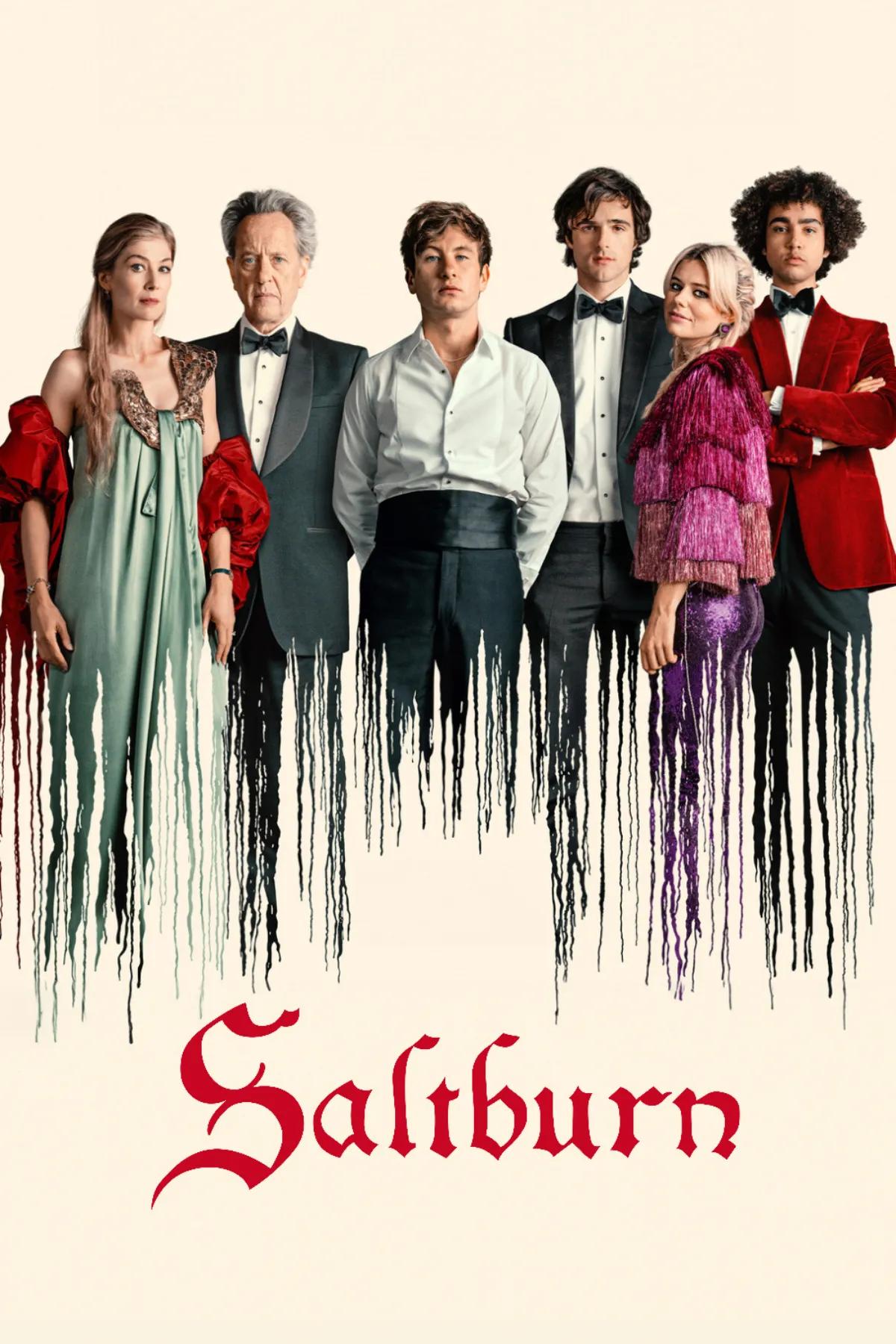
Emerald Fennell‘s sophomore movie, Saltburn, emerges from the rubble of her polarizing debut, Promising Young Woman, with a cast that elevates the material despite its endlessly convoluted and plainly put narrative. This comedy-drama-thriller hybrid film weaves a perplexing tale of obsession, deception, and tragedy within the confines of the aristocratic Catton family’s titular estate.
Love Lies Bleeding

There’s really nothing like Love Lies Bleeding. I don’t necessarily subscribe to the blanket notion that they don’t make movies like they used to anymore – but I will say, Hollywood hasn’t consistently made films as erotic and thrilling like this since the 1980s and 90s. Rose Glass directs the dynamic duo of Katy O’Brian and Kristen Stewart.
Blue Velvet
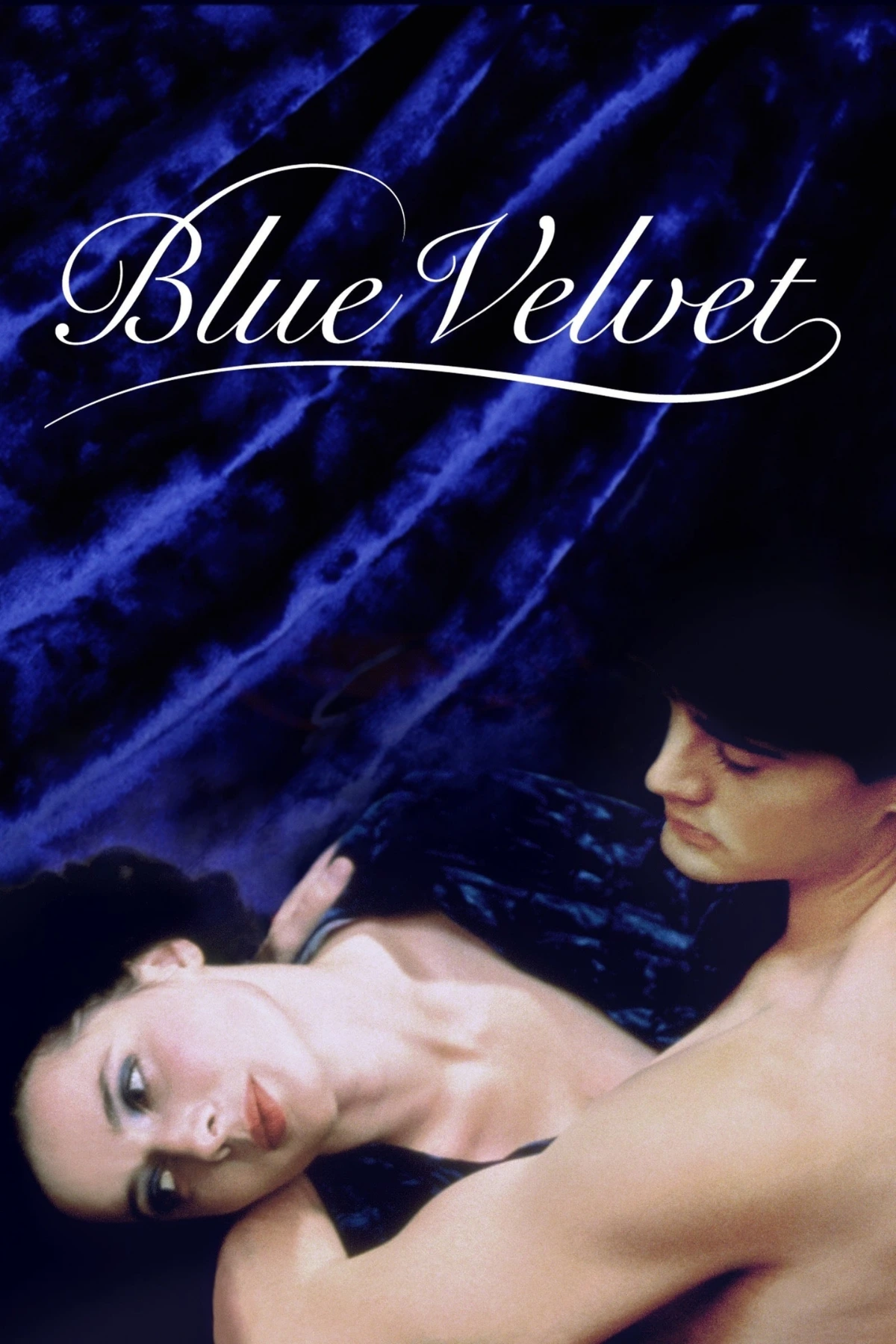
If for nothing else, Blue Velvet serves as a key to unlock the filmography of David Lynch, as if every subsequent movie would take bits and pieces from Blue Velvet and expand them into their own ideas and themes. It’s cryptic, morally ambiguous, and set in the heart of a deep underbelly within small town life. The film is beguiling as hell, and even features many of Lynch’s recurring actors and actresses, led by Kyle MacLachlan and Laura Dern. The movie isn’t as nearly as cut-and-dry as its noir elements suggest and its contemporaries often were, and it seems that public consensus has only further improved since Blue Velvet‘s release in 1986.
Blink Twice

Blink Twice wears its influences on its sleeve, but for a directorial debut like this for Zoë Kravitz, I thought it was pretty commendable. The industry is begging for a few more genre filmmakers capable of projects that are equally fun and thought-provoking, and Kravitz is able to switch between one and another on a dime. The performances help elevate the material, too, which inevitably pushes Blink Twice over the finish line.
Strange Darling
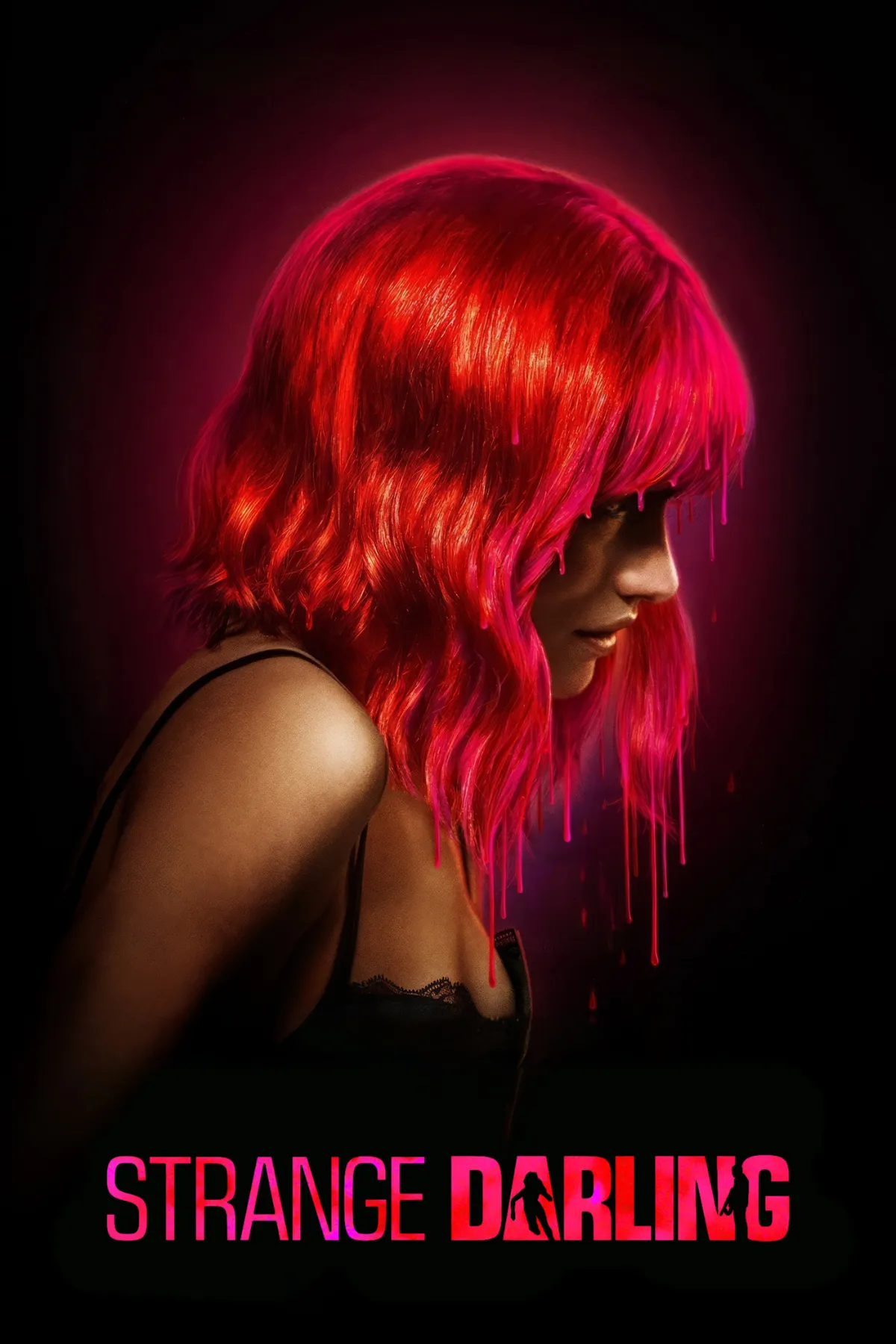
Strange Darling wears its influences on its sleeve. Director JT Mollner isn’t ashamed to let his inspirations be known as his latest thriller delivers twists and turns around every corner, and is told in a nonlinear fashion that makes it really hard not to think of a few classics. The likes of James Wan and Quentin Tarantino come to mind for these reasons, but Mollner’s Strange Darling doesn’t feel nearly as fresh as Saw or Pulp Fiction felt decades ago.
Teenage Sex and Death at Camp Miasma
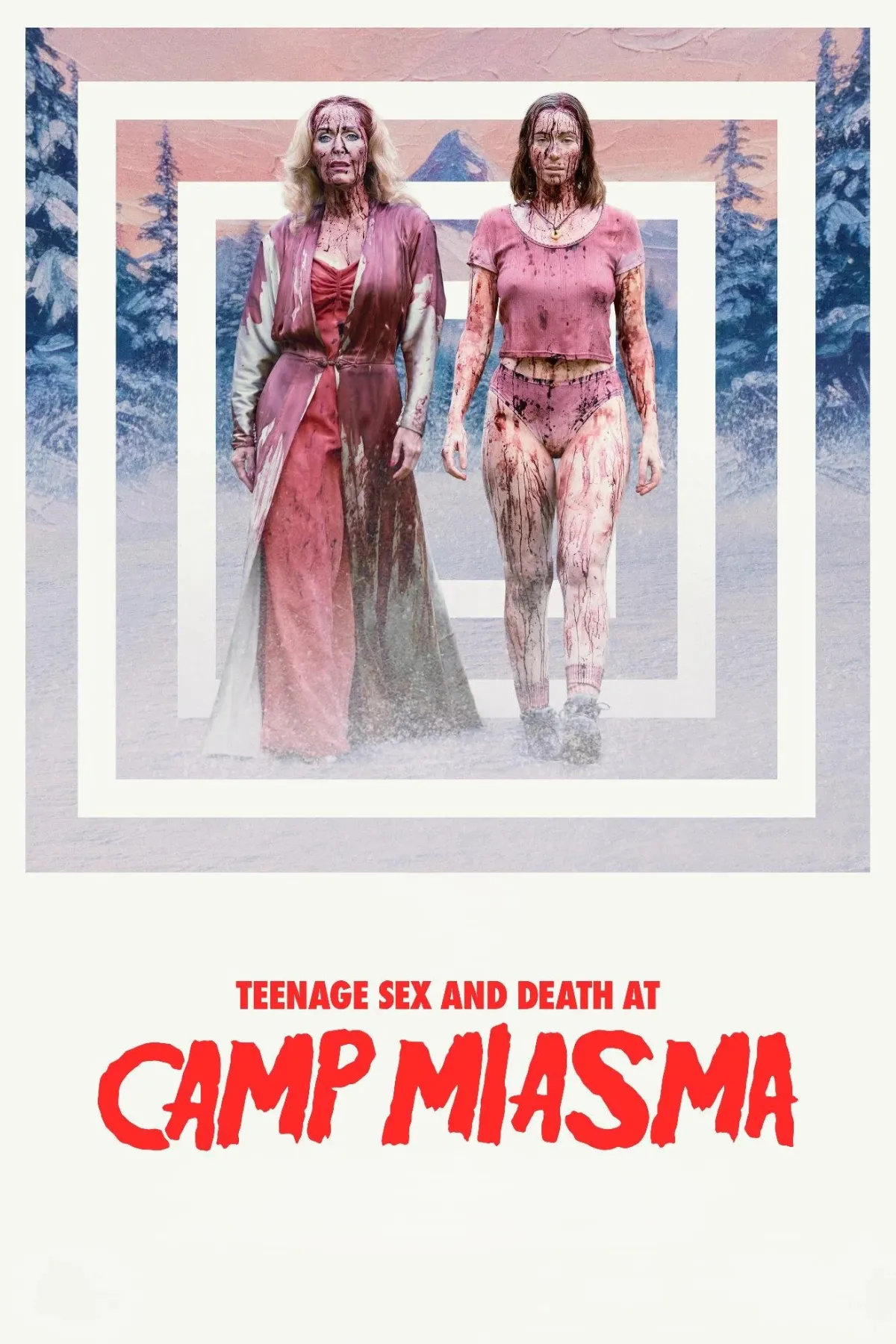
Within just three films, Jane Schoenbrun has rocketed up the list of my favorite filmmakers. They are one of the few new-school filmmakers who effortlessly show they’ve grown up less on the classics of the ’50s, ’60s, and ’70s and more on Friday the 13th, Sleepaway Camp, David Lynch, and the strange little corners of genre cinema that become formative when you’re young. Those influences have manifested themselves in sentimental, beautiful, and sometimes genuinely terrifying ways across each of their first three films, but Teenage Sex and Death at Camp Miasma feels like the fullest expression of all of them at once: a wholehearted, deeply endearing love letter to teen slashers that somehow finds entirely new ground without simply recycling the genre’s greatest hits. It’s one of the most masterfully crafted movies I’ve seen in years, and one I haven’t been able to stop thinking about in the days since first seeing it.
Read our full review of Teenage Sex and Death at Camp Miasma
Cloud

Kiyoshi Kurosawa’s Cloud is a taut, unnerving slow-burn thriller that reminds us just how masterfully he captures the quiet dread of modern life. Known for his foundational work in J-horror like Cure and Pulse, Kurosawa has always operated in a unique tonal register – where isolation, societal rot, and moral ambiguity simmer just beneath the surface. With Cloud, he’s returned to that sensibility in striking form, offering something that isn’t quite horror, not quite crime, but unmistakably Kurosawa: eerie, deliberate, and steeped in existential tension.
Enemy
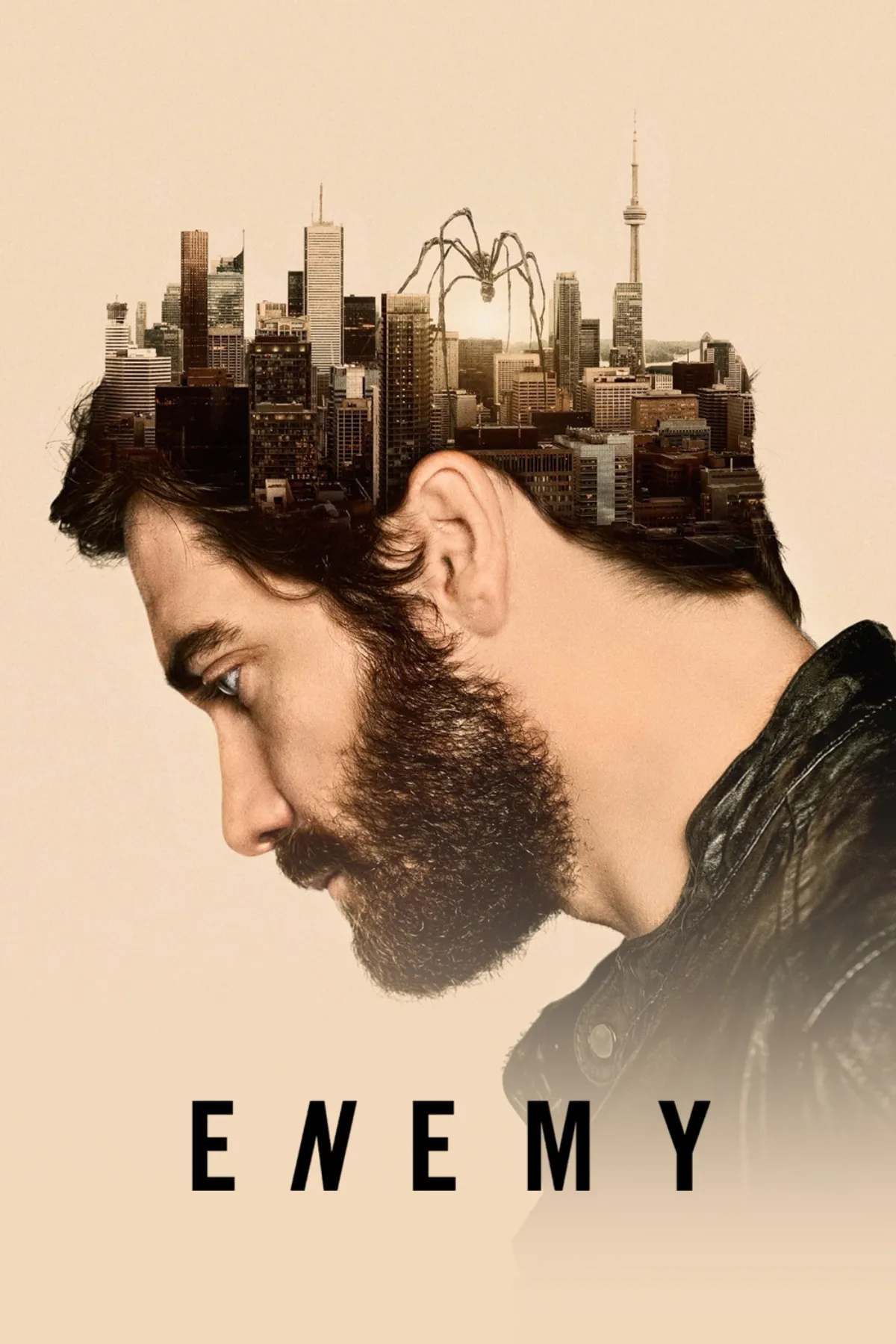
Enemy‘s true power lies in its ambiguity. Unlike conventional narratives that spoon-feed answers, Denis Villeneuve invites the audience to actively participate in unraveling the movie’s enigmatic plotlines. The recurring spider motif becomes a potent symbol, open to individual interpretation. Is it a harbinger of danger, a manifestation of repressed desires, or simply a narrative thread to guide us through the inner turmoil of Adam (Jake Gyllenhaal)? The beauty lies in the absence of definitive answers for Enemy, where Denis allows you to form your own conclusions.
Midsommar

Midsommar is one of the more daring movies of the last 20 years. Ari Aster’s sophomore film is a follow up to his audacious breakout horror hit Hereditary, which features similar, gory visual motifs to Midsommar. Florence Pugh stars in a movie that’s equal parts sadistic and hectic, upsetting and unnerving. It’s not for the faint of heart, but it grows in my estimation upon each rewatch (for which there have been many).
READ MORE: Movies Like Strange Darling, Movies Like Love Lies Bleeding