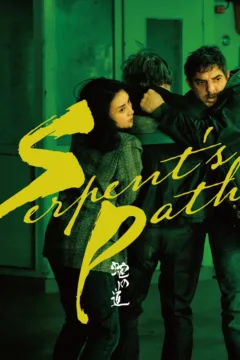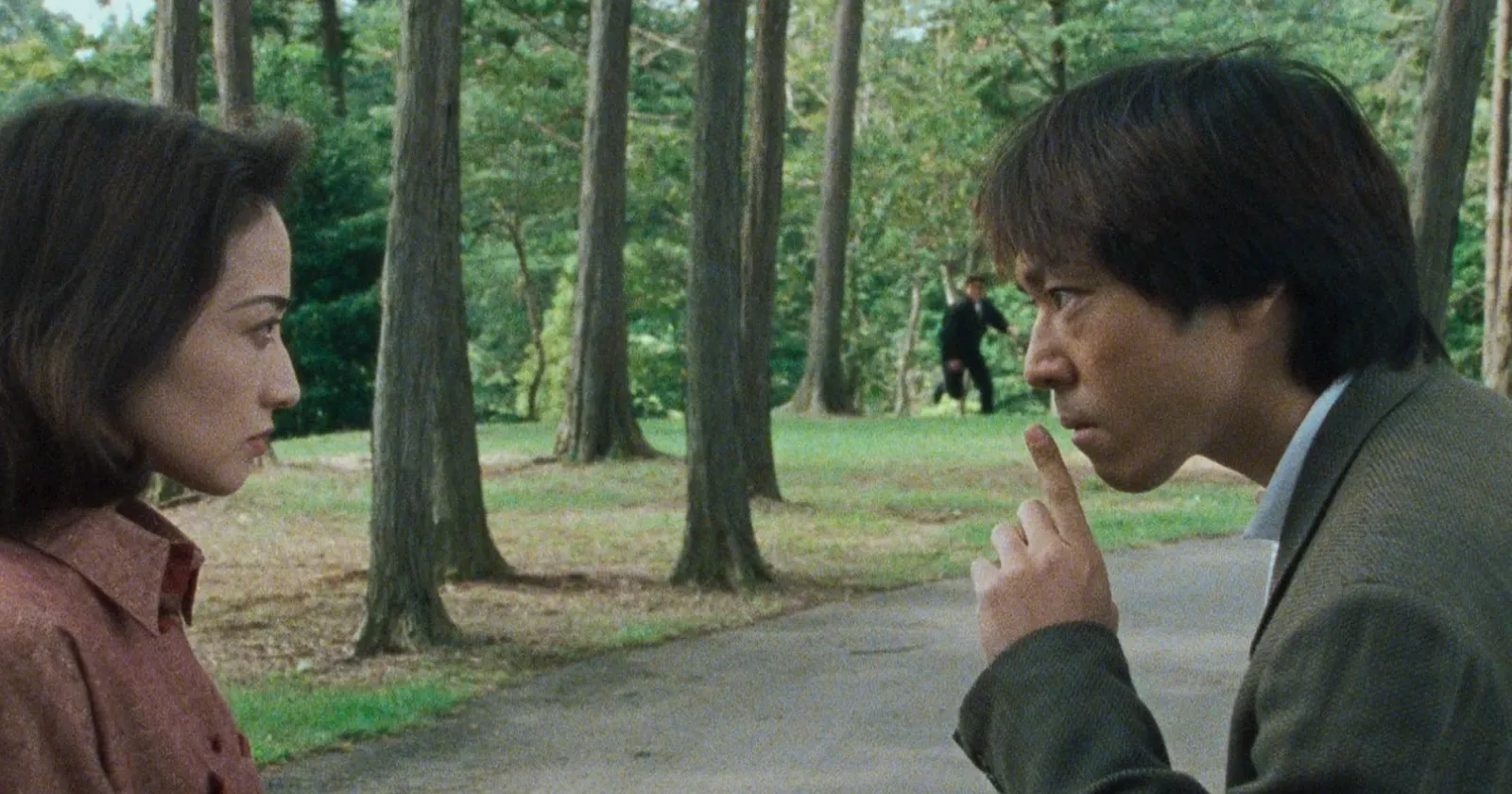
The ending of Serpent’s Path reveals that Miyashita (Teruyuki Kagawa) has been complicit in the gang’s torture video business all along. In fact, he is the person responsible for selling the recordings to customers, meaning he is not simply helping Nijima (Show Aikawa) track down the people responsible for his daughter’s murder. He is also helping sustain the very system of cruelty they are investigating. This revelation reframes Miyashita’s role in the story, making him a key part of the cycle of violence rather than just another person caught up in it.
What Does the Math Mean in Serpent’s Path?
Throughout Serpent’s Path, the mathematical equations involving infinite loops serve as a metaphor for the cycle of violence and exploitation. In the final scene, Miyashita stands alone in the middle of the equations, suggesting that he is the force keeping this cycle alive. By selling the torture recordings and turning suffering into profit, he helps ensure that the violence continues. Nijima’s line, “I hate you the most,” reinforces this idea, highlighting Miyashita’s responsibility for sustaining the system rather than simply participating in its crimes.
Does the 2024 Version of Serpent’s Path Have a Different Ending?
The 2024 version of Serpent’s Path does not significantly change the meaning of the original film’s ending. Although the remake follows its own characters and circumstances, the two leads ultimately travel down the same path, arriving at a similarly bleak conclusion about revenge, violence, and complicity. This reinforces the finale of the original Serpent’s Path, directed by Kiyoshi Kurosawa in the late 1990s, and preserves its central idea that cycles of violence are difficult to escape once people become part of them and sustain them.