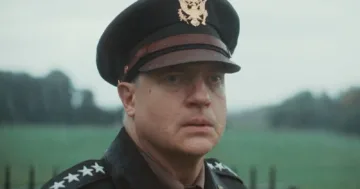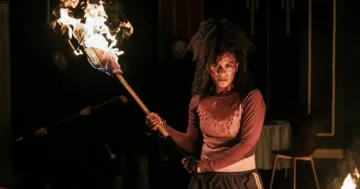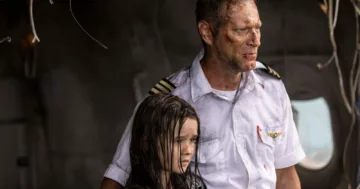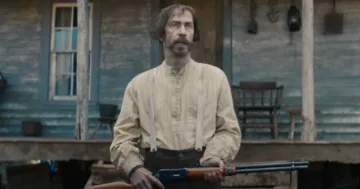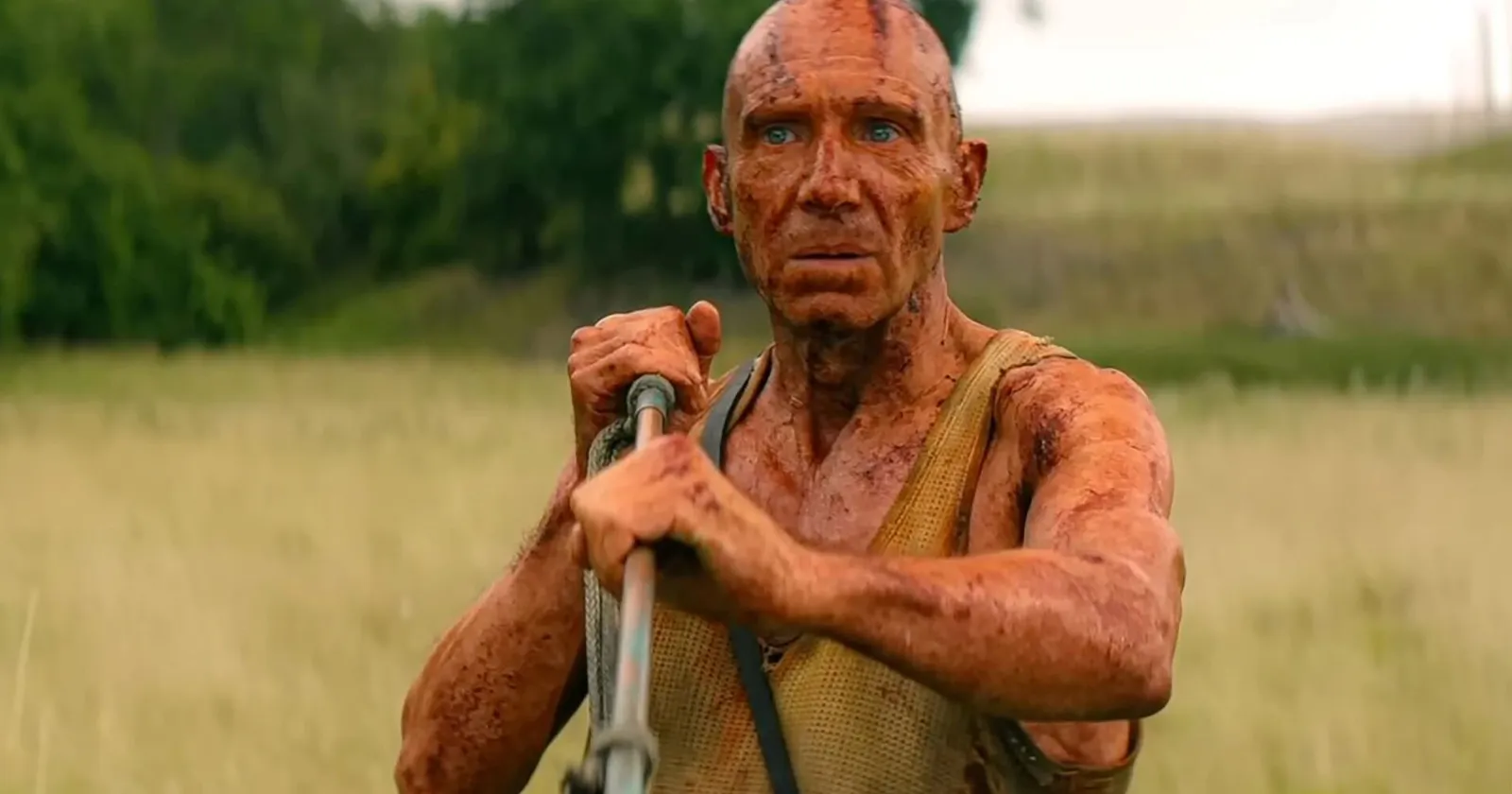
Here are Cinephile Corner’s 10 recommendations for movies like 28 Years Later: The Bone Temple:
Train to Busan
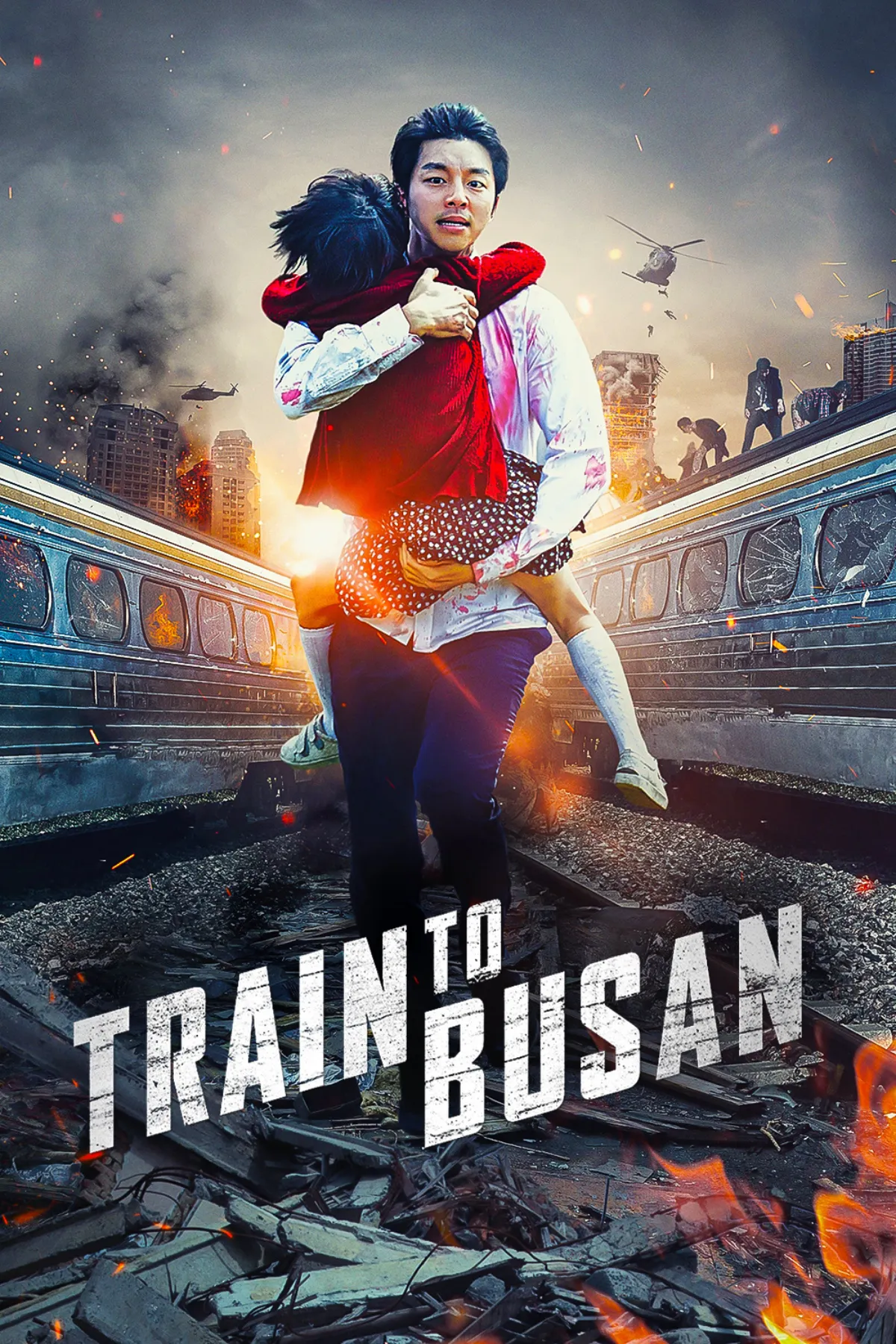
Yeon Sang-ho’s Train to Busan is a visual feast as survivors band together on a speeding bullet train. It delivers the right amount of thrills and action set pieces. Although the dramatic elements and character development may seem underbaked, the film rarely faulters and crashes off course.
The Elixir

Netflix’s Indonesian zombie thriller The Elixir is built on a sturdy if familiar setup: an estranged family is forced back together as a zombie outbreak rips through their town after a trial run of Jamu, a traditional herbal medicine, warps into a wrinkle-erasing miracle with monstrous side effects. Director Kimo Stamboel leans into pulp and gets plenty of mileage from the hook. The early chaos is tight and sticky, the gore is squeamish in a way that recalls peak The Walking Dead, and the effects often look pleasingly practical. As a piece of international genre fare, The Elixir has enough snap to sit alongside Netflix’s better imports.
A Quiet Place: Day One
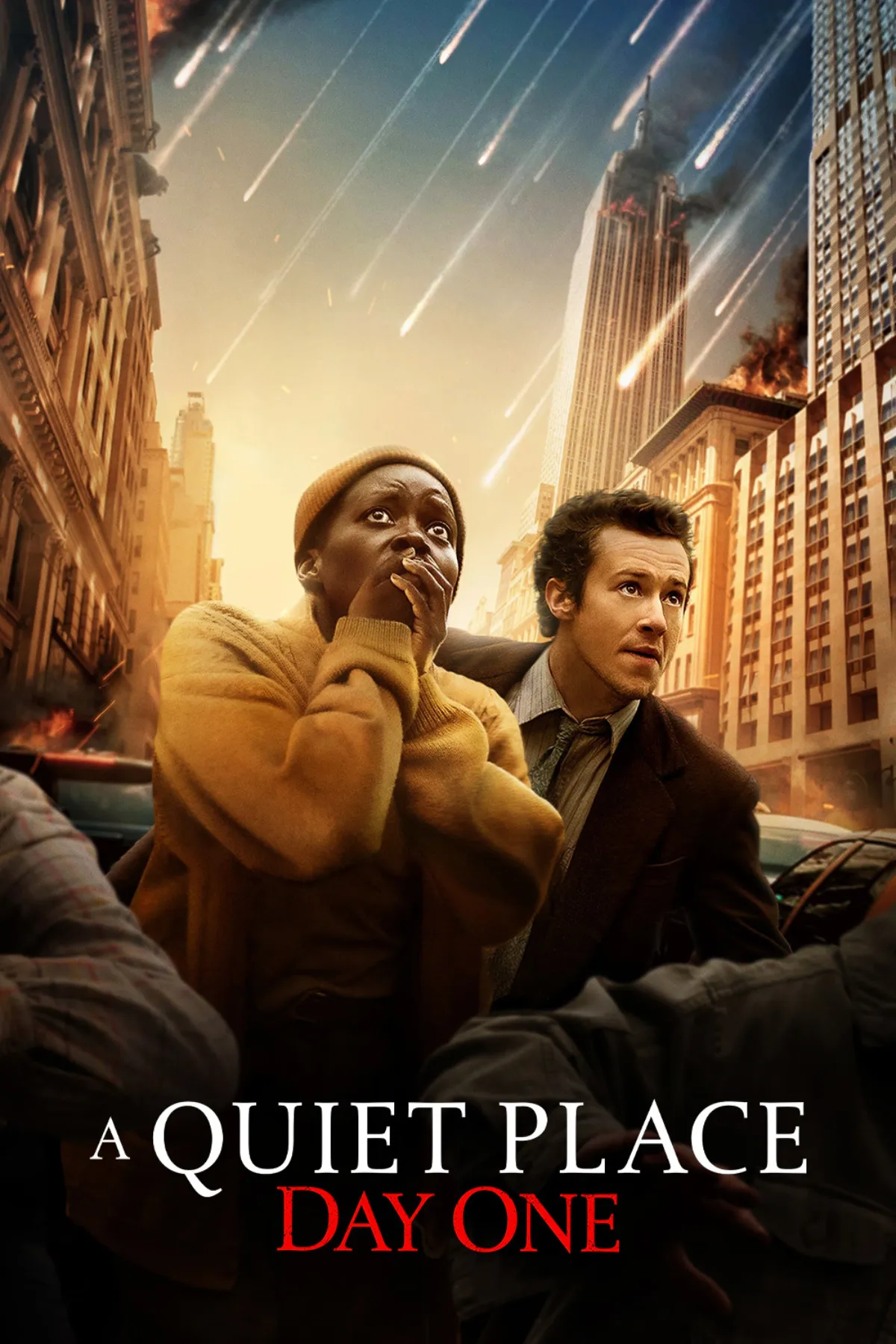
Michael Sarnoski sits in the director’s chair for A Quiet Place: Day One and delivers a movie that often feels like an A Quiet Place movie and a Michael Sarnoski film – just not at the same time. The softer moments between Lupita Nyong’o and Joseph Quinn are great, but often feel out of place in this larger world.
Wolf Man
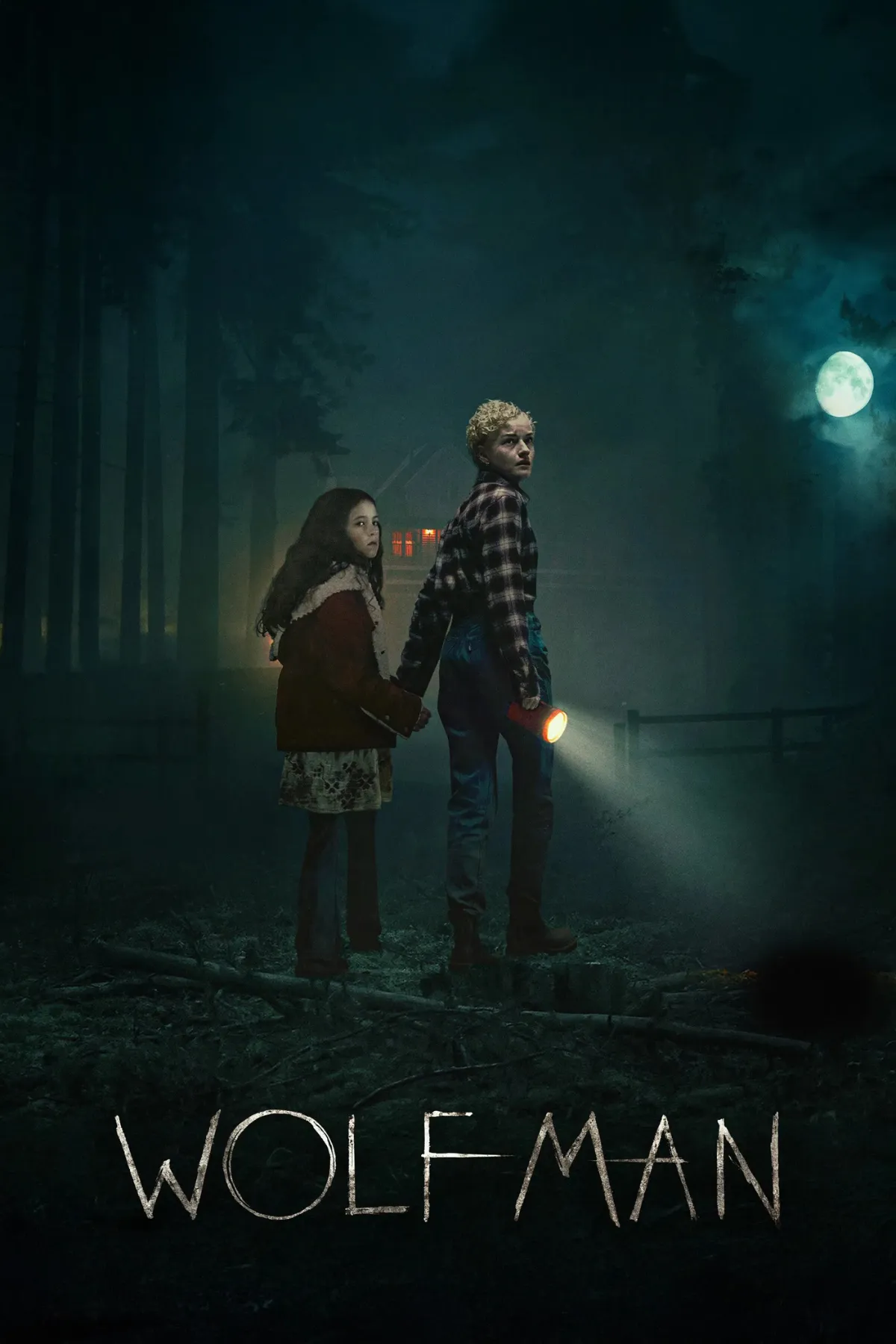
Wolf Man is another uneven entry in Universal Pictures’ long-running struggle to make their classic monster IP feel vital again. Leigh Whannell may be one of the more exciting genre filmmakers working today, but this misaligned project is more whimper than howl.
28 Years Later

Few film franchises feel as reflective of their eras as the 28 Days Later franchise. The 2002 original remains one of the most influential horror films of the century, with Danny Boyle’s grainy, handheld style perfectly matching its atmosphere of isolation and dread. Its 2007 sequel, 28 Weeks Later, wasn’t directed by Boyle or written by Alex Garland, and while it had moments, it left fans with a sense that more could be done with the premise. Now, both Boyle and Garland return for 28 Years Later (2025), a film that feels both like a homecoming and a cautious step toward something bigger.
We Bury the Dead

Daisy Ridley has quietly turned her post Star Wars years into one of the more interesting genre pivot runs in recent memory. Even when the movies are uneven, like The Marsh King’s Daughter, the choices are rarely boring, and when they click, like Sometimes I Think About Dying, you can see her stretching in real time. That streak continues with Zak Hilditch’s We Bury the Dead, a January release that arrives with all the baggage of the calendar’s reputation and still manages to offer more craft and atmosphere than you typically get in that slot.
Evil Dead Rise
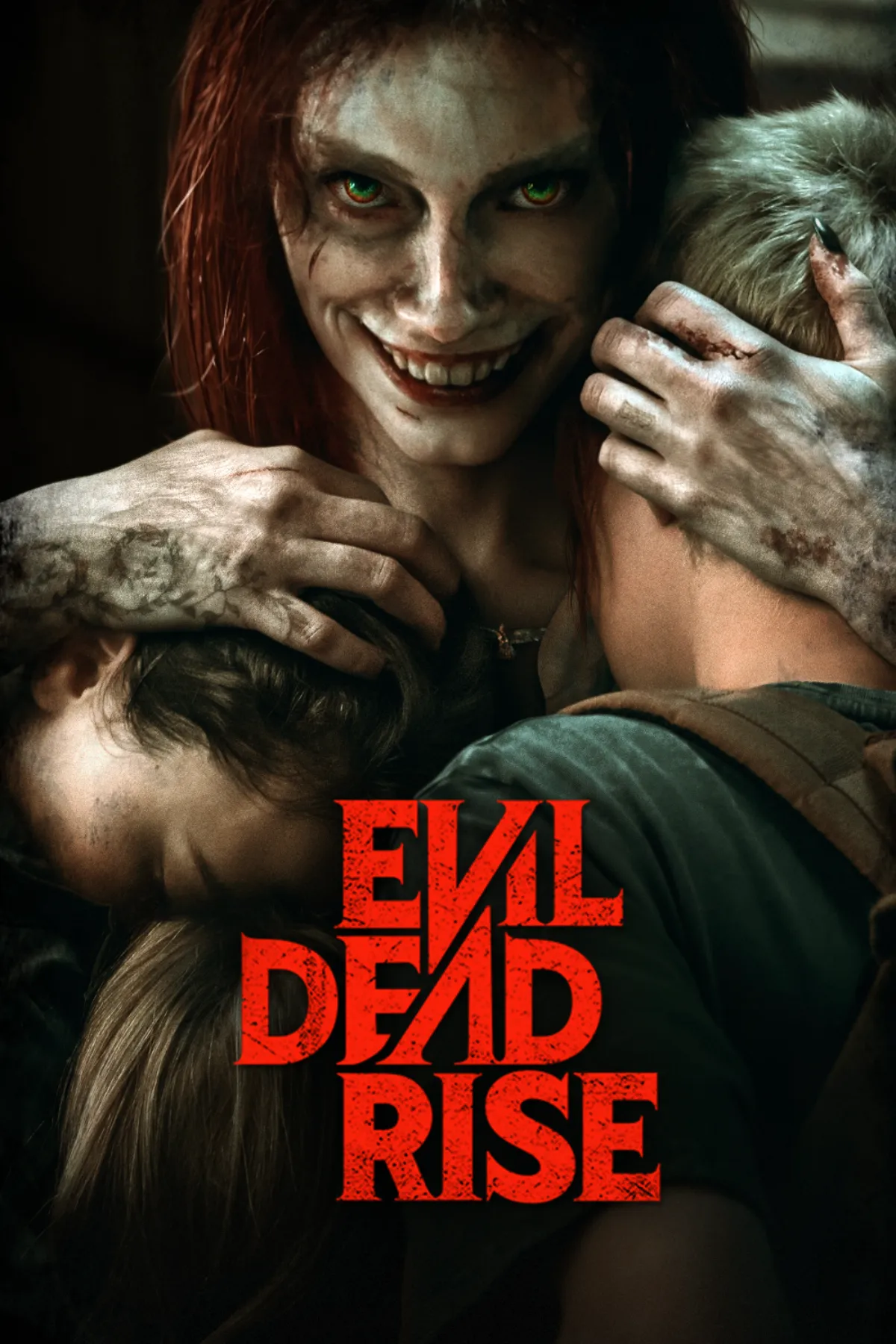
There aren’t many horror franchises able to reinvent themselves as often as Evil Dead does while still maintaining relevancy and quality. Maybe it’s because Sam Raimi holds his creation so close to his heart that only a select few are able to take on the premise, or maybe it’s because the premise seems simple and malleable enough to make nearly anything work. It can shoot for the downright zany and ludicrous with Evil Dead II or Army of Darkness, or it can strive to be like Lee Cronin’s newest spin Evil Dead Rise – a movie so sick and twisted that you can’t help but give it its dues by the time the credits roll.
28 Days Later
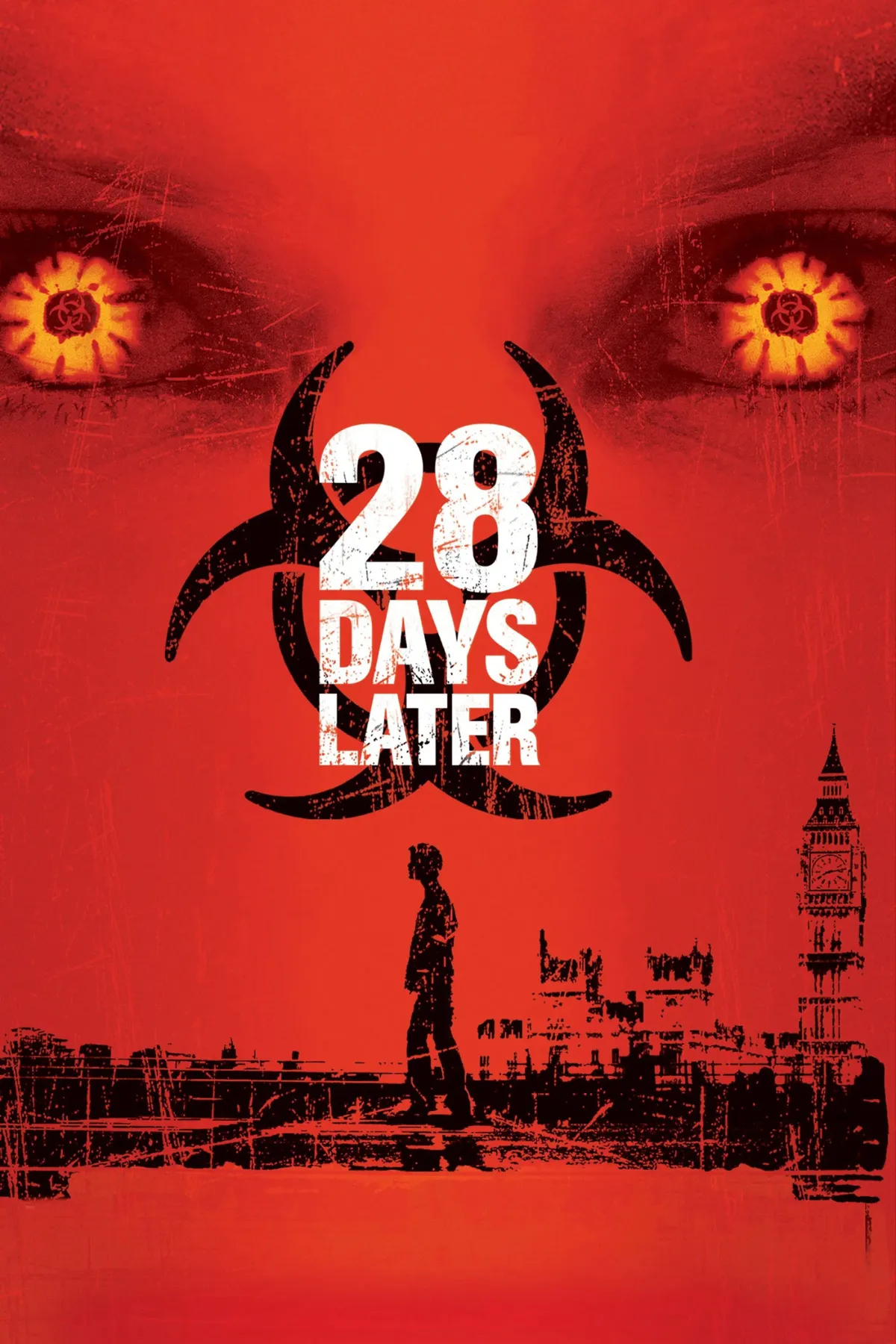
28 Days Later isn’t just another zombie movie—it’s a reinvention of the genre’s DNA, stripped down and reengineered for a new century of horror. Directed by Danny Boyle and written by Alex Garland, this lo-fi British horror film arrived at a moment when zombie films were treading water, yet it managed to make the undead feel urgent and terrifying again. With its harsh digital video aesthetic, jagged editing, and pulsating soundtrack, 28 Days Later feels like a transmission from a ruined world—one that still resonates more than two decades later.
Handling the Undead
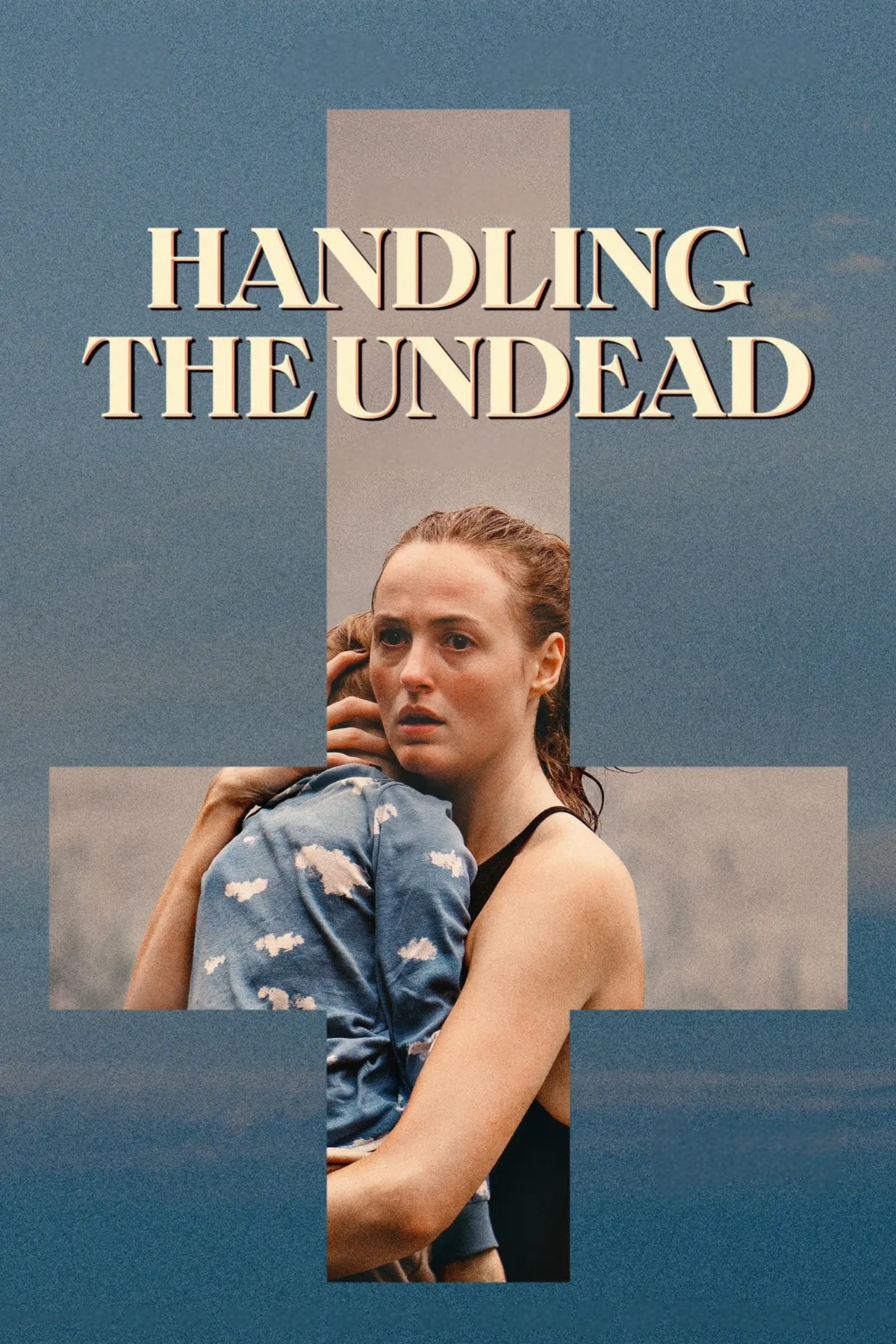
Handling the Undead is Thea Hvistendahl’s debut directorial feature, and while there are aspects of the movie that are fascinating (and even quite profound), the story is drawn out for far too long. The emotional bite is there in doses, but there’s a general feeling of malaise that washes over you and drowns you out.
Weapons

Weapons opens with one of the most chilling hooks you’ll hear in any movie this year: at exactly 2:17 a.m., every child from Mrs. Gandy’s class woke up, walked downstairs, opened the front door, stepped into the dark… and never came back. It’s the kind of premise that immediately grabs you, the kind of logline that sells itself in a trailer and sticks in your head for days. Writer-director Zach Cregger, who burst onto the horror scene with 2022’s Barbarian, proves once again that he knows how to start a story with an irresistible, terrifying question.
READ MORE: 28 Years Later: The Bone Temple (2026), Best Zombie Movies of All Time, Best Creature Feature Movies of All Time