Watching Black Hawk Down for the first time in June 2026 – admittedly maybe the wrong time to sit down with it given the real world circumstances of an ongoing war in Iran that shifts status on a daily basis. Context colors everything, and it colored this one pretty heavily.
But here’s what isn’t up for debate: Ridley Scott is arguably one of the best directors alive at exactly this kind of filmmaking. Movies that feel like reenactments, but reenactments so cinematic and overwhelming that – depending on my mood – it makes up for the fact that there’s often not a ton that emotionally clicks with me in his work, nor do I find much of his 21st century output to carry a lot of personality. I liked The Last Duel, Napoleon, and House of Gucci well enough, but I won’t argue that the dioramic recreation does a lot of the heavy lifting in each of those films compared to the thematic depths they don’t seem particularly interested in having. Black Hawk Down fits that mold pretty well too.
What doesn’t work for me is the film as a portrait of the horrors of war – largely because it reads less like a portrait and more like a brochure. Co-produced by the U.S. Government, Black Hawk Down has the fingerprints of its producers all over certain lines and character interactions, nudging you toward the conclusion that despite the rivers of blood shed by the young men on screen, it’s worth it. Necessary for the greater good. Ridley has described the film as anti-war but pro-military, and I’m not buying that distinction. It feels more like a copout for the ultimate tone and intentions of the messaging than any kind of meaningful artistic position.
And that’s what keeps it from landing as anything more than spectacle for me. For as many genuinely anti-war films as we’ve gotten over the last decade, it’s jarring to look back on something that premiered in theaters only a few months post-9/11 and feel the weight of that cultural moment pressing down on every frame. The empathy feels largely absent for the first two hours of its very long 145 minute runtime, only to be hastily tacked on through shoehorned conversations between surviving members of the Battle of Mogadishu as the credits loom. That’s not a reckoning with the sad, sad reality of what happened. That’s an excuse for the terror depicted.
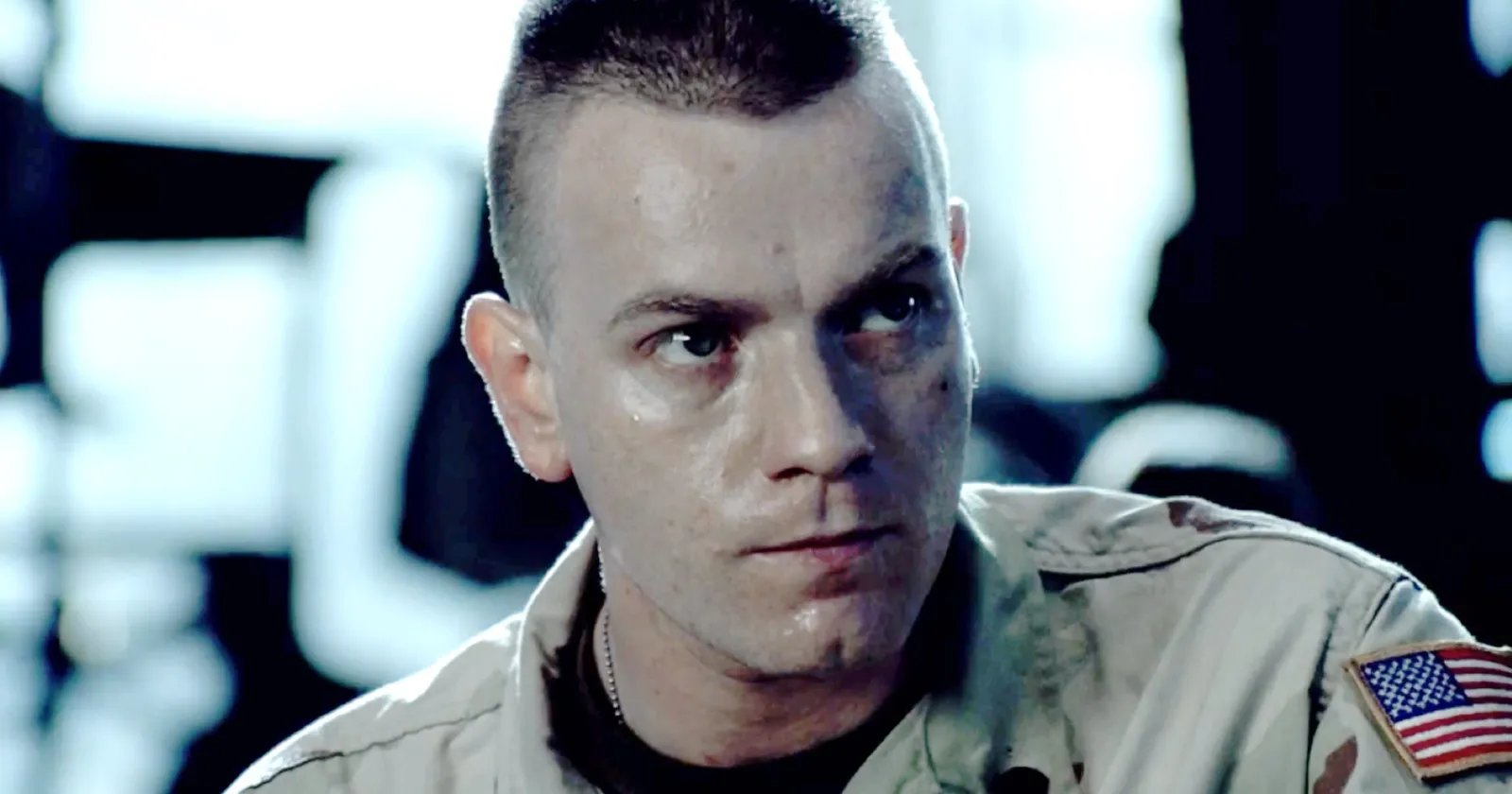
With all of that said – the physical filmmaking itself is visceral and nonstop, and feels so much like a relic of its era in (mostly) the best sense. It also has one of the more remarkable whose-who casts of young men who would go on to have extraordinary careers in the 25 years that followed. Josh Hartnett, Eric Bana, Ewan McGregor, Jason Isaacs, Orlando Bloom, and Tom Hardy are just a few names buried in this ensemble, and while it isn’t always easy to pick any one of them out of the chaos, it speaks to the fact that there’s always a capable and demanding presence on screen. The totality of their performances is what drives the central action when the filmmaking alone isn’t enough to carry it.
READ MORE MOVIE REVIEWS: A.I. Artificial Intelligence, Ghost of Mars, Ocean’s Eleven
But it’s still not really my thing. Visceral and muscular as it is, Black Hawk Down is a film that mistakes spectacle for substance and necessity for empathy. Ridley Scott with some of his most technically impressive and his most emotionally distancing work.
Score: 5/10
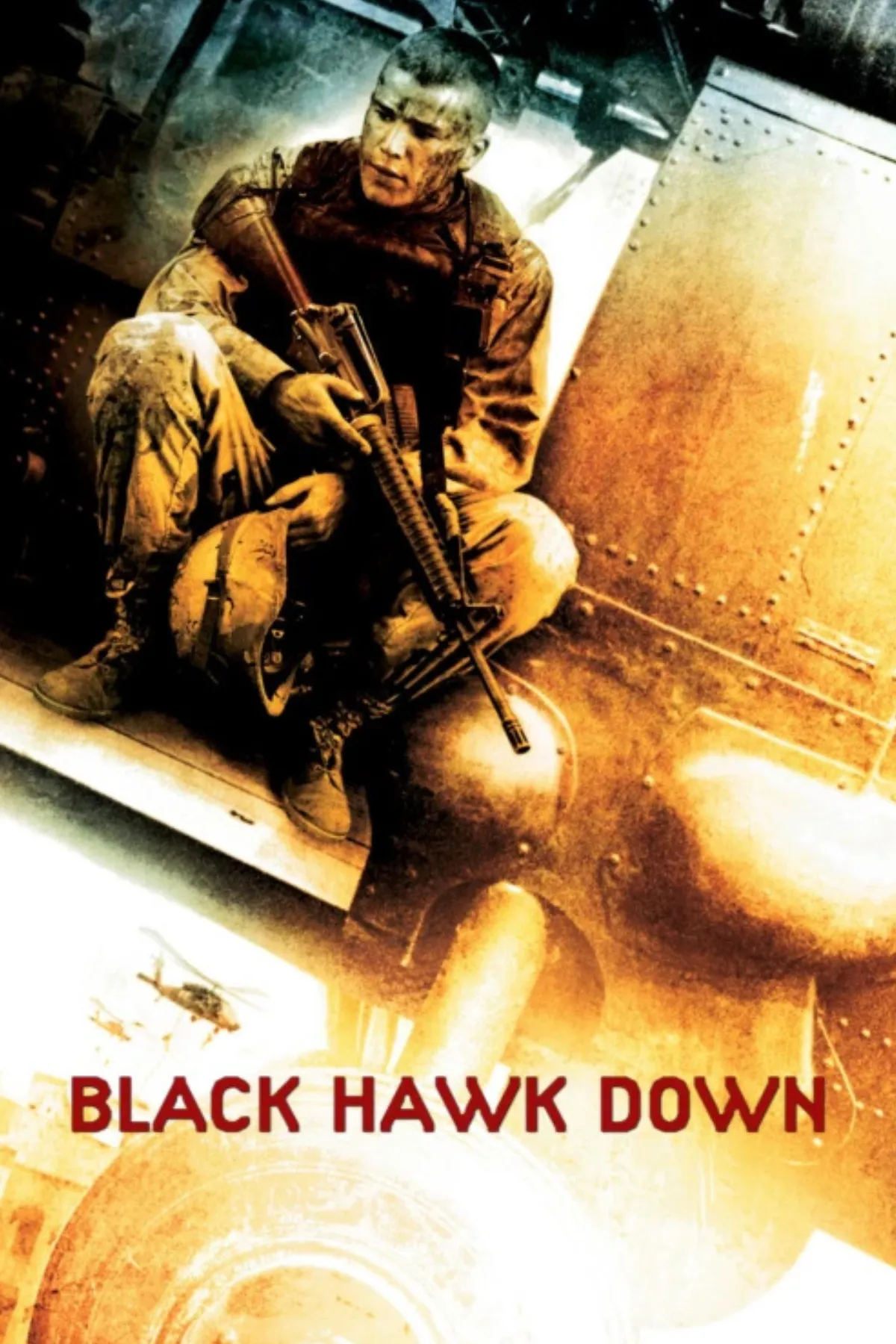
Black Hawk Down (2001)
- Cast: Josh Hartnett, Eric Bana, Ewan McGregor, Tom Sizemore, William Fichtner, Sam Shepard, Jason Isaacs, Ewen Bremner, Orlando Bloom, Tom Hardy, Nikolaj Coster-Waldau
- Director: Ridley Scott
- Genre: Action, History, War
- Runtime: 145 minutes
- Rated: R
- Release Date: December 28, 2001
- Movies Like Black Hawk Down: Warfare, The Covenant, All Quiet on the Western Front, More Movies Like Black Hawk Down
- Follow us on Letterboxd