The very concept of memory sits at the center of Sophy Romvari’s fantastic feature-length debut Blue Heron. And not necessarily about how memory works, but more so about how it doesn’t. The vague, fuzzy recollection of specific moments in life that make up how you remember someone years and years later. Each memory may not even be specific, or concrete and absolute, but the collection of feelings coming together seemingly with duct tape to help you remember foundational people in your life who may not be with you anymore. Romvari described Blue Heron as her “most significant attempt to capture just how fallible memory is,” which is about as accurate a self-assessment as you’re going to get from a filmmaker about their own work.
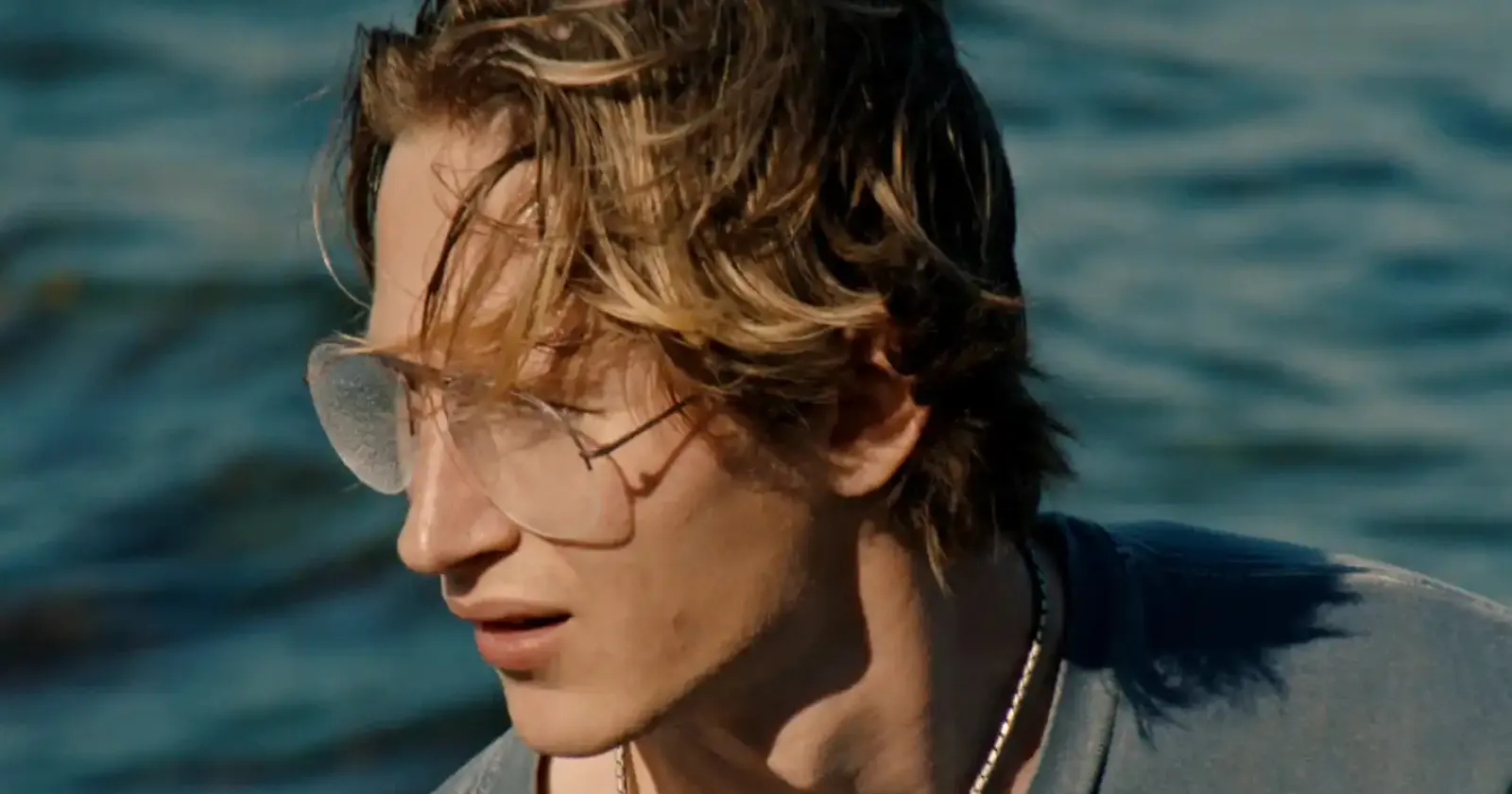
The film follows Sasha, an eight-year-old daughter of a Hungarian immigrant family who relocate to Vancouver Island in the late 1990s. Eylul Guven plays her with an effortless, intuitive naturalism that feels unmanufactured at every turn. She shares the screen with Ádám Tompa and Iringó Réti as her parents, but the film’s most gravitational presence is Jeremy, the family’s eldest child, played by Edik Beddoes. He slips in and out of frame throughout, rendered in faint impressions and slightly more erratic behavior as the film progresses. The purpose becomes clear, even if the film never makes it explicit: Jeremy is the family’s oldest child, whose personal demons and mental illness clash with a wild-child outsider personality until he slips from the film’s perspective entirely. And Romvari leaves deliberately ambiguous whether he was taken away or died by suicide, because the point is precisely that Sasha herself doesn’t remember or understand what happened, and never fully will.
For a director to push this hard at the possibilities of the medium through an autobiographical lens in their debut, and pull it off, is a real achievement. Blue Heron is a nakedly personal exploration of one’s own memories and grief, and of the absence of answers to either, and it ranks among the very best debut films of the 2020s. The film is intentionally light on finite details because the expectation that memory is permanent is foolish to begin with. The internal and external mining for answers as a way to grieve, years and years later, is not just fascinating to observe from a distance. It’s deeply engaging in the way it pulls you inward toward your own memories, your own gaps, your own inexplicable holes where something or someone used to be.
What Romvari does best is trust the audience to sit with ambiguity, and to feel the weight of what’s missing rather than reaching for it. Maya Bankovic’s cinematography holds that sensibility in every frame, dreamlike and solemn in a way that carries recent DNA from Aftersun, Janet Planet, and even The Florida Project. But where some of those films keep a measure of emotional remove, Romvari doesn’t pull any punches. She lays it all bare. The blink-and-you’ll-miss-it time jump to the present entering the third act is breathtaking in the way it reorients the entire film, snapping the personal and biographical lens into a new and devastating focus. Amy Zimmer, playing Adult Sasha, carries the accumulated weight of everything that came before without a single overcooked moment.
READ MORE MOVIE REVIEWS: Roommates, The Bride!, The Drama
The last thirty minutes of Blue Heron land like a truck of bricks. After a festival run that included a First Feature Award win at Locarno and a celebrated Canadian premiere at TIFF, the film has now found its way to Janus Films for US distribution, which is exactly the right home for it. This is the kind of movie Janus was built to champion. Undoubtedly one of the best films of 2026, and one of the most personal films I think I’ve ever seen. Keep an eye on Sophy Romvari. She’s (hopefully) just getting started.
Score: 8/10
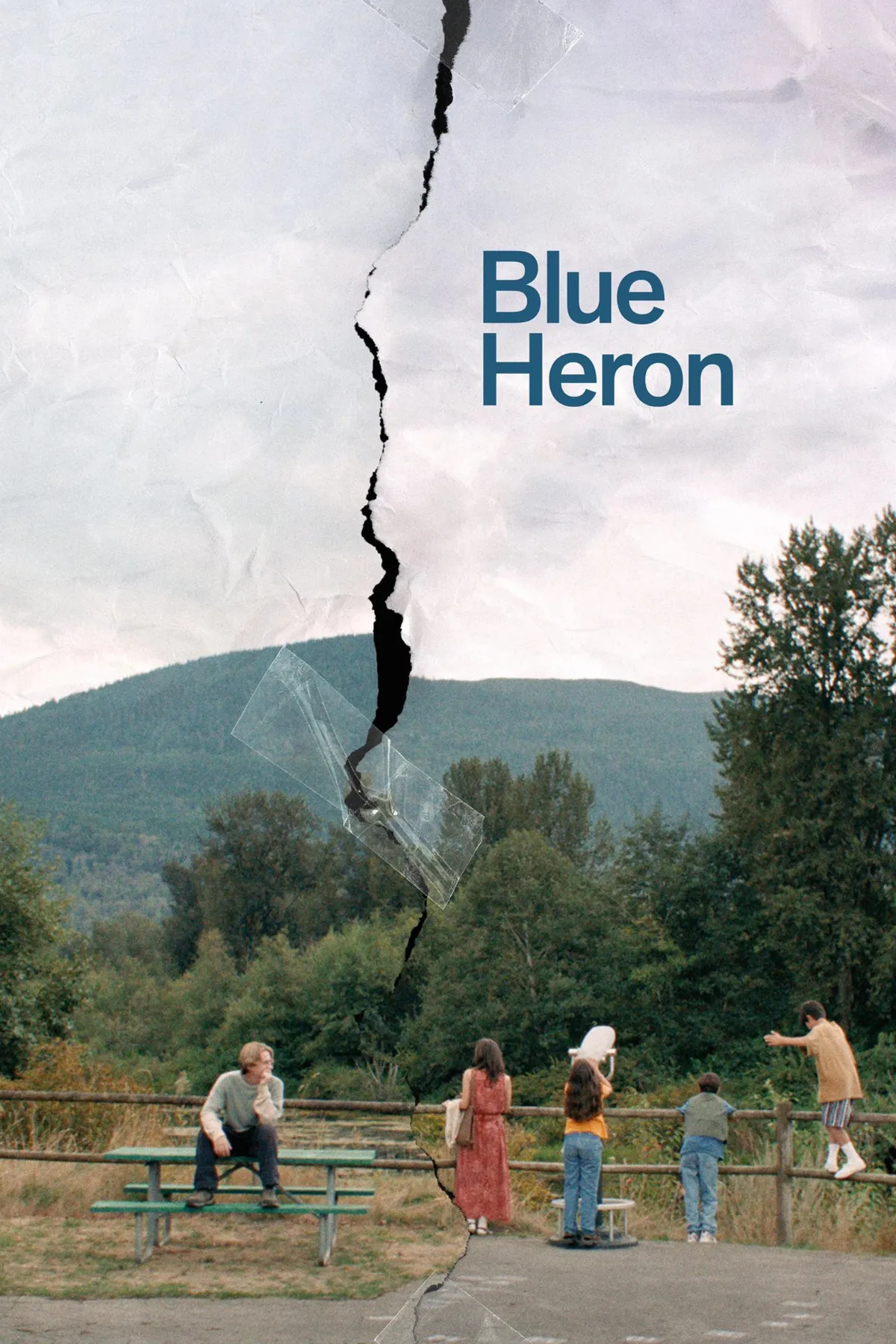
Blue Heron (2026)
- Cast: Eylul Guven, Iringó Réti, Ádám Tompa, Edik Beddoes, Amy Zimmer
- Director: Sophy Romvari
- Genre: Drama
- Runtime: 91 minutes
- Rated: NR
- Release Date: May 1, 2026
- Movies Like Blue Heron: The Love That Remains, Left-Handed Girl, C’mon C’mon
- Follow us on Letterboxd