BookTok and romance novels have taken not one industry by storm, but two industries by storm. The rise in book clubs and avid romance readers has made the subgenre of movie adaptations a rather fruitful one, from theatrical releases to straight-to-streamers, and whatever you think of the quality of them, there is clearly an audience for these movies. We’ve gotten everything from People We Meet on Vacation and The Housemaid to the emerging Colleen Hoover cinematic universe of Regretting You, Reminders of Him, and the upcoming starry Verity.
The latest of the bunch is The Love Hypothesis, heading straight to Prime Video with the hopes of breaking a few different curses simultaneously. Among them, the curse of the literary adaptation itself. To be quite frank, a lot of these movies just aren’t all that great. They hit the key plot points of their source material but lack the sincere performances, nuanced direction, or cinematic punch to make them feel like anything more than (or sometimes even equal to) serviceable streaming content.
Prime Video, meanwhile, feels like a pretty appropriate home for something like this given its own increasingly dingy track record with original movies. Between action non-hits like G20 and The Wrecking Crew, comedies like Balls Up, and thrillers like Holland and the absolutely dreadful Another Simple Favor, the streamer has, despite some strong competition, built one of the more lousy straight-to-streaming movie libraries out there. I was hoping The Love Hypothesis might breathe a little new life into a genre and a catalog that have both felt comatose at times, and… I don’t think we quite get there. There are moments here that work, but the movie is hampered by oddly shaped characters and performances in its first half before introducing some increasingly miscalculated and heavy-handed twists in the second.
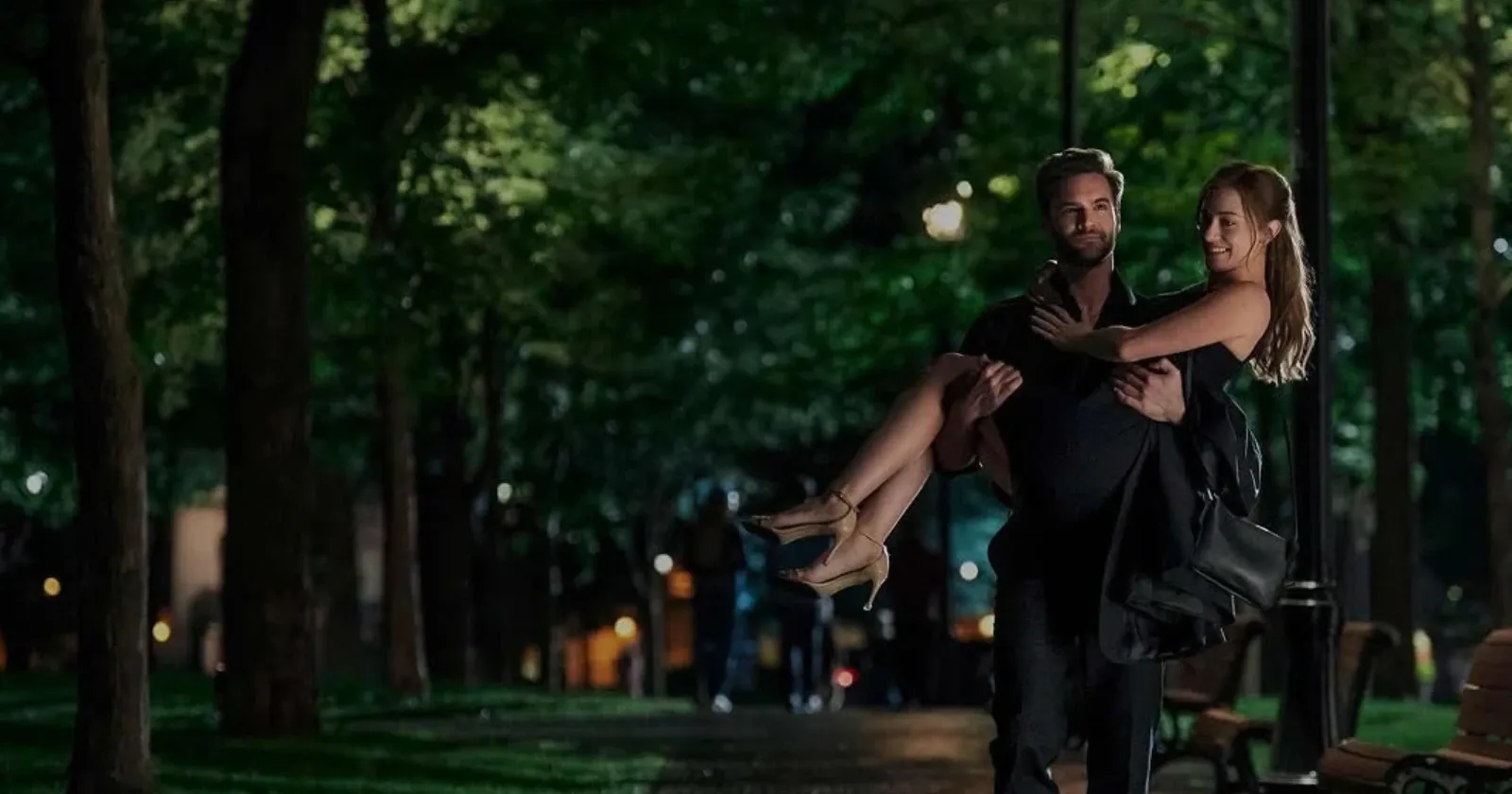
The biggest hurdle early on is Tom Bateman’s Adam, a tyrannical and nerdy professor who agrees to fake-date one of his students in order to convince his colleagues that he’s committed to his university. Bateman is asked to play him as half beefy academic and half awkward introvert, and it takes me a while to buy what the movie is selling. He’s not particularly charming at first, and the performance feels so deliberately downplayed that I wasn’t entirely convinced there was much chemistry to work with. But once his relationship with Olive, played by Lili Reinhart, develops into the second act, Bateman starts finding the groove. Reinhart gets there much more easily, playing Olive with a natural warmth and steadiness that makes her easier to root for from the beginning. Her fake relationship with Adam is motivated less by professional ambition than by personal embarrassment, as her friend Anh is convinced she still isn’t over her ex. So Olive agrees to this increasingly elaborate charade to prove a point, and what begins as a ridiculous premise eventually becomes a relationship that lasts long enough for everyone around them to believe it’s real, including Olive and Adam themselves.
That’s where the movie works best. There’s something fun about watching two people commit so hard to a fake relationship that they eventually start behaving like an actual couple, and Reinhart and Bateman have enough chemistry after a while to make the transition believable. The problem is that the movie doesn’t seem particularly confident that this is enough. The script keeps piling on complications until the whole thing starts to feel less like a romantic comedy and more like a collection of plot points that need to be checked off before the credits roll. The throughline about these two characters being scientists is particularly corny, to the point where their dialogue sometimes sounds like the screenplay desperately has to rip straight from the page. Their interactions can be genuinely sweet and endearing, but there were several moments where I found myself cringing at how explicitly the movie was spelling out what these two were supposed to mean to one another, especially during the reconciliation toward the end, and the scientific jargon used to help these two explain their feelings for one another.
And that final leg really loses me. Olive’s professional career becomes endangered by a professor (not Adam) who uses a potential job opportunity as leverage for sexual favors, and it’s such a surface-level, trite plot point that I almost gasped when it appeared. It comes seemingly out of nowhere, and the screenplay lays everything out so painstakingly and matter-of-factly that there is very little room for ambiguity or genuine dramatic tension. It’s one of those moments where you can practically see the gears turning behind the screenplay as it announces, “Here is the serious issue now.” It’s especially frustrating because the movie had already built a more effective form of tension through the relationship itself, and the steamier scenes between Reinhart and Bateman are some of the better material here. The movie doesn’t need this gigantic external conflict to manufacture stakes when the central relationship is already doing the work.
READ MORE MOVIE REVIEWS: Jackass: Best and Last, Gail Daughtry and the Celebrity Sex Pass, Sheep in the Box
I also wonder how much of this plays better on the page. There’s a certain corniness to the scientific metaphors and the way Olive and Adam talk about each other that I imagine might read as sweeter or more endearing in a romance novel, where you have access to their internal thoughts and can sit with the emotional logic of the relationship. On screen, it can feel a little more literal, especially when the dialogue starts explaining the emotional significance of things that the performances have already communicated. That’s probably part of the inherent challenge of adapting this particular kind of BookTok romance: what works as an internal fantasy or a written romantic beat doesn’t necessarily translate when you have to physically watch two people say it to each other, and hearing the dialogue is cornier than reading it.
I don’t think The Love Hypothesis is particularly good, but I also don’t think it completely misses the mark. Lili Reinhart is a steady lead who commits to the movie’s different emotional tones, and Tom Bateman eventually finds his groove as Adam once the relationship gets moving. There is a genuinely pleasant romantic comedy buried in here, especially when the movie just lets these two characters interact without throwing another dramatic obstacle in their way. But the clunkier opening and increasingly heavy-handed final third ultimately kept me at arm’s length, and the overt dialogue only made that distance more noticeable. For what it’s worth, I did ask my fiancée, who is much more plugged into BookTok and sits directly in the target audience for this kind of movie, and her assessment was that it was, at the very least, faithful to the novel.
Score: 5/10
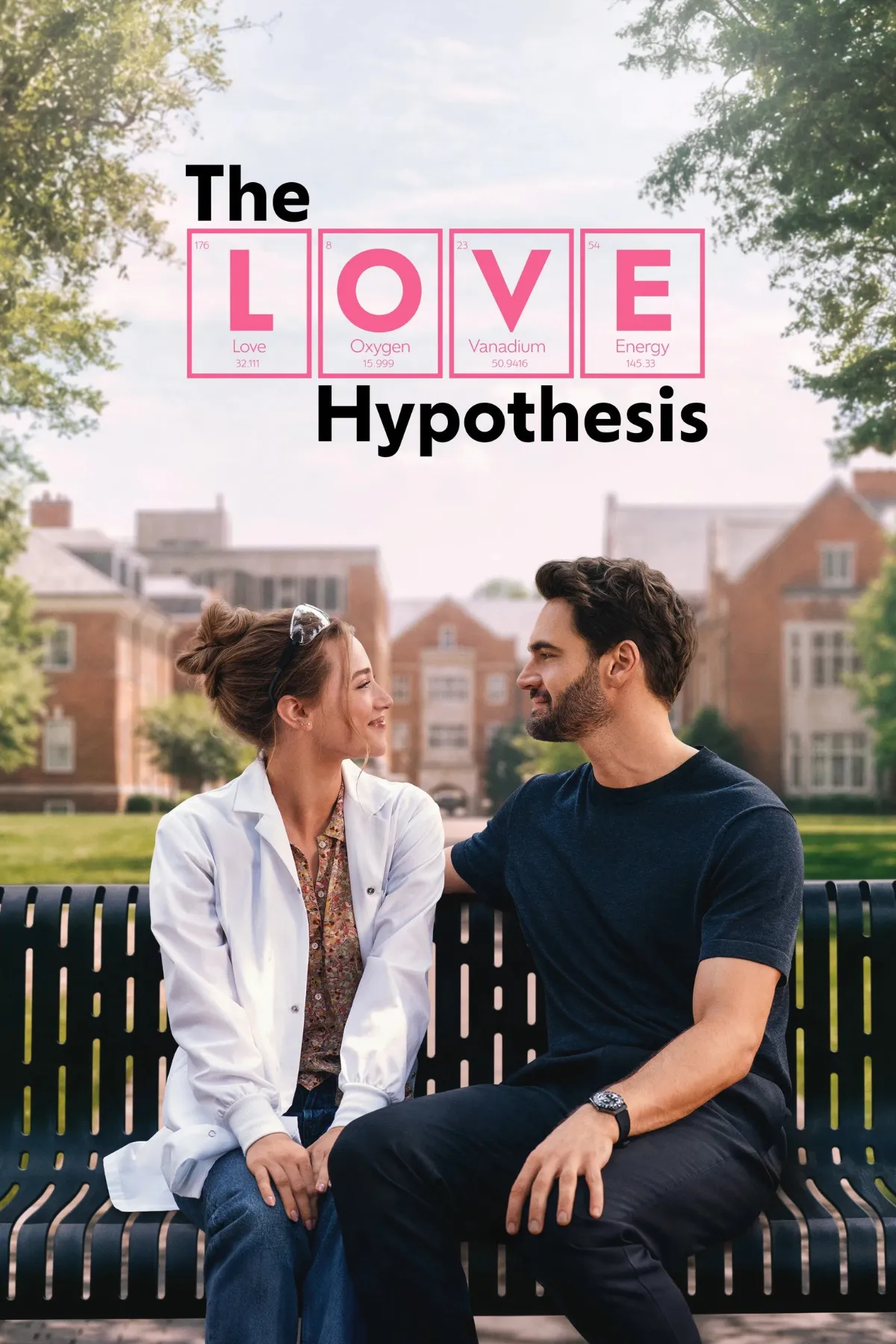
The Love Hypothesis (2026)
- Cast: Lili Reinhart, Tom Bateman, Rachel Marsh, Jaboukie Young-White, Nicholas Duvernay, Arty Froushan
- Director: Claire Scanlon
- Genre: Comedy, Romance
- Runtime: 110 minutes
- Rated: R
- Release Date: September 23, 2026
- Movies Like The Love Hypothesis: Voicemails for Isabelle, You, Me & Tuscany, The Sun Never Sets, More Movies Like The Love Hypothesis
- Follow us on Letterboxd