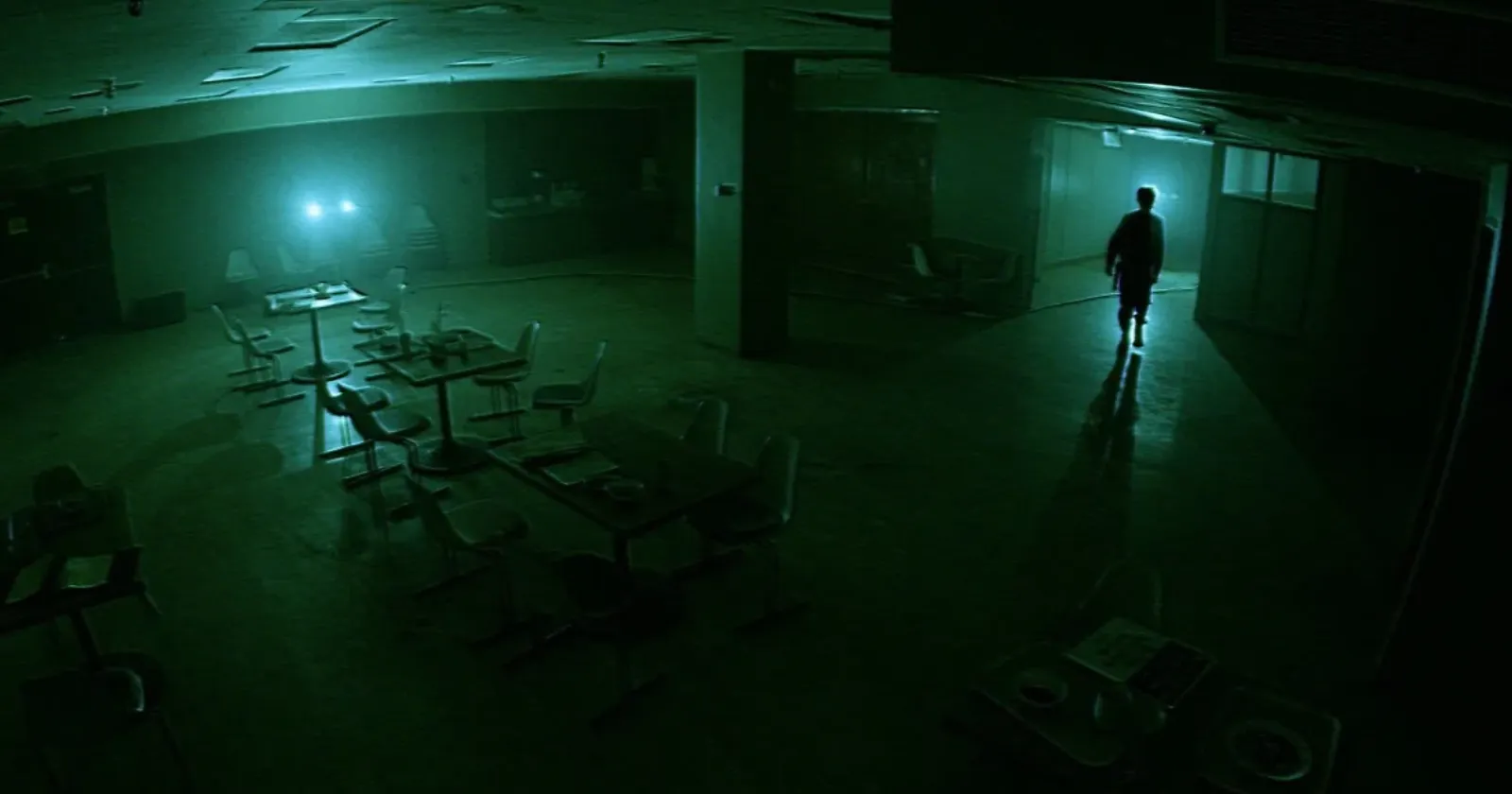
I’m happy that David Lowery is making movies for adults again. That probably sounds like a strange way to begin a review of a movie that I ultimately didn’t care for, but Lowery remains one of the more fascinating filmmakers working today because he consistently operates on a razor’s edge between transcendent and tedious, and has made movies that are among my favorites of the last 15 years, as well as films that don’t work really at all. For every A Ghost Story or The Green Knight – films that use ambiguity and atmosphere to pull you deeper into their worlds – there’s another project that feels content to leave you standing outside in the cold, admiring the architecture without ever inviting you in. Unfortunately, Mother Mary falls firmly into the second category for me.
And that’s frustrating because there are pieces of a solid return scattered throughout it. Lowery’s latest crosscuts between the electric concert performances from the titular pop icon and the reunion between her and her estranged costume designer and former best friend, Sam. The former sections are exhilarating, while the latter make up the majority of the film.
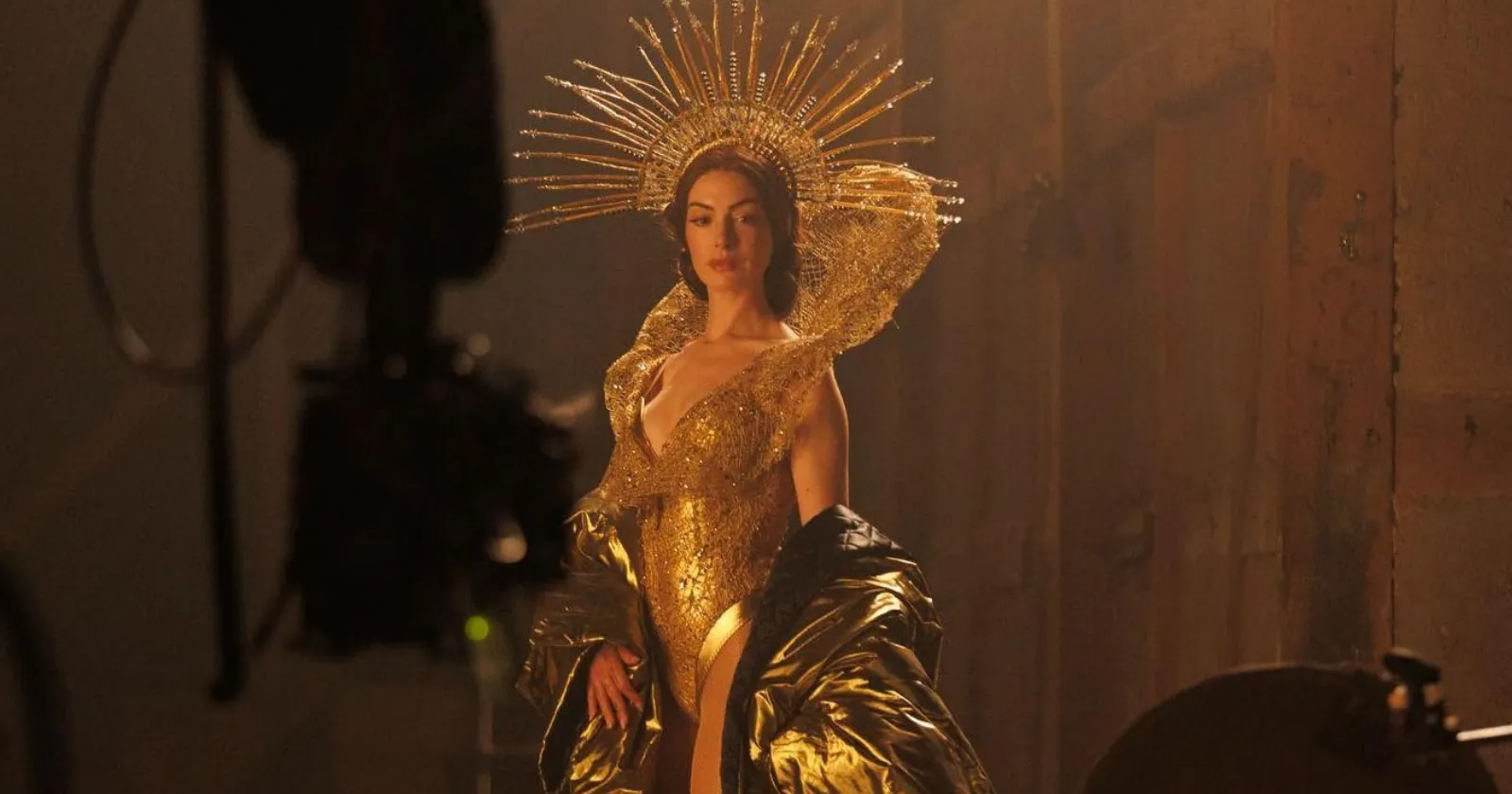
In an era where concert films have undergone a resurgence thanks to artists like Beyoncé, Taylor Swift, Billie Eilish and others, Lowery clearly understands what makes those performances cinematic. He’s cited many of those projects as influences, and it shows. These moments are glamorous, inventive, and staged with a confidence that rivals some of the best concert filmmaking of the last several years. They’re the easiest thing to market about Mother Mary because they’re also the easiest thing to immediately connect with. The irony is that they barely make up the movie.
Instead, Mother Mary spends most of its runtime isolated in a wood shack/barn where Sam, played well and with bottled-up anger by Michaela Coel, designs the outfit for Mary’s return to the stage. The film becomes a chamber piece focused on old wounds and fractured friendship, which would be perfectly fine if either character felt fully realized beyond the broad strokes Lowery provides.
Anne Hathaway, to her credit, gives absolutely everything to this performance. It’s a startlingly demanding role, requiring her to bounce between commanding stage performances and emotionally raw confrontations with Coel. She handles both sides of the equation beautifully. Coel is equally locked into the film’s wavelength, navigating the gothic mystery that hangs over every interaction. There’s never a moment where either actress feels miscast or incapable of carrying the material, in fact for much of it they feel overqualified, doing their best to string along a story that doesn’t offer enough to sink your teeth into.
Lowery spends much of the first hour refusing to show his hand. Information arrives in fragments. Conversations dance around specifics, and motivations are intentionally obscured. It’s a storytelling approach that can create intrigue when executed well, but here it risks exhausting the audience’s willingness to keep playing along. I spent much of the film feeling like I’d accidentally wandered into the second act of a story whose first act had been misplaced.
We understand that Mother Mary and Sam have suffered a falling out. We understand that their relationship carries emotional baggage. What we never fully understand is who they are outside of that history. Their careers are defined. Their shared pain is defined. Everything else feels frustratingly vague.
As a result, the reunion at the center of the film never lands with the emotional force it’s clearly reaching for. It’s difficult to care deeply about two people reconnecting when you’ve barely been given a reason to know them in the first place.
That disconnect becomes increasingly noticeable because of how heavily the film was marketed around its concert imagery. They’re intermittently edited into a movie otherwise consumed by quiet conversations and table-setting for revelations that take far too long to arrive. By the time the second half begins delivering answers, I found myself struggling to remain invested in questions that never grabbed me in the first place.
Stylistically, Mother Mary often reminded me the most of Peter Strickland’s In Fabric. The giallo-inspired visual language, heightened artifice, and dreamlike atmosphere all feel spiritually connected. The difference is that In Fabric continually pushes itself toward stranger and riskier places. Whether or not every swing connects, Strickland’s film feels determined to explore every bizarre corner of its premise. Mother Mary, by comparison, feels oddly restrained despite its enigmatic presentation.
There’s certainly admiration to be had here. Hathaway and Coel are excellent. The concert sequences are phenomenal. Lowery remains a filmmaker whose ambitions are far more interesting than most directors working at this scale. But ambition only gets you so far when the emotional foundation underneath it feels this thin.
READ MORE MOVIE REVIEWS: Obsession, Kontinental ’25, Backrooms
Mother Mary constantly gestures toward depth without ever quite finding it. For some viewers, that ambiguity will likely be the appeal. For me, it resulted in a film that feels caught between two far more interesting versions of itself: a dazzling concert spectacle and an intimate character study. It never fully commits to either, and I wish it committed to option A. Lowery continues walking that tightrope. This time, unfortunately, he falls off.
Score: 4/10
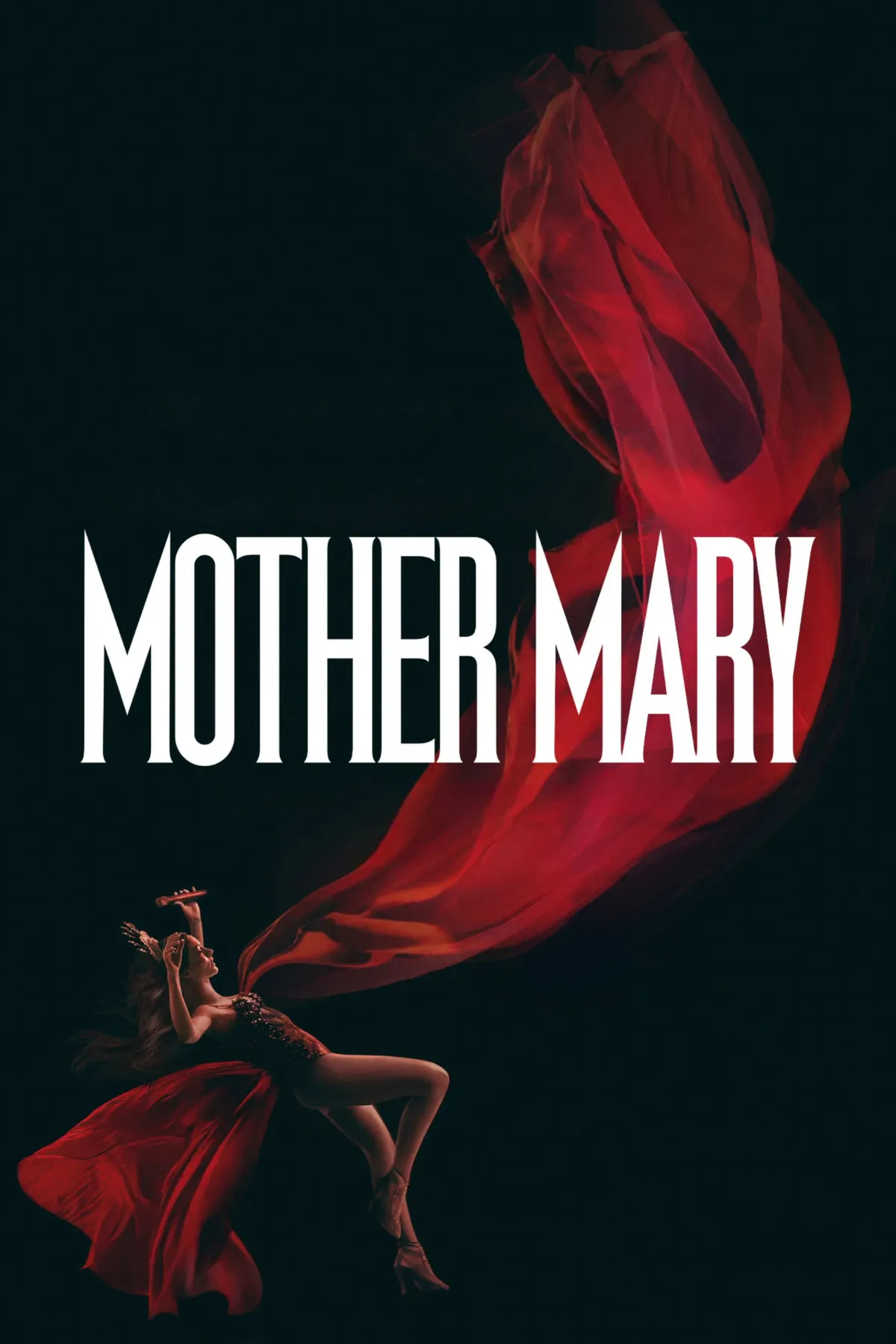
Mother Mary (2026)
- Cast: Anne Hathaway, Michaela Coel, Hunter Schafer
- Director: David Lowery
- Genre: Drama, Music, Thriller
- Runtime: 108 minutes
- Rated: R
- Release Date: April 17, 2026
- Movies Like Mother Mary: Trap, Last Night in Soho, The Bride!
- Follow us on Letterboxd