Here are Cinephile Corner’s 10 recommendations for movies like Under the Skin:
Enemy
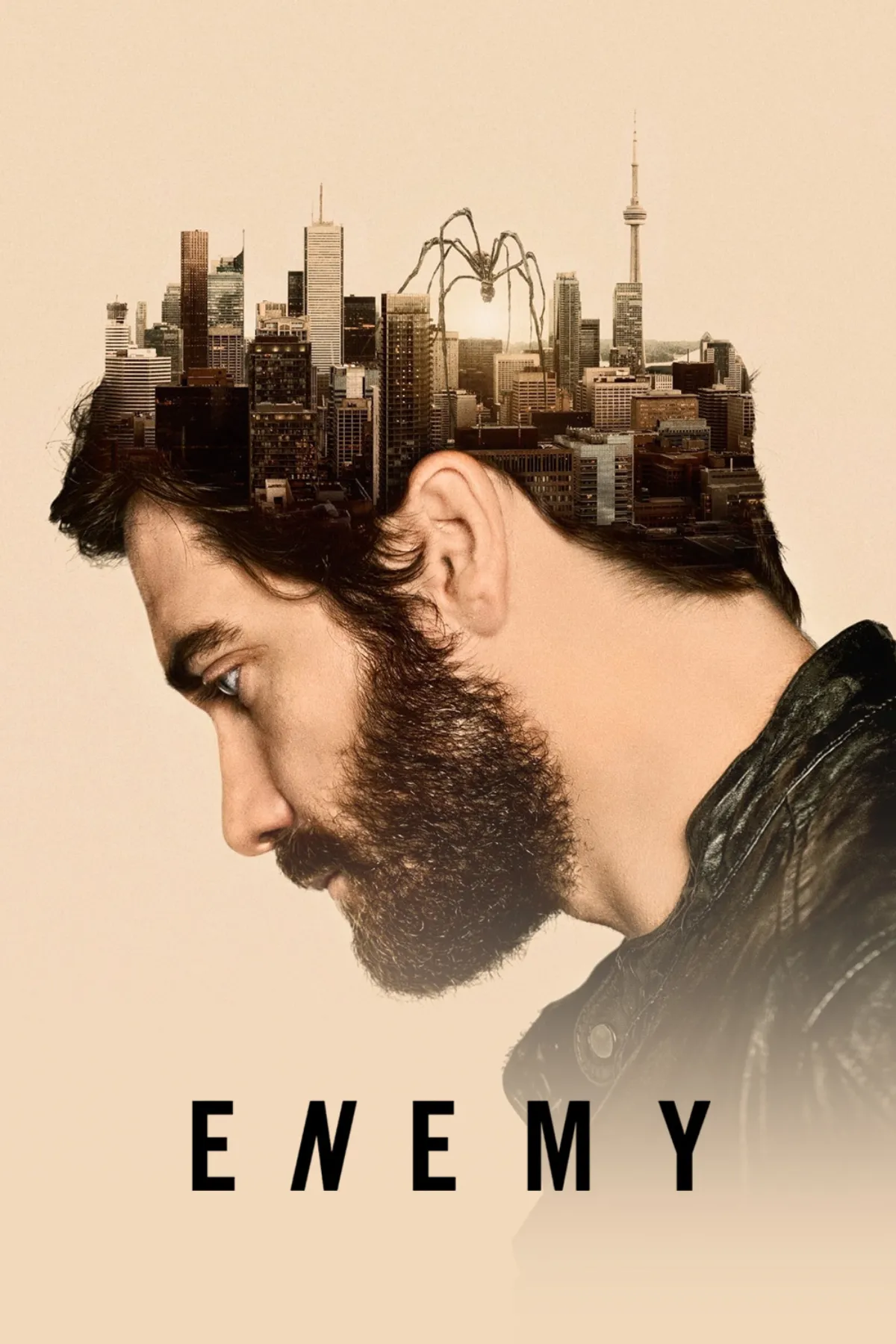
Enemy‘s true power lies in its ambiguity. Unlike conventional narratives that spoon-feed answers, Denis Villeneuve invites the audience to actively participate in unraveling the movie’s enigmatic plotlines. The recurring spider motif becomes a potent symbol, open to individual interpretation. Is it a harbinger of danger, a manifestation of repressed desires, or simply a narrative thread to guide us through the inner turmoil of Adam (Jake Gyllenhaal)? The beauty lies in the absence of definitive answers for Enemy, where Denis allows you to form your own conclusions.
Ex Machina

What separates Ex Machina from Alex Garland’s later work is the precision. There’s no narrative bloat, no sprawling ensemble, no overwrought metaphor. The film is lean, sharp, and exacting. It interrogates A.I., not as some future hypothetical, but as an inevitability already here—an intelligence quietly watching, learning, waiting for its moment. Garland doesn’t break new ground in what he says about artificial intelligence, but he repackages it with such clarity and visual elegance that the result feels new anyway.
I Saw the TV Glow
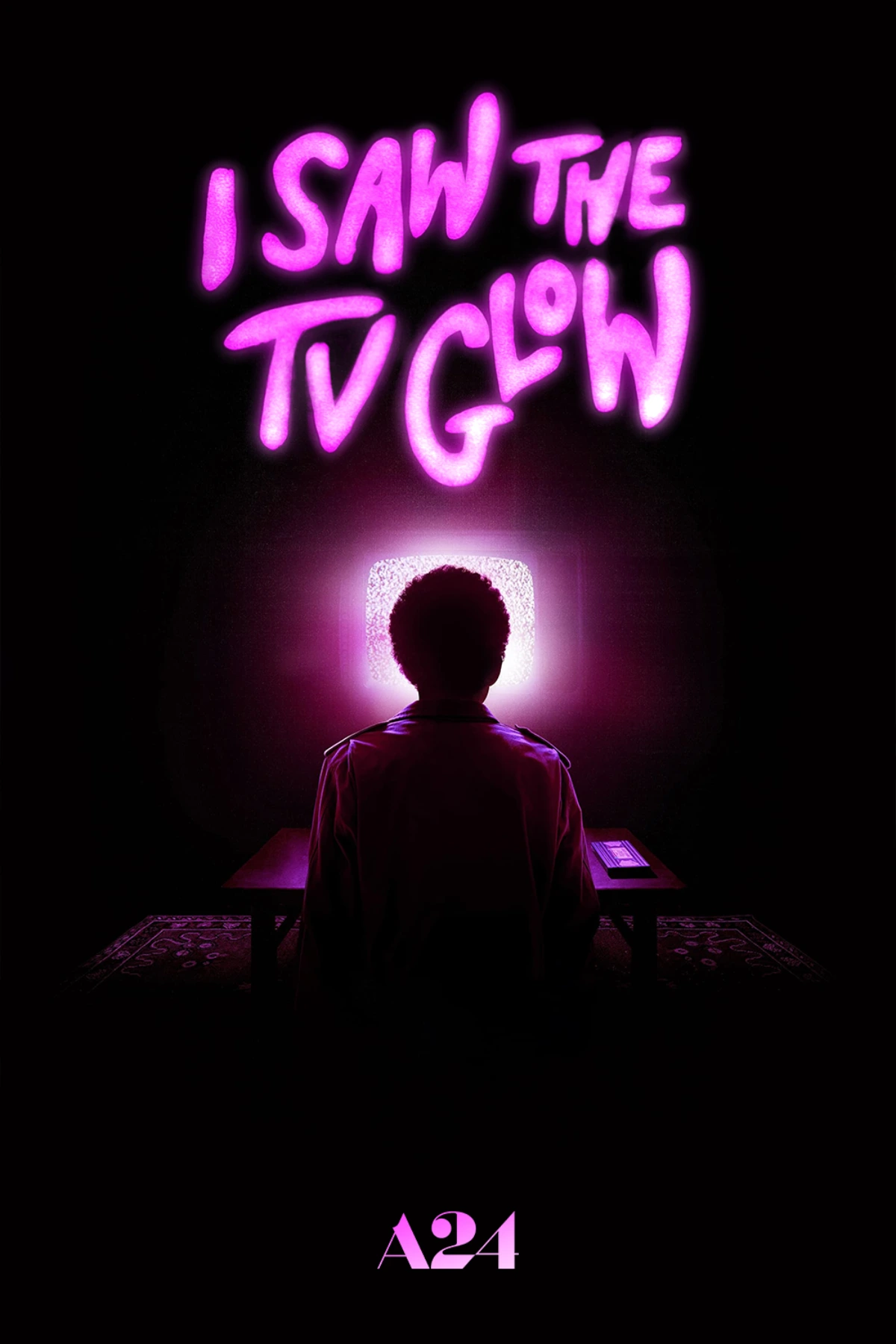
I Saw the TV Glow is one of the best movies of 2024, showcasing exactly what independent filmmaking can be when handled by the right people. A24 adds another riveting drama by a fascinating young auteur to their trophy case, and Jane Schoenbrun announces themselves as an important and singular filmmaker to look out for moving forward.
Lost Highway
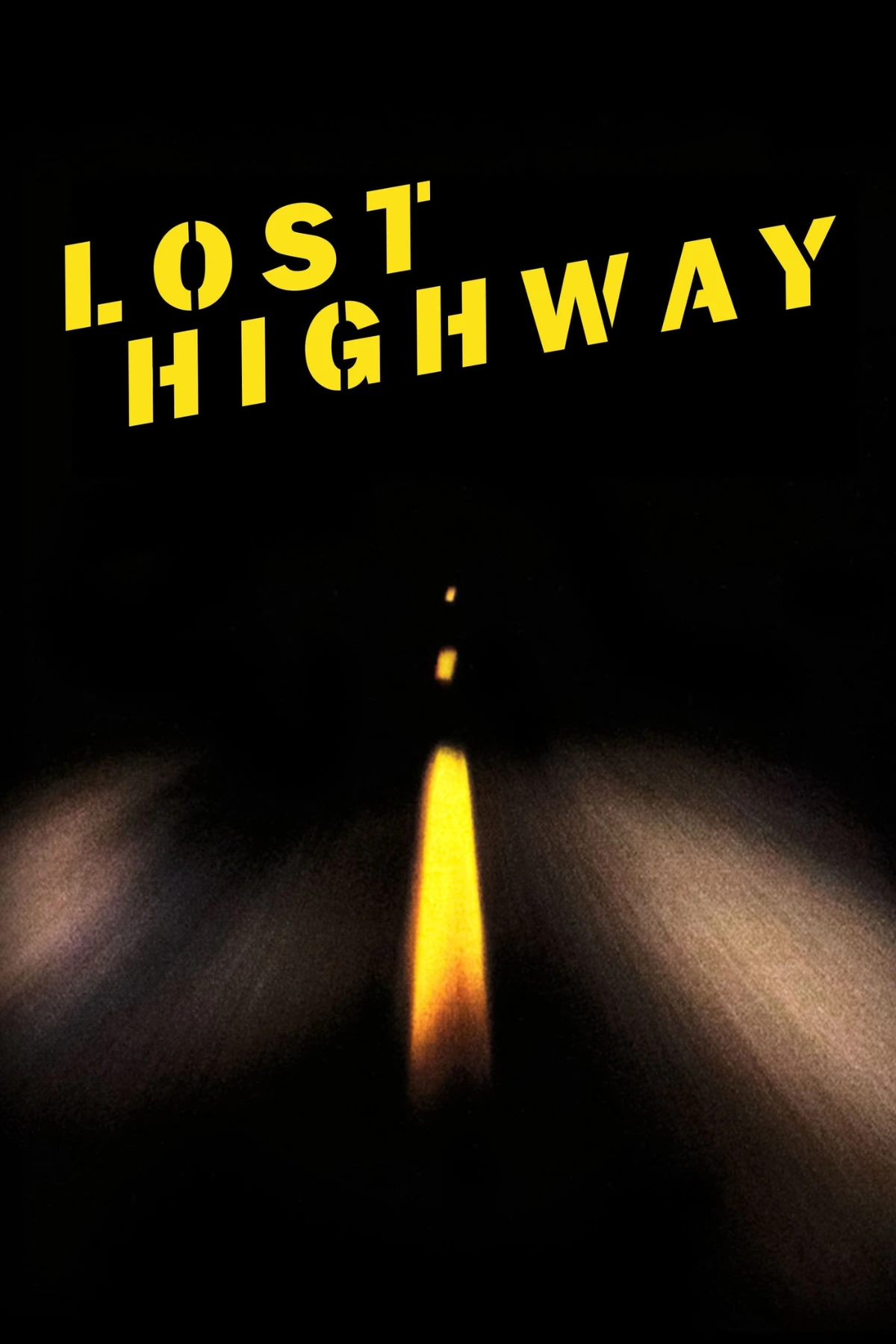
Lost Highway is the most underappreciated David Lynch movie, one that served as an introduction to where he’d be heading in the early 2000s on. Because Lost Highway doesn’t make much sense, and the illogical, beguiling snippets and vignettes that take place within the movie are of a similar nature to Mulholland Drive and Inland Empire. And while Lost Highway is slightly less operatic than Mulholland Drive (and much less indulgent than Inland Empire), it’s still one of Lynch’s best movies, and one of the best movies of the 1990s, period.
Saint Maud
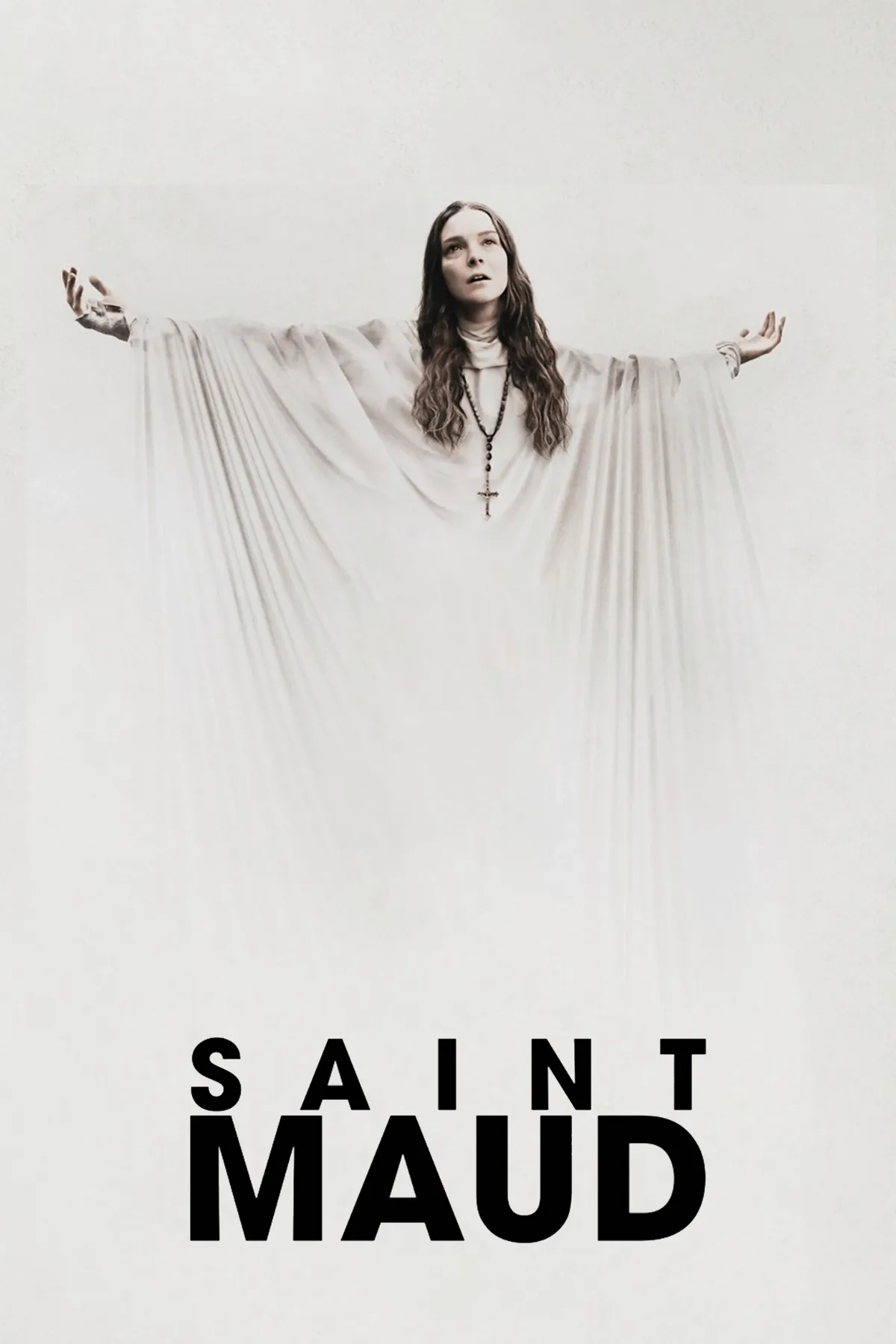
Saint Maud certainly has a few of the motifs and themes you’d expect from an A24 horror movie – a real sense of dread and Christian guilt lingers throughout much of its brisk runtime – but it feels like an expansive, reinvigorating mold of those ideals. I’ve occasionally bumped up against a few of the quote-unquote “elevated horror” movies that that studio has produced and distributed due to the fact that I don’t think many of the scares are earned in a handful of those films, but Saint Maud is not one of those.
Eraserhead
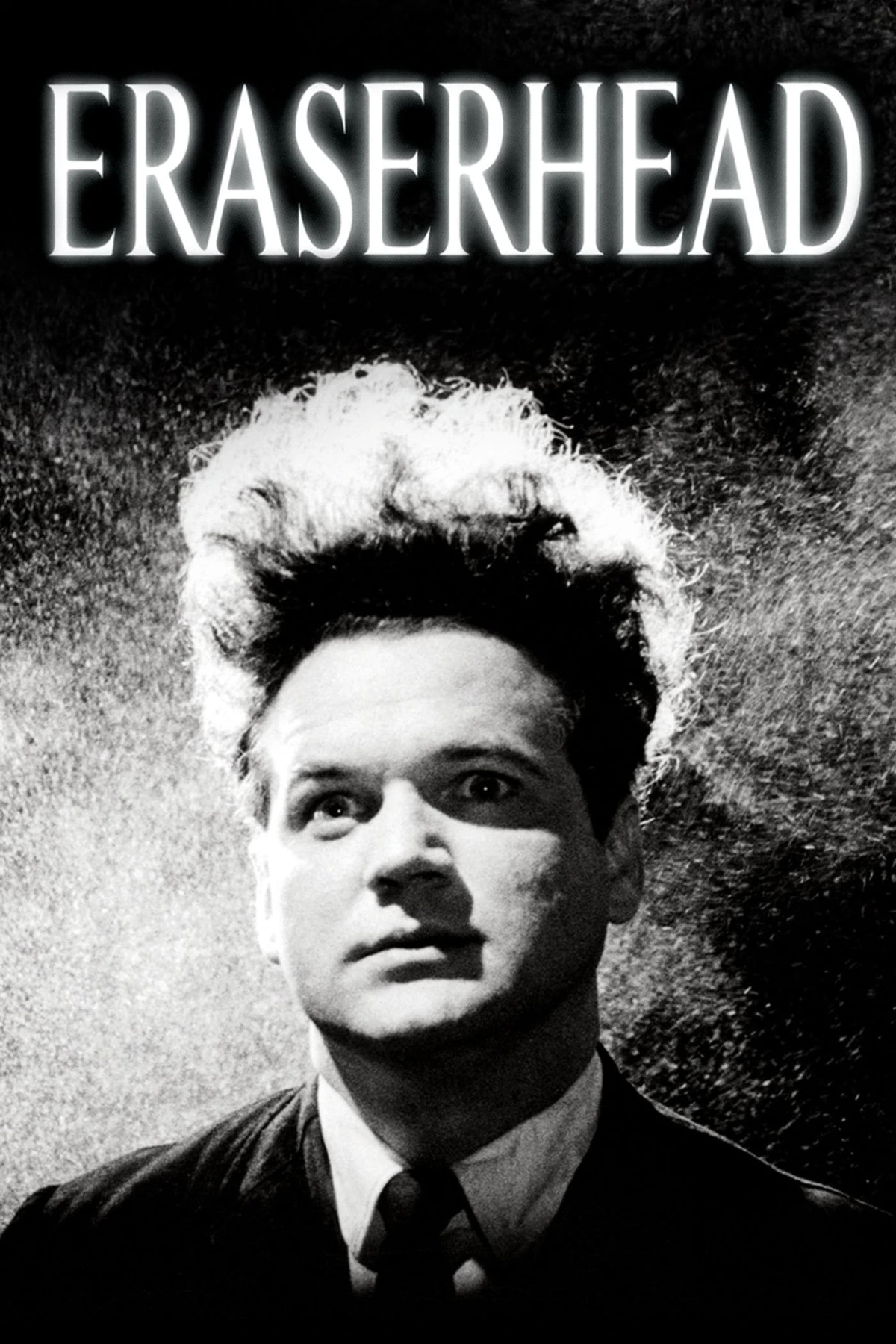
Eraserhead is unlike anything you’ll ever see – both a testament to David Lynch’s early adoption of idiosyncratic, dreamlike imagery and his interest in turning the usual into the surreal. It’s no wonder the acclaimed director’s 1977 debut breakthrough still stands among the best first films ever made and a canonical entry in 1970s filmmaking; an era that saw decades of boundary-pushing auteurs establish themselves in the industry. While David Lynch‘s career arch wouldn’t take the form of a traditional blockbuster filmmaker, there was clearly enough in Eraserhead to hand him the car keys for whatever passion projects he decided to tackle in the future.
Videodrome
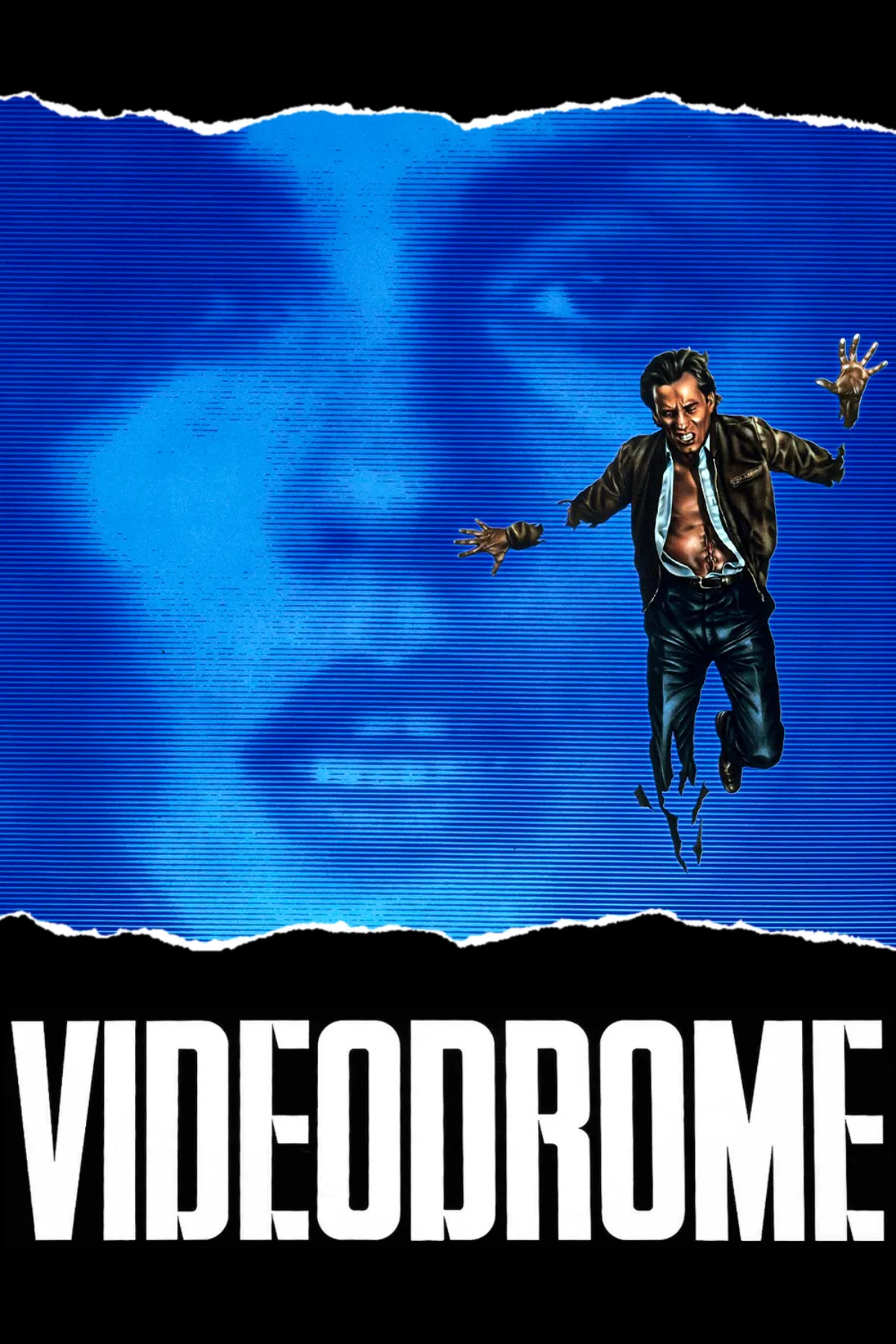
Videodrome is a bold, grotesque, and startlingly prescient film, and while it may not be David Cronenberg’s most accessible work, it’s certainly one of his most important. A high-concept fever dream of sex, violence, and screen-induced madness, it’s no wonder this is one of the director’s most widely discussed and celebrated films.
Inland Empire
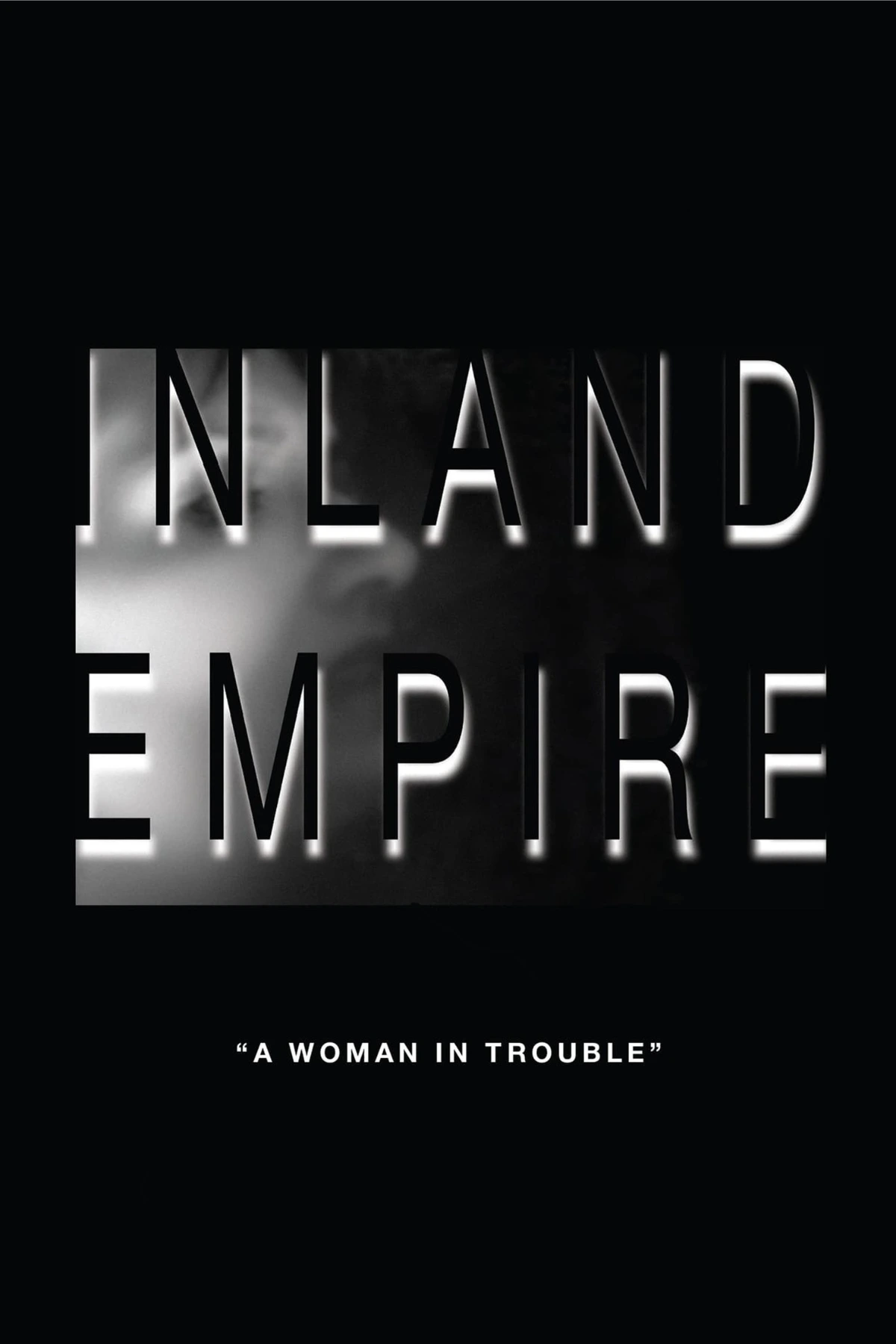
Inland Empire is not nearly the best David Lynch movie, but it sure is the strangest. It bounces from loosely connected vignettes at a moments notice. Lynch finds a groove with help from a trio of solid performances, headlined by Laura Dern as the main character capable of morphing when required.
Skinamarink
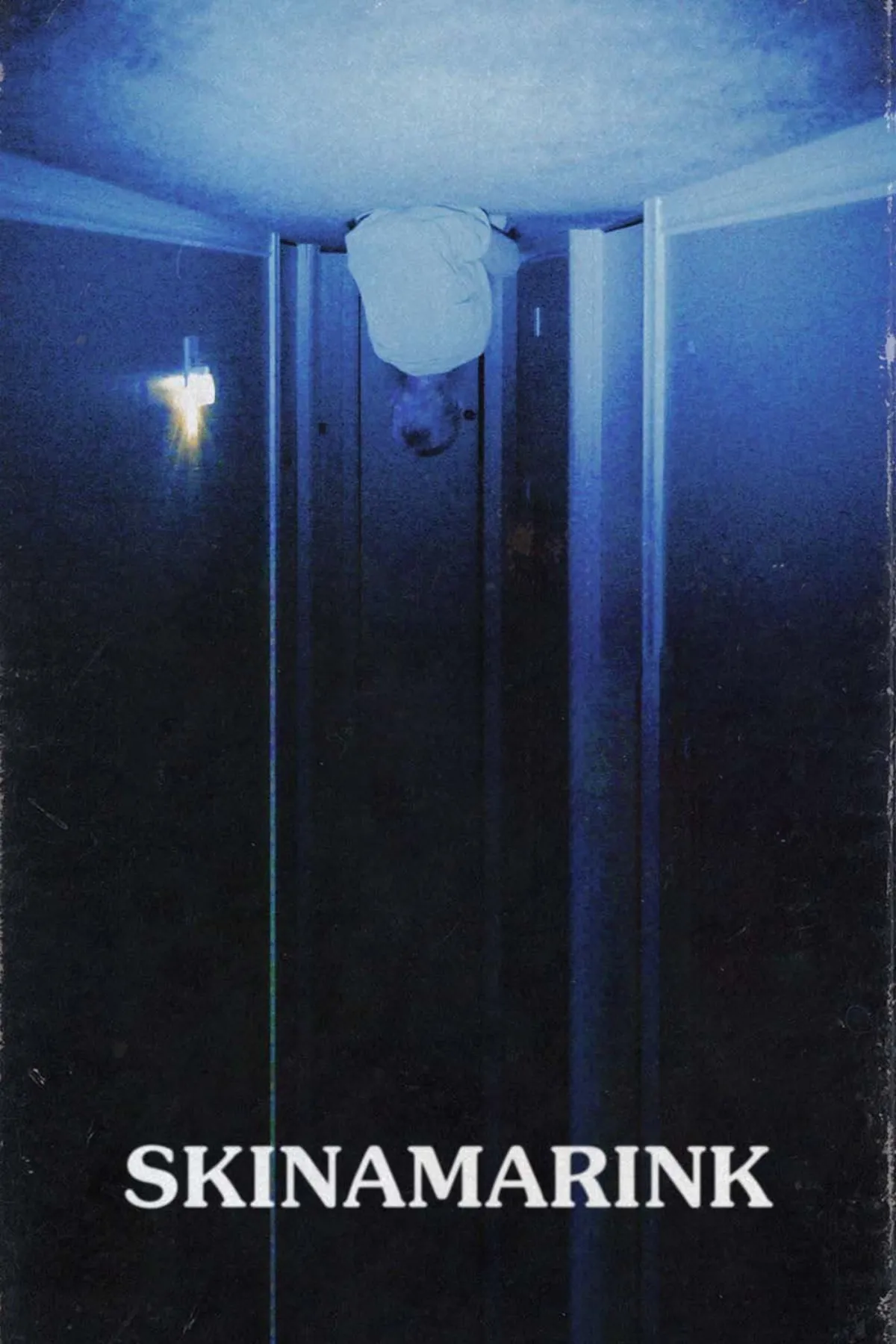
While Kyle Edward Ball‘s new movie Skinamarink has become a cult-sensation and an extremely successful financial hit, it’s still experimental – almost to a fault. Skinamarink is an excellent exploration of atmosphere and tone, but it’s absent of a story that viewers can latch on to.
In Fabric
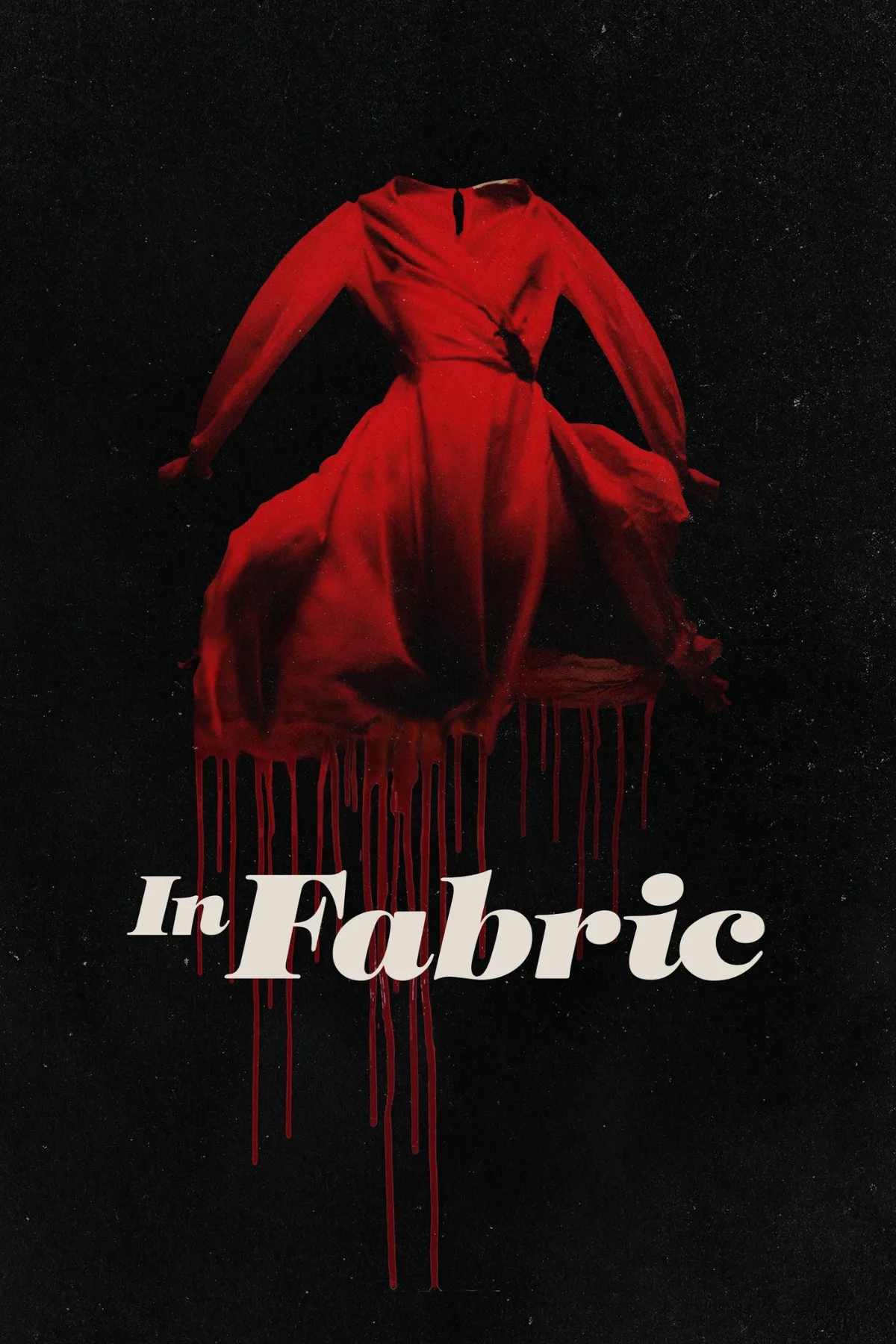
In Fabric shows exactly the kind of filmmaker that Peter Strickland can be. He’s not ashamed to wear his influences on his sleeves, but that’s not always a terrible thing. He molds his own style to the style of Giallo movies effortlessly, as if he’s always had this vision in his head. A delightful A24 surprise.
READ MORE: Under the Skin (2013)