






Here are Cinephile Corner’s 10 recommendations for movies like Bug:
Together

Together takes a clever premise about romantic codependence and pushes it into body horror, pairing real-life couple Dave Franco and Alison Brie as partners who cannot let go even when their bodies tell them otherwise. Tim (Franco) leans hard on Millie (Brie) for everything from money to basic life skills, and their move from the city to the countryside exposes every fault line. He is an underemployed musician. She is an elementary school teacher trying to prove herself in a new job. The stress and isolation sharpen Tim’s anxieties and bring on disorienting visions of his mother and his father’s decaying corpse, which plants the film’s queasy tone long before the grotesque turn.
Hereditary
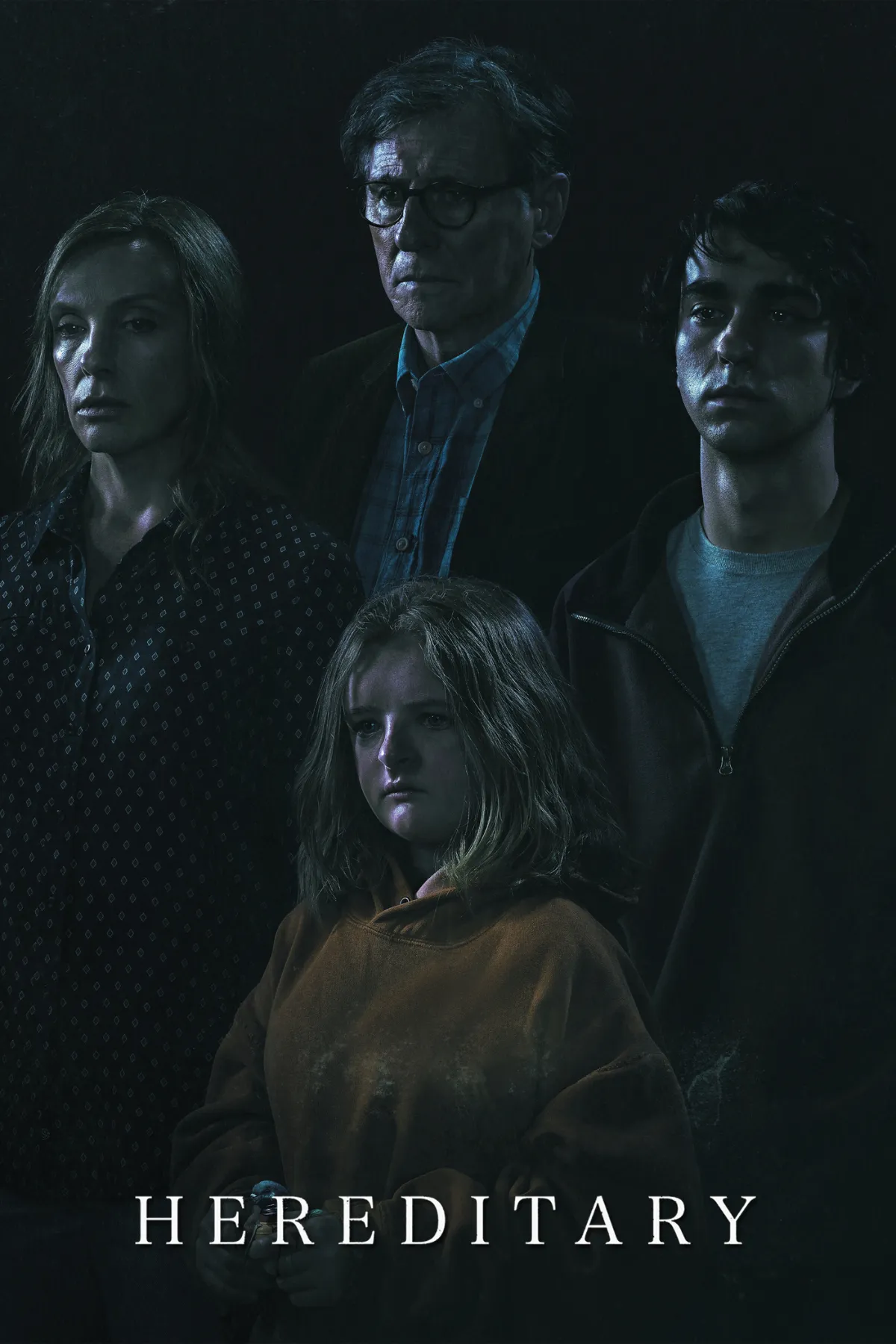
Hereditary is the rare debut that instantly reshapes a genre. Ari Aster’s 2018 feature moves with an icy confidence, turning domestic grief into occult nightmare, and it still feels like a defining horror film of the century. Backed by A24, the film has the precision and patience of a masterwork: long takes that corner you in the frame, sound design that hums with unease, and edits that withhold just enough to make every cut feel like a trapdoor.
Scanners
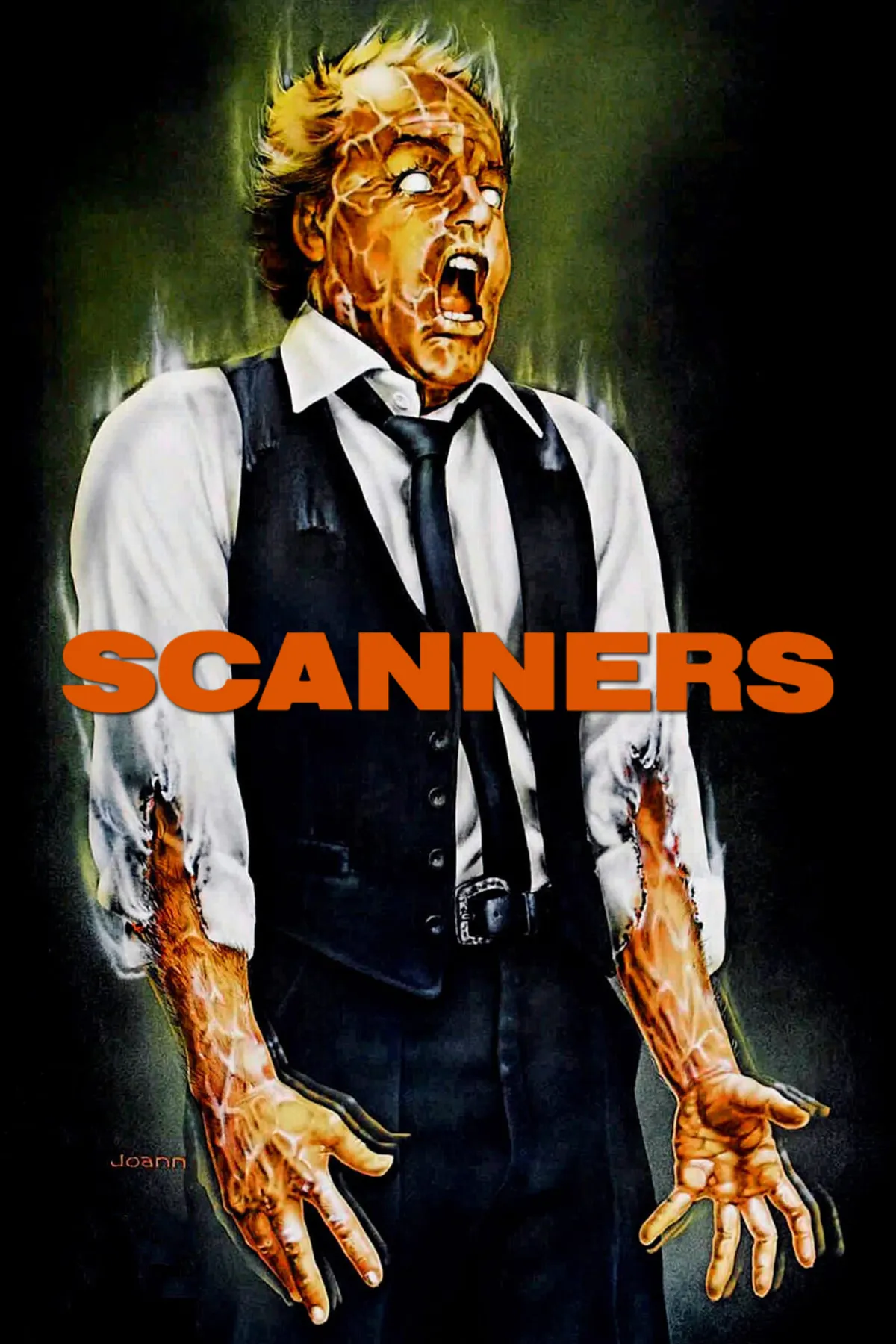
Scanners is far from David Cronenberg’s best, but it’s still an essential artifact for fans of his work—especially for those interested in tracing how his style evolved from straight horror (Rabid, The Brood) into more philosophical and speculative realms. It’s an influential film, no doubt. Just not the one you’ll revisit the most.
The Blackcoat’s Daughter
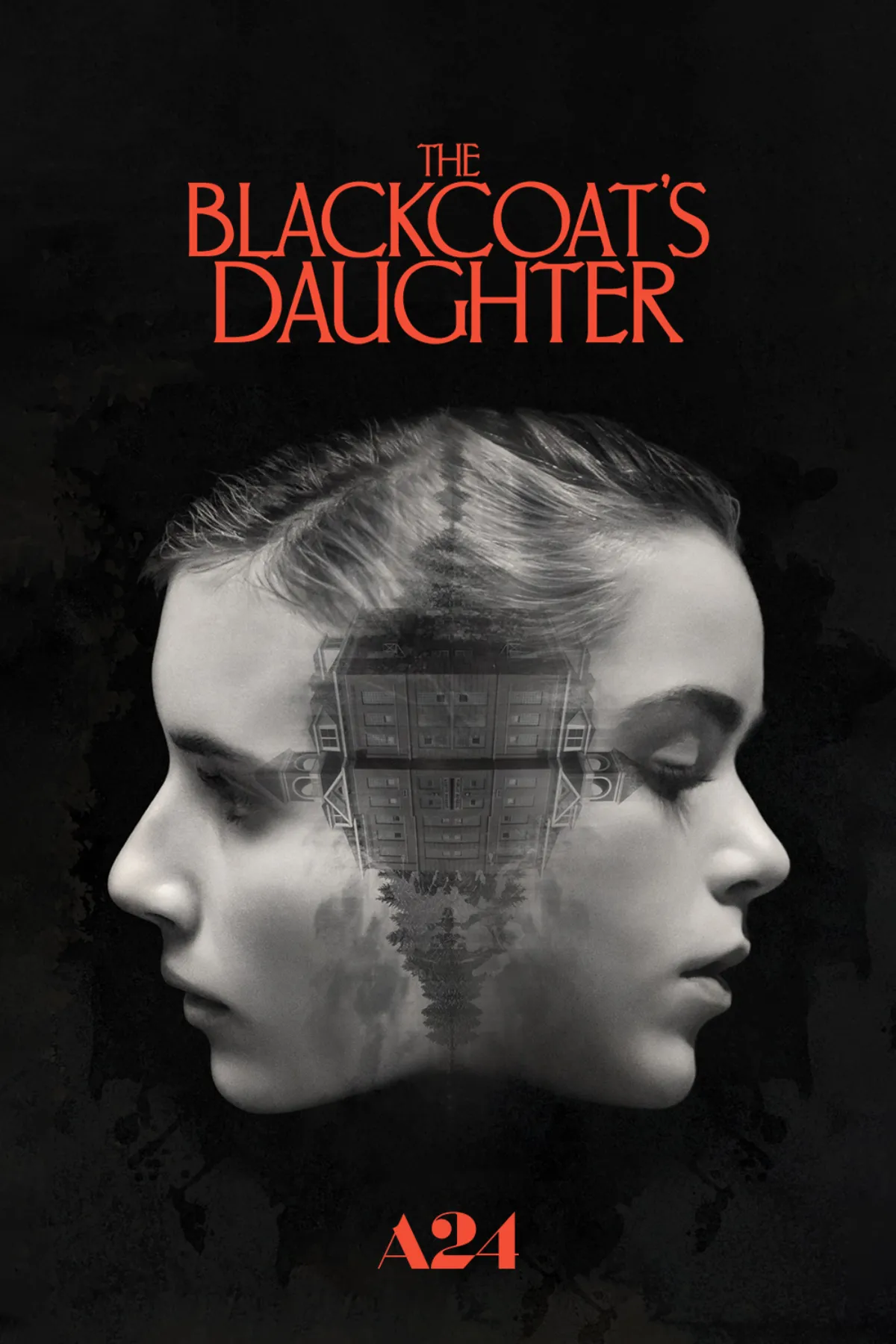
A sinister, slow-burning delight, The Blackcoat’s Daughter solidifies Oz Perkins as a director capable of true psychological horror—one who, despite some missteps in recent efforts, continues to intrigue me.
The Substance
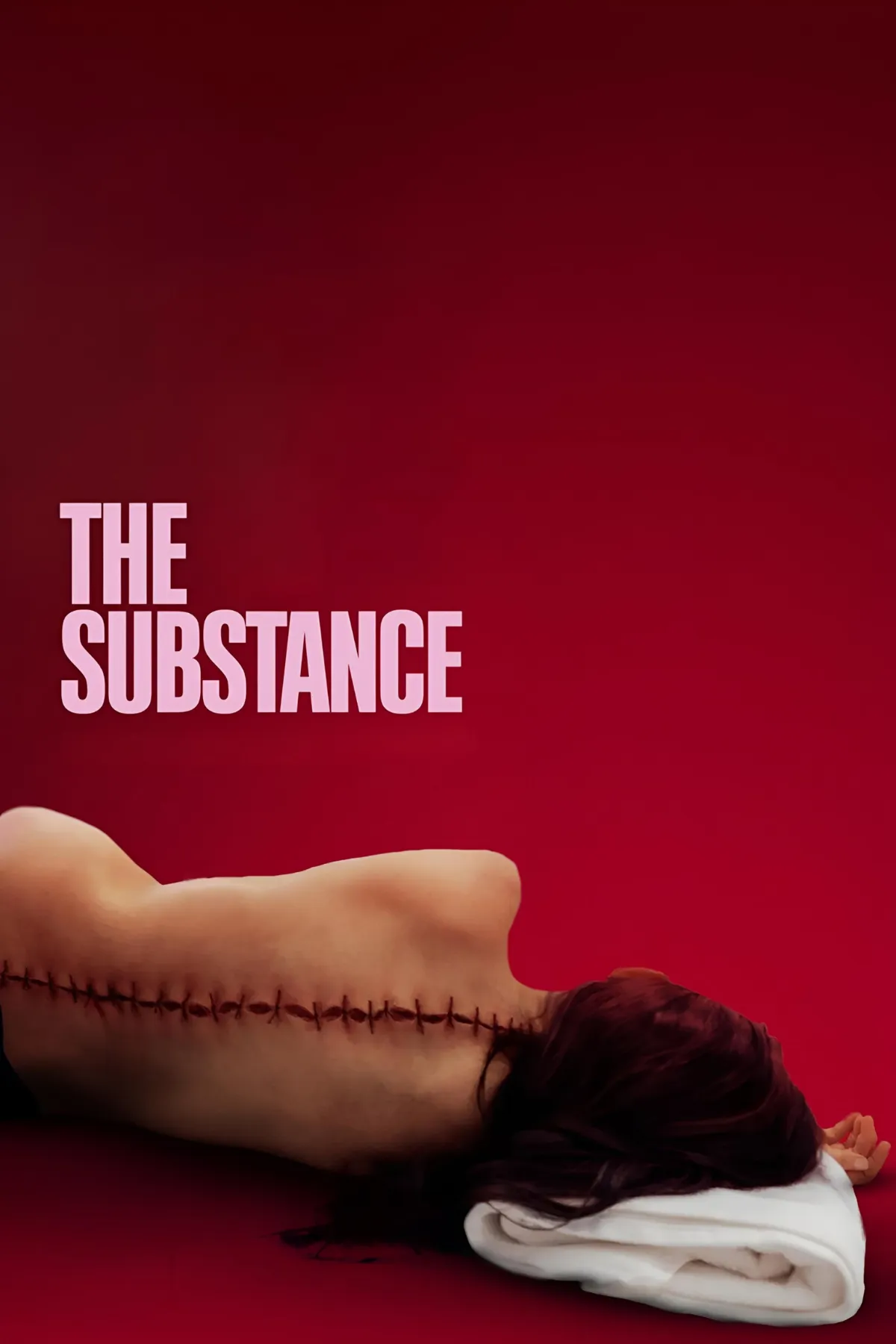
A vaguely named, neon green liquid is at the center of The Substance, the sophomore effort from director Coralie Fargeat following her successful debut Revenge (2017). The titular substance is capable of delivering happiness to those desiring to look younger and more attractive. Accompanied by a strict list of rules involving when to take the substance and how to maintain the younger self the injection inevitably births, the chances of a user mishandling such a lethal experimental drug is absurdly high.
Videodrome
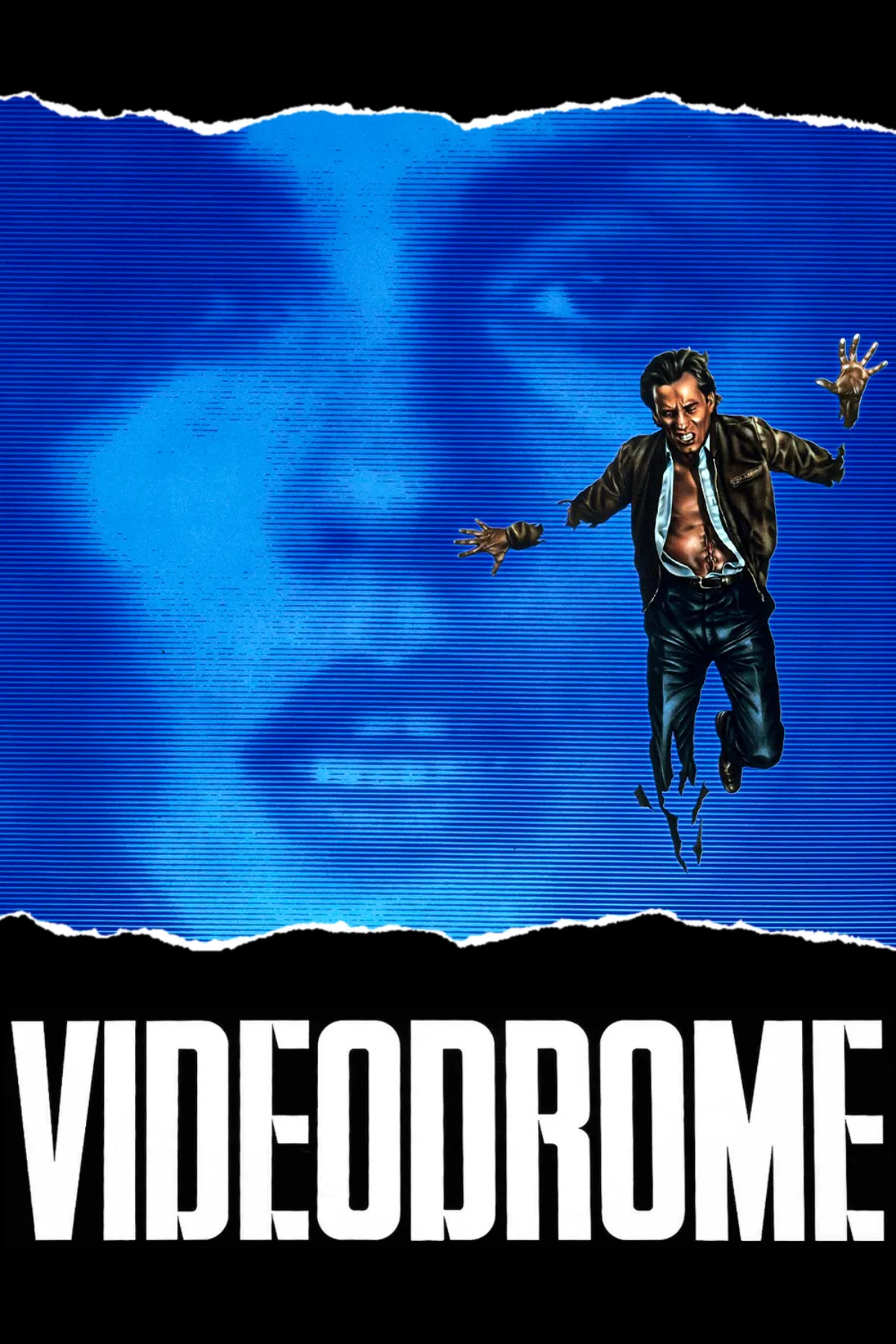
Videodrome is a bold, grotesque, and startlingly prescient film, and while it may not be David Cronenberg’s most accessible work, it’s certainly one of his most important. A high-concept fever dream of sex, violence, and screen-induced madness, it’s no wonder this is one of the director’s most widely discussed and celebrated films.
Saint Maud
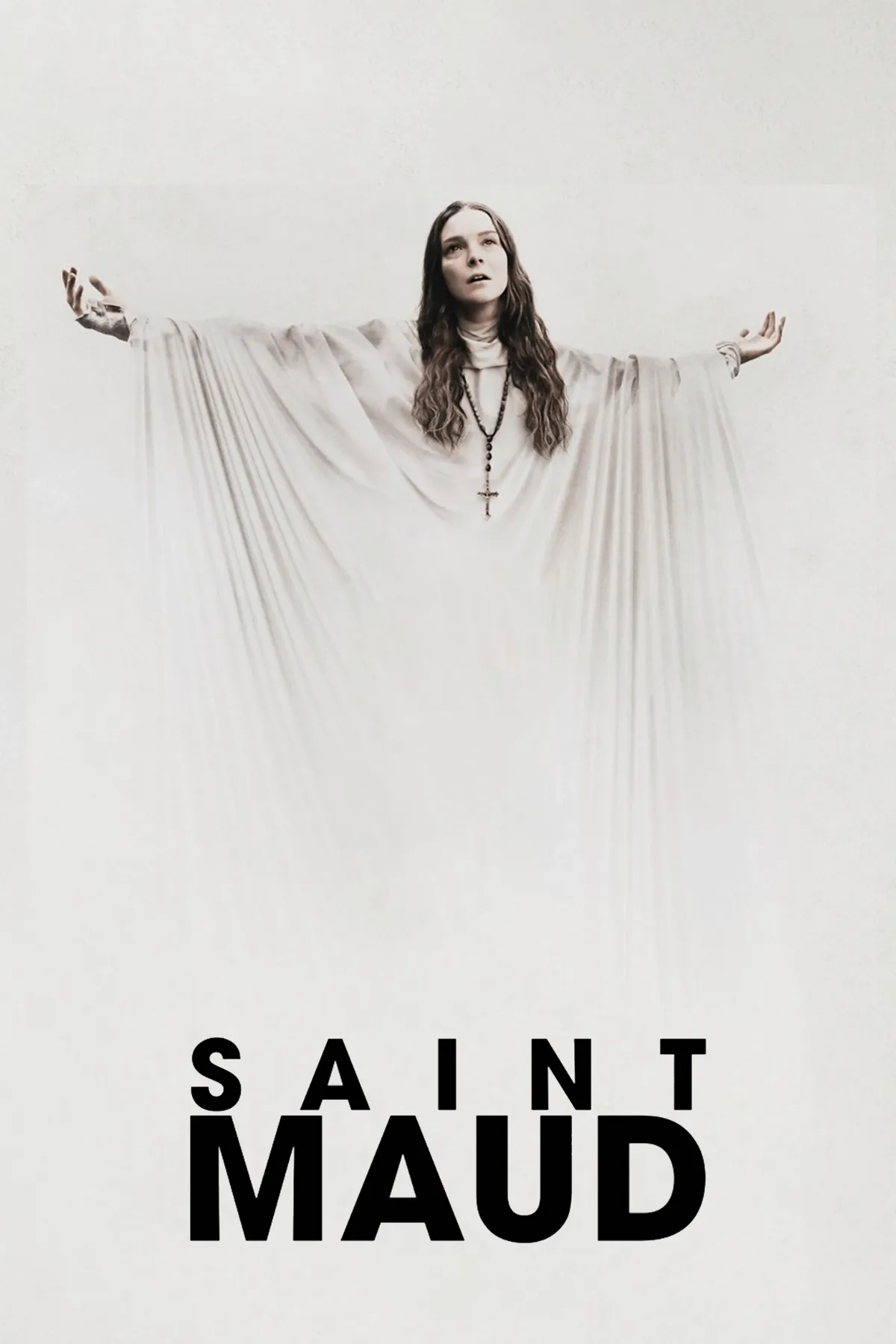
Saint Maud certainly has a few of the motifs and themes you’d expect from an A24 horror movie – a real sense of dread and Christian guilt lingers throughout much of its brisk runtime – but it feels like an expansive, reinvigorating mold of those ideals. I’ve occasionally bumped up against a few of the quote-unquote “elevated horror” movies that that studio has produced and distributed due to the fact that I don’t think many of the scares are earned in a handful of those films, but Saint Maud is not one of those.
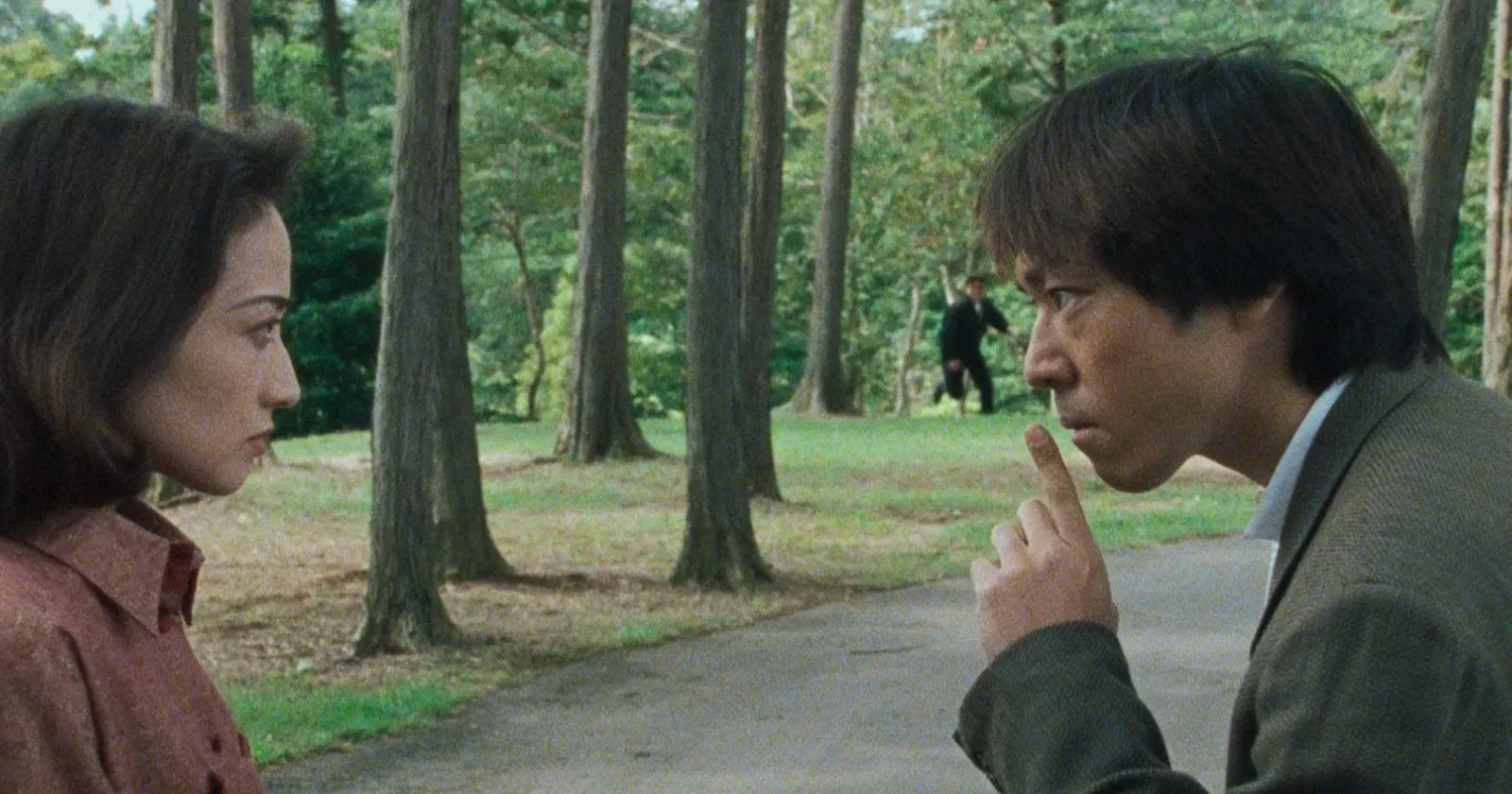
Pulse

Kiyoshi Kurosawa‘s Pulse feels as though its the little brother to Cure, his cult hit now hailed as a classic decades later. Pulse carries with it that same eerie, atmospheric energy that serves to envelop you and disturb you. There isn’t much to Pulse that is out and out terrifying as it moves at its own mundane pace and rarely relies in sonic cues to make its impact. Instead, Pulse works almost entirely because of Kurosawa’s offbeat pacing and intricate combination of editing and shot selection.
The ‘Burbs

Joe Dante’s The ’Burbs is the kind of suburban paranoia comedy that still plays like gangbusters. In this 1989 dark farce, Tom Hanks stars as Ray Peterson, a worn out everyman who has finally taken a week off and plans to do absolutely nothing. His staycation curdles the minute his motor-mouth neighbor Art, played with gleeful needling by Rick Ducommun, fixates on the new family next door, the reclusive Klopeks, who seem to appear only at night, haul suspiciously heavy trash to the curb, and dig holes in their yard during thunderstorms.
Eraserhead
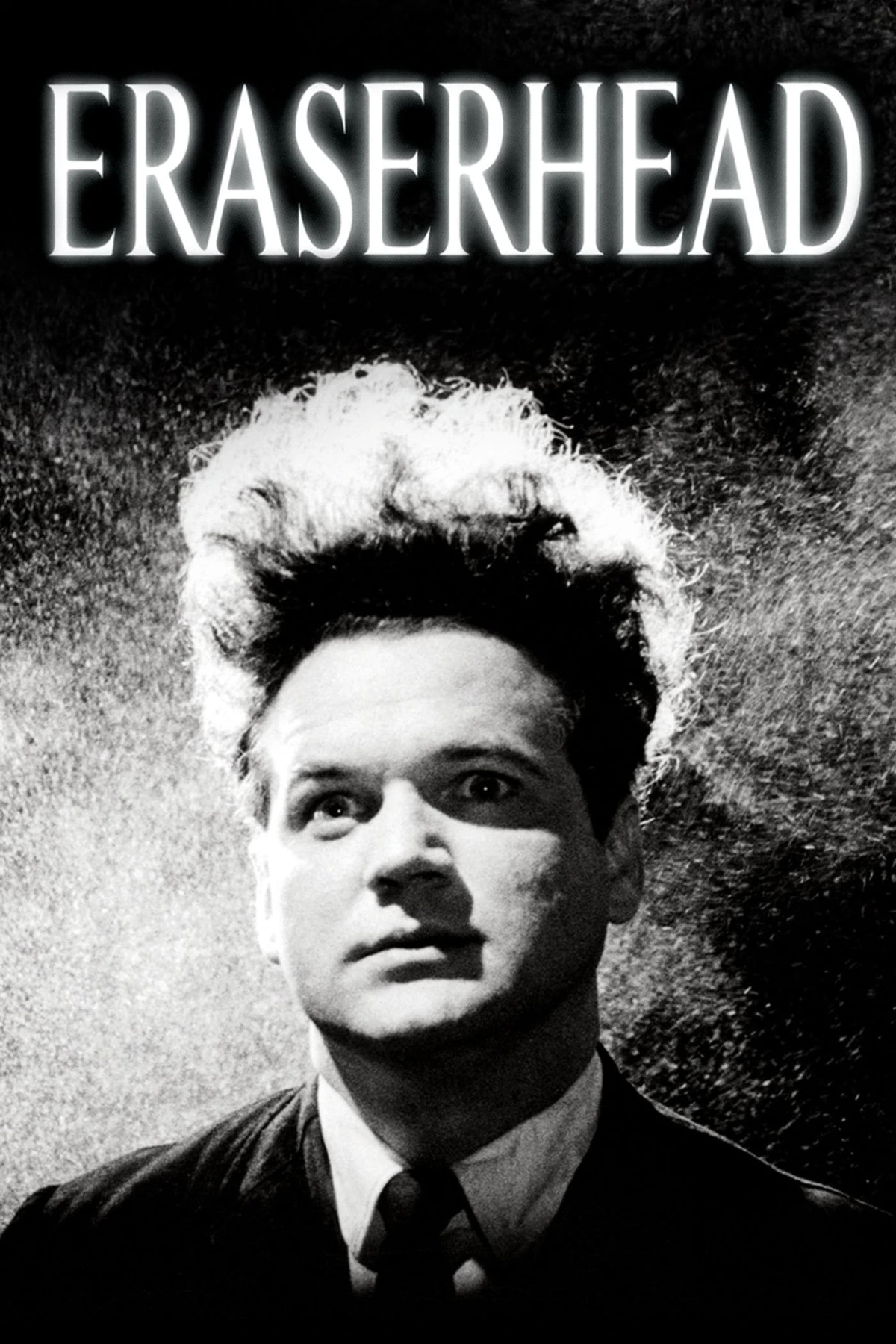
Eraserhead is unlike anything you’ll ever see – both a testament to David Lynch’s early adoption of idiosyncratic, dreamlike imagery and his interest in turning the usual into the surreal. It’s no wonder the acclaimed director’s 1977 debut breakthrough still stands among the best first films ever made and a canonical entry in 1970s filmmaking; an era that saw decades of boundary-pushing auteurs establish themselves in the industry. While David Lynch‘s career arch wouldn’t take the form of a traditional blockbuster filmmaker, there was clearly enough in Eraserhead to hand him the car keys for whatever passion projects he decided to tackle in the future.
READ MORE: Bug (2007)