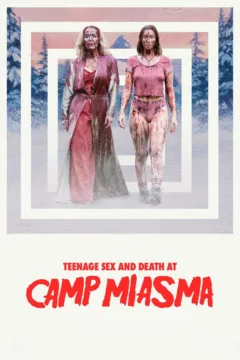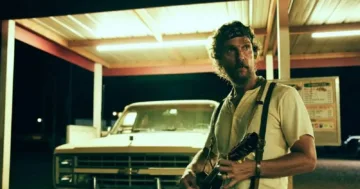

Within just three films, Jane Schoenbrun has rocketed up the list of my favorite filmmakers. They are one of the few new-school filmmakers who effortlessly show they’ve grown up less on the classics of the ’50s, ’60s, and ’70s and more on Friday the 13th, Sleepaway Camp, David Lynch, and the strange little corners of genre cinema that become formative when you’re young. Those influences have manifested themselves in sentimental, beautiful, and sometimes genuinely terrifying ways across each of their first three films, but Teenage Sex and Death at Camp Miasma feels like the fullest expression of all of them at once: a wholehearted, deeply endearing love letter to teen slashers that somehow finds entirely new ground without simply recycling the genre’s greatest hits. It’s one of the most masterfully crafted movies I’ve seen in years, and one I haven’t been able to stop thinking about in the days since first seeing it.
I haven’t read enough yet about just how autobiographical this is for Schoenbrun, but like I Saw the TV Glow, among the best movies released in 2024, this is deeply interested in how a generation doesn’t just consume movies, television, and music, but uses them to find identity and community. Here, Schoenbrun takes a more pointed swing at the production of movies themselves as a parasite to the cultural icons we keep rebuilding and regurgitating. Instead of using an established horror IP to make that point, though, they do something much more exciting: they invent their own. An opening montage of news clips and articles lays out the history of the fictitious Camp Miasma series, a Friday the 13th-esque franchise that has been rebooted, remade, and increasingly bastardized over the years, including some particularly ugly material that has followed it from film to film.
Now it’s being rebooted again by filmmaker Kris, played by Hannah Einbinder in an absolutely titanic performance that moves from crushing self-doubt to complete self-realization. Einbinder is my easy frontrunner for performance of the year thus far. Kris has been tasked with rebooting the sometimes transphobic film series in part because she’s queer and the studio thinks that’ll make the press tour easier, and the amount of vulnerability Einbinder brings to that contradiction is extraordinary.
Kris nevertheless has such a personal and physical connection to Camp Miasma that she takes the job, traveling to the original film’s location where Billy, the star of that first movie, still lives. Gillian Anderson is exceptional here, too.
Kris’ astonishingly specific sexual relationship to Camp Miasma, one that is mirrored by Billy’s own performance in the original film’s climactic sex scene, is so idiosyncratic and specifically rendered and personal that it feels like Schoenbrun has been carrying some of these images around in their head for decades. It’s an astonishing piece of filmmaking, somehow both deeply moving and sublime while also containing enormous quantities of blood and gore. Schoenbrun obviously leans horror, but their horror feels closer to Lynch, Donnie Darko, and the unsettling ambiguity of images that burrow into your brain than to jump scares or simple shock value. Even when the movie gets disgusting, it feels like the disgust means something.
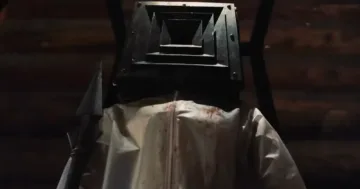
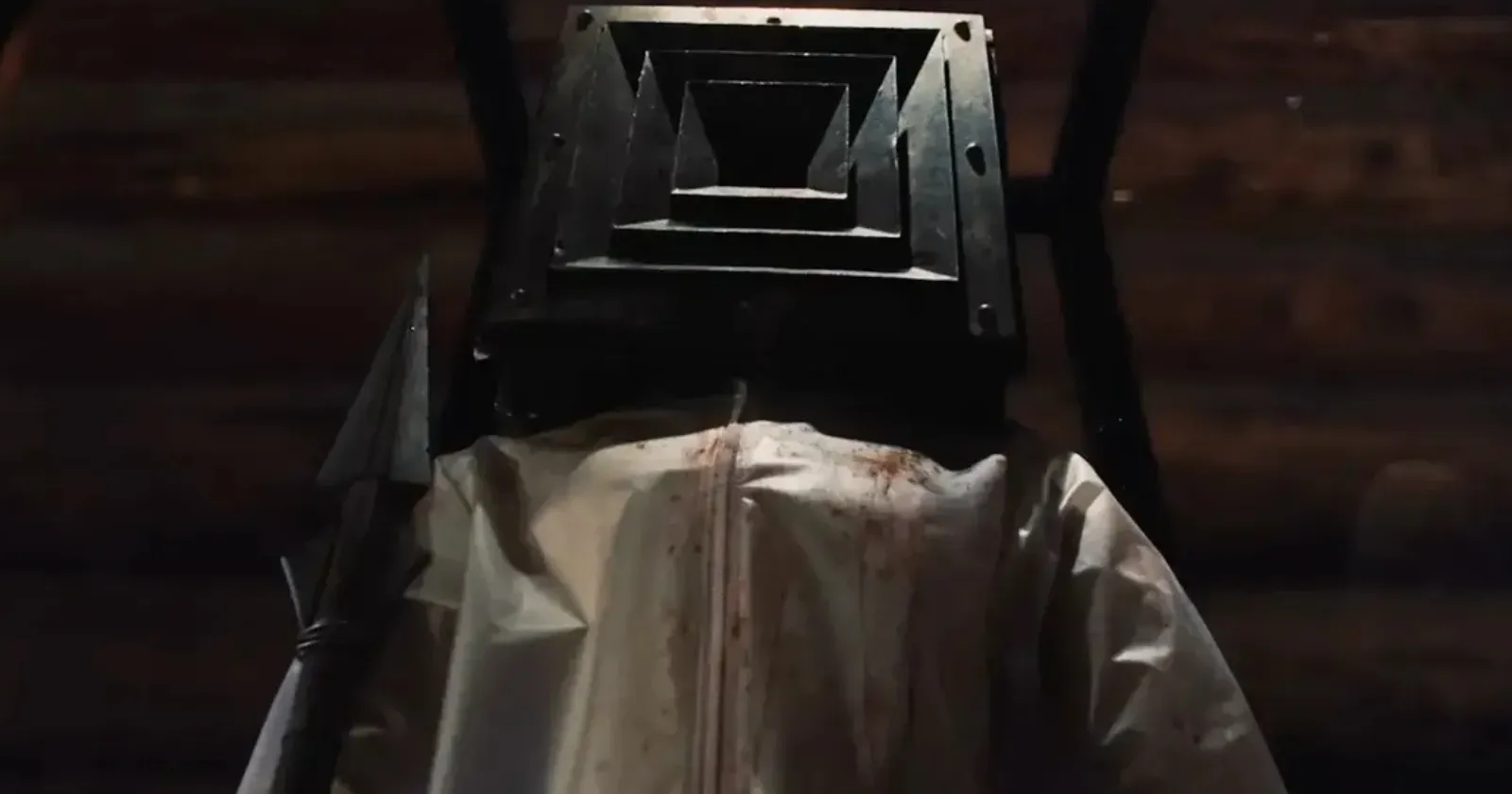
And there are some images here that have seared themselves into my mind. A Counting Crows-backed extended killing spree by Camp Miasma’s infamous killer, who sports a steel HVAC vent for a head, had me levitating out of my seat on second watch. Schoenbrun’s needle drops are unlike almost anyone else working today, favoring indie-backed deep cuts instead of the aggressively curated sound effects that spilled over classic slashers and the overly dramatic scoring of modern horror. Andy Shauf’s “Satan” and the stripped-down Alex G rendition of Okay Kaya’s “Nightswimming” that opens the film are two more examples of a director seemingly incapable of choosing the wrong song. The music gives the movie this unexpectedly tender pulse underneath all the bloodshed, which is probably the biggest reason the film feels so emotionally distinct from the slasher movies it loves.
The throughline between this and I Saw the TV Glow is obvious, and what I find so rewarding about rewatching that movie is also what makes this one so powerful: the belief that art can be escapism and self-identity at the exact same time. Personal taste shapes who you become. The movies you love can become your culture, your community, your language. Hidden inside all of this is also a plea for physical media, and for the physical connection between the real world and the movies, music, and fictional worlds we become entrenched in through digital media. That physical touch matters. A phone screen can give you access to everything, but it can’t quite replace the feeling of owning and returning to the things that helped make you who you are.
Few filmmakers exhibit that specific anxiety about technology, community, and identity quite like Schoenbrun. Very rarely do I watch a movie and, on the first viewing, know that it’s going to stay with me for the rest of my life. This is such a personal and naked love letter to how much slashers can mean to someone growing up, and to how fucking important it is to be honest about the things you love and the person you want to become. And somehow all of that is wrapped inside a silly, schlocky horror movie about a visually insane serial killer who rises out of a campground lake. That’s the trick. It’s both deeply personal and an absolute blast.
READ MORE MOVIE REVIEWS: The Last House, The Samurai and the Prisoner, Ice Cream Man
Absolutely blown away by it. I Saw the TV Glow was one of my favorite movies of 2024, and I genuinely didn’t think Schoenbrun would top it this quickly. But Teenage Sex and Death at Camp Miasma is somehow more ambitious, more confident, and even more personal. It feels like a filmmaker finally being given the freedom to put every strange, specific, deeply held fascination they’ve carried for years onto the screen, and somehow making all of those pieces fit together. Decade-defining. Career-defining. One of those movies I’ll probably be thinking about for a very, very long time.
Score: 10/10
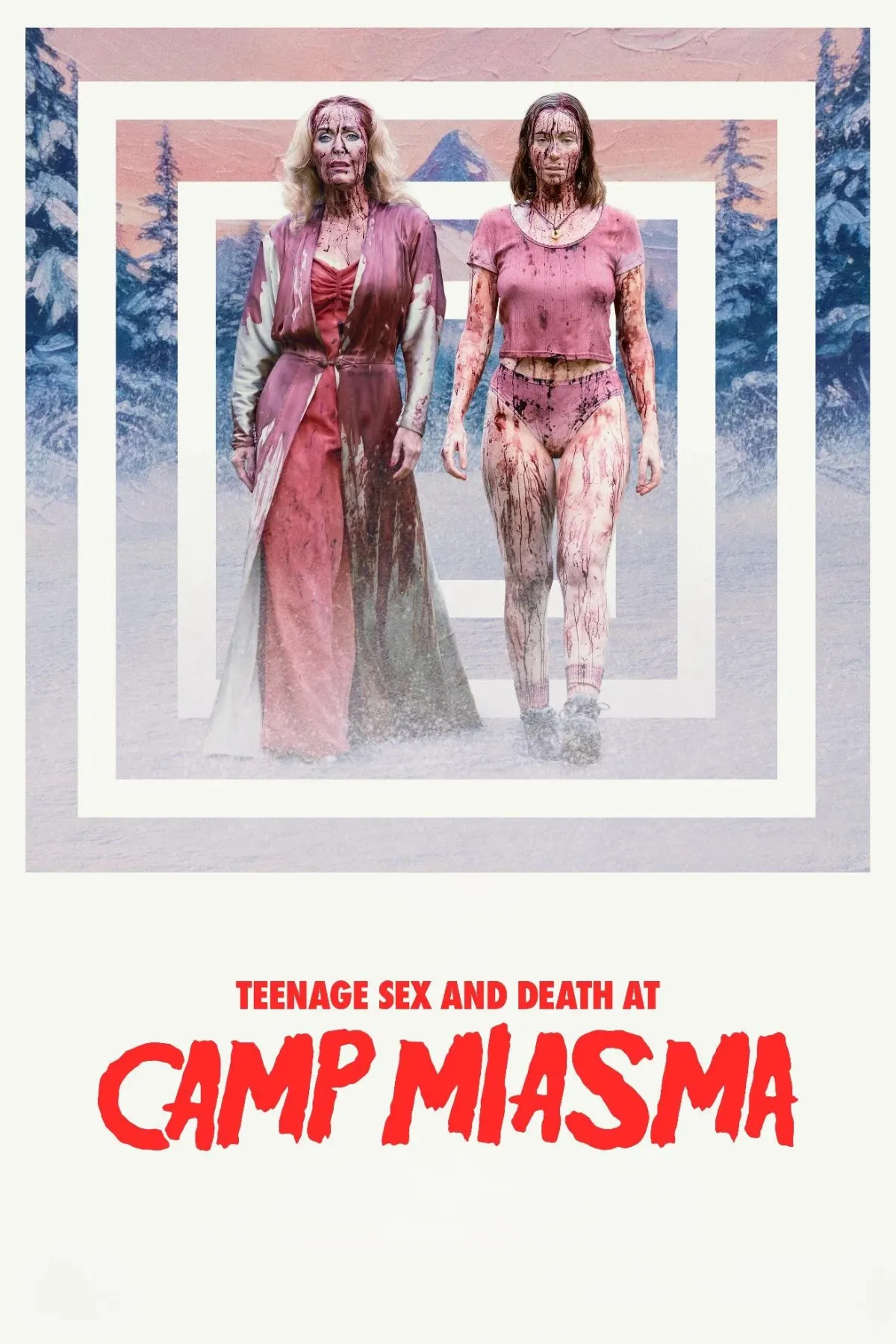
Teenage Sex and Death at Camp Miasma (2026)
- Cast: Hannah Einbinder, Gillian Anderson, Amanda Fix, Arthur Conti, Eva Victor, Zach Cherry, Sarah Sherman, Patrick Fischler, Dylan Baker, Jasmin Savoy Brown, Quintessa Swindell, Jack Haven
- Director: Jane Schoenbrun
- Genre: Comedy, Horror, Romance
- Runtime: 112 minutes
- Rated: R
- Release Date: August 14, 2026
- Movies Like Teenage Sex and Death at Camp Miasma: Obsession, The Substance, Scream, More Movies Like Teenage Sex and Death at Camp Miasma
- Follow us on Letterboxd