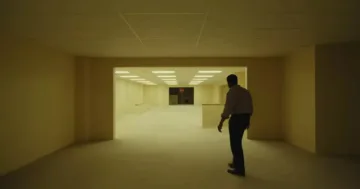
HDR stands for High Dynamic Range, a video technology that expands the range between the darkest shadows and the brightest highlights a display can show. In plain terms, HDR can make images look more lifelike by improving contrast, preserving detail in very bright areas (like sunlight or reflections), and revealing more texture in dark scenes. HDR also usually works alongside a wider color range, which can produce richer, more nuanced colors than standard dynamic range video, depending on the source and your display.
You will commonly see HDR formats like HDR10, Dolby Vision, and HLG. HDR10 is widely supported and uses static metadata, meaning the HDR settings are generally set for the whole movie, while Dolby Vision can use dynamic metadata that adjusts scene by scene or even shot by shot. As a practical example, think of a night scene lit by neon signs or car headlights. With HDR, the lights can look bright and intense without blowing out detail, while the surrounding shadows still keep depth instead of turning into a flat black blob. Results vary, though. HDR only shines when the master is done well and you are watching on an HDR-capable TV or projector with the right settings.