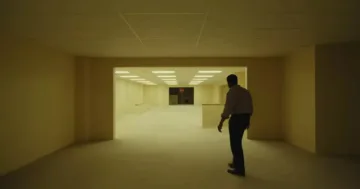
A cinematographer is the person who designs and captures a film’s visual imagery. In most productions, “cinematographer” and “director of photography” mean the same role: the lead creative and technical voice behind the camera and lighting strategy. Working with the director, the cinematographer helps decide how the story should look and feel, then makes that happen through choices like lensing, framing, camera movement, lighting setups, and exposure. They also supervise the camera and lighting teams to keep the visual approach consistent across the shoot.
The cinematographer’s work shows up in the texture of the image and the emotions the visuals create. For example, a drama might use softer light and restrained camera movement to feel intimate, while a thriller might lean on harsh shadows, tighter framing, and controlled compositions to build tension. They also help manage practical constraints, like shooting day-for-night, matching lighting across different locations, or keeping shots consistent when a scene is filmed over multiple days. When people say a movie is “beautifully shot,” they are usually responding to the cinematographer’s overall visual plan and how well it serves the story.