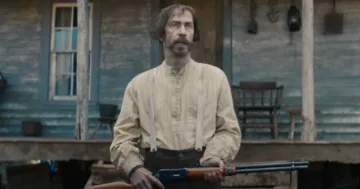
Here are Cinephile Corner’s 10 recommendations for movies like A History of Violence:
No Country for Old Men
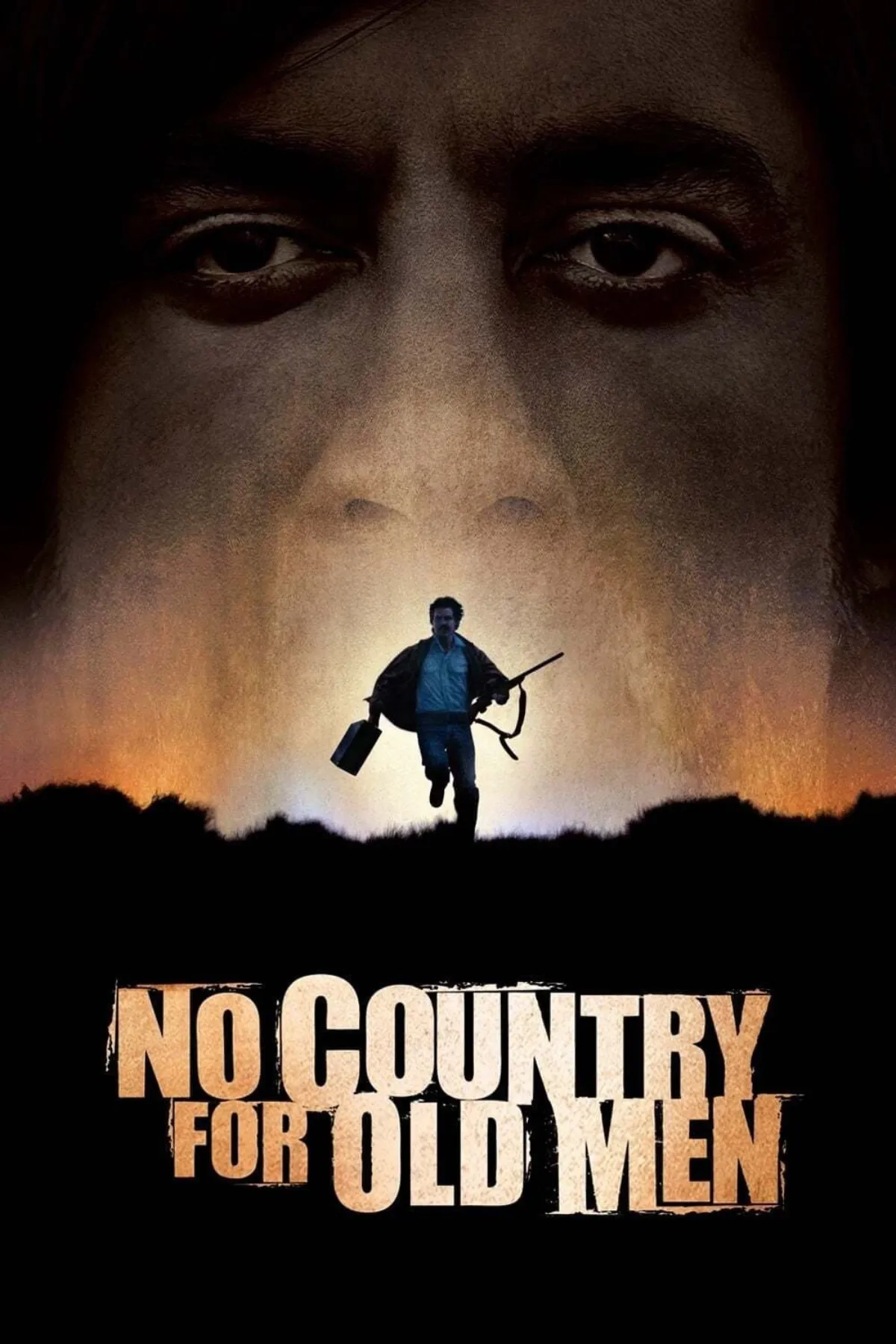
Revisiting No Country for Old Men on its 4K Criterion Collection release reminded me why this film stands among the greats—not just of 2007, not just of the 21st century, but of all time. It’s Joel and Ethan Coen at their most precise and uncompromising, blending their dualistic approach to filmmaking: the sharp nihilism of their darker works with the understated, situational humor that defines their lighter outings. It’s a masterpiece of tension, craft, and existential dread, all wrapped in a narrative as sparse and unrelenting as the Texas landscape it inhabits.
Love Lies Bleeding

There’s really nothing like Love Lies Bleeding. I don’t necessarily subscribe to the blanket notion that they don’t make movies like they used to anymore – but I will say, Hollywood hasn’t consistently made films as erotic and thrilling like this since the 1980s and 90s. Rose Glass directs the dynamic duo of Katy O’Brian and Kristen Stewart.
Blood Simple
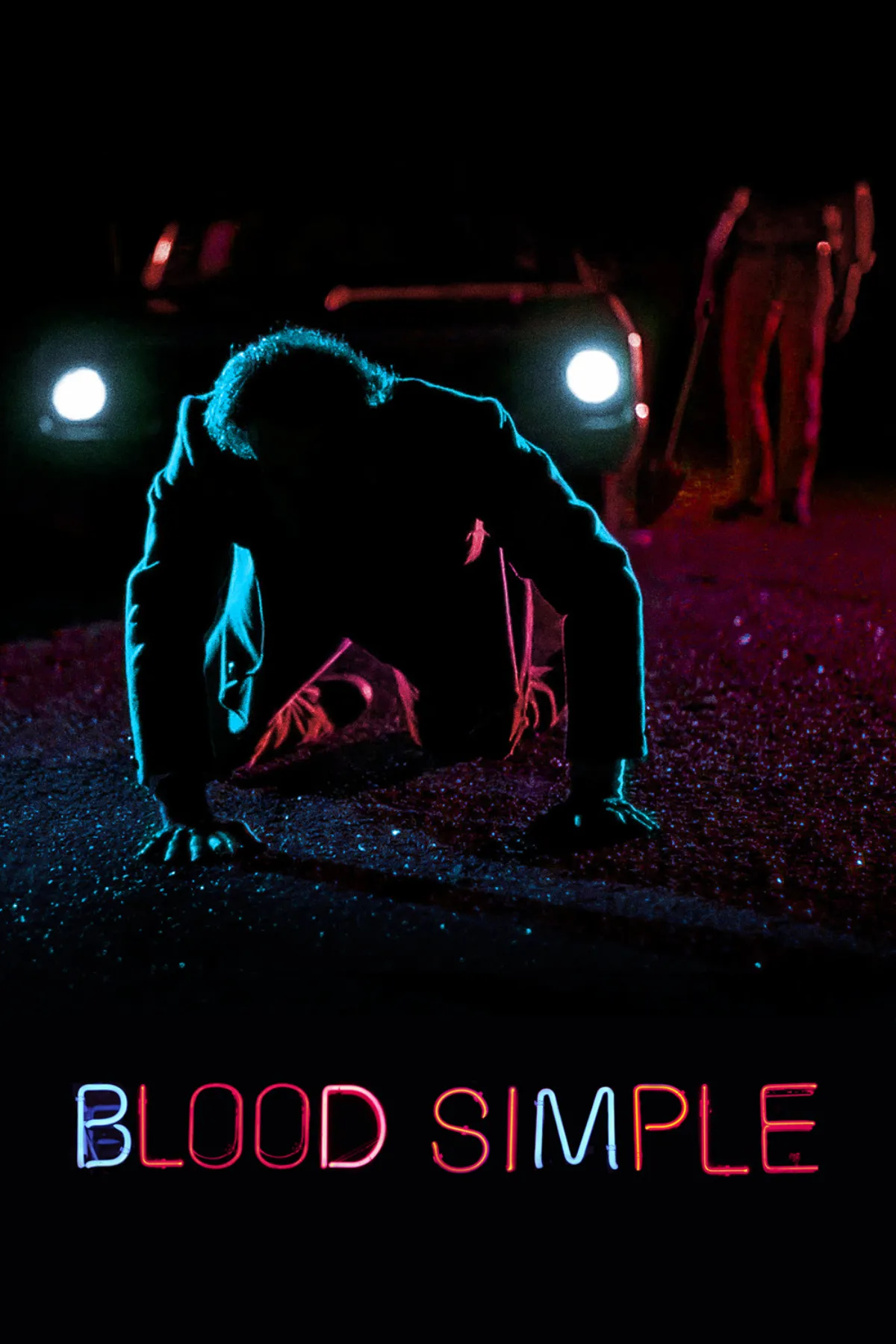
Nearly every time I revisit Blood Simple, I’m struck by how confident and precise Joel and Ethan Coen were right out of the gate. Released in 1984, Blood Simple is the Coen brothers’ debut film and still stands as one of the greatest first features ever made. A neo-noir steeped in paranoia, betrayal, and bloody miscommunication, it’s a film that knows exactly what it wants to be—lean, stylish, and razor-sharp.
The Killer
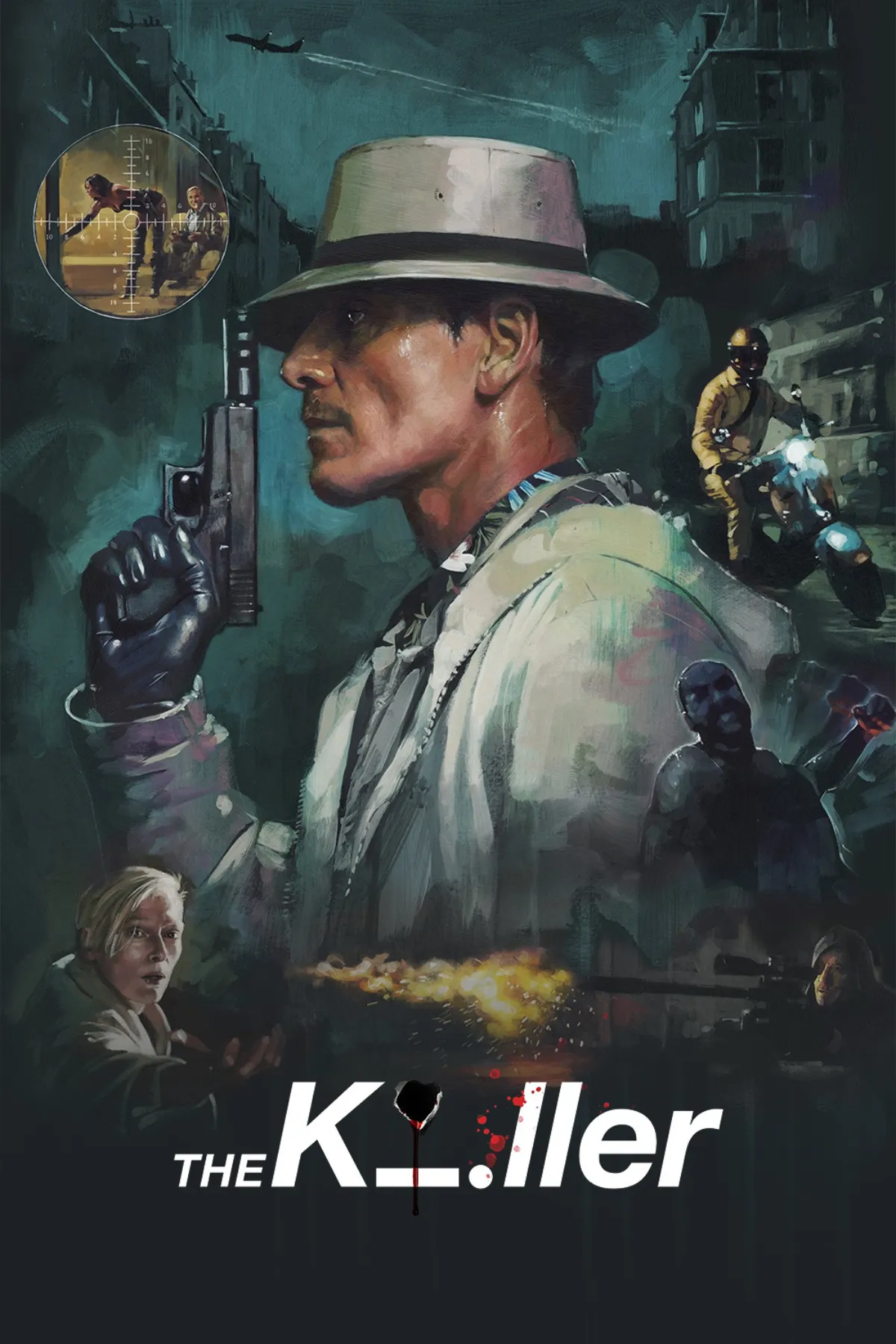
The Killer is nothing short of a triumph for David Fincher and a treat for fans of his filmography. It may be the most Fincherian movie ever made, but far from devolving, it solidifies his mastery of the medium. A calm Michael Fassbender performance helps seal The Killer as on of the best movies of 2023.
Decision to Leave

Park Chan-wook deserves all the credit he’s getting for Decision to Leave – a film the relies heavily on a master filmmaker working at his best. Although it isn’t as violent or abrasive as his past gems, Decision to Leave still finds its pocket in a filmography full of clever material.
Nightmare Alley
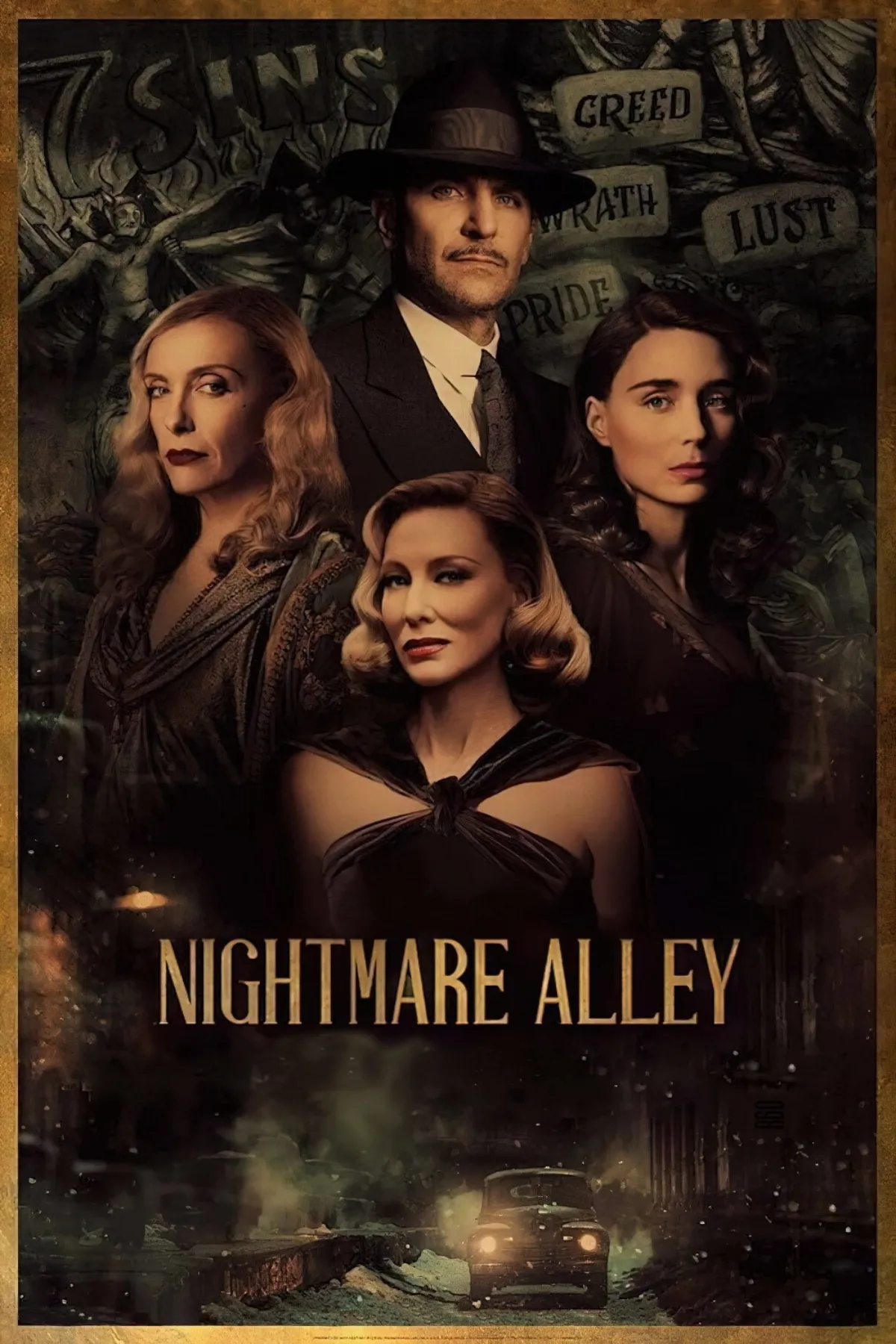
Guillermo del Toro has built a career on finding beauty in darkness, crafting stories that, even in their bleakest moments, hold onto some sense of wonder, nostalgia, or hope. Movies like Pan’s Labyrinth, The Shape of Water, and his stop-motion Pinocchio remake all explore the perseverance of the human spirit, even in the face of terrible atrocities. That’s what makes Nightmare Alley such a striking outlier in his filmography—it’s a film almost entirely devoid of hope, a cynical neo-noir that suggests people are, at their core, selfish and opportunistic. Instead of offering redemption, Nightmare Alley leaves you with a sick feeling in your stomach, hammering home its central thesis: trust is a liability, and grifters will always find a way to exploit it.
Blue Velvet
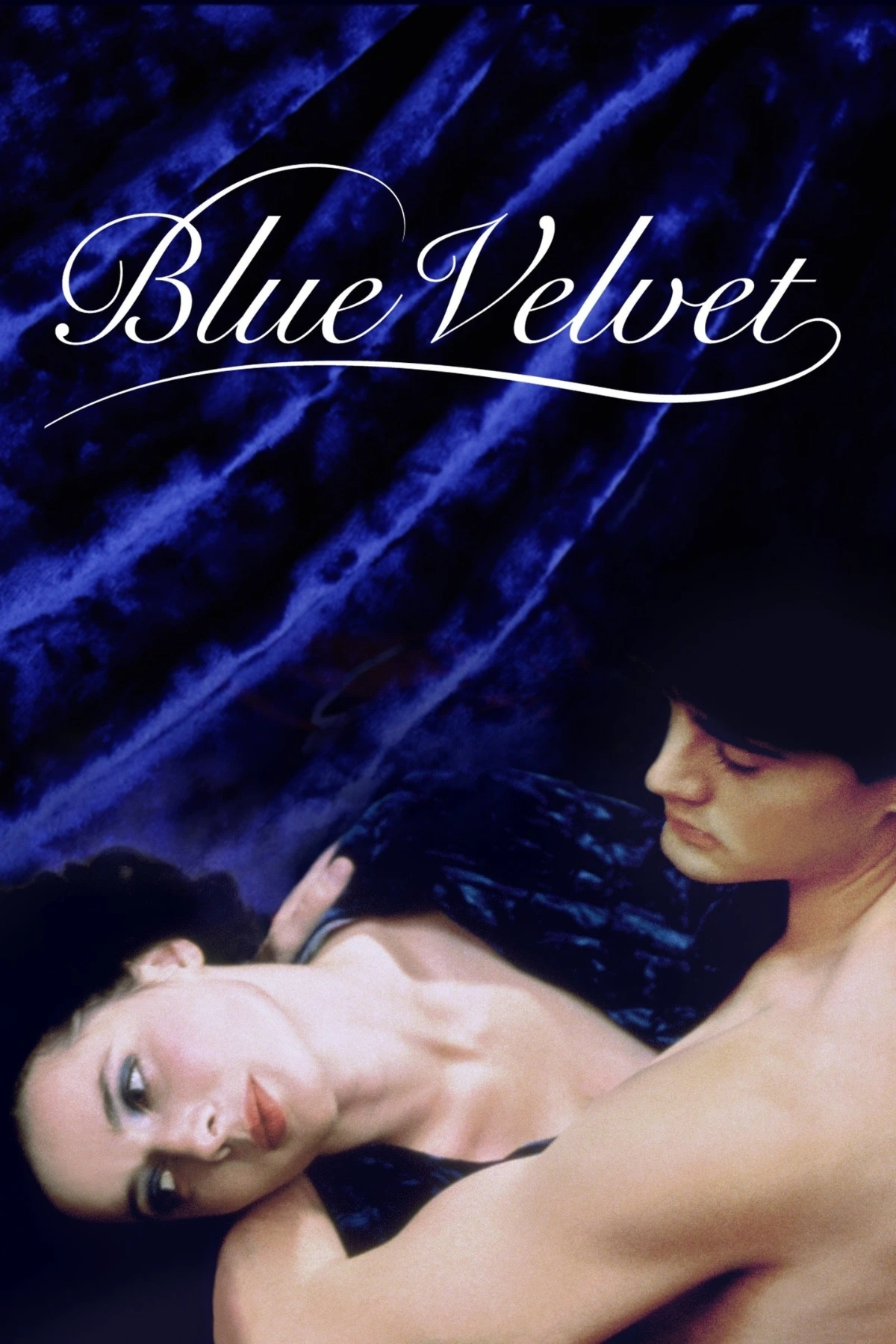
If for nothing else, Blue Velvet serves as a key to unlock the filmography of David Lynch, as if every subsequent movie would take bits and pieces from Blue Velvet and expand them into their own ideas and themes. It’s cryptic, morally ambiguous, and set in the heart of a deep underbelly within small town life. The film is beguiling as hell, and even features many of Lynch’s recurring actors and actresses, led by Kyle MacLachlan and Laura Dern. The movie isn’t as nearly as cut-and-dry as its noir elements suggest and its contemporaries often were, and it seems that public consensus has only further improved since Blue Velvet‘s release in 1986.
The Shrouds
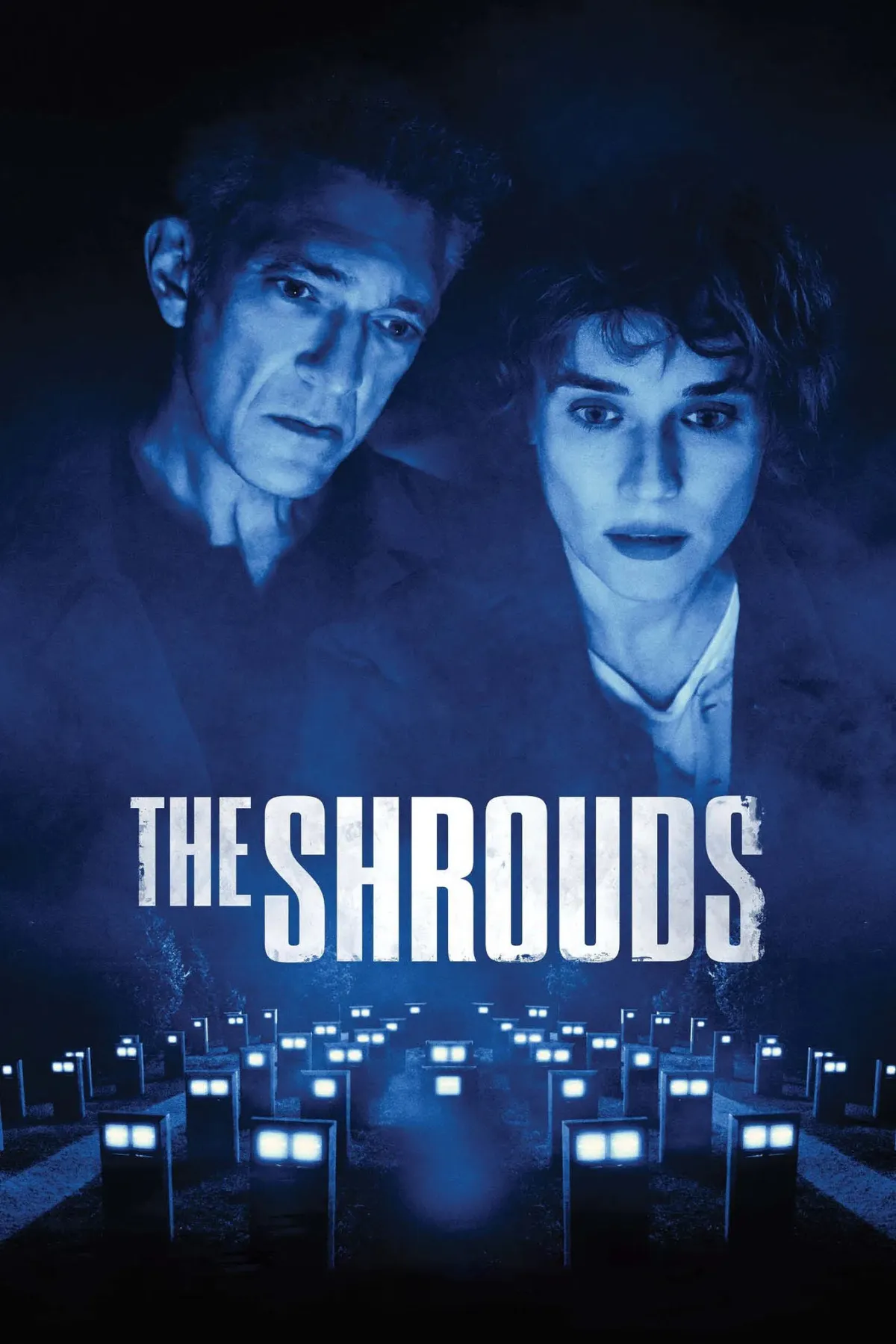
David Cronenberg’s The Shrouds isn’t a genre masterpiece like The Fly or Dead Ringers, and it’s less refined than Eastern Promises. But it’s haunting in a different way. It’s the kind of film you think about more after it ends. And that might be the point. It’s a slow-burning elegy from a filmmaker who’s spent decades exploring transformation, now confronting the one transformation that awaits us all.
Punch-Drunk Love

Paul Thomas Anderson’s Punch-Drunk Love is the rare romantic comedy that hums like a live wire. The movie finds Anderson collapsing love and rage into the same nervous system, paring down the sprawl of Magnolia to something smaller, stranger, and sharper. The film’s scale is modest compared with Boogie Nights or There Will Be Blood, but its voltage is unmistakable—an anxious fairytale painted in glowing blues and reds, propelled by Jon Brion’s jittery, percussive score and bursts of abstract color.
Infinity Pool
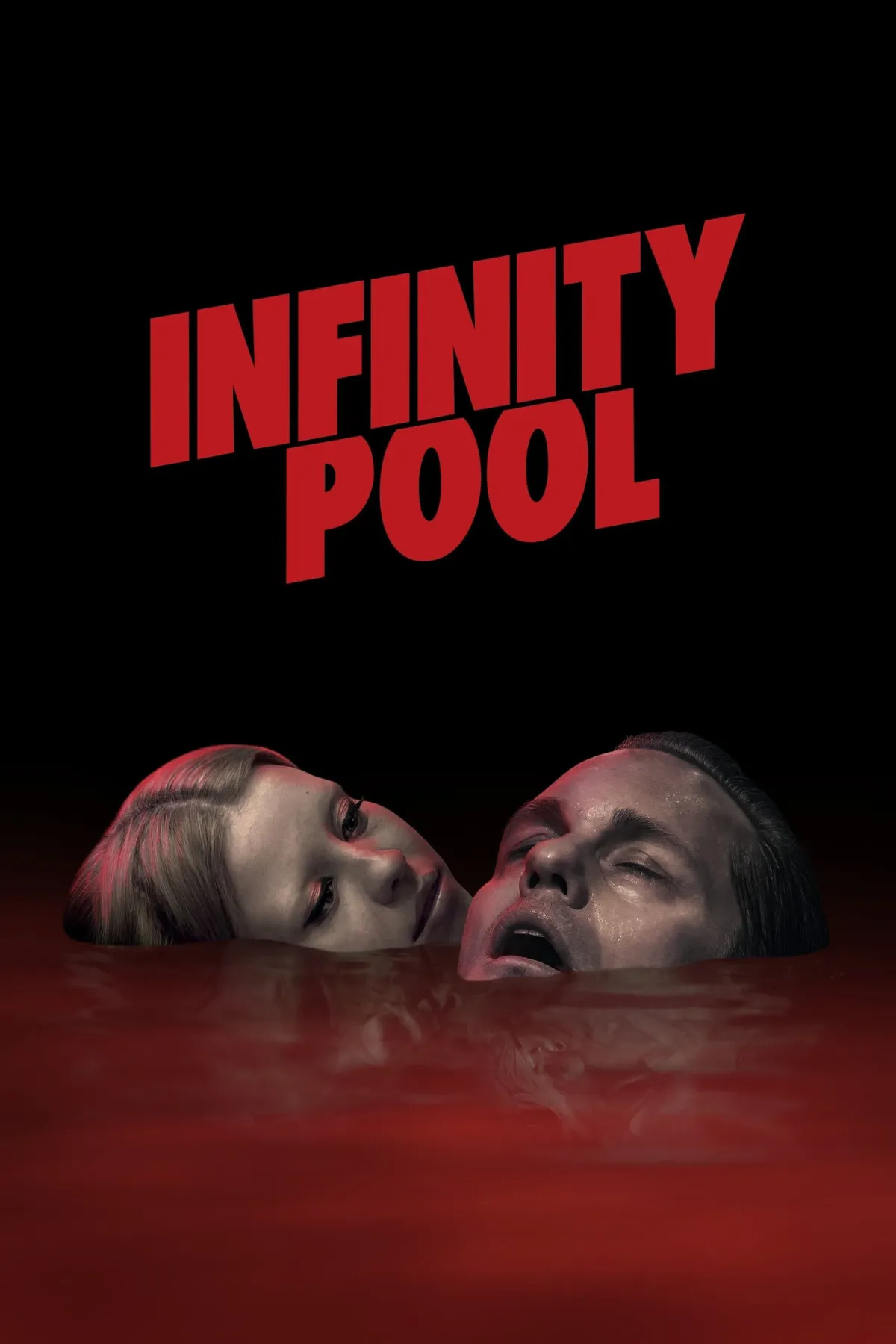
There are some real highlights in Brandon Cronenberg‘s newest art house horror movie, mainly the chemistry between Alexander Skarsgard and Mia Goth. But Infinity Pool struggles to build into anything beyond a set of shocking horror images and audacious scenes.
READ MORE: A History of Violence (2005)