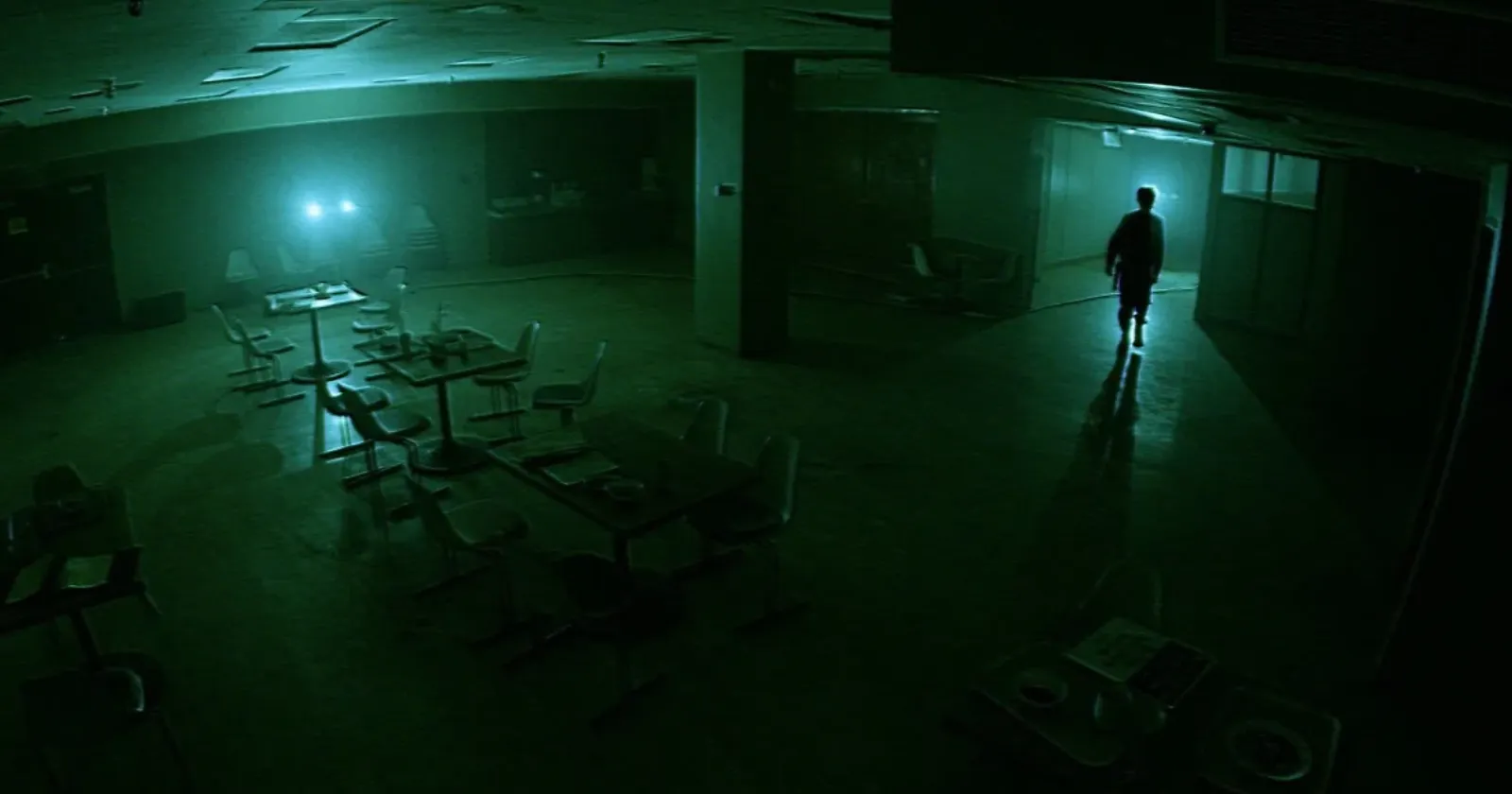
John Carpenter’s Halloween (1978) is one of those films that is so baked into horror DNA that it can be hard to look at it with fresh eyes, but even almost 50 years later it still works like gangbusters. You can trace nearly every slasher you love back to what Carpenter did here. The masked, wordless killer in Michael Myers. The suburban setting that looks safe until it is not. The calmly unraveling psychiatrist in Donald Pleasence’s Dr. Loomis. The smart, alert, deeply sympathetic final girl in Jamie Lee Curtis’ Laurie Strode. All of that starts here, and very few of the imitators matched its patience, its clarity, or its eerie sense of watching something evil drift slowly toward you from across the street.
What jumps out on a rewatch is how clean the filmmaking is. Carpenter keeps the premise painfully simple. A young Michael Myers murders his sister, is institutionalized, escapes years later, steals a mask and a car, and heads back to Haddonfield on Halloween to stalk teenagers. That is the whole thing. Because the plot is so stripped down, Carpenter can give you what actually matters. Long POV shots that put you inside a killer’s gaze. Wide suburban frames that are just empty enough to make you scan every corner. That synth score he co-wrote that pulses like a second heartbeat. It is 91 minutes and it wastes none of them. Watching it in 2025, what feels radical is not violence or gore but restraint. Halloween is not loud. It is methodical.
Jamie Lee Curtis is a big part of why it still plays. Her Laurie is responsible and nerdy and stuck babysitting on Halloween, but she is not a scold or a wet blanket. She is observant. She notices something off long before anyone else does. Curtis lets you see Laurie thinking through terror in real time, especially once her friends start getting picked off. Donald Pleasence, meanwhile, is doing the most dependable horror movie thing ever: the guy who walks in from another movie to tell everyone that this is not a normal killer, that Michael is pure evil, and that no one is taking this seriously enough. Pleasence gives the film a moral frame so Carpenter can keep the action spare.
It is also funny to remember that Halloween was not originally supposed to become an eternal Michael Myers franchise. The idea was closer to an anthology of spooky Halloween night tales, which is what Halloween III: Season of the Witch tried to do. Michael was just too iconic. You watch how Carpenter shoots him here and you get it. He is often still. He just appears in the background, behind laundry lines, in the shadow of a doorway, across the street in broad daylight. Carpenter treats him like a shape and a presence, not a quippy monster. That is why people kept bringing him back. Even if I have a lot of affection for what Carpenter went on to do in The Thing, They Live, or Escape from New York, this is the movie the culture will always hang on him.
READ MORE MOVIE REVIEWS: Eraserhead, Rabid, The Killing of a Chinese Bookie
Seen from now, it is a little funny how familiar the beats are. The babysitter kills. The cutaways to sexed up teens who will not make it to the end. The final girl showdown. All of that became cliché because Halloween did it so well that everyone stole it. If you grew up on Scream, The Babadook, It Follows, or Talk to Me, you can still feel the line running straight back to 1978. Carpenter gives you a pure template for suburban dread and then underlines it with one of the most effective horror themes ever written. That is why it sits in the canon, and why it is still the perfect October watch. Even if I personally reach for The Thing or They Live first, Halloween is the one that rewired the genre.
Score: 8/10
Halloween (1978)
- Cast: Donald Pleasence, Jamie Lee Curtis, Nancy Kyes, P. J. Soles, Charles Cyphers, Kyle Richards, Brian Andrews
- Director: John Carpenter
- Genre: Horror, Thriller
- Runtime: 91 minutes
- Rated: R
- Release Date: October 27, 1978
- Movies Like Halloween: Scream, The Exorcist, Us, More Movies Like Halloween
- Follow us on Letterboxd