Here are Cinephile Corner’s 10 recommendations for movies like Wuthering Heights:
Frankenstein
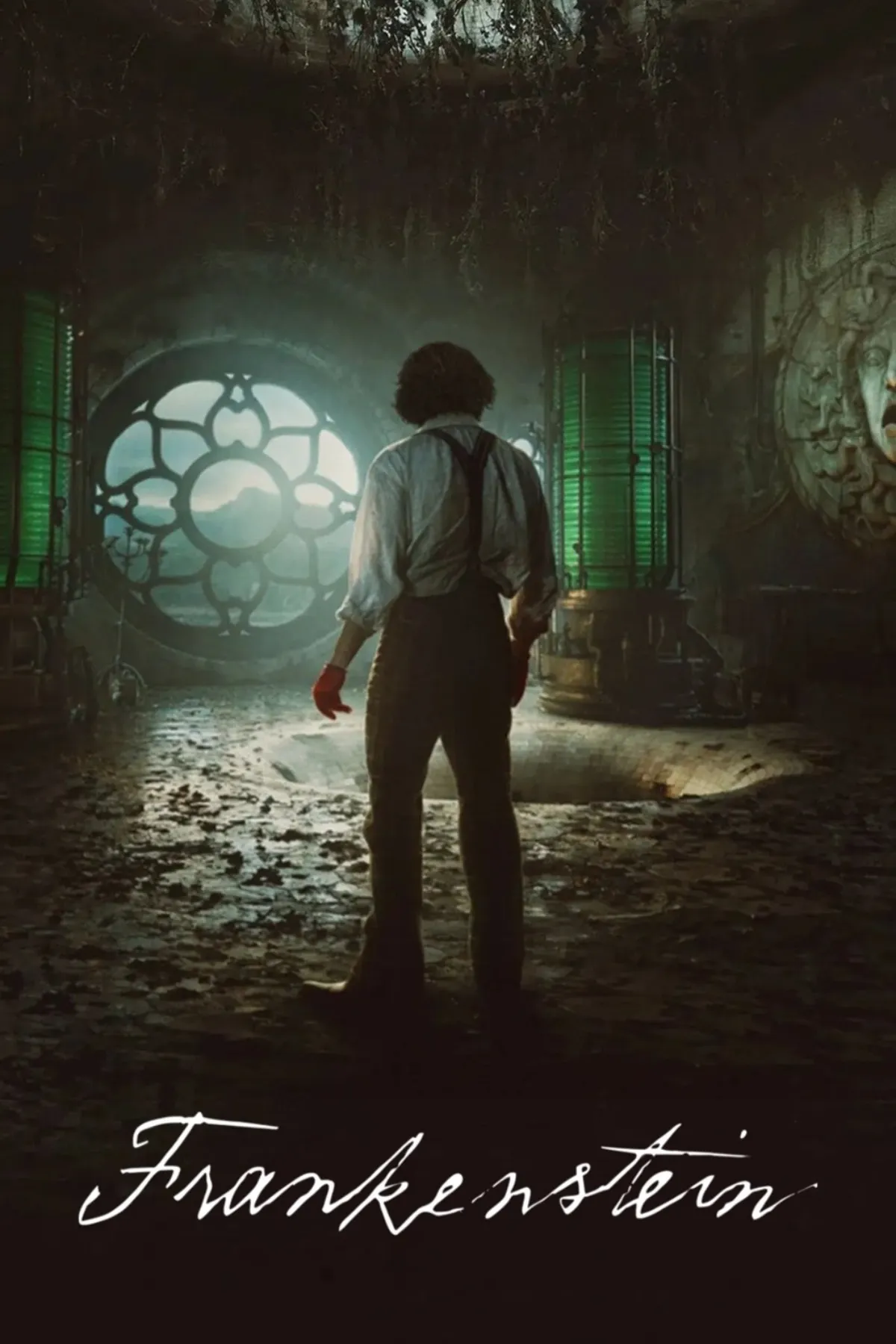
Guillermo del Toro’s Frankenstein hews closely to Mary Shelley, for better and for worse. It is a long running passion project, and it makes sense that he resists drastic changes to a story that already matches his gothic sensibility. After the more adventurous reworkings of Nightmare Alley, Pinocchio, and the Creature from the Black Lagoon lineage in The Shape of Water, this feels cautious. The craft is elegant, the discoveries are limited.
Die My Love

The highs in Die My Love are undeniable, and the lows are confusing. Lynne Ramsay adapts Ariana Harwicz’s novel with a bold, fevered intensity, centering Jennifer Lawrence as Grace, a new mother sliding from postpartum depression into psychosis. Robert Pattinson plays Jackson, the husband whose growing absence turns their home into a pressure cooker. The two leads meet the film at its temperature, and Lawrence gives one of her sharpest performances in years.
Punch-Drunk Love

Paul Thomas Anderson’s Punch-Drunk Love is the rare romantic comedy that hums like a live wire. The movie finds Anderson collapsing love and rage into the same nervous system, paring down the sprawl of Magnolia to something smaller, stranger, and sharper. The film’s scale is modest compared with Boogie Nights or There Will Be Blood, but its voltage is unmistakable—an anxious fairytale painted in glowing blues and reds, propelled by Jon Brion’s jittery, percussive score and bursts of abstract color.
The Banshees of Inisherin

The story in The Banshees of Inisherin is simultaneously laugh-out-loud audacious and deftly potent with real questions on life and legacy. This is essentially Martin McDonagh’s treaties on friendship and what you leave behind once you leave Earth. Colin Farrell is the film’s stand-in for niceness towards those around you, and Brendan Gleeson’s character is a stand-in for tangible contributions to the world (in the film’s case, music). McDonagh constantly tries to unearth what it means to leave behind a legacy, and who will care about us when we die.
Saltburn
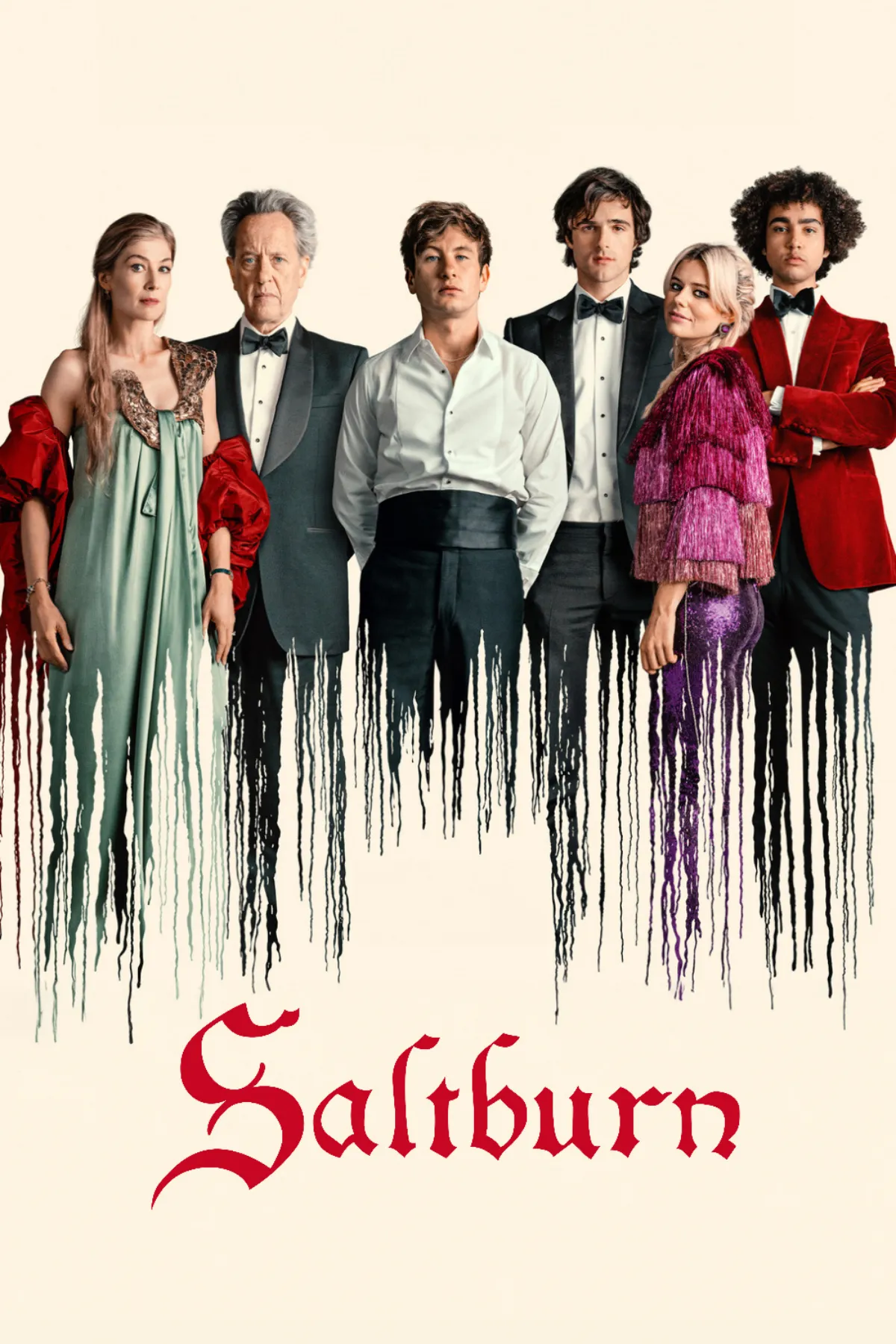
Emerald Fennell‘s sophomore movie, Saltburn, emerges from the rubble of her polarizing debut, Promising Young Woman, with a cast that elevates the material despite its endlessly convoluted and plainly put narrative. This comedy-drama-thriller hybrid film weaves a perplexing tale of obsession, deception, and tragedy within the confines of the aristocratic Catton family’s titular estate.
Nightbitch

I get what Nightbitch is trying to do. This Amy Adams-led satirical drama movie digs deep into the physical and emotional transformations women experience during and after motherhood. Adams plays a new stay-at-home mother who feels trapped in her role, spending long, monotonous hours watching her child while grappling with a profound sense of loss.
Nosferatu
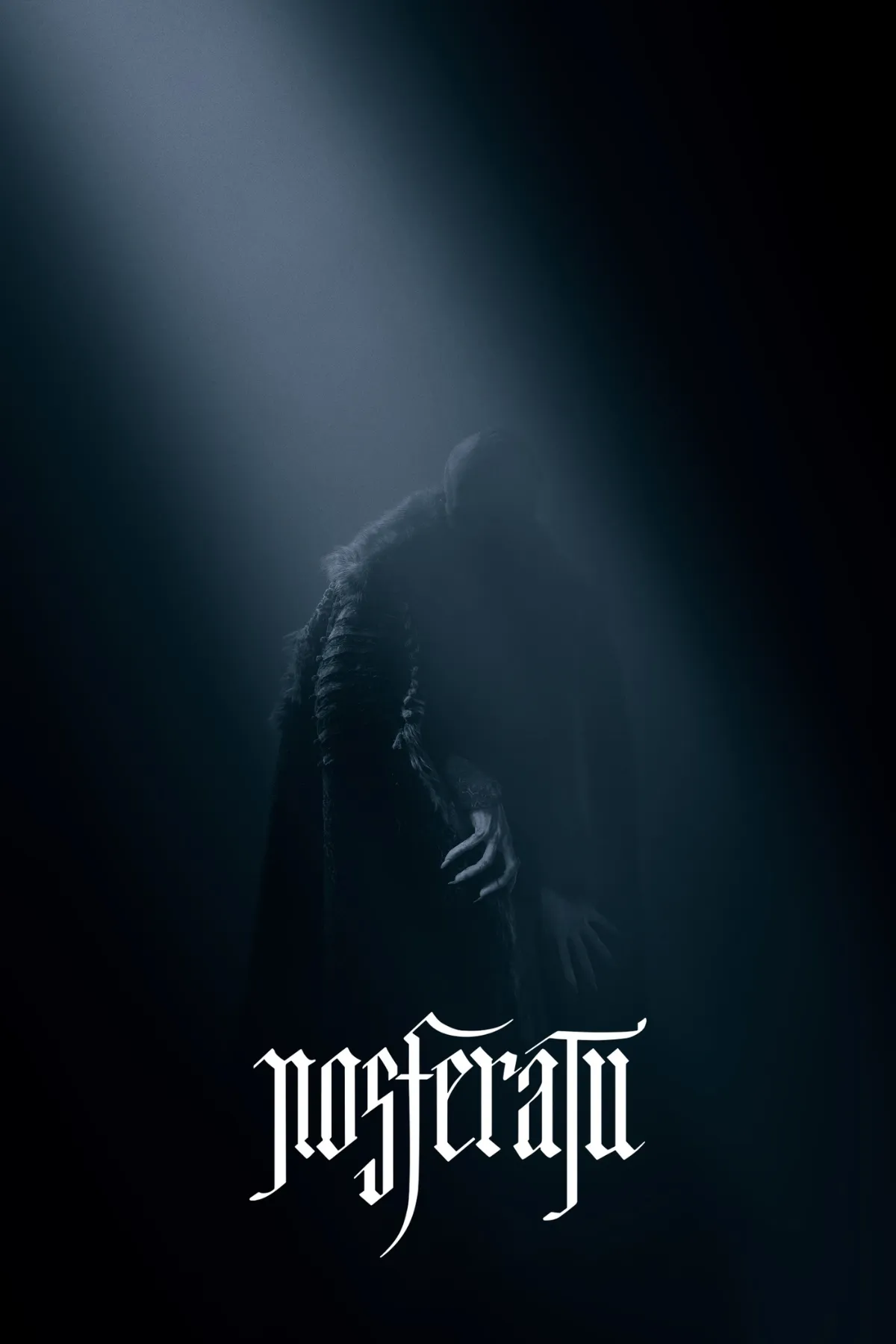
Robert Eggers might already be one of the greatest filmmakers of our time. Sure, it’s silly and hyperbolic to say that so early in his career, but few directors today can craft arthouse movies on the scale of his latest work, Nosferatu, and make it look so effortless. The subject matter feels like a natural progression from his earlier explorations of isolation and dread in The Witch, The Lighthouse, and The Northman. Here, Eggers reimagines the classic vampire tale with precise, stomach-churning detail, delivering a vision that both honors the original and reinvents it as a sadistic, psychosexual nightmare.
Nightmare Alley
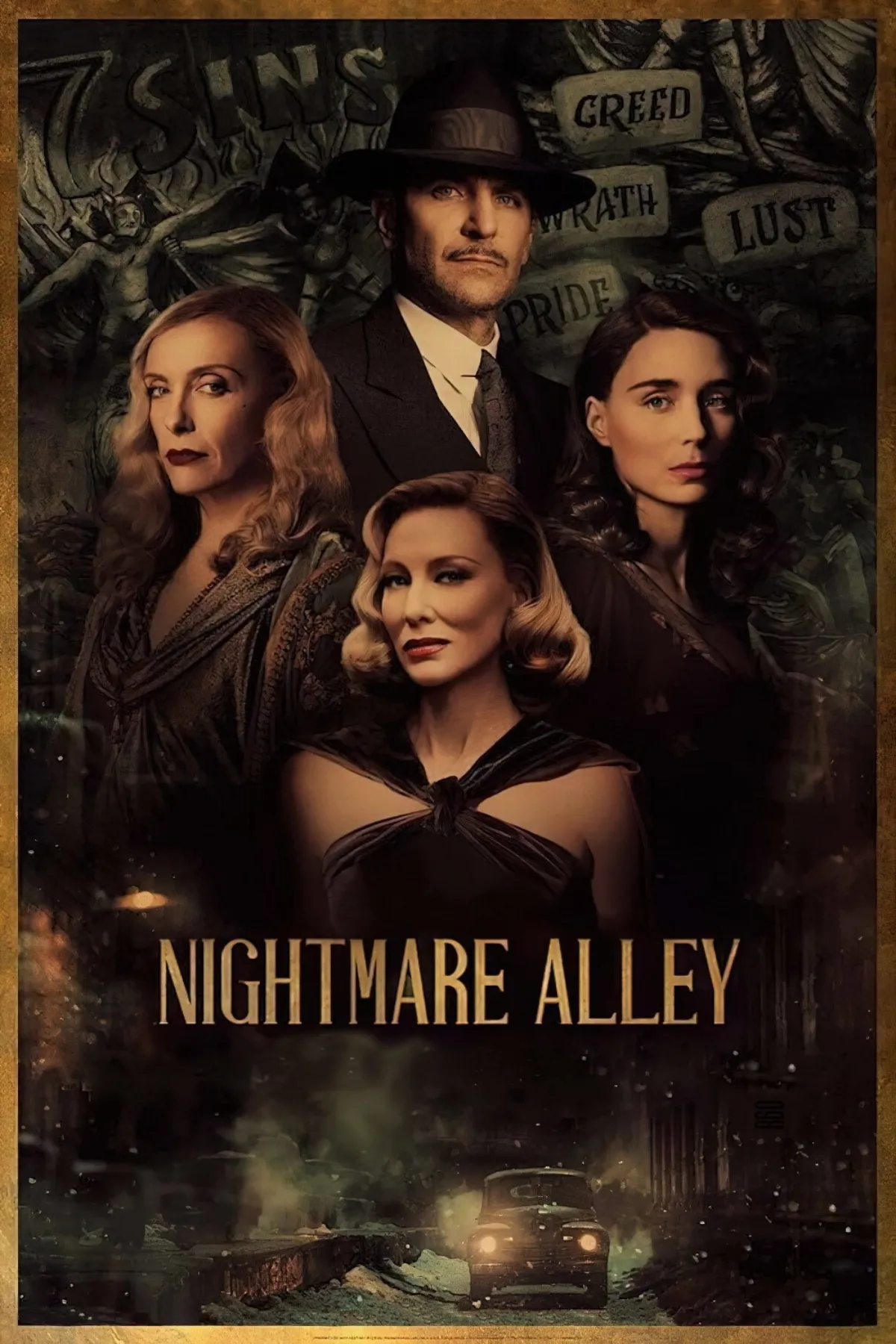
Guillermo del Toro has built a career on finding beauty in darkness, crafting stories that, even in their bleakest moments, hold onto some sense of wonder, nostalgia, or hope. Movies like Pan’s Labyrinth, The Shape of Water, and his stop-motion Pinocchio remake all explore the perseverance of the human spirit, even in the face of terrible atrocities. That’s what makes Nightmare Alley such a striking outlier in his filmography—it’s a film almost entirely devoid of hope, a cynical neo-noir that suggests people are, at their core, selfish and opportunistic. Instead of offering redemption, Nightmare Alley leaves you with a sick feeling in your stomach, hammering home its central thesis: trust is a liability, and grifters will always find a way to exploit it.
Magnolia
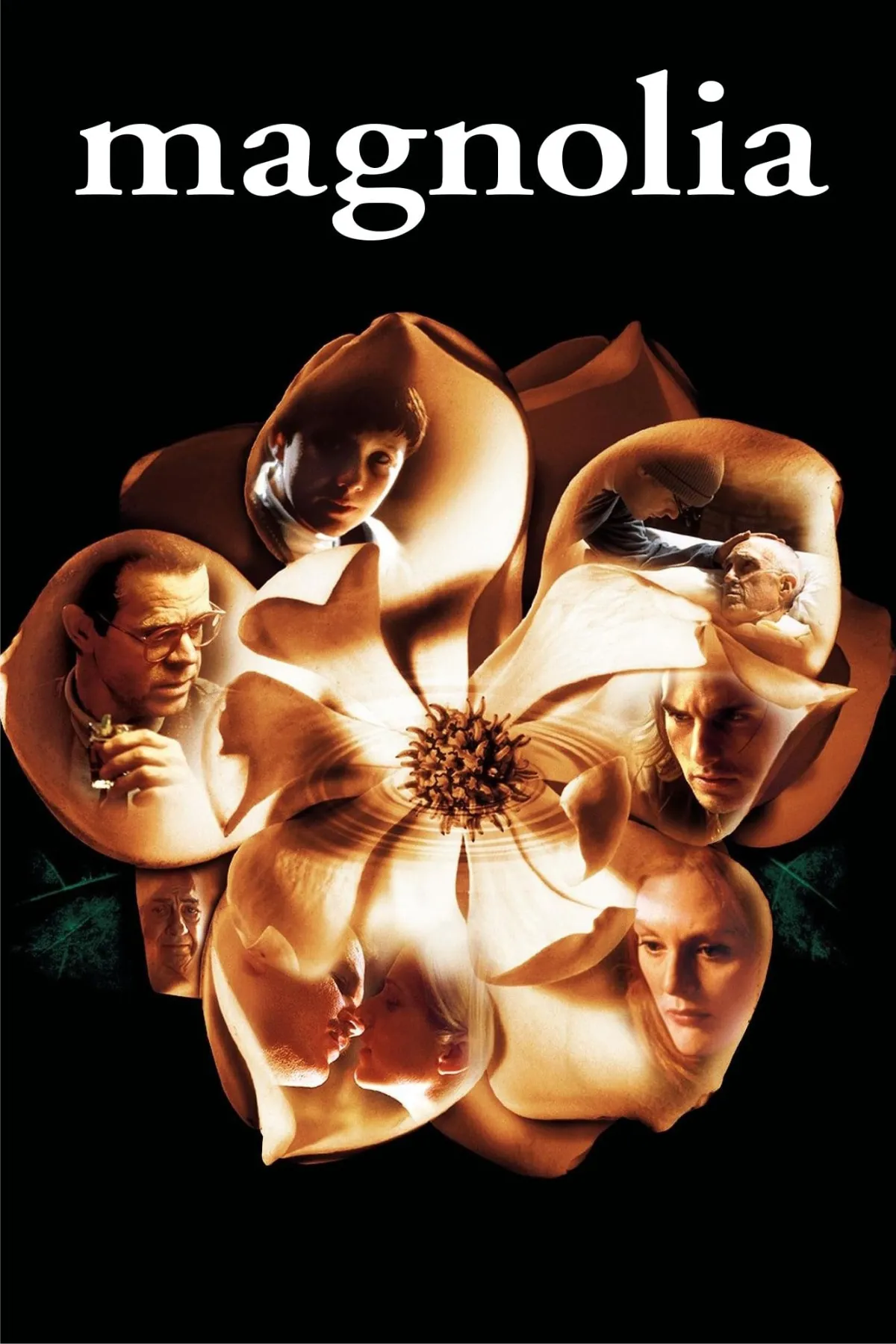
Magnolia might feel a bit like the film that got away from Paul Thomas Anderson (because it kinda is), but it’s the sort of big-budget passion project that up-and-coming filmmakers rarely get to make nowadays. The ensemble cast of Magnolia is littered with A-listers and common Paul Thomas Anderson players, from Julianne Moore and Philip Seymour Hoffman to Tom Cruise and John C. Reilly, each actor adds their own weight to this shotgun blast of characters.
Don’t Worry Darling
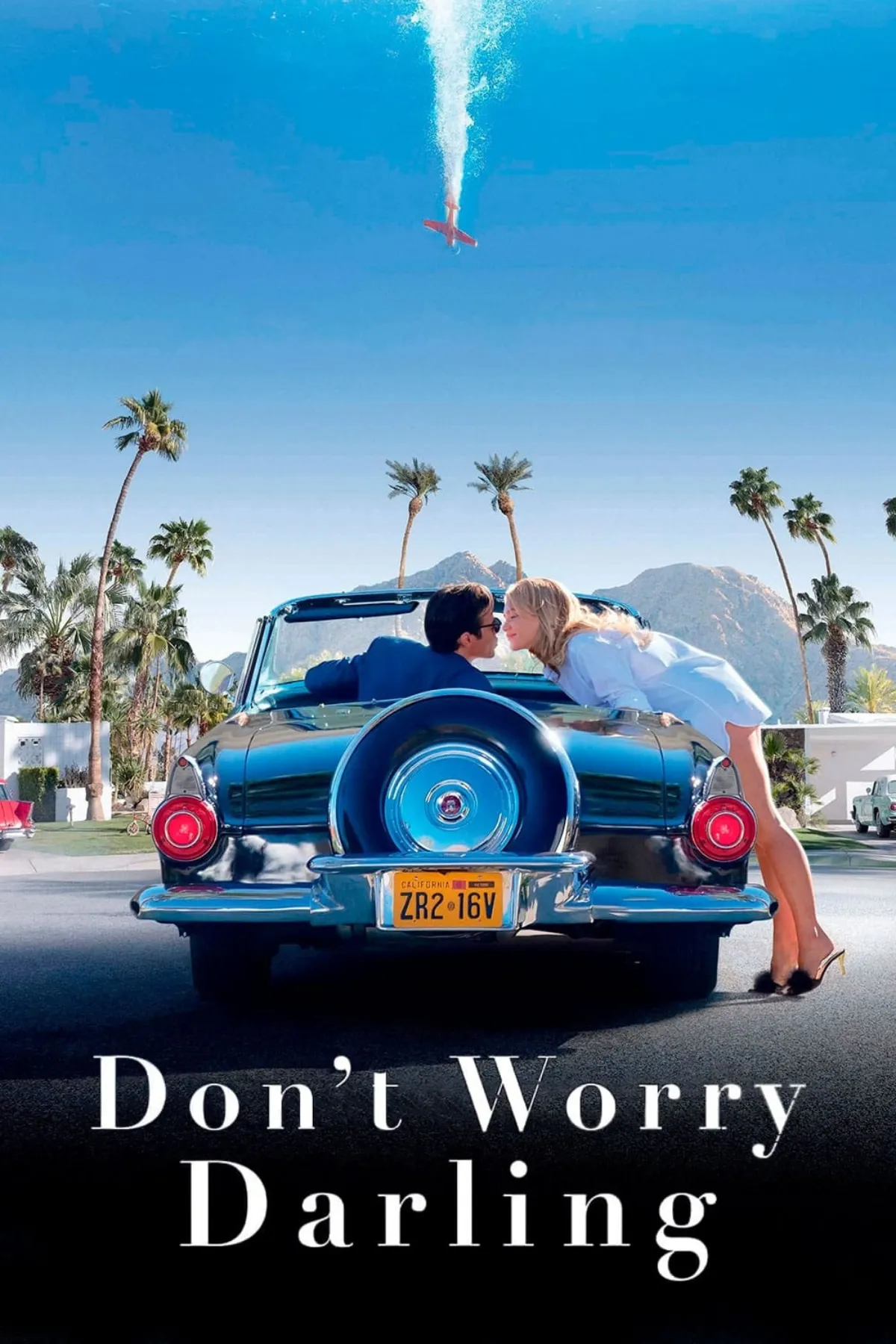
While it’s easy to point fingers and blame the film’s issues on just a few individuals, Don’t Worry Darling, at its core, is flawed. A meandering story can’t be saved by Florence Pugh and Harry Styles.
READ MORE: Wuthering Heights (2026)