Here are Cinephile Corner’s 10 recommendations for horror movies like Onibaba:
Nosferatu
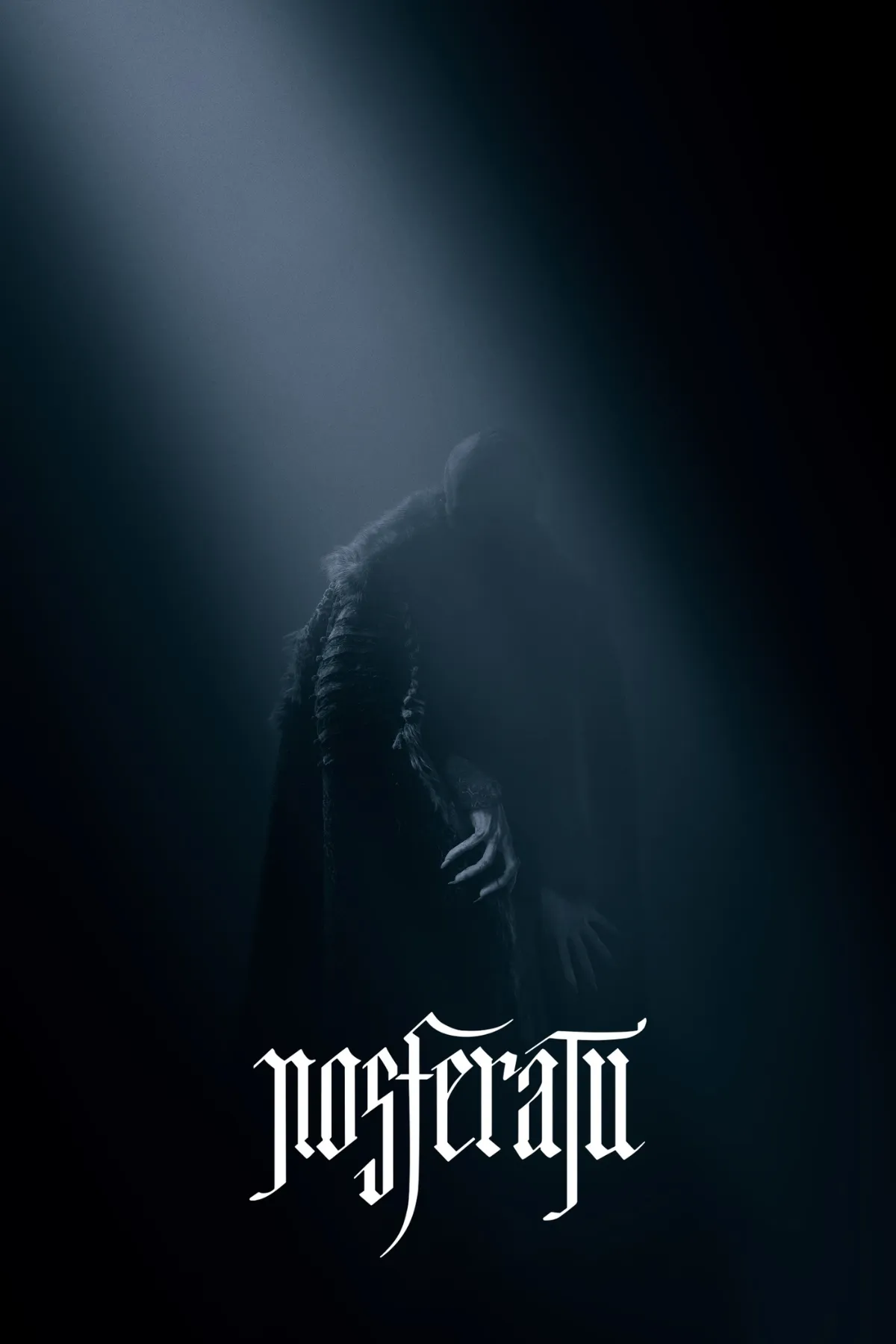
Robert Eggers might already be one of the greatest filmmakers of our time. Sure, it’s silly and hyperbolic to say that so early in his career, but few directors today can craft arthouse movies on the scale of his latest work, Nosferatu, and make it look so effortless. The subject matter feels like a natural progression from his earlier explorations of isolation and dread in The Witch, The Lighthouse, and The Northman. Here, Eggers reimagines the classic vampire tale with precise, stomach-churning detail, delivering a vision that both honors the original and reinvents it as a sadistic, psychosexual nightmare.
Ring
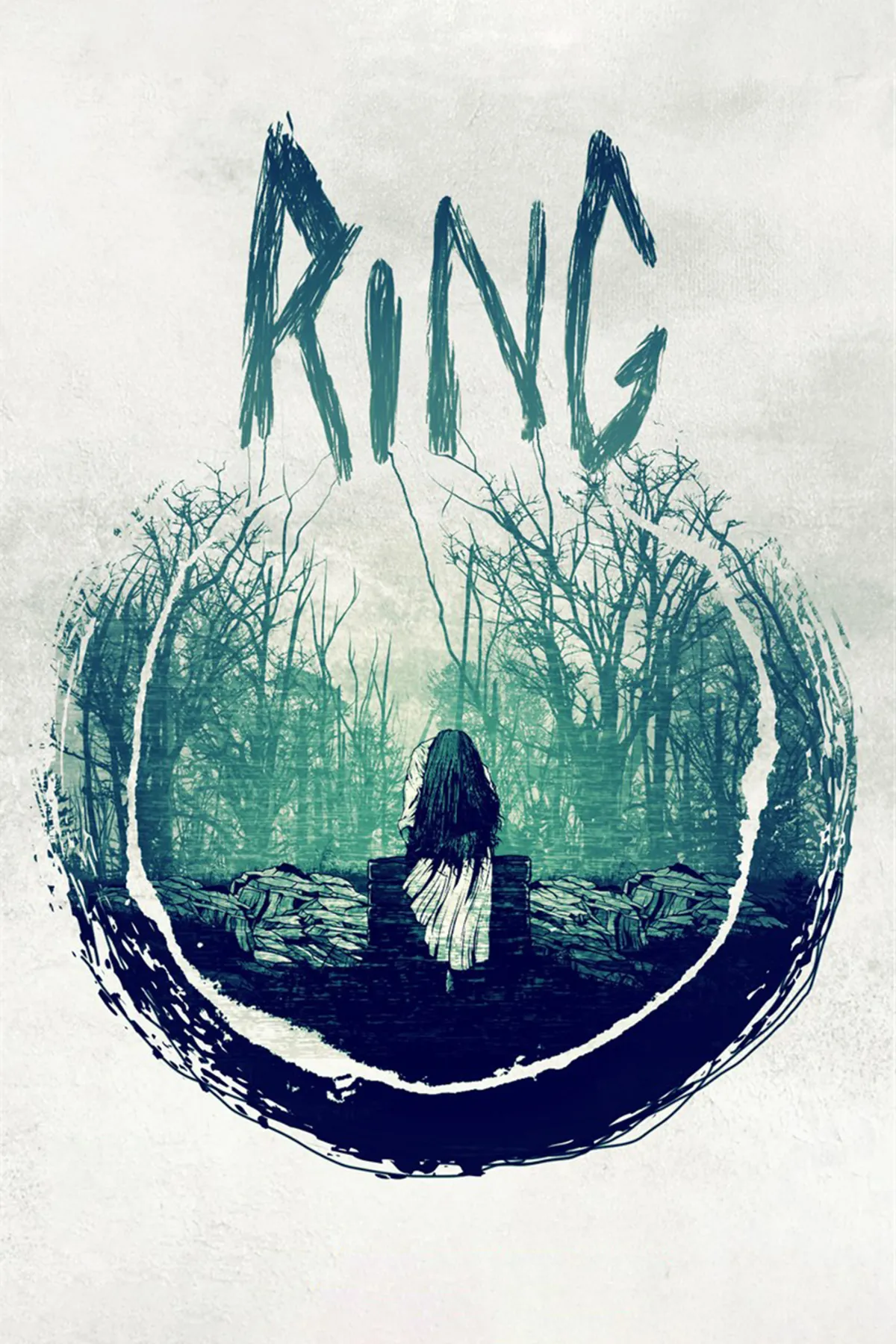
Ring is among the most influential movies to ever come out of Japan. Setting aside it’s successful attempt to blend Japanese filmmaking into the mainstream, Hideo Nakata‘s wildly successful 1998 film is one of the horror genre’s most well-regarded releases. It transcended where it came from, becoming an international powerhouse and spawning and English-language remake due to its popularity.
Oddity
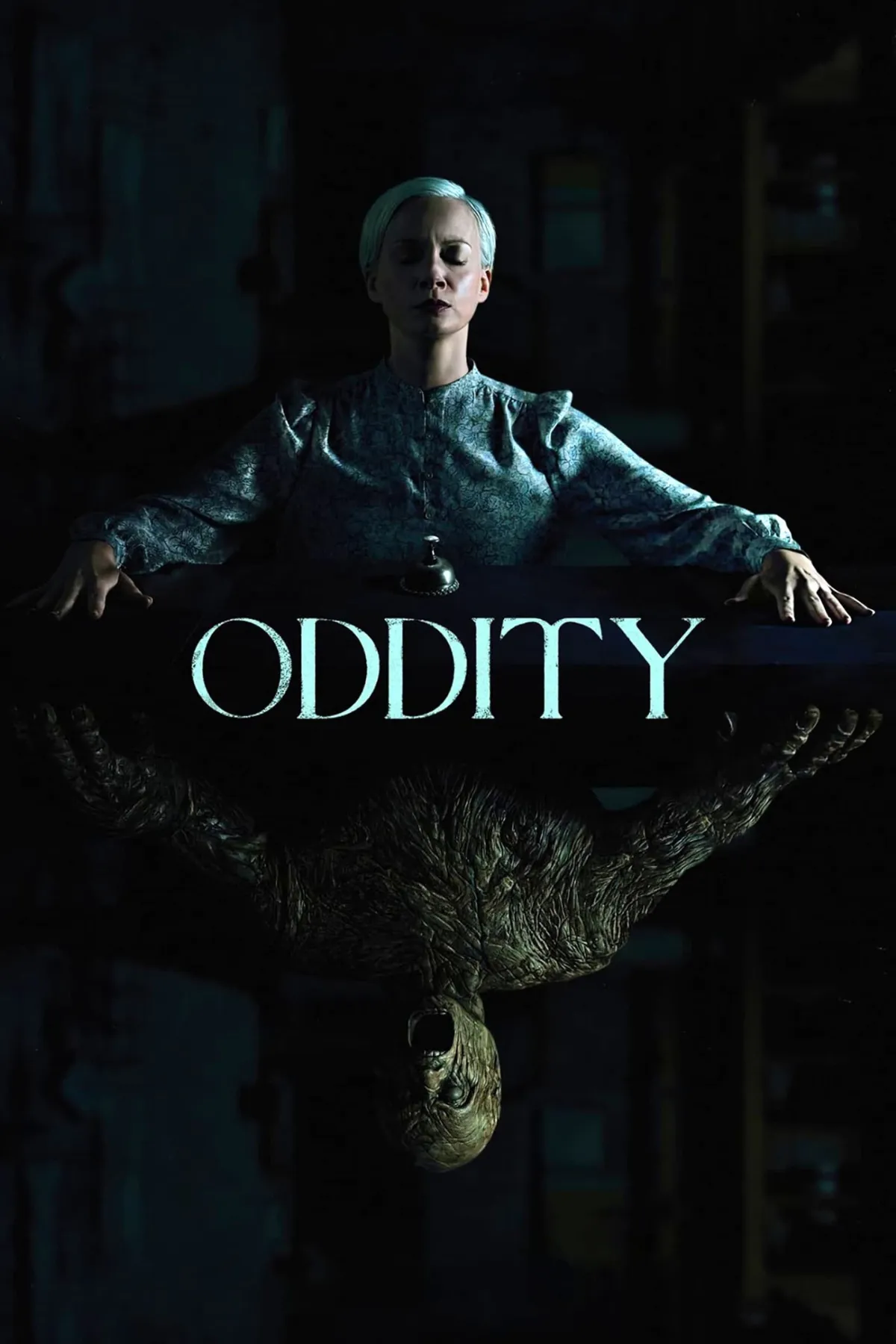
Oddity is a rather succinct and well-paced Shudder movie, making it a surprisingly refreshing picture given the current state of independent horror and Shudder‘s most recent original movies to debut on the platform. Perhaps they saved the best for a loaded October because Oddity kicks it off in strong fashion, using jarring framing and bloodstained gore to effective results.
Handling the Undead

Handling the Undead is Thea Hvistendahl’s debut directorial feature, and while there are aspects of the movie that are fascinating (and even quite profound), the story is drawn out for far too long. The emotional bite is there in doses, but there’s a general feeling of malaise that washes over you and drowns you out.
Ju-on: The Grudge
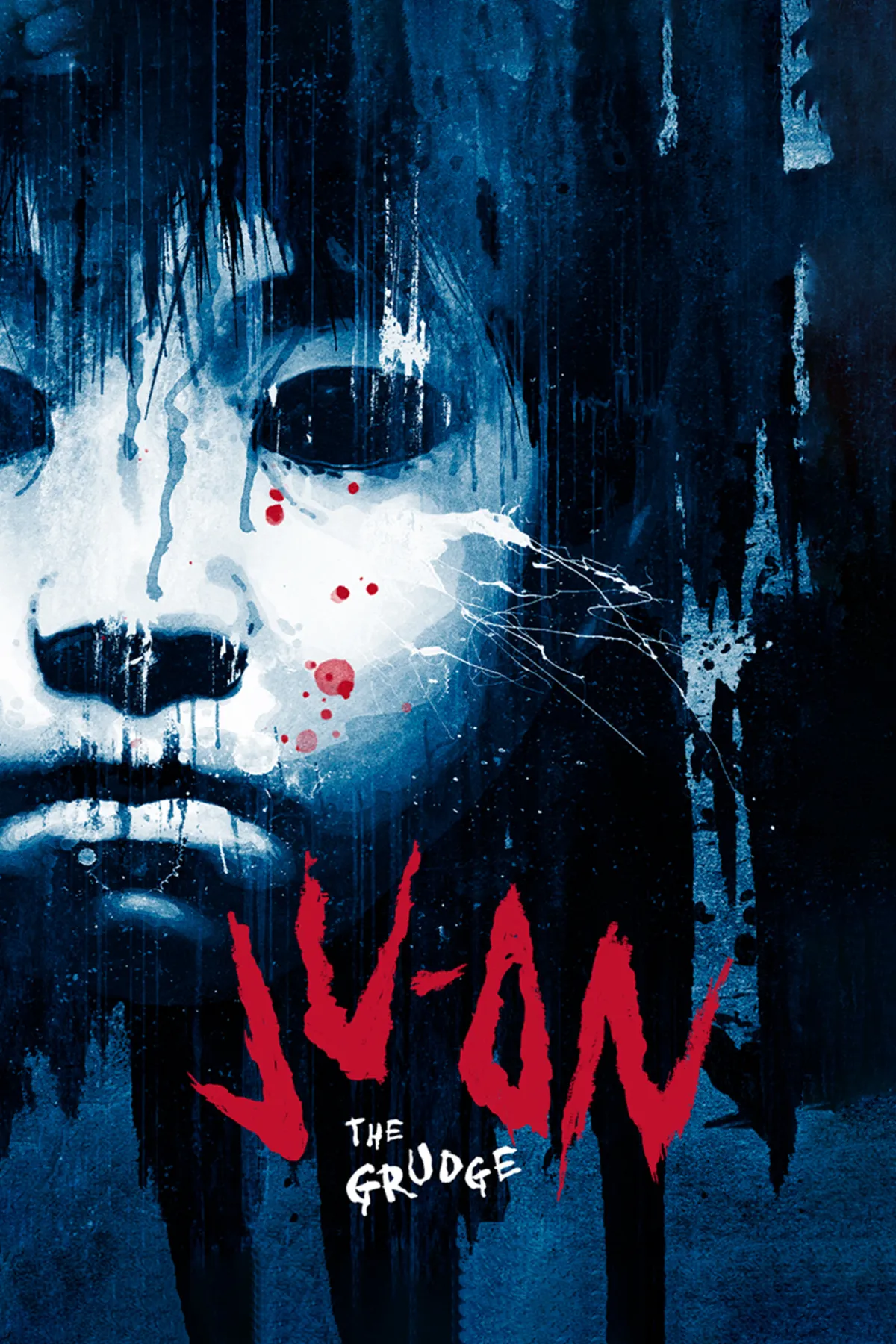
I get why Ju-on: The Grudge has such a dedicated following. It’s one of the freakiest movies I’ve ever seen. While not overly reliant of the classic jump scare technique with jolting editing and sharp sonic cues, The Grudge still packs a hefty amount of scares because of the vivid imagery and haunting supernatural forces at the center of the story.
Bug

William Friedkin’s Bug is a late-period jolt from a filmmaker who could still wring panic from tight spaces. After The French Connection, The Exorcist, Sorcerer, and Cruising, he returned to a stage play and made it feel claustrophobic and alive. Working from Tracy Letts’ script, Friedkin turns a shabby Oklahoma motel room into a pressure cooker where loneliness, addiction, and conspiracy feed off each other until reality splits.
Bring Her Back

Bring Her Back may satisfy diehard fans of A24-style horror or those looking for a few jarring images, but for most viewers, it will likely feel like an echo of better films. This is the kind of horror that thinks it’s elevated but forgets to be compelling. For the Philippous, it’s a clear step back—stylistic confidence without a story worth telling.
The Blackcoat’s Daughter
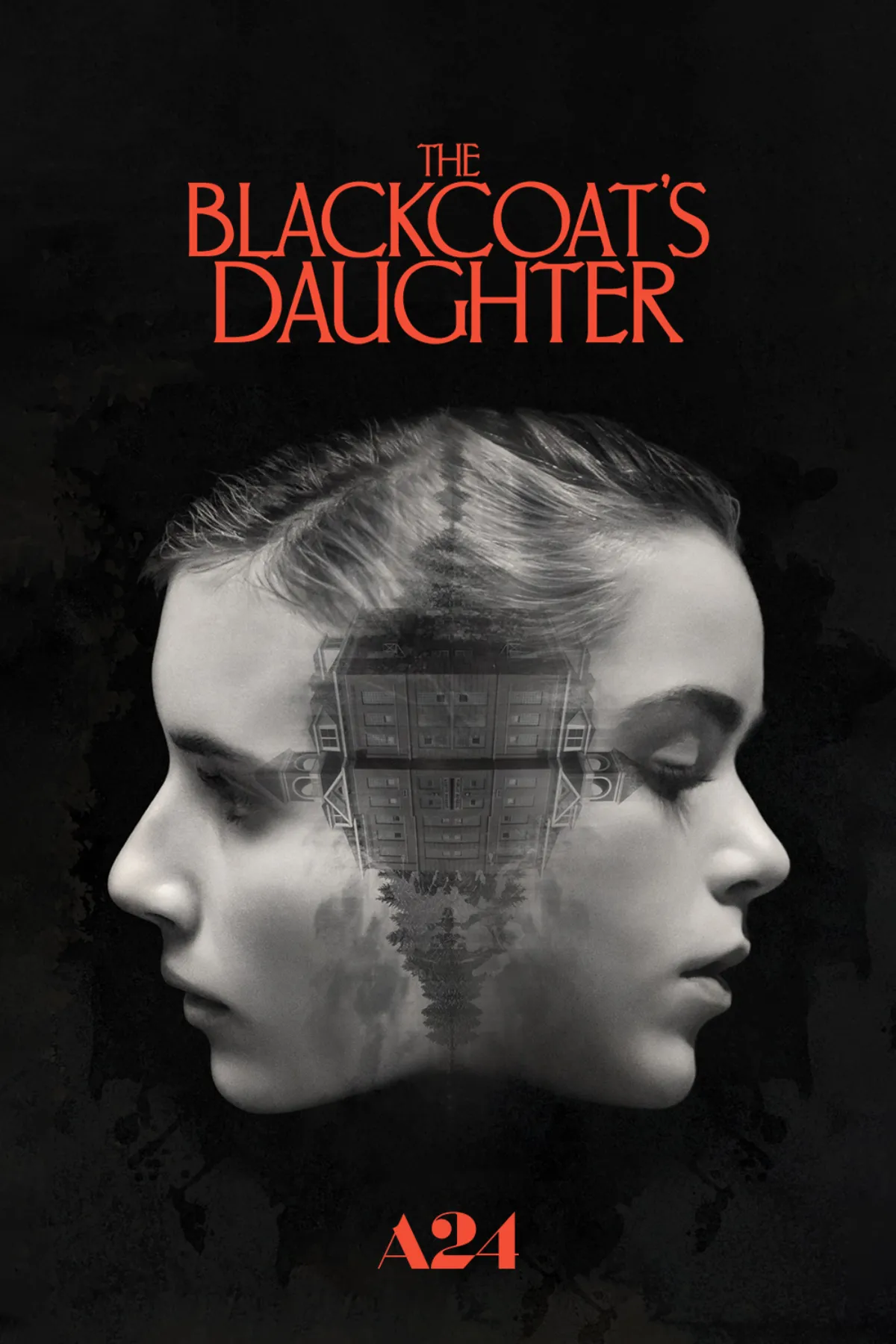
A sinister, slow-burning delight, The Blackcoat’s Daughter solidifies Oz Perkins as a director capable of true psychological horror—one who, despite some missteps in recent efforts, continues to intrigue me.
MadS
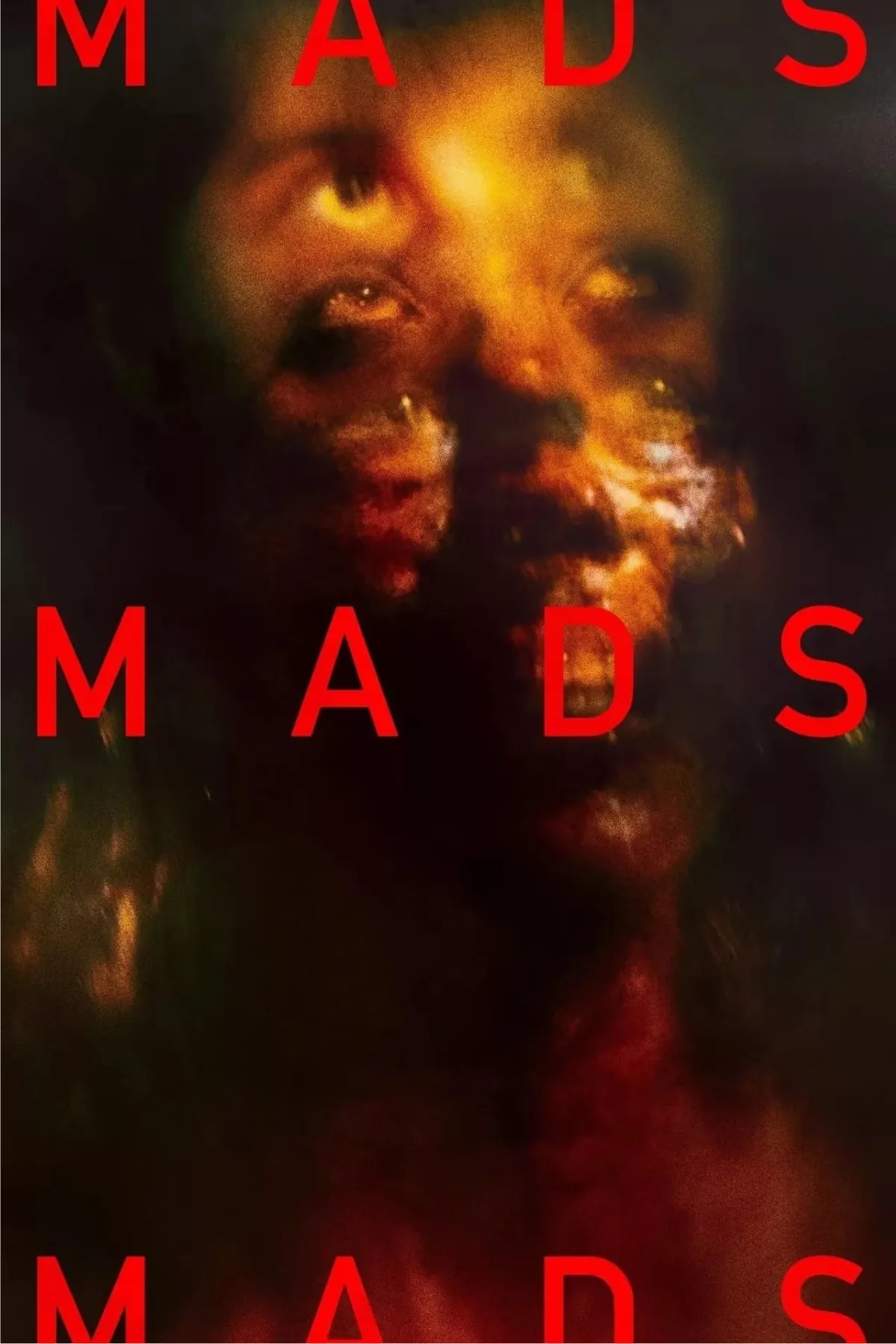
MadS reminds me of the joys of finding undiscovered independent horror movies. Although it’s gained some steam within the genre’s diehard community, MadS still feels as though it’s being underappreciated. Because for a film as muddy and down-to-Earth as this one is technically, it’s a thrill ride about as absurd as anything you’ll see in 2024.
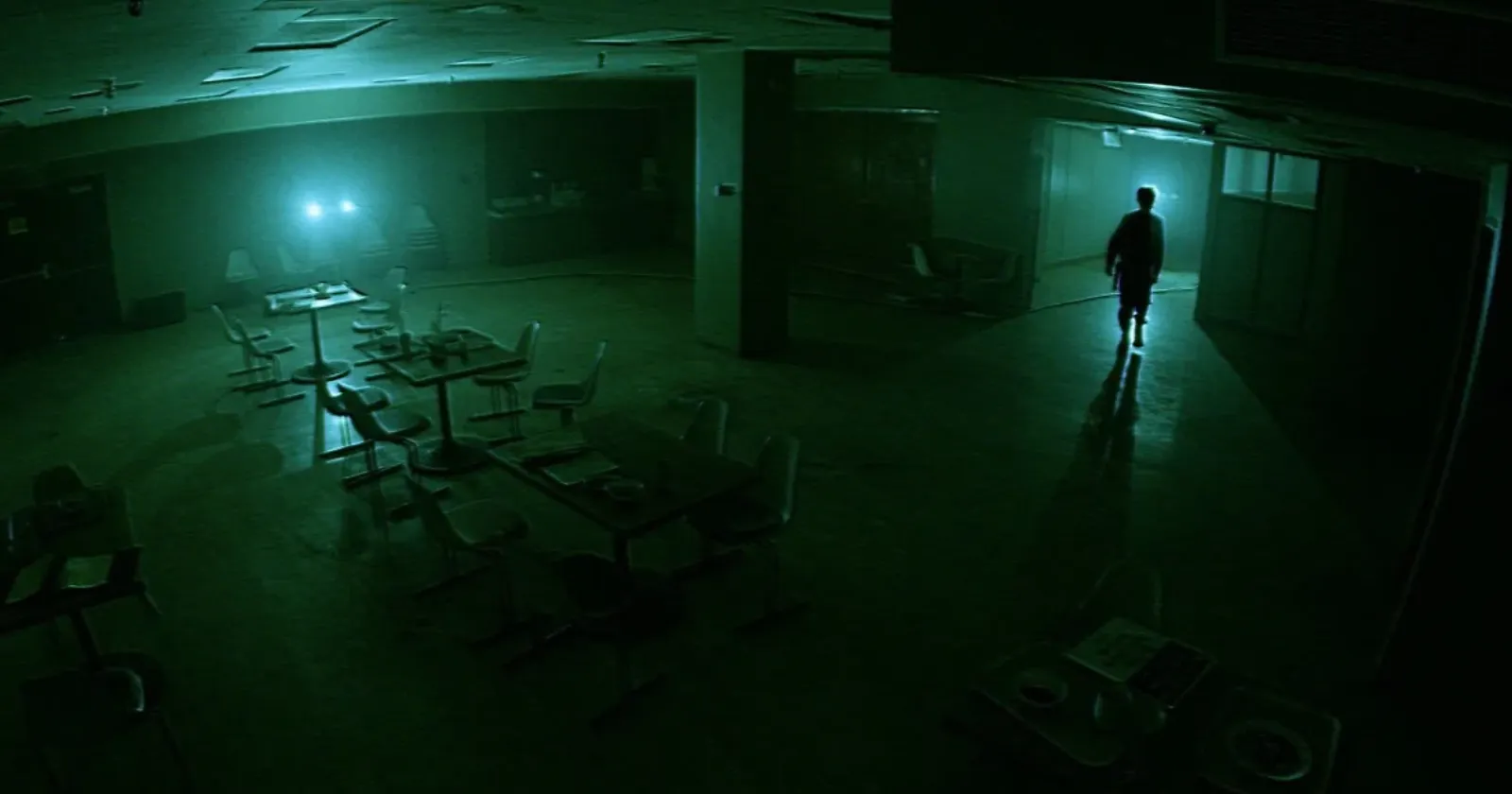
Pulse

Kiyoshi Kurosawa‘s Pulse feels as though its the little brother to Cure, his cult hit now hailed as a classic decades later. Pulse carries with it that same eerie, atmospheric energy that serves to envelop you and disturb you. There isn’t much to Pulse that is out and out terrifying as it moves at its own mundane pace and rarely relies in sonic cues to make its impact. Instead, Pulse works almost entirely because of Kurosawa’s offbeat pacing and intricate combination of editing and shot selection.
READ MORE: Onibaba (1965)