Here are Cinephile Corner’s 10 recommendations for comedy movies like Good Fortune:
Sacramento
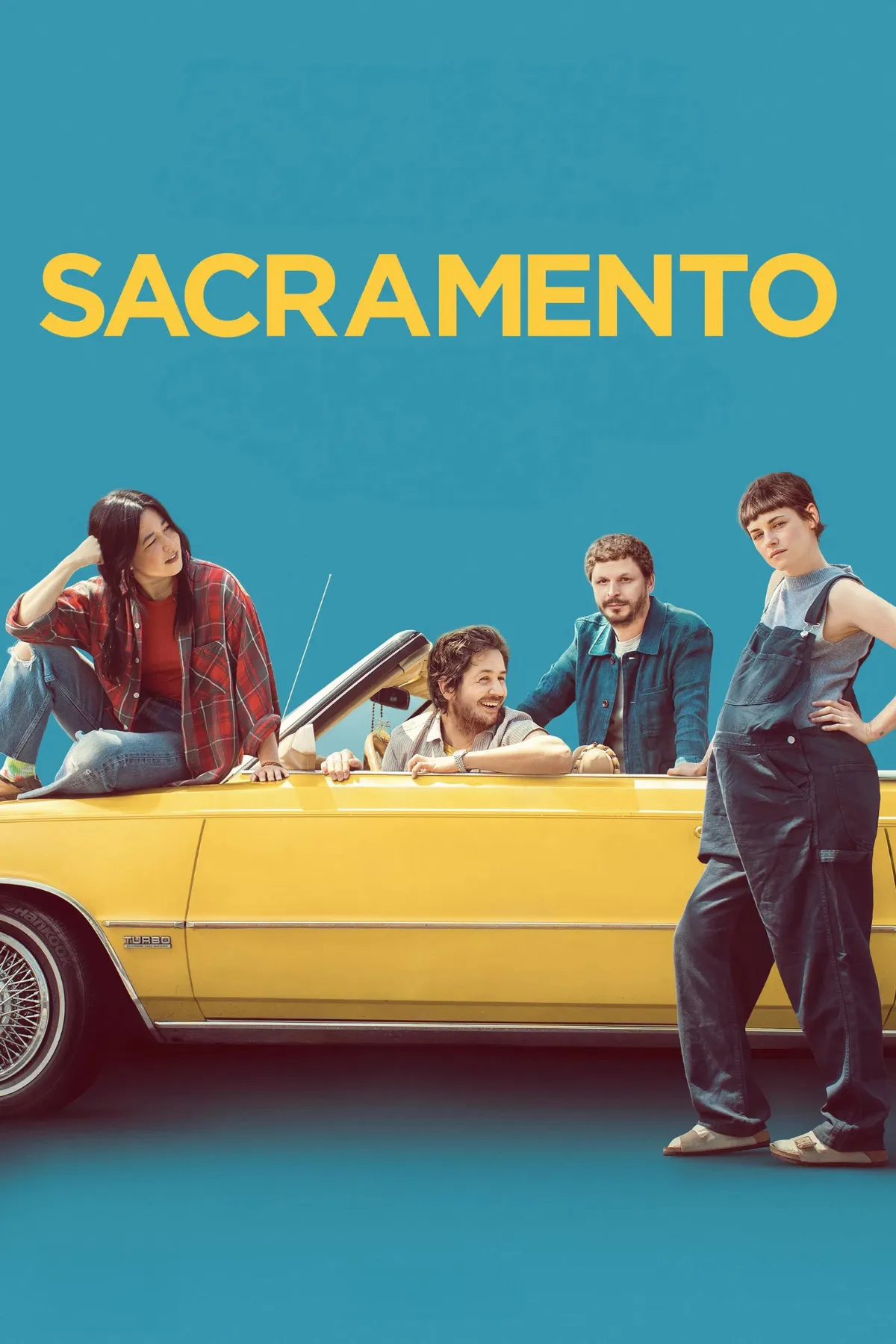
Sacramento is a good-not-great entry into the buddy road trip genre. It won’t blow you away, but if you’re a fan of its cast—Michael Cera, Michael Angarano, and Kristen Stewart included—there’s enough charm here to make it worth the ride.
Friendship
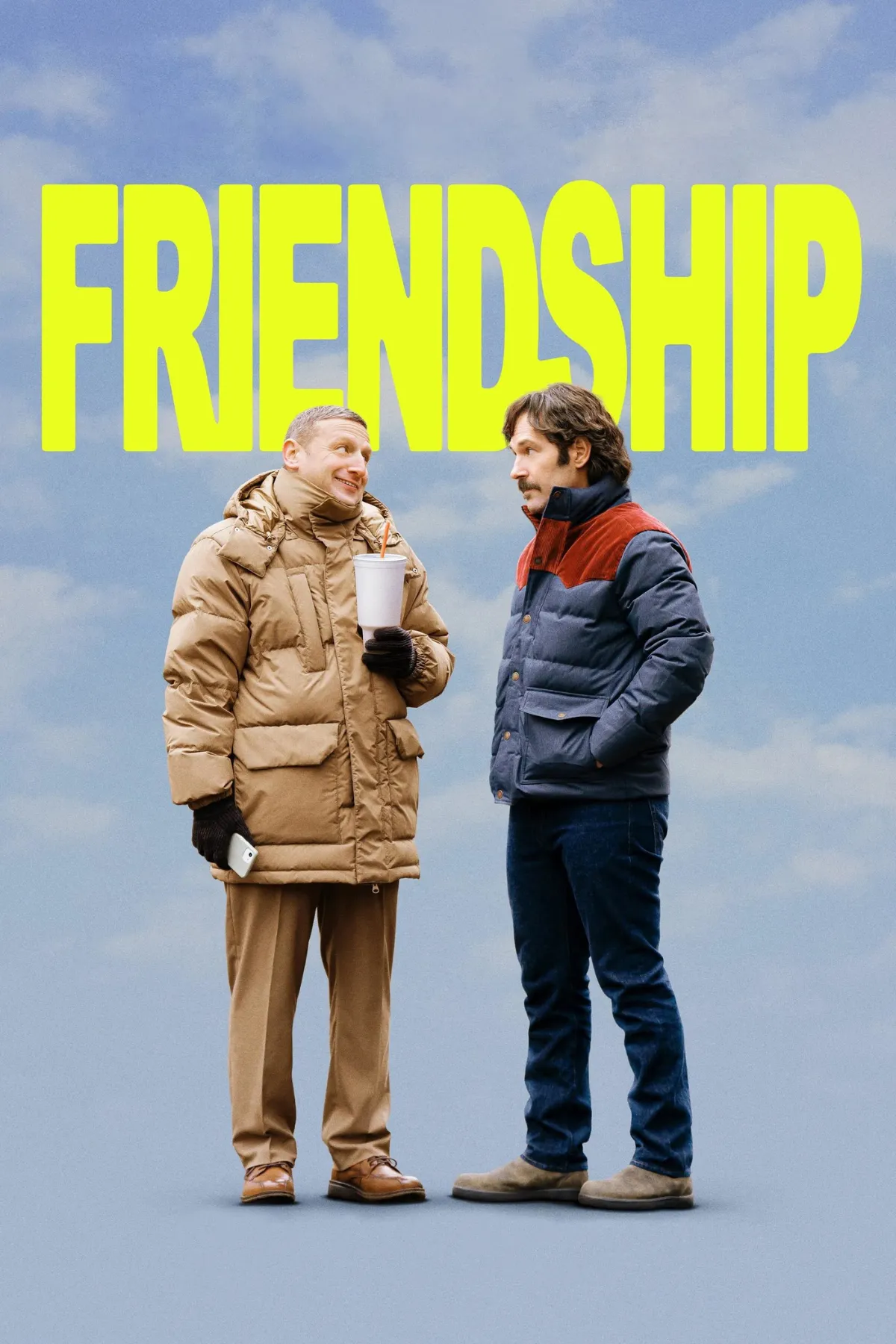
Friendship is one of the more unique comedies of 2025—a weird, squirm-inducing, unexpectedly affecting film that feels true to its title in all the worst (and best) ways. It’s another feather in A24’s cap for championing daring, off-kilter voices in comedy. If you’re in tune with Tim Robinson’s specific wavelength, it’s a must-watch.
Splitsville

Splitsville is the better of Dakota Johnson’s two 2025 relationship comedies, a looser, livelier counterpoint to Celine Song’s Materialists. Directed by and co-starring Michael Angelo Covino with frequent collaborator Kyle Marvin, it plays like a pinball machine of modern romance, funny more often than not, rarely profound, yet consistently watchable. Covino and Marvin build a brisk farce around two couples whose ideas about fidelity collide, and the result is breezy and entertaining in the moment, and a little thin after.
The Naked Gun

The Naked Gun is the kind of spoof that lives or dies on joke density, and on that metric Akiva Schaffer mostly delivers. The film fires off multiple gags a minute, often piling one topper on another until you miss a punchline because you are still laughing at the last. Schaffer has done this before with Popstar: Never Stop Never Stopping and Chip ’n Dale: Rescue Rangers, and here he teams with writers Dan Gregor and Doug Mand, with Seth MacFarlane producing. You can feel that lineage in the barrage of cutaway bits and Family Guy style throwaway one liners. In pure joke-per-minute terms, the movie works.
Hit Man

Despite my love for nearly all things Richard Linklater and Glen Powell, I just couldn’t bring myself to fall for their newest release on Netflix – Hit Man, which tries its hardest to hide its superstar lead behind a thick layer of nerdy, undesirable heft that I saw right through from beginning to end.
The Thursday Murder Club

It’s difficult to figure out what The Thursday Murder Club (2025) is actually trying to be. On paper, the setup suggests a witty, modern spin on the classic whodunit—something in the vein of Clue, Knives Out, or an Agatha Christie mystery. In execution, though, it’s a surprisingly flat and meandering adaptation that never delivers the intrigue, tension, or even the breezy fun that the genre thrives on. Instead of feeling like an event film, Chris Columbus’ direction leaves it playing more like a disposable mid-week Netflix watch than the foundation of a new mystery franchise.
About Schmidt
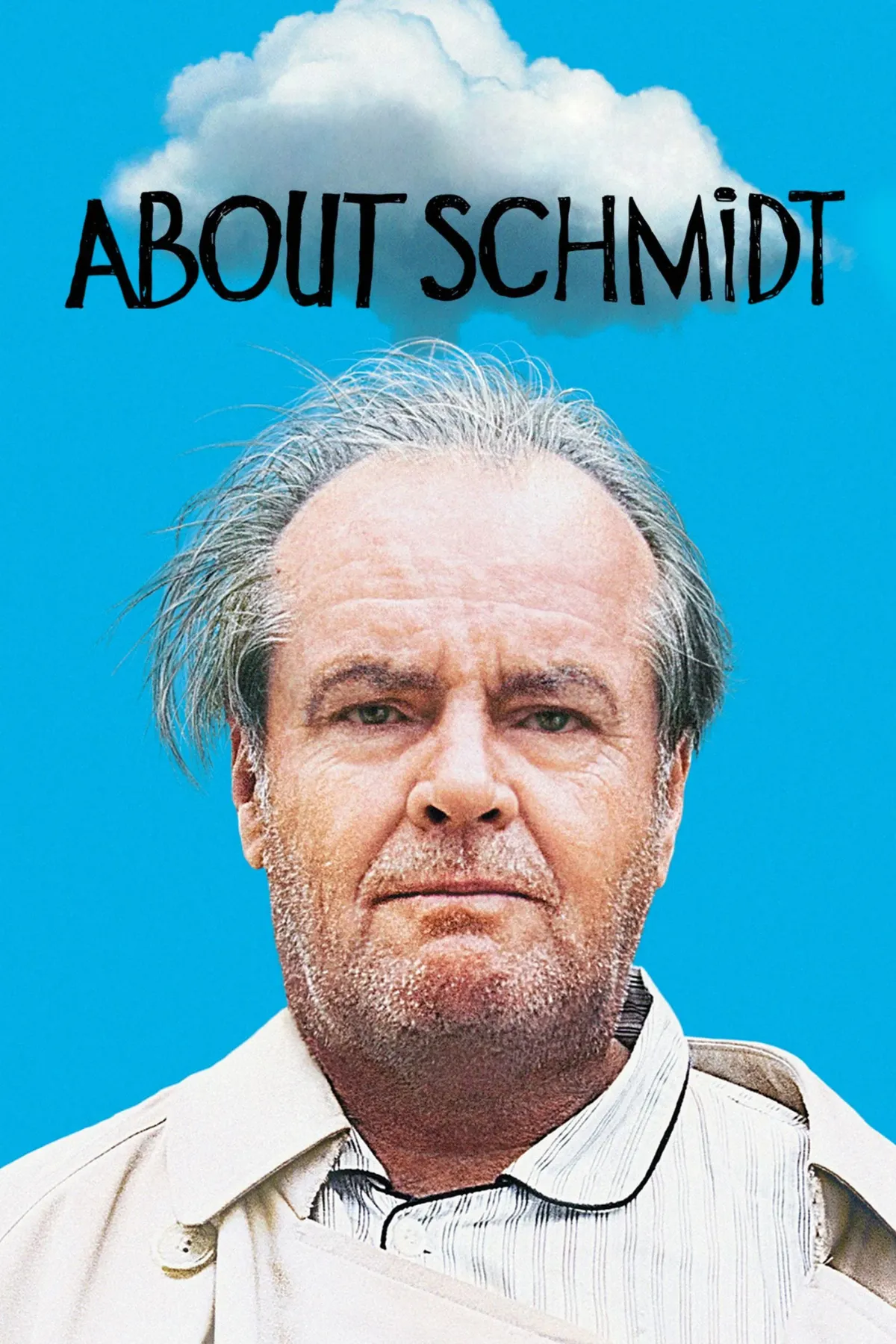
About Schmidt is a good film, one that sits comfortably in Alexander Payne’s filmography but doesn’t quite reach the heights of his later classics. For fans of Payne’s more nuanced works, it’s an important piece, but it doesn’t carry the same emotional punch or cultural impact as his more well-known projects.
The Phoenician Scheme
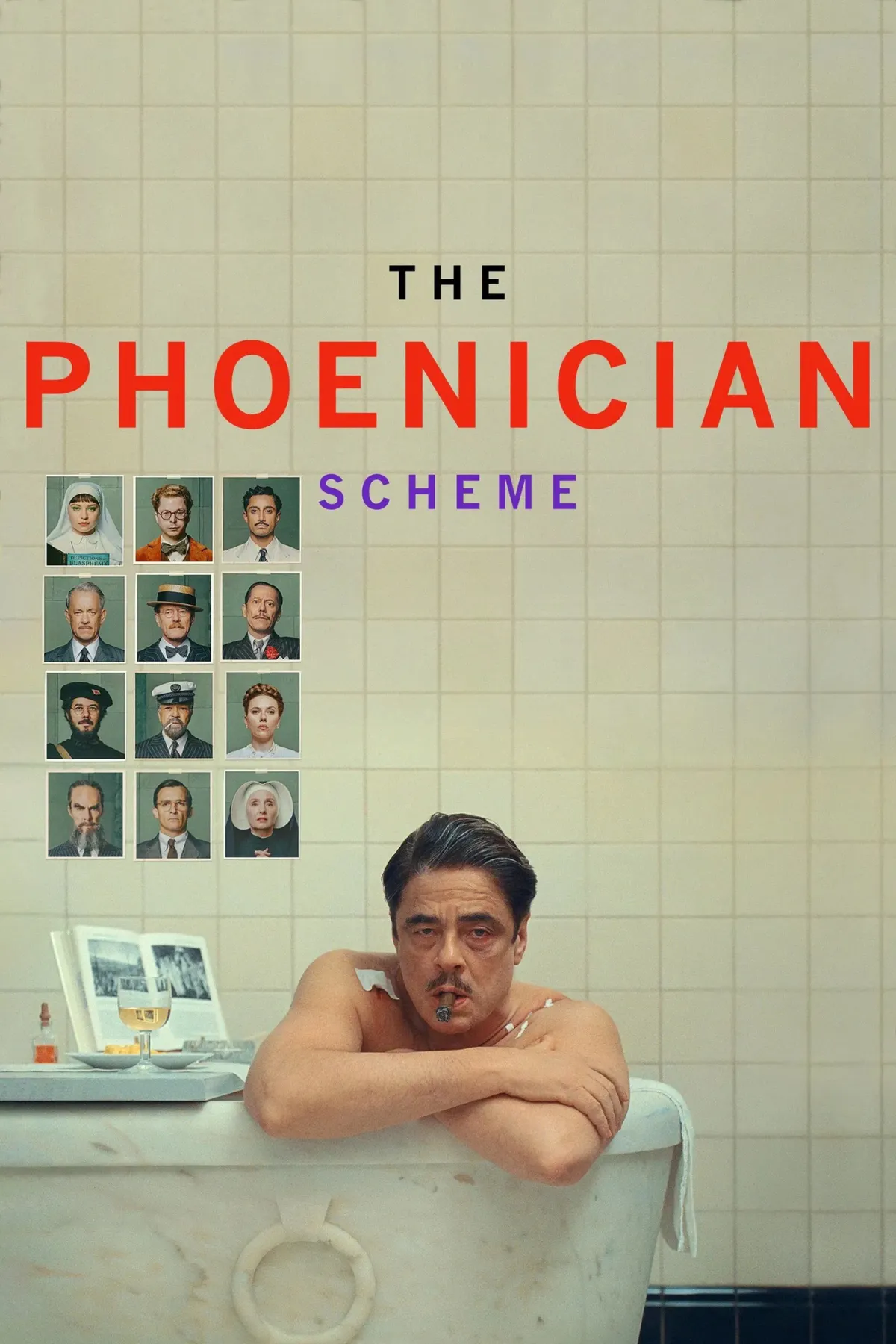
The Phoenician Scheme finds Wes Anderson at perhaps his most emotionally direct since The Grand Budapest Hotel, yet without sacrificing the signature aesthetic and structural quirks that define his work. Where recent efforts like Asteroid City and The French Dispatch relied heavily on narrative framing devices, nested storytelling, and dense, text-heavy scripts, The Phoenician Scheme plays more like an emotional adventure story—a film that hits hardest on first viewing, even as it leaves behind layers to explore on rewatches.
Ticket to Paradise

When Ticket to Paradise is clicking, it is a lot of fun and absolutely worth the price of admission. When it isn’t, the movie is still charming and charismatic enough to appreciate and sink into, all thanks to leading performances from Julia Roberts and George Clooney.
It’s What’s Inside
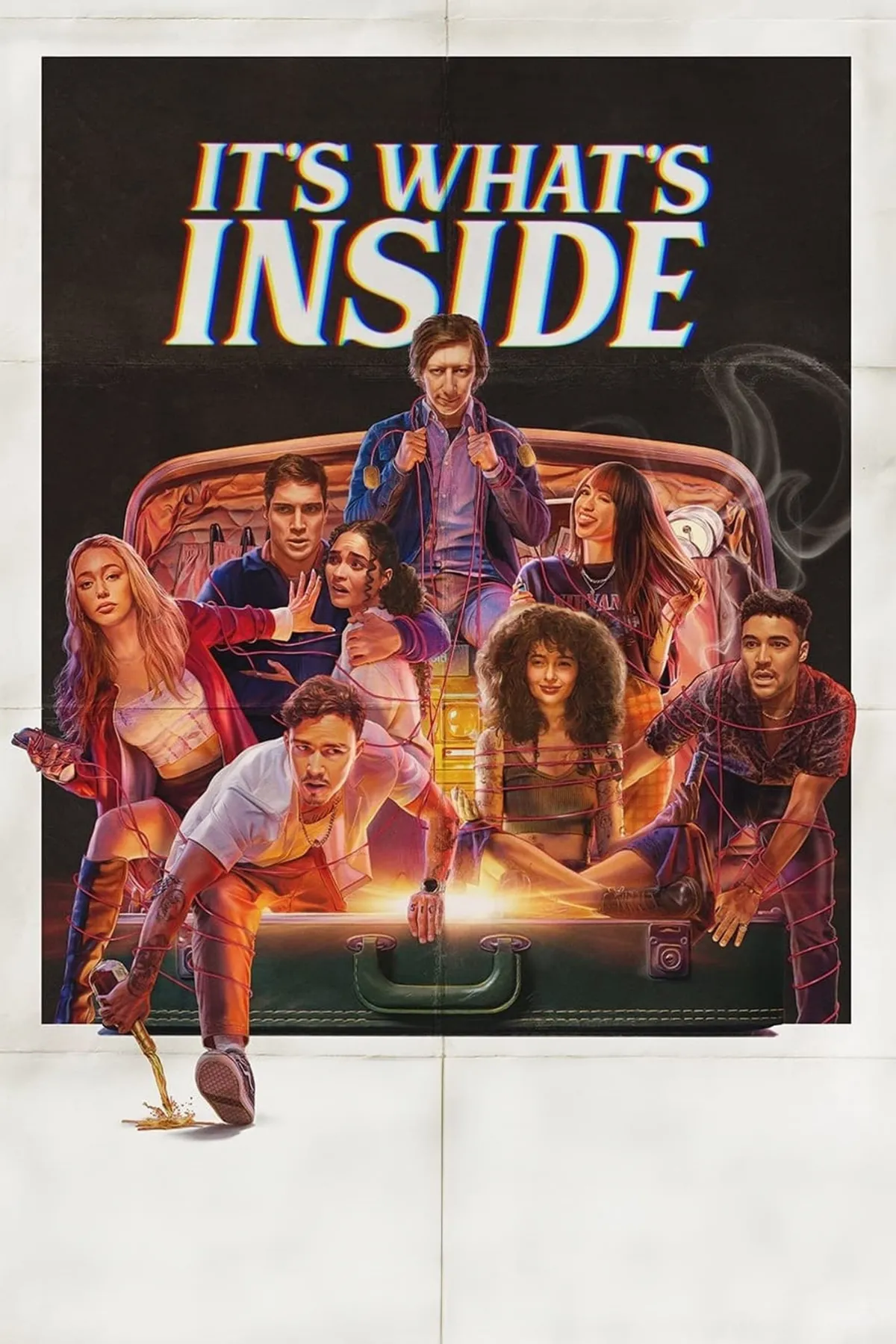
To its credit, It’s What’s Inside makes a few choices to make itself memorable. The premise is inarguably fascinating, and the consequences of the central plot engine are enticing at times. But It’s What’s Inside becomes frustratingly convoluted, compounded by a set of characters that I simply could not care less about.
READ MORE: Good Fortune (2025), Movies Like Outcome, Movies Like Friendship