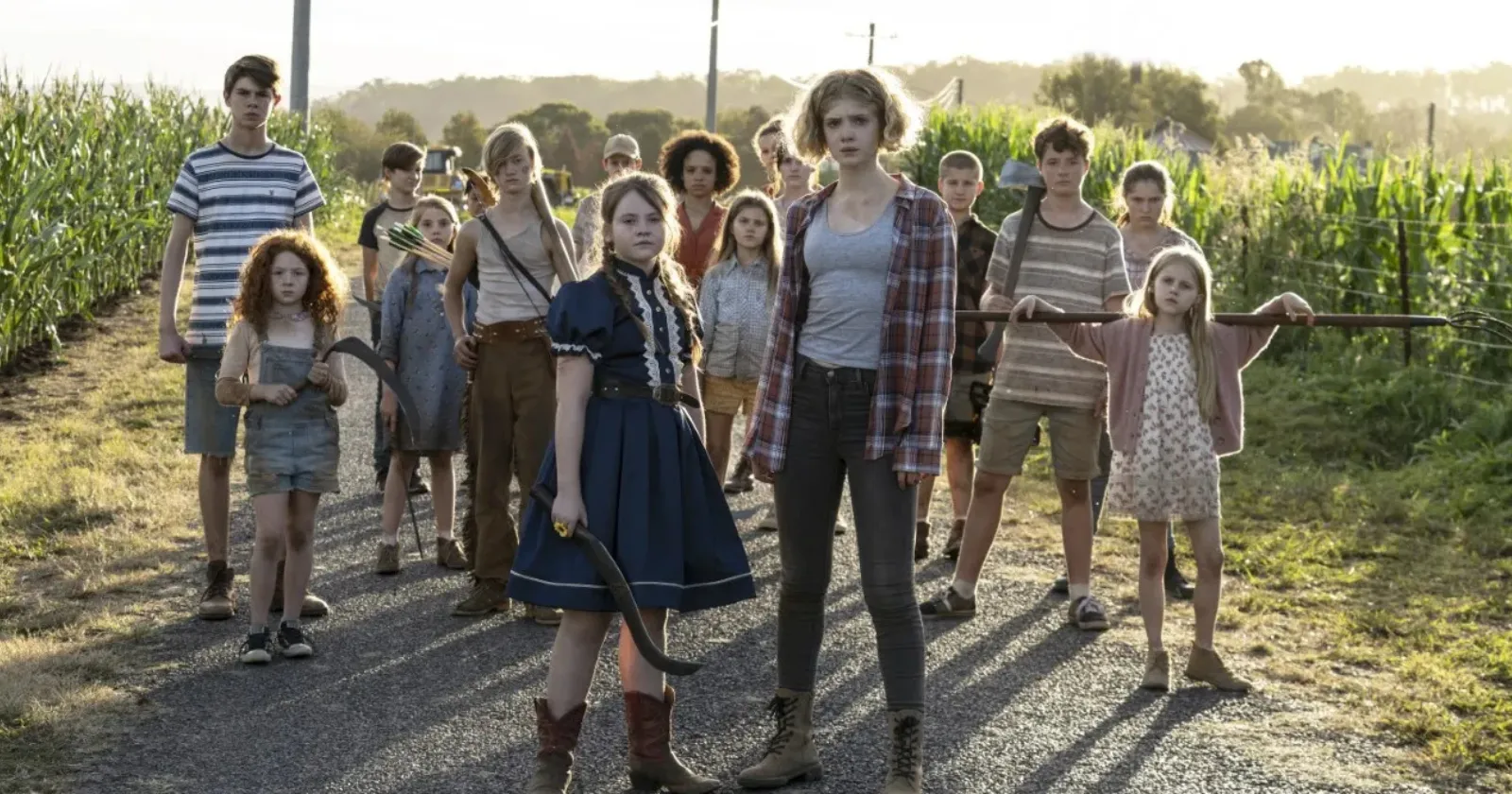
Here are Cinephile Corner’s 10 recommendations for horror movies like Children of the Corn:
Evil Dead Rise
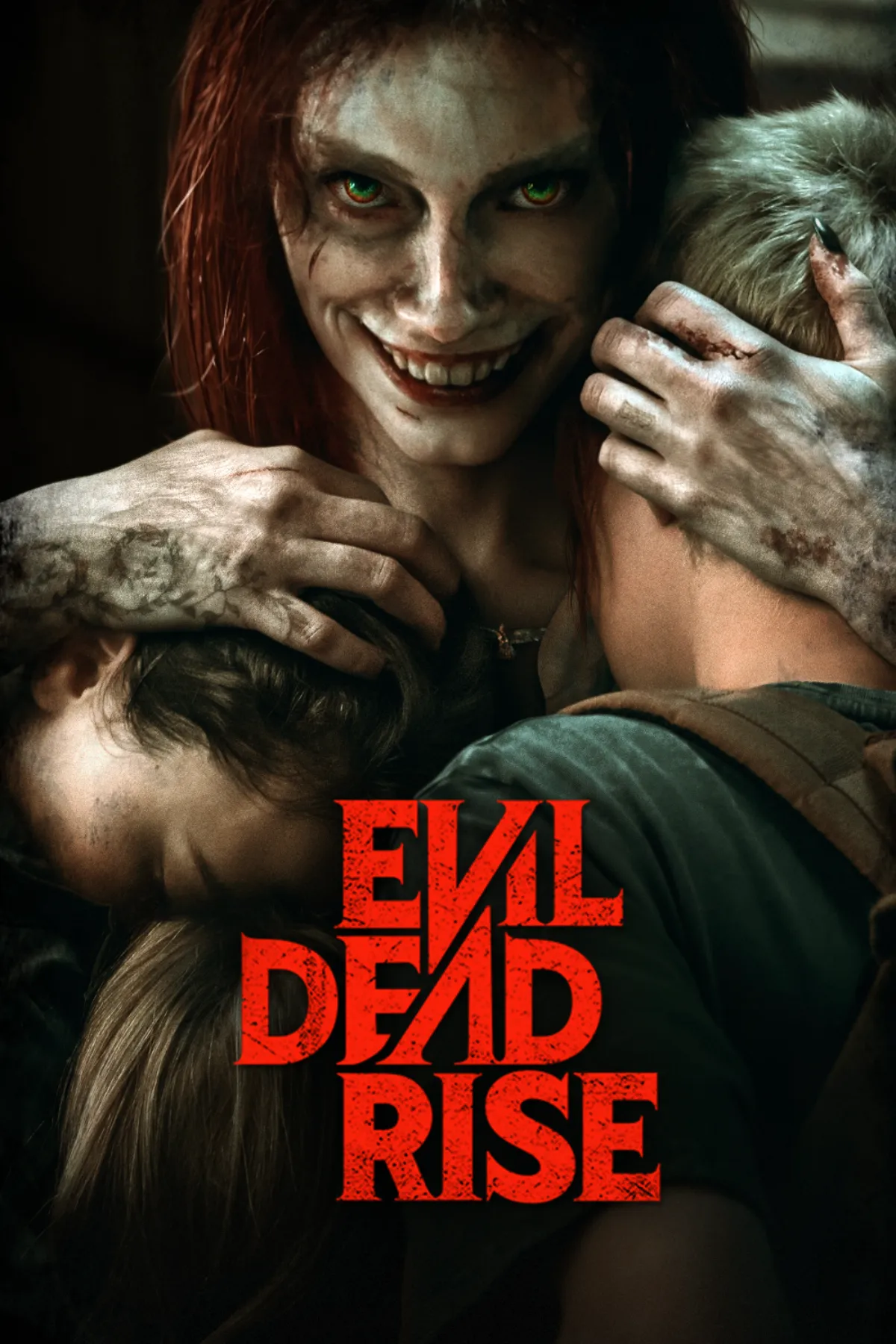
There aren’t many horror franchises able to reinvent themselves as often as Evil Dead does while still maintaining relevancy and quality. Maybe it’s because Sam Raimi holds his creation so close to his heart that only a select few are able to take on the premise, or maybe it’s because the premise seems simple and malleable enough to make nearly anything work. It can shoot for the downright zany and ludicrous with Evil Dead II or Army of Darkness, or it can strive to be like Lee Cronin’s newest spin Evil Dead Rise – a movie so sick and twisted that you can’t help but give it its dues by the time the credits roll.
Smile
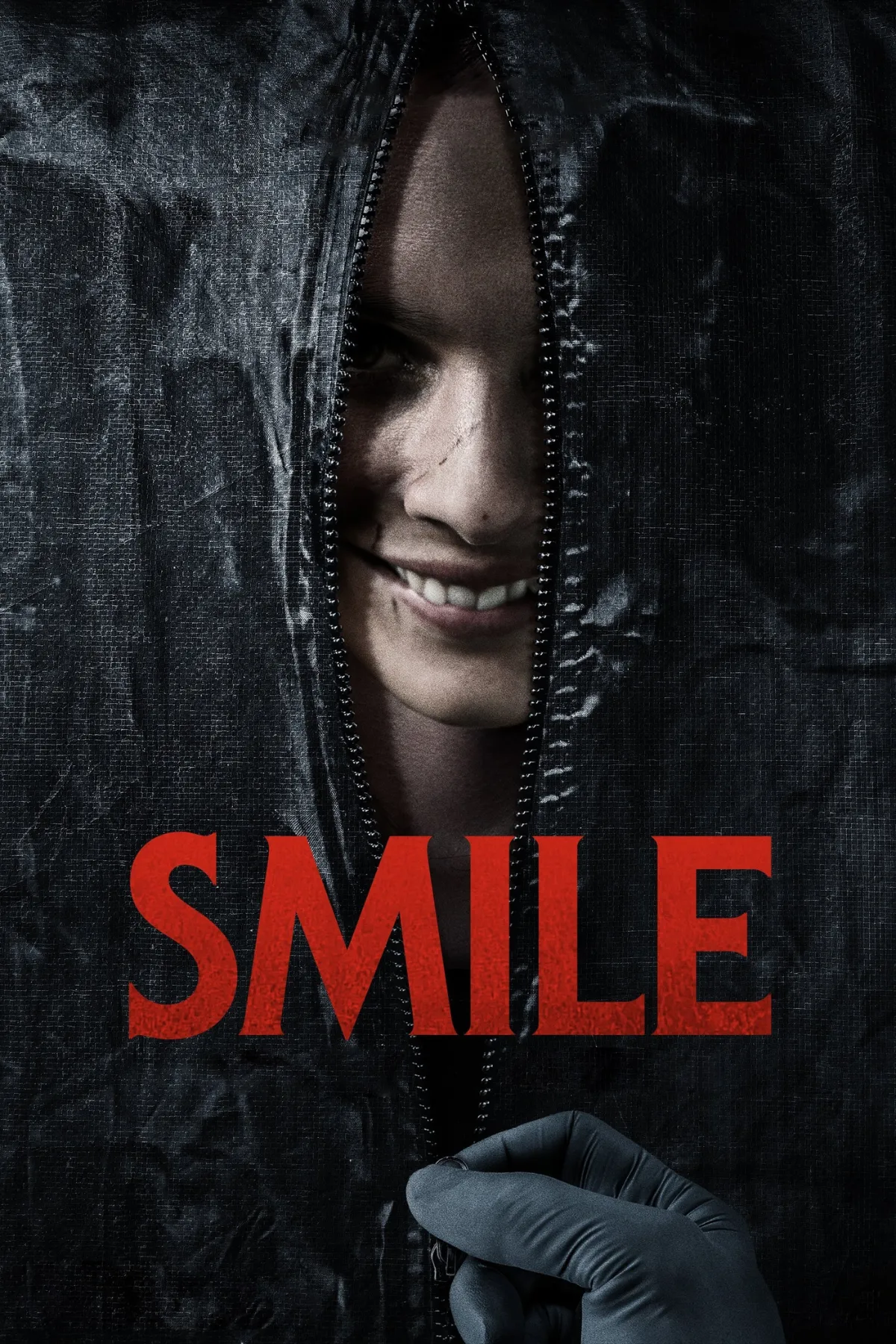
While Smile delivers on a couple creative and freaky scares, it ultimately falls apart with a prototypical first hour and a generally confusing second one. Sosie Bacon stars as a traumatized doctor looking for answers to her visions.
Doctor Sleep
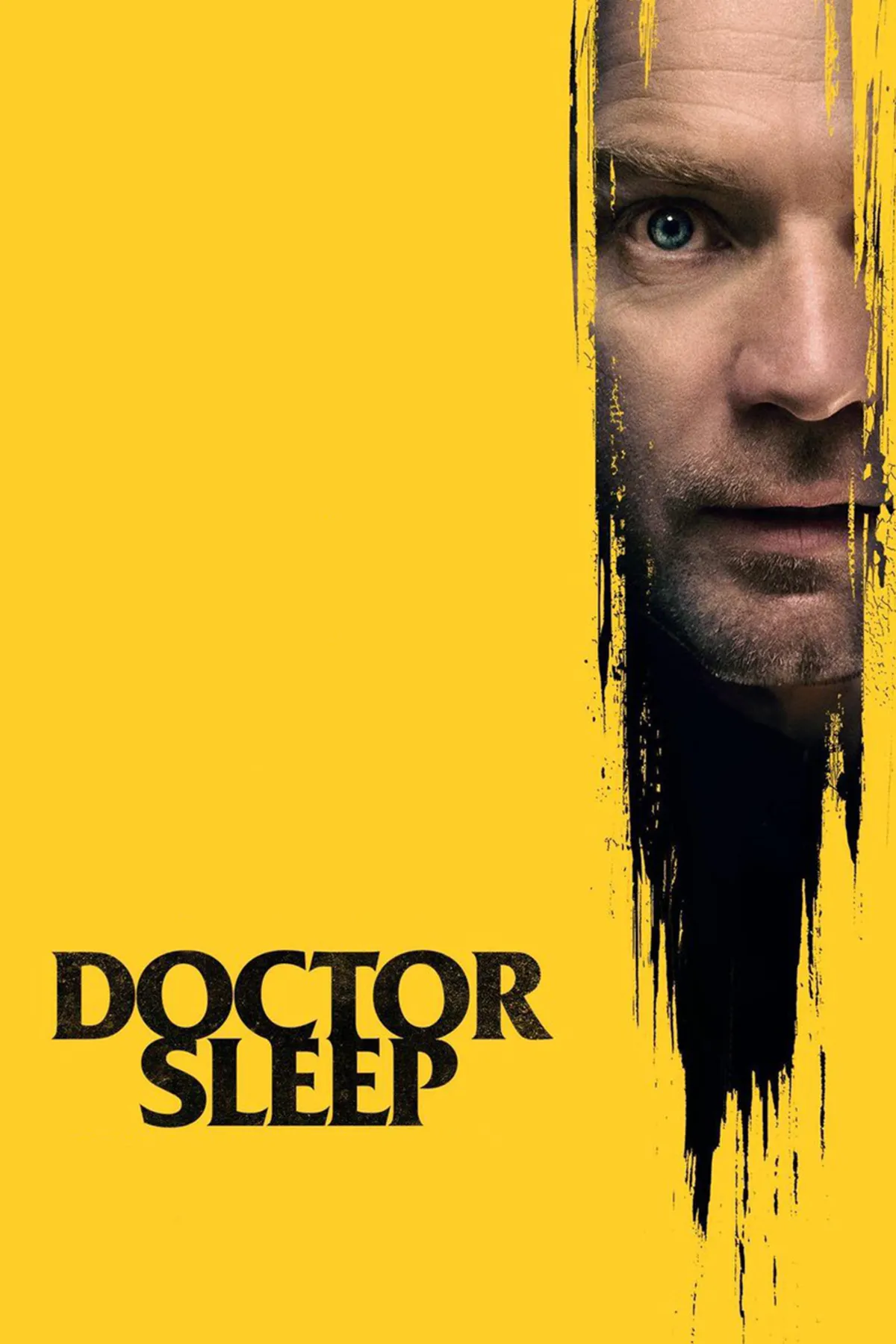
There is supposedly a better director’s cut of Doctor Sleep out there that fills in the gaps of a few character traits, motivations, and decisions. Honestly, I’m not sure I care. This is about as rigorous and uninteresting as any horror franchise rebooted in recent memory. It’s a glossy, airless, and ultimately unnecessary return to a world that was perfect as is.
Weapons

Weapons opens with one of the most chilling hooks you’ll hear in any movie this year: at exactly 2:17 a.m., every child from Mrs. Gandy’s class woke up, walked downstairs, opened the front door, stepped into the dark… and never came back. It’s the kind of premise that immediately grabs you, the kind of logline that sells itself in a trailer and sticks in your head for days. Writer-director Zach Cregger, who burst onto the horror scene with 2022’s Barbarian, proves once again that he knows how to start a story with an irresistible, terrifying question.
Five Nights at Freddy’s
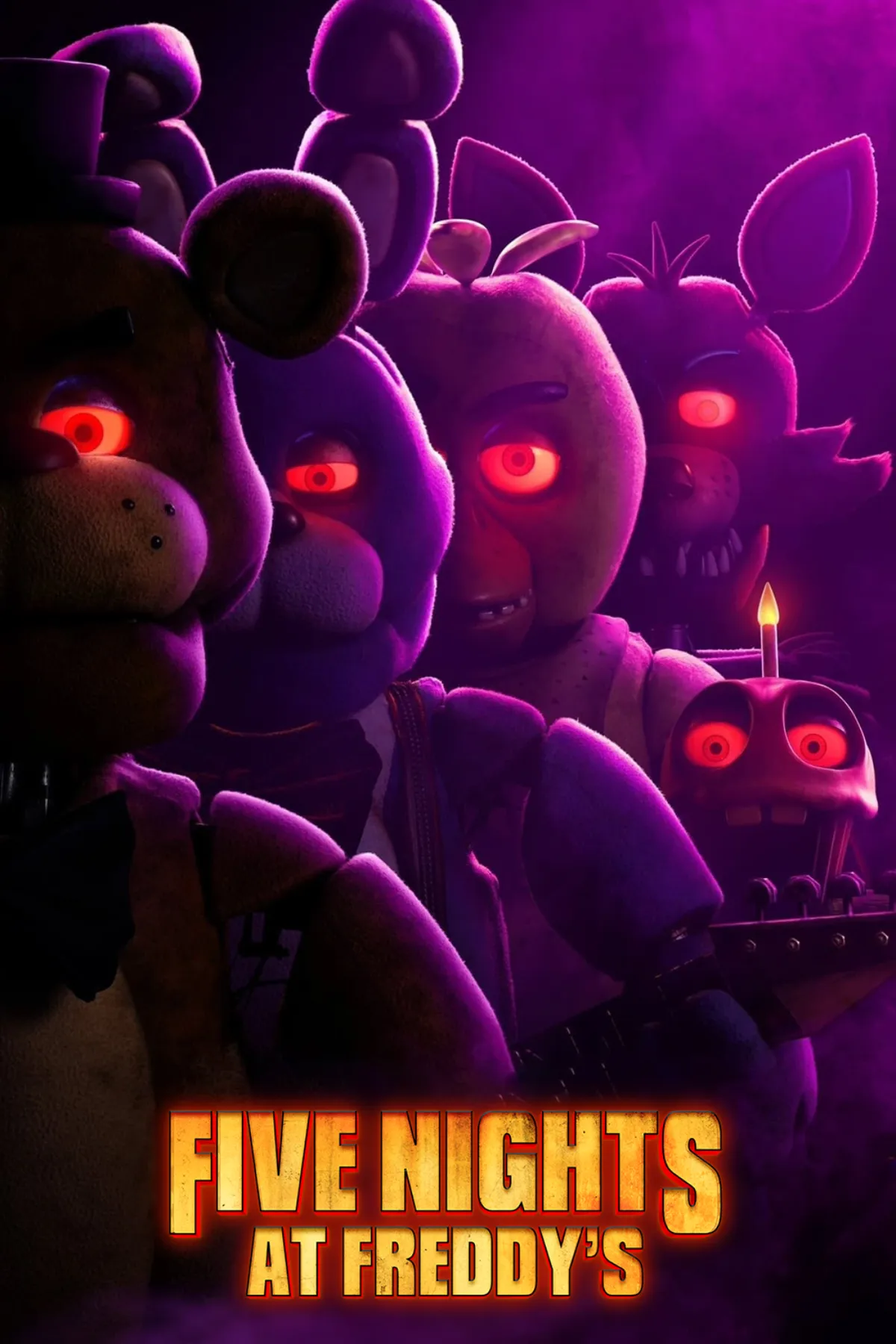
The Five Nights at Freddy’s movie adaptation succumbs to the pitfalls of a poorly executed narrative, sidelining its potentially terrifying animatronic characters in favor of a tepid and uninspiring trauma story. Josh Hutcherson gives a commendable performance, but there’s not enough support around him to make this movie work.
Cobweb
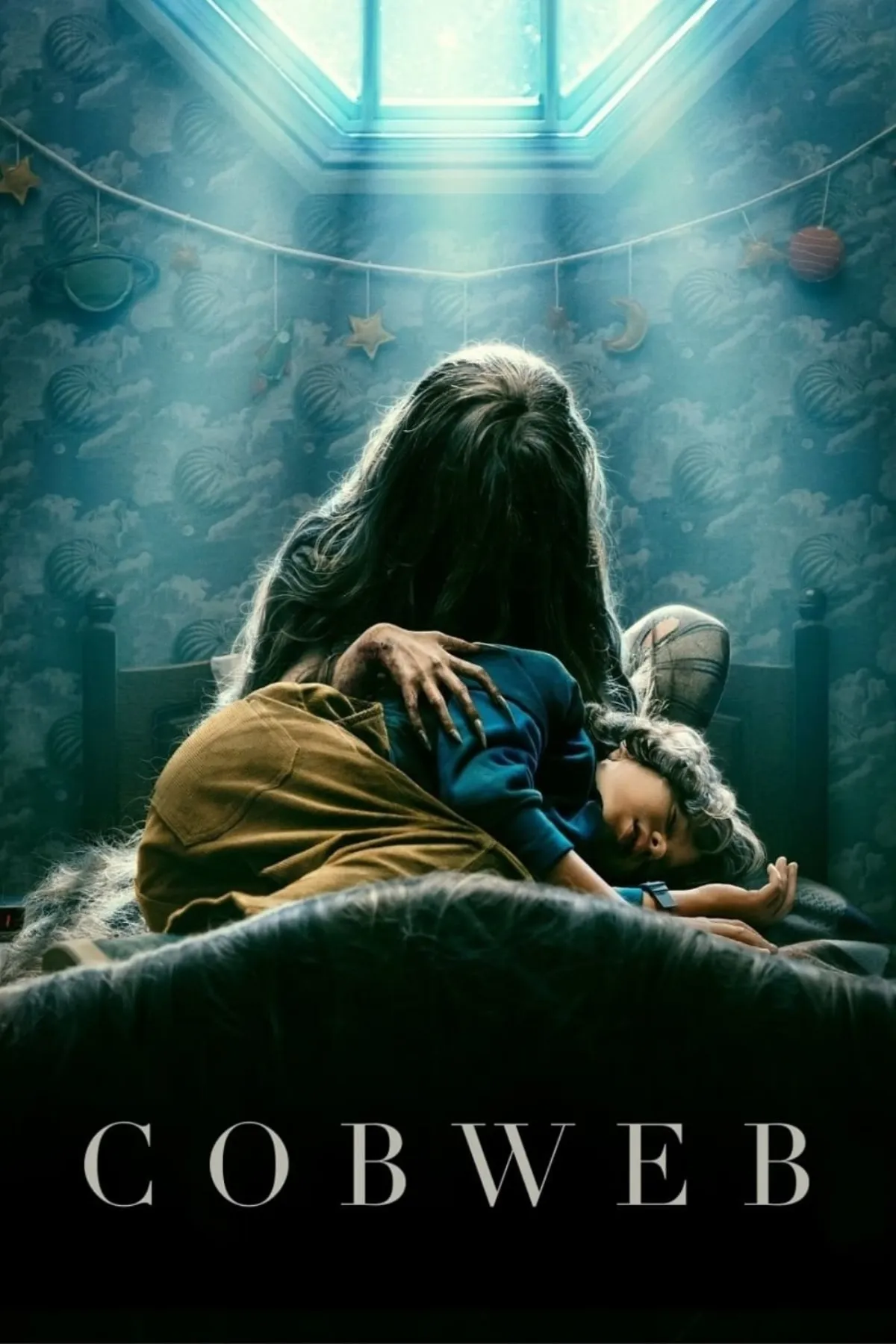
Cobweb might be accused of adhering to some familiar horror tropes, but its commitment to its genre roots is what makes it stand out. The movie surpasses expectations with its tight narrative, commendable performances, and a commitment to delivering unadulterated horror.
Insidious: The Red Door
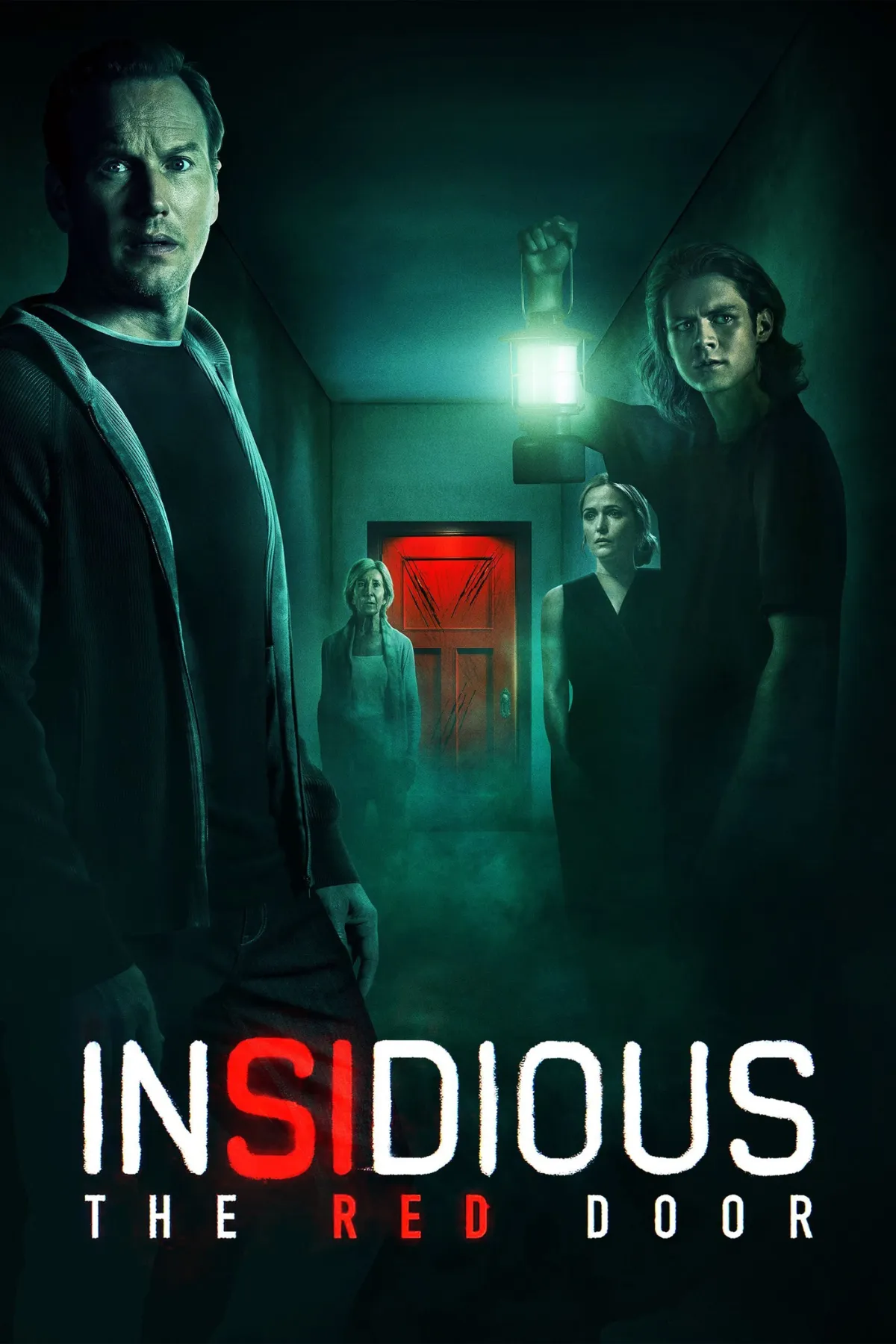
Patrick Wilson is insistent that the Insidious franchise goes out with a bang. At least that’s the feeling you get as you watch The Red Door, the fifth entry into the bloated franchise that’s keeping the leading horror actor buried somewhere deep within the James Wan cinematic universe. This time not only is Wilson playing the front man Josh Lambert, but he’s also directing. His first directorial outing, and one I hoped would feel more impactful for the genre.
Hell of a Summer

On the surface, Hell of a Summer doesn’t have many glaring flaws. It’s an obvious love letter to classic slasher films like Friday the 13th, Scream, and Sleepaway Camp. Billy Bryk and Finn Wolfhard make their directorial debut here, and while their enthusiasm for the genre is clear, the film struggles to carve out its own identity. Instead of reinventing familiar tropes, it largely retraces well-worn ground, and that familiarity ultimately works against it.
Final Destination Bloodlines

Final Destination Bloodlines is the rare horror legacy sequel that understands exactly what it is—and more importantly, what its fans want. Directed by Zach Lipovsky and Adam B. Stein, this blood-soaked revival of the Final Destination franchise doesn’t reinvent the wheel, but it absolutely fine-tunes it, delivering gory set pieces, a slickly paced plot, and just enough lore expansion to make it feel like more than a rehash. It’s self-aware without being snarky, brutal without being mean-spirited, and surprisingly clever in how it weaves its mythology into something new.
Opus

Opus builds its tension gradually, but it never fully commits to the weirdness that would make its well-worn premise pop. While the setup is compelling—one part industry satire, one part psychological horror—the movie hedges its bets on the bizarre, keeping the truly disturbing revelations bottled up until the final act. Despite its name, Opus never quite becomes the grand statement it wants to be.