Here are Cinephile Corner’s 10 recommendations for movies like Blood Simple:
Nightmare Alley
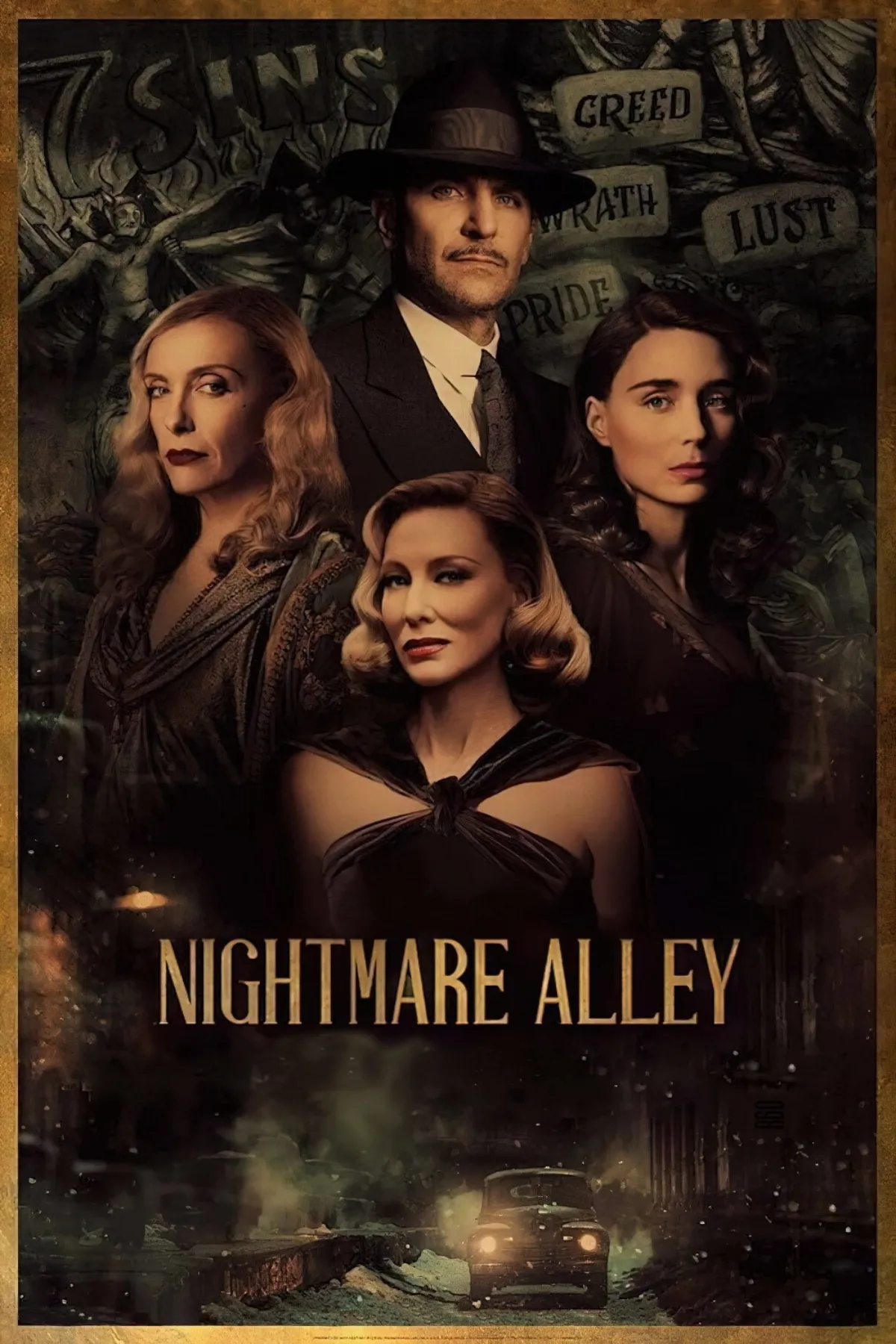
Guillermo del Toro has built a career on finding beauty in darkness, crafting stories that, even in their bleakest moments, hold onto some sense of wonder, nostalgia, or hope. Movies like Pan’s Labyrinth, The Shape of Water, and his stop-motion Pinocchio remake all explore the perseverance of the human spirit, even in the face of terrible atrocities. That’s what makes Nightmare Alley such a striking outlier in his filmography—it’s a film almost entirely devoid of hope, a cynical neo-noir that suggests people are, at their core, selfish and opportunistic. Instead of offering redemption, Nightmare Alley leaves you with a sick feeling in your stomach, hammering home its central thesis: trust is a liability, and grifters will always find a way to exploit it.
Se7en

30 years after the movie’s release, Se7en stands the test of time by being David Fincher’s first significant breakthrough hit. A murder mystery, the film leans on great performances and rainy imagery.
Love Lies Bleeding

There’s really nothing like Love Lies Bleeding. I don’t necessarily subscribe to the blanket notion that they don’t make movies like they used to anymore – but I will say, Hollywood hasn’t consistently made films as erotic and thrilling like this since the 1980s and 90s. Rose Glass directs the dynamic duo of Katy O’Brian and Kristen Stewart.
No Country for Old Men
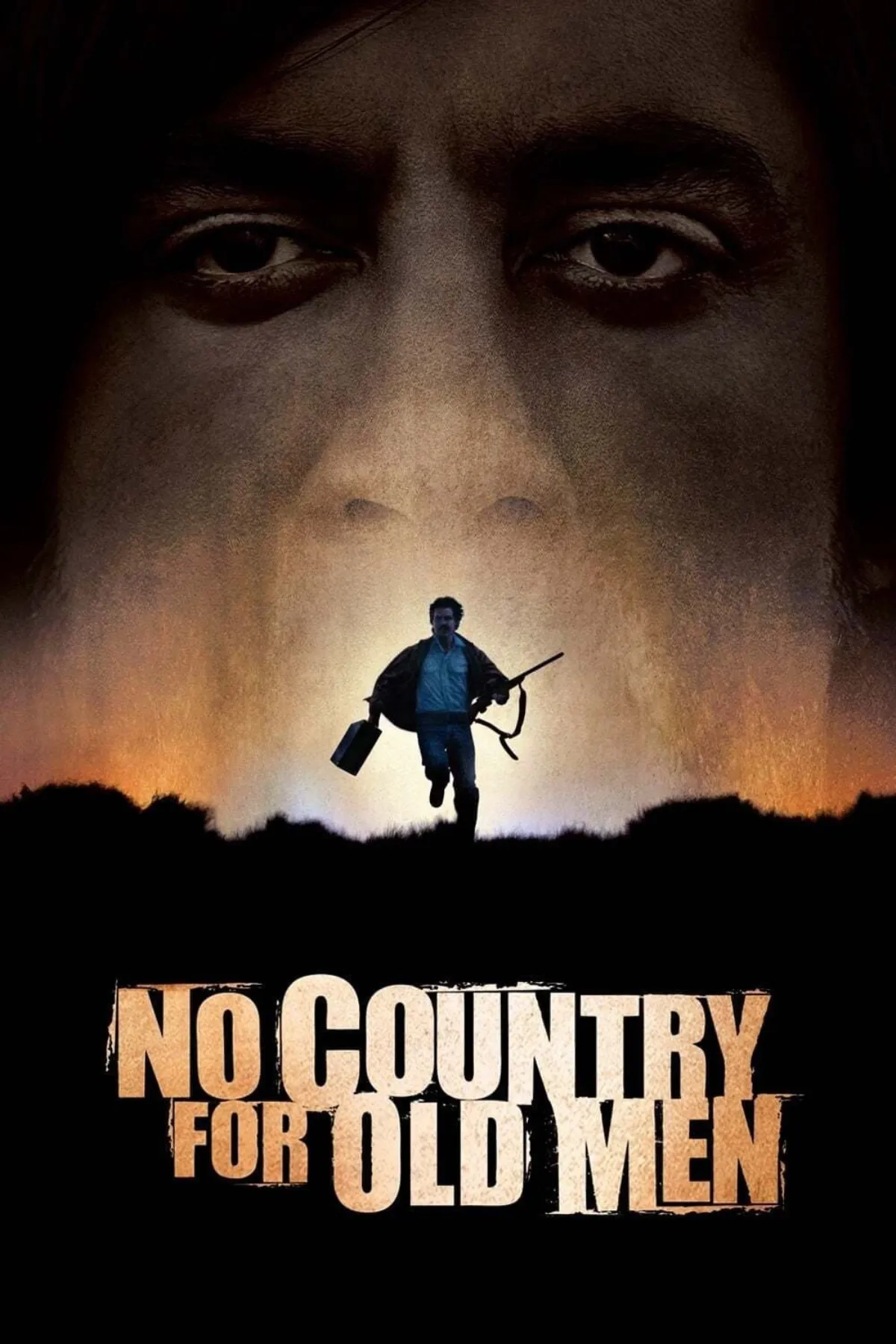
Revisiting No Country for Old Men on its 4K Criterion Collection release reminded me why this film stands among the greats—not just of 2007, not just of the 21st century, but of all time. It’s Joel and Ethan Coen at their most precise and uncompromising, blending their dualistic approach to filmmaking: the sharp nihilism of their darker works with the understated, situational humor that defines their lighter outings. It’s a masterpiece of tension, craft, and existential dread, all wrapped in a narrative as sparse and unrelenting as the Texas landscape it inhabits.
Strange Darling

Strange Darling wears its influences on its sleeve. Director JT Mollner isn’t ashamed to let his inspirations be known as his latest thriller delivers twists and turns around every corner, and is told in a nonlinear fashion that makes it really hard not to think of a few classics. The likes of James Wan and Quentin Tarantino come to mind for these reasons, but Mollner’s Strange Darling doesn’t feel nearly as fresh as Saw or Pulp Fiction felt decades ago.
Decision to Leave

Park Chan-wook deserves all the credit he’s getting for Decision to Leave – a film the relies heavily on a master filmmaker working at his best. Although it isn’t as violent or abrasive as his past gems, Decision to Leave still finds its pocket in a filmography full of clever material.
Raising Arizona

Following up the moody, low-budget neo-noir Blood Simple with the manic energy of Raising Arizona feels like one of the most jarring—but fascinating—turnarounds in any director’s early career. Joel and Ethan Coen showed with their debut that they could do calculated suspense and procedural dread. With Raising Arizona, released in 1987, they proved they could also do madcap absurdity with just as much confidence. It’s a wildly different film in tone and structure, but it showcases the Coens’ command of style and their range as filmmakers.
The Game
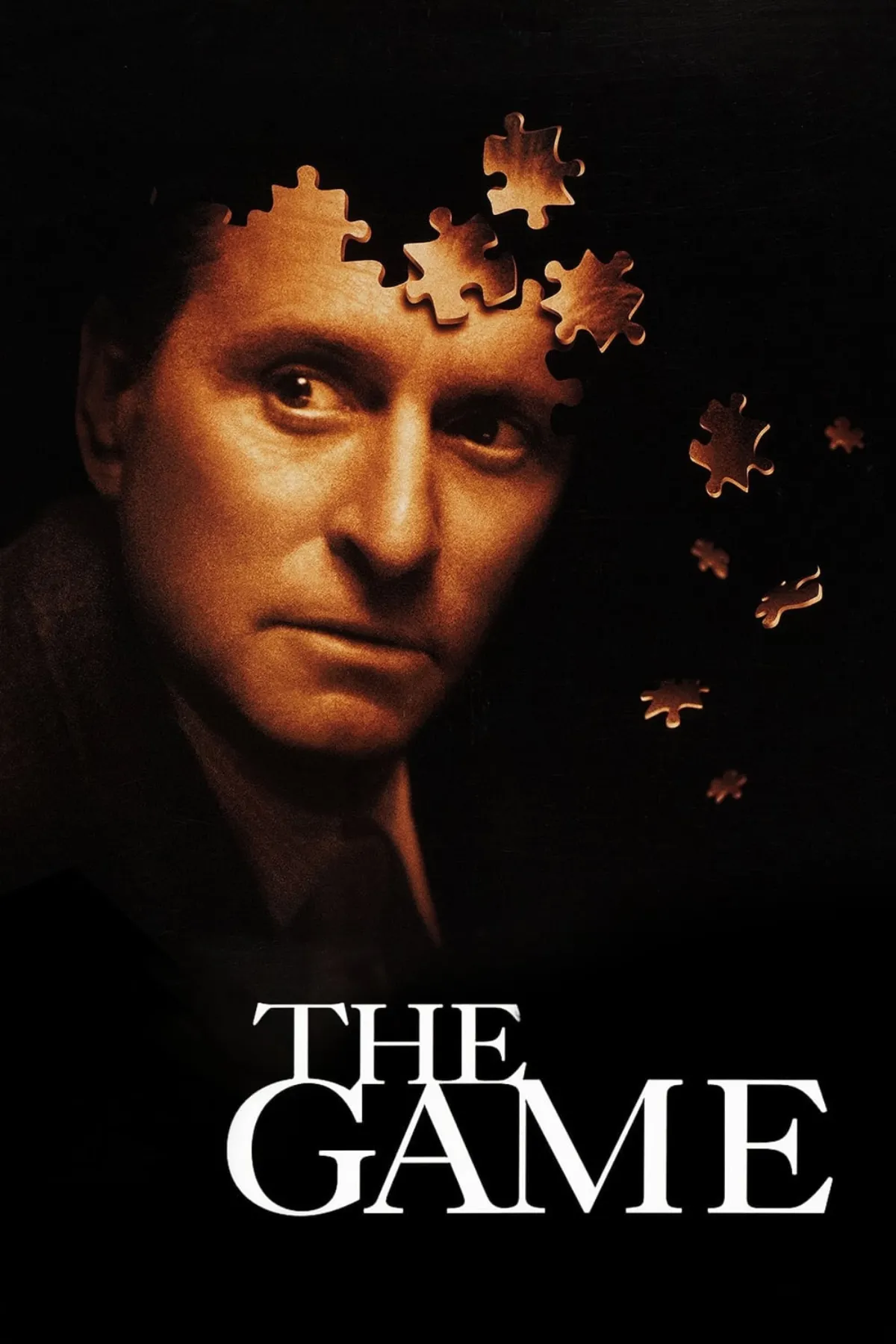
Fresh off the success of Se7en, David Fincher used the opportunity to make a move that is deeply idiosyncratic and cynical, matching his personal interests with a story that breaks down the infrastructure of masculinity in a world of wealthy businessmen. The Game is not only a David Fincher movie, it feels like the most David Fincher movie, and amalgamation of common themes regurgitated with each film that follows.
Miller’s Crossing

In the Coens’ filmography filled with bold tonal shifts and genre experiments, Miller’s Crossing sits as a reserved yet razor-sharp piece of storytelling. It may not wear its eccentricities on its sleeve like Barton Fink or O Brother, Where Art Thou?, but it reflects the Coens’ precision and intelligence with remarkable clarity. For most filmmakers, this would be a career-best. For the Coens, it’s just another strong chapter in a catalog that rarely misses.
Lost Highway
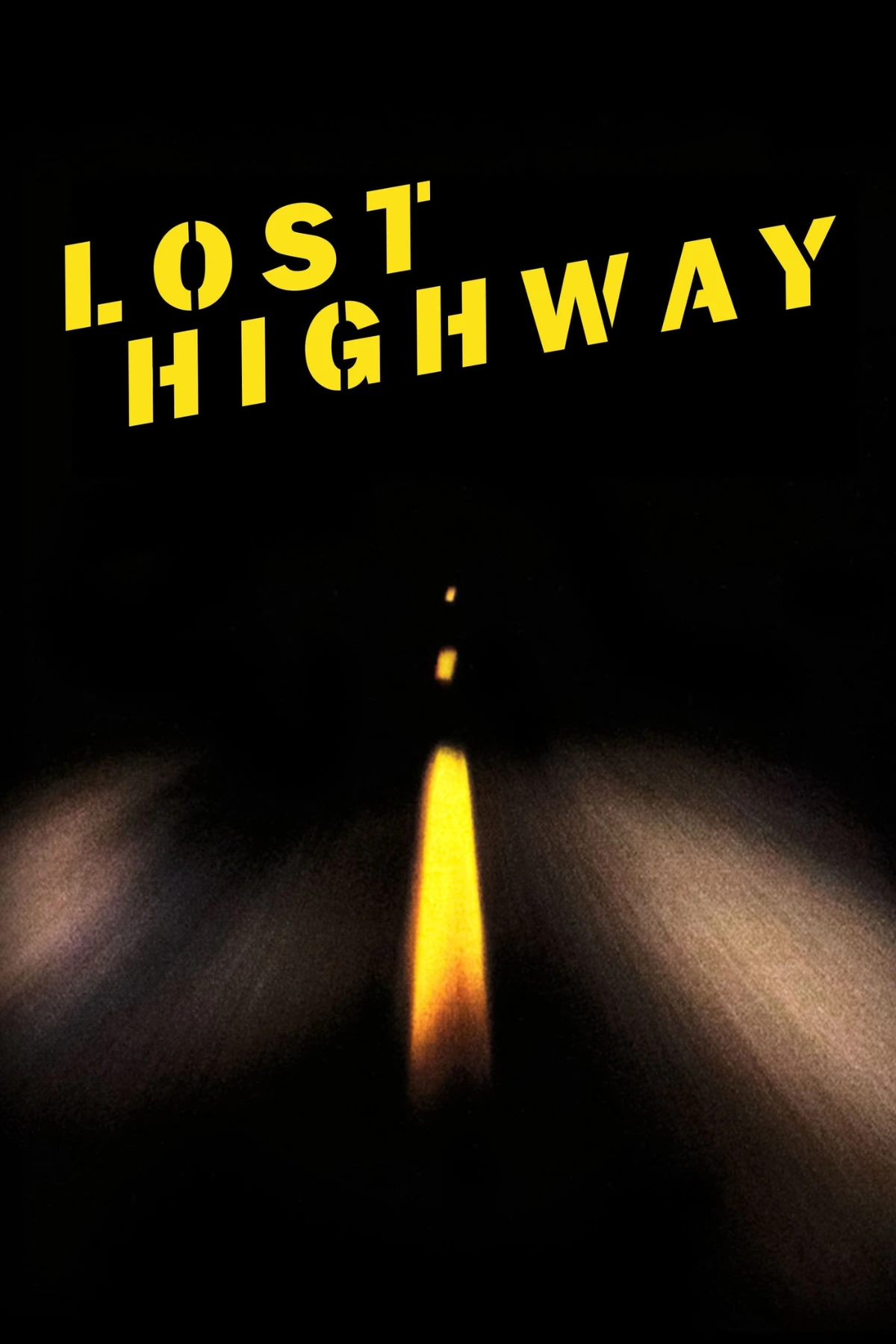
Lost Highway is the most underappreciated David Lynch movie, one that served as an introduction to where he’d be heading in the early 2000s on. Because Lost Highway doesn’t make much sense, and the illogical, beguiling snippets and vignettes that take place within the movie are of a similar nature to Mulholland Drive and Inland Empire. And while Lost Highway is slightly less operatic than Mulholland Drive (and much less indulgent than Inland Empire), it’s still one of Lynch’s best movies, and one of the best movies of the 1990s, period.
READ MORE: Blood Simple (1984)