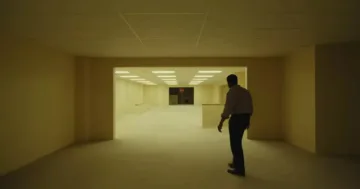
Color grading is the process of adjusting and refining a film’s colors after it has been shot. It happens in post-production, where a colorist, working with the director and cinematographer, shapes the final look by tweaking things like brightness, contrast, saturation, and color balance. Grading can help shots match each other for consistency, especially when scenes were filmed on different days or under different lighting conditions. It can also create a deliberate visual style, like a colder, bluer palette for a tense thriller or warmer tones for a nostalgic drama.
A helpful way to think about it is that color grading is both corrective and creative. On the corrective side, it can fix exposure issues and make skin tones look natural across a scene. On the creative side, it can push colors toward a specific mood, like giving night scenes deeper shadows and cooler highlights, or making a desert setting feel sunbaked and harsh. For example, a film might keep daytime scenes bright but slightly desaturated to feel bleak, then switch to richer, warmer colors during moments of comfort or memory. When done well, grading is subtle enough that you feel the emotion of the image without thinking about the technique behind it.