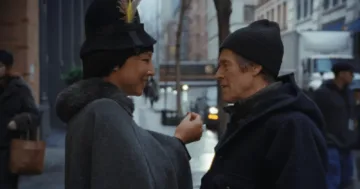
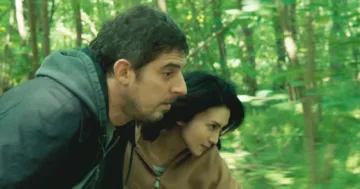
Cinematography is the art and craft of creating a film’s images. It covers the visual choices that shape what you see on screen, including lighting, camera placement, lens selection, framing, movement, focus, and exposure. Good cinematography is not just about making a movie look “pretty.” It is about using visuals to support the story and guide your attention, like deciding what to reveal, what to hide, and how a scene should feel emotionally.
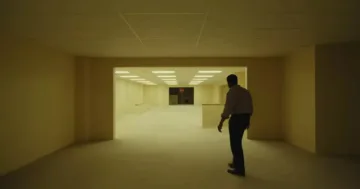
For example, a wide shot can emphasize isolation by showing a character swallowed by a large environment, while a close-up can pull you into a character’s thoughts or build intensity. Shallow depth of field can keep your focus on one face while the background blurs away, and a handheld camera can create immediacy or unease compared to a smooth, locked-off shot. Lighting choices matter just as much. Soft, even light often feels natural and calm, while high-contrast lighting with strong shadows can make a scene feel tense or mysterious. When all of these choices work together, cinematography becomes a storytelling tool, not just a technical checklist.